How can schools be safer? Here’s what Rock Hill school board candidates had to say

Rock Hill voters will have a chance to cast ballots in several school board races during South Carolina’s 2022 midterm elections.
Three of the seven seats on the Rock Hill School District’s Board of Trustees are up for election, and seven candidates are vying for those spots. Voters will decide who represents the board’s seat 2, seat 4 and an at-large seat.
On Nov. 1 at 6 p.m., Rock Hill Schools will host a candidate forum.
The Herald reached out to all seven candidates and asked them the same three questions. Some answers have been edited for brevity.
On Nov. 8, polls will open at 7 a.m. and close at 7 p.m. Until Nov. 5, any South Carolina voter can visit an early voting location in their county and cast a ballot. Voters can find early voting sites online at scvotes.gov.
Here’s what the Rock Hill candidates had to say:
Seat 2 candidates

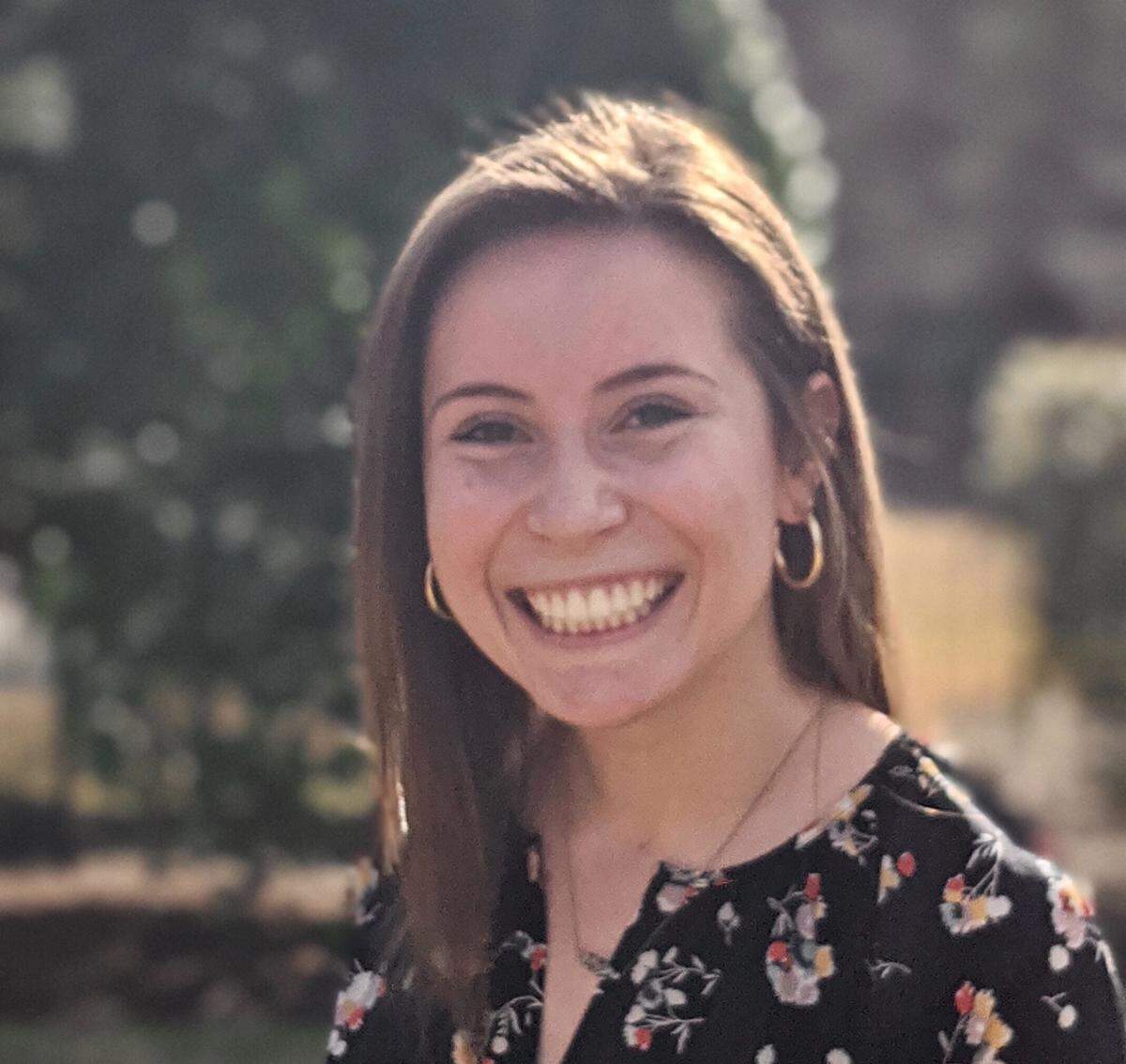
Newcomer Stephanie Haselrig is running against incumbent Helena Miller for the board’s seat 2.
What actions do you believe the district needs to take to mitigate school violence and ensure its students and staff are safe?
Haslerig: A good starting point to mitigate school violence and ensure school safety would be for the school district to partner with violence prevention coalitions and gun control advocacy organizations to provide training to parents and students. Partnerships with these agencies and trainings should be ongoing.
I also recommend the following: (1) Increase mental health screening, counseling and training; (2) Work with partner agencies to conduct mental health and well-being needs assessments; (3) Offer community forums and a safe environment where parents, students and staff feel safe discussing mental health issues, and train parents and teachers to recognize warning signs; (4) Engage parents by hosting community forums where the community is actually allowed to talk and have a dialogue. Engaging the community would aid in reducing parental, student and staff anxiety; (5) Investigate technology and equipment that helps detect weapons before they are inside the schools.
Miller: As a parent who sends my own children to our schools every day, this is deeply personal. Safety and security is the top goal established by the board, and there are no easy or quick solutions to solving what we see happening in our community.
This must be a community conversation, involving all stakeholders, such as parents, nonprofits and law enforcement. During my tenure, I am proud to have helped establish strong relationships with law enforcement and I am committed to supporting all nonprofits and action groups trying to help youth.
I have been part of making sure we have resource officers and safety officers at all schools, as well as continuous upgrades to our security systems, such as cameras and fencing, and one-point entry to all schools. I supported and voted to approve the funding for the implementation of the “see something say something” initiative, which has proven to be very effective. The board approved a position for a routing coordinator recently that will aid in increasing safety on buses. We recently asked for a comprehensive report regarding the possible implementation of metal detectors and clear backpacks, and based on the outcome of the report, I am prepared to support a recommendation to implement those if it shows it makes a difference.
I, wholeheartedly, support Dr. (Tommy) Schmolze’s vision of enforcing stronger discipline and consequences, and will continue to do so through policies that allow our teachers to teach and our students to learn without distractions. This move will aid in changing the organizational culture to one where excellence is expected. We also need to continue and expand our mental health support to make sure we have robust resources to aid students and staff with their emotional needs.
In the last year, the district closed three elementary schools and rezoned students. Do you think that was the proper move?
Haslerig: No. I don’t agree with that decision. I really don’t understand how the board arrived at this drastic decision. What is even more disappointing is that the Board of Trustees has not owned this mistake.
Yes, this was a recommendation of the previous superintendent and he has consistently been blamed for this decision, but the current sitting Board of Trustees approved it. It appears that the community was not involved in the decision, nor were they made aware of a plan for the children being displaced.
It was extremely insensitive to those parents and students to close three schools simultaneously during a pandemic when everyone had greater concerns. Furthermore, some of these same students were displaced again a year later as they tried to recover from the overcrowding that was caused by closing three schools. What was not shown on the plan to shift all of these students, referred to as “Option 4B,” when the board was debating closing the schools, was the capacity at each of the remaining schools, so the overcrowding is not a surprise. The result of these hasty decisions and poor planning is dissatisfied students, teachers and parents, overcrowding, declining enrollment and low morale.
Several board members claim to be “fiscally responsible” and the intent of closing those schools was to save the district money spent on the maintenance of these older buildings. But how much money is being saved when one of the schools that was closed is now being used to house district staff? And ironically, one of the other buildings was sold to a private school who is providing an education to many of the 1,000+ students that the district has lost.
Miller: This was the hardest vote I have taken during my tenure, but I did so with the children’s best interest in mind and after listening to feedback from the community and experts over a four-month period. The board unanimously established condition, utilization, and capacity as benchmarks for our buildings. We were presented with facts showing that nine out of fourteen schools were under 65% capacity.
Rosewood was at 58% capacity, Finley Road was at 46% capacity and Belleview was at 56% capacity, and all had pressing facility needs. Closing the schools allowed for an annual $800,000 savings in operating costs without reducing staff, which enabled us to give teachers and staff long overdue bonuses and pay raises. The capital savings was estimated to be close to $29 million, which we plan to reinvest by renovating and/or replacing the remaining schools with a focus on the older ones on the south side of town.
We rezoned children for the first time in twenty years, which was hard on all involved, but I believe that the investment we were able to make in our staff allowed us to retain and recruit quality personnel to serve all kids. The process has not been without challenges, but Dr. Schmolze made some adjustments this year to alleviate the situation. Based on reports from demographers and transportation experts, we were also able to significantly reduce the travel time on our buses for children and make sure that less instructional time was lost.
What do you see as the strengths and weaknesses of the district’s academic performance?
Haslerig: The quality of our amazing teacher staff, who work tirelessly to provide a quality education to the students of Rock Hill Schools is definitely a strength. However, our below average state test scores and average ranking among other South Carolina districts is an area that definitely needs improvement. According to the SC State report card, we are performing below state averages in many areas. We have more students that “do not meet expectations” than students who are meeting or exceeding expectations.
The good news is Rock Hill Schools has a tremendous opportunity for both growth and improvement, but I believe it will take a collaborative effort of parents, students, teachers and community partnerships. You need people on the school board who are not afraid to ask tough questions and think outside of the box in an effort to overcome this decline in academic performance.
Dr. Schmolze is an excellent choice for superintendent and I look forward to having the opportunity to support him. He does come from a high performing school district with a different socioeconomic make up, so he is certainly capable of turning the ship around. More strategic visioning and planning is needed on the part of the district to support the efforts of teachers. There are many decisions that the district can make that would help mitigate some of the concerns and areas of weakness, such as providing more concentrated time for teachers to plan within the school day.
This will allow teachers the opportunity to address the needs of students who have suffered learning loss for a variety of reasons. A modified school calendar may help to add additional opportunities as well. Another strategy would be instead of adding additional positions to the district office, more positions could be added for instructional support staff who can support teachers with strategies and resources in the schools. I think the most important strategy would be to simply ask the experts! Teachers, principals and district leaders know best and should be encouraged to freely share what they need in order to make a greater impact on student learning.
Miller: Education is always about relationships and people, and the biggest strength we have is our almost 2,500 staff members that are dedicated to making sure our students succeed. We are also blessed with a community that cares deeply about the success of our school district, including parents, private companies and the Education Foundation. With their help, we have managed to offer students an amazing repertoire of opportunities, including a very robust fine arts program, many schools of choice and a strong program at ATC. Not all students are interested in pursuing higher education, and I am so proud that we, as a district, give all kids an opportunity to be successful with programs leading to industry certifications. Another strength of the district is showing the highest graduation rate since 2014.
Just as all districts across the state, we see learning loss from the pandemic that will take some time and resources to recoup.... Our biggest weakness is organizational culture resulting in staff fatigue, something that Dr. Schmolze is committed to addressing. Previously, our academic support has not been targeted through data, but through the recent hire of two data specialists, I am confident that we will be able to allocate the resources in a more targeted and deliberate way to help the kids move forward.
Seat 4 candidates
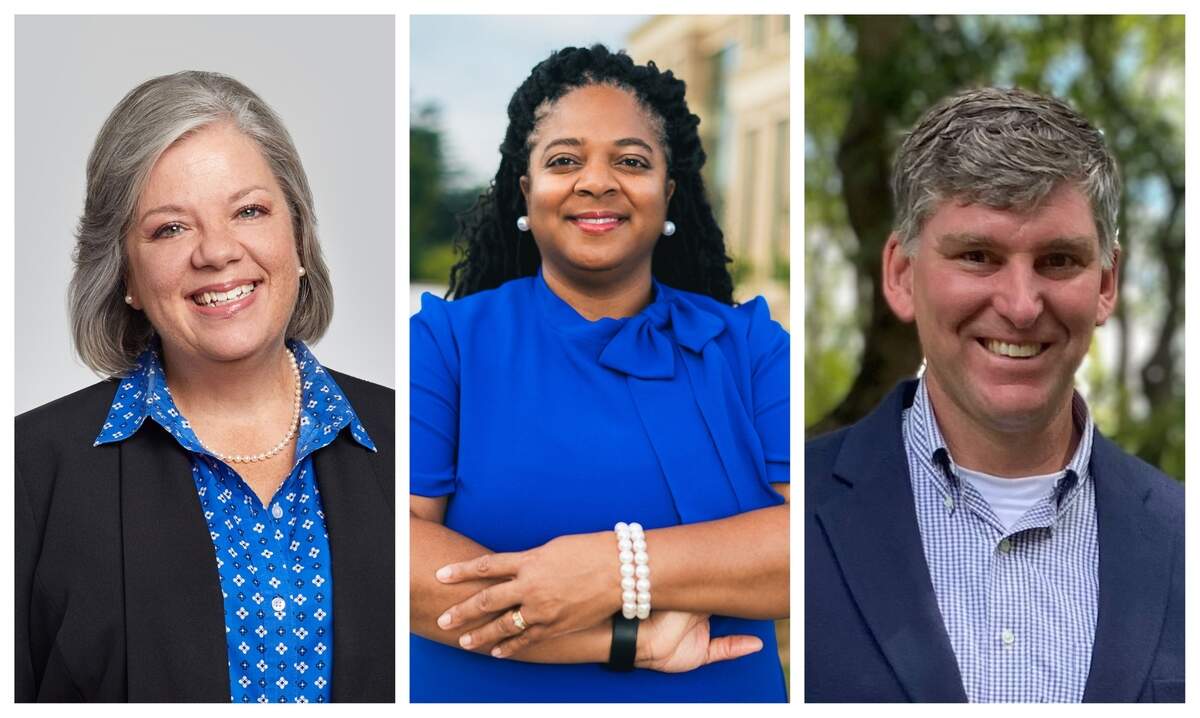
Incumbent Robin Owens is facing Kiwanna Brackett and Peter Nosal for the board’s seat 4.
What actions do you believe the district needs to take to mitigate school violence and ensure its students and staff are safe?
Brackett: I do not believe there is one definite solution to mitigating the threat of school violence. However, I believe we can begin to identify strategies by researching best practices implemented in other school districts that have assisted in minimizing the risk of violence.
Another approach I would recommend is to collaborate with the key stakeholders, such as community partners, law enforcement and mental health agencies to assess the potential threats we may face in the Rock Hill School District and work to develop an integrated action plan to reduce those threats within our schools.
Nosal: As a parent with three kids in school, this is the issue I think about every day. Every student, teacher and staff member deserves to be in a safe school. The district needs to do the following:
Develop more efficient two-way communication between schools and parents. Parents need to know what is going on in school. And schools need to be aware of issues at home or in the neighborhood that will impact schools.
Further develop partnerships with the Rock Hill Police Department, the York County Sheriff’s Office, South Carolina Highway Patrol and the 16th Circuit Solicitor’s Office. As a former police officer and teacher, I understand how important it is to foster these relationships inside and outside of schools. Maintaining strong relationships with law enforcement agencies in the district is critical to keeping our schools safe. Deeply rooted partnerships ensure the efficient exchange of information that is critical to preventing violence and responding to it.
Further develop partnerships with nonprofits that can help students’ physical and mental health.
Consider utilizing metal detectors and other screening devices at entrances of high schools and middle schools.
Owens: Our schools should be places where students and staff feel safe. Rock Hill School District is committed to continuous improvement in our ongoing efforts to insulate our school buildings from violence present in the outside world.
During my time serving on Rock Hill Schools’ Board of Trustees, our school district has added security personnel, so every school building has either a School Resource Officer (state-certified police officer) or a School Security Officer (private security staff). Both School Resource Officers and School Security Officers are armed. Each of our high schools now have a Campus Security Associate, as well as their School Resource Officer, whose job is to patrol the campus and provide an additional security presence.
Several years ago, we began conducting random security searches in our schools. Classrooms are chosen randomly, and security personnel enter the selected classroom, use handheld metal detectors to search students and conduct manual searches of backpacks. In response to recent incidents, we significantly increased the number of random searches in schools. Random searches are intended to be a deterrent to students who might consider bringing a weapon to school. These searches send a clear message that searches can and do happen anywhere, any time in our school buildings and weapons or violence of any kind will not be tolerated.
Our school district has excellent relationships with our local law enforcement agencies — the Rock Hill Police Department and the York County Sheriff’s Office. Not only are these agencies ready to support our schools in the event of an incident, but they also work tirelessly in the community to address violent behavior and threats of violence before these situations ever reach one of our schools.
Moving forward, in addition to these measures, we are considering the use of clear backpacks. I, generally, favor this idea and am interested in learning more about how other school districts have successfully implemented a clear backpack policy, so we may implement a policy tailored to our district and our needs.
One of our most powerful tools is community. Specifically, when students and families report concerns about potential violence and threats. I know it is important for us to continue to build trust within our school communities, so everyone feels comfortable reporting important information.
In the past year, the district closed three elementary schools and rezoned students. Do you think that was the proper move?
Brackett: The decision to close three elementary schools at one time was not ideal. Schools are cultural assets that drive neighborhood economic growth, and neighborhood schools can assist in meeting the needs of families in other ways besides meeting the educational needs of students.
An ideal approach would have been to take additional time to assess the impact that school closures can have on student performance, classroom management challenges for administrators and teachers, and community survival. No one wins when we make decisions, like closing a school.
I am not sure there was enough community engagement to determine other potential solutions to the declining enrollment and budget concerns that lead to the decision. Engaging all key stakeholders in the decision-making process can help to avoid the potential challenges of impacting the academic success of students and the ability for the administrators and teachers to manage the change.
Nosal: I was not part of the decision to close schools and rezone students. However, the district has limited financial and human resources. Both need to be used as efficiently as possible to ensure students get a thorough and rigorous education, and teachers have the resources and support required to do their jobs at a high level.
The board needs to prioritize student education and retaining/recruiting the highest quality teachers, not supporting under-utilized infrastructure. However, there are unintended consequences to closing schools and rezoning. The district needs to be proactive and make sure that resources are available to help students, teachers and staff deal with the changes.
Owens: The decision to close three elementary schools passed on a 4-2 vote. I was one of two board members who voted against this decision because I felt it was inappropriate. At the time district administration proposed this idea, I believed closing one elementary school was warranted as our district had several elementary schools operating under an ideal enrollment of 75-80% of capacity.
However, several members of the board favored the plan to close three schools. In an attempted compromise, I made a motion to accept the district administration’s plan to close only two schools, but my motion did not receive any support from other board members.
The result of closing three elementary schools has been pockets of overcrowding at certain schools within the district over the last two years. Some overcrowded schools have capped enrollment in certain grades, requiring students to be assigned to another school in the district. Other schools facing overcrowding have repurposed non-classroom space to create additional classrooms.
What do you see as the strengths and weaknesses of the district’s academic performance?
Brackett: The strengths that I see in the district’s academic performance is that we are capturing and using performance data to develop enhanced instructional practices to provide a learning environment conducive for all students. Programs, such as the Multi-Tiered System of Support (MTSS) recently presented by the district’s Instructional Department, is aimed at continuous improvement within the regular classroom setting that focuses on the positive educational experiences and outcomes of all students. This approach to improving instructional practices in the district shows the efforts already in place to identify and address performance gaps.
A challenge we are currently faced with in the educational arena is meeting the needs of the large number of students who are lagging in academic performance. The data captured and shared by the district in the recent school board meeting suggests that the number of students performing below the desired level has increased within our district post pandemic, which creates a challenge in providing the targeted interventions needed for all students.
The positive is the district is collecting and analyzing the data to determine where the potential pitfalls may be and seeking to identify additional resources to meet the needs of our students.
Nosal: The opportunity to make significant improvements is the primary strength and weakness of the district’s academic performance. The board must work with Dr. Schmolze to implement his vision and culture in Rock Hill Schools. While no one is perfect, Dr. Schmolze is the best-suited and most qualified person to lead our district.
I will help him implement changes in the schools, so there is a unifying culture throughout the district, students will have continuous access to a thorough and rigorous education, parents will be partners in their children’s education, and quality teachers will be given the resources and support they need to ensure education is the focus in all the classrooms.
Owens: Rock Hill Schools has many students demonstrating outstanding academic achievement. Students at Rock Hill’s Applied Technology Center, who complete a pathway of study, overwhelmingly graduate high school with a career-ready industry certification. Eighty-seven percent of “completers” at the ATC earned industry certification during the 2020-2021 school year.
At our most recent school board meeting, 33 students were recognized for achieving the maximum possible score on the State of South Carolina’s SC Ready and SC Pass tests. At the same meeting, 15 high school students were recognized by our board for receiving awards from the College Board for their high achievement on the PSAT or AP Tests. There are similar academic success stories in every school across our district.
However, also at our last school board meeting, the board was presented with student performance data based on state tests taken at the end of last school year. This data showed that many of our 3rd through 8th grade students do not meet expectations for their grade level in core subjects. The number of students not meeting expectations for their grade has been an ongoing concern during my service on the school board. While interviewing candidates for district superintendent last fall, I placed a high priority on hiring a superintendent with a track record of success and a strategy for increasing student achievement in the Rock Hill School District.
District administration, under the leadership of our new superintendent, is implementing several initiatives focused on increasing student achievement in Rock Hill School District. We are in the process of refining our data analysis practices, using testing data not just as a measure of student knowledge but to monitor individual student progress and uncover critical gaps in learning. Teachers will use more informative data as a road map to adjust instruction for each student to fill learning gaps.
We are also committed to allowing teachers time to collaborate with other teachers to discover best practices and to develop personalized instruction strategies. District administration is working with school leadership to employ better coaching strategies and provide greater support for our teachers. Increasing student academic performance and improving student outcomes for all students will take strong leadership and a commitment from everyone in our school district, but effective instruction leading to strong academic performance is my goal for our school district.
At-large candidates
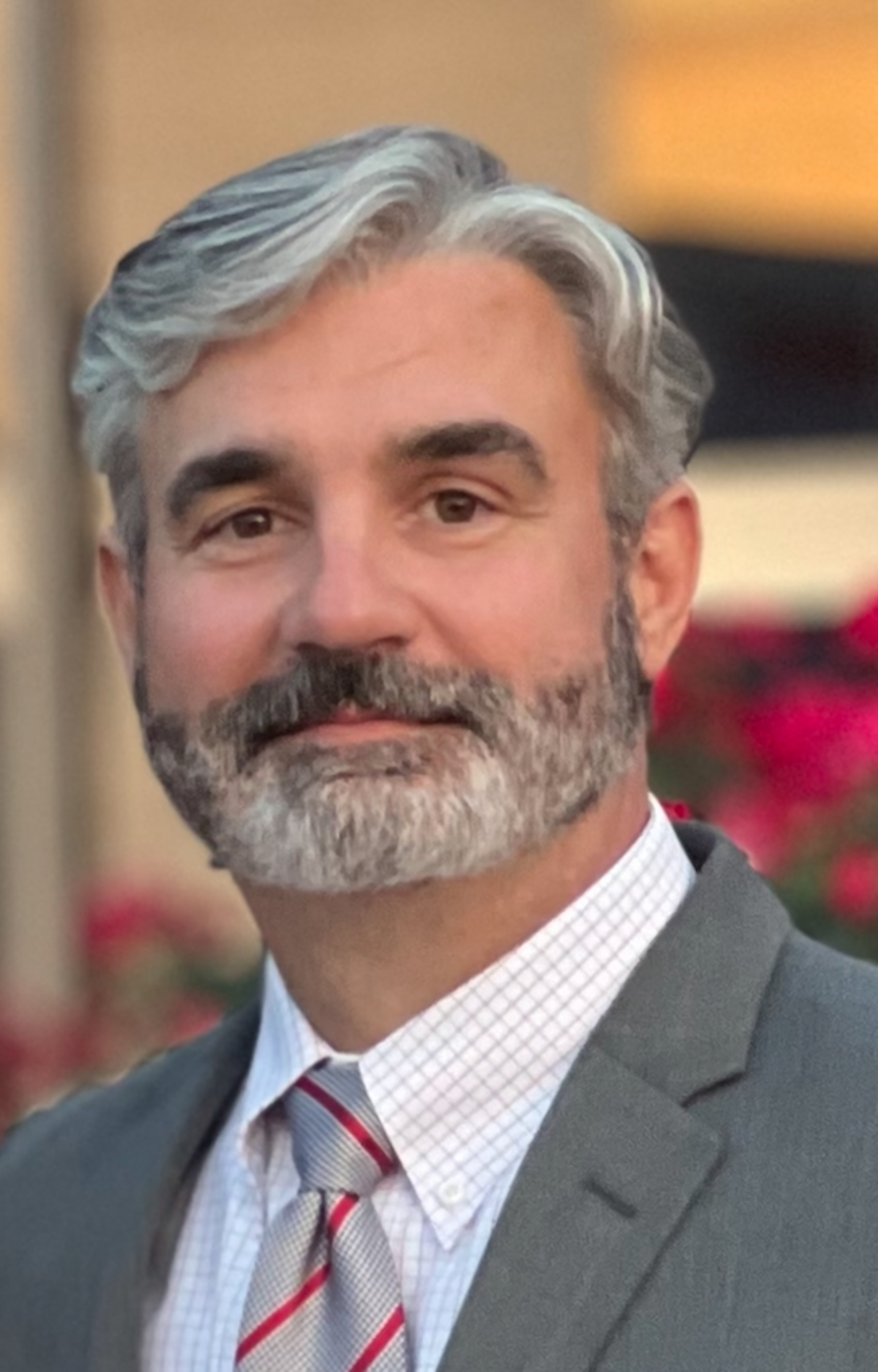
Incumbent Brent Faulkenberry is facing newcomer Natasha Witherspoon for the board’s at-large seat.
The Herald reached out to Witherspoon and has not yet heard back. The story will be updated as candidates respond.
What actions do you believe the district needs to take to mitigate school violence and ensure its students and staff are safe?
Faulkenberry: The school district does a great job keeping our students and staff safe. We have enacted a lot of new measures and are constantly doing many things behind the scenes to keep all of our students and staff safe. This includes single point of controlled/secured entry, cameras/monitoring the schools, badged faculty/staff/students/visitors, trained law enforcement/contractors at every school, secured campus with no entry from the outside, metal detectors, random searches, well-lit campuses, fully vetted volunteers, drills for emergencies of all types, and working closely with law enforcement agencies.
We are also examining and exploring a lot of new/other options, like metal detectors at every entrance for the students entering the building. Getting to know the students and developing strong relationships with them is critical to preventing dangerous situations from arising.
Performing on-going threat assessments, continuing to review and update our security protocols, benchmarking other districts that are considered best-in-class, prioritizing, and strengthening our online/digital safety, giving our students and staff a voice to ensure an effective two-way communication system are all important elements to work on.
In the last year, the district closed three elementary schools and rezoned students. Do you think that was the proper move?
Faulkenberry: I know that this question is a hotly debated one. At the time, based on the information we had, it was absolutely the right decision to close the three schools. Of course, it had some unintended and unanticipated consequences that have and continue to be addressed.
When you have limited resources, you, oftentimes, have to make choices on the best way to provide for all of our students. The schools that were closed were significantly underutilized and way under-enrolled. By absorbing those schools into other existing schools, we are better utilizing the tax dollars of the community. It also allowed us to decrease the distance of many students by enrolling them in schools closer to where they live.
I, consistently, pushed the district to not “bus” students all the way across the district to schools that were not close to their residence. A prime example of this is the Saluda Corridor, where students were bused over to Mount Gallant Elementary School. This was probably the farthest school from their homes and negatively impacted them by creating an hour or more commute for those students. It also meant that the students had to be at the bus stop unreasonably early and get home unreasonably late.
The rezoning eliminated those situations. The needs of our students today are very different than they were when most of our schools were built. Some of our schools are over 80 years old. When our older schools were built, they were built to keep students separated. Today’s learning environment is very different, it is more collaborative and oftentimes bringing more students together is part of that.
It is often more costly to try to update these older schools and bring them up to today’s standards than it is to build new ones. By streamlining the inventory of schools, we are better positioned to provide more opportunities at each of our schools and poised for future growth.
What do you see as the strengths and weaknesses of the district’s academic performance?
Faulkenberry: We have great students and committed teachers/staff in Rock Hill Schools and that is certainly a strength of the district. Under our new leadership, we are focusing on every student and building an individualized plan for growth and achievement. This seems fundamental but was not previously done at the district level.
By combining the student data from testing and past performance with better analysis capability, we will achieve more than ever before. This will allow a teacher to have an educational plan tailored by the student and not just the classroom. This is going to be a real strength going forward.
We also have an engaged community and parent base. This is not the case in many communities. The partnership between the parents, the business community and our schools is vital to our continued and increased success. We are learning to better utilize technology, as well. We are offering virtual and in-person instruction so parents can take advantage of whichever medium is best for their student(s).
As for the weaknesses of the district, I don’t think we have many. But most are things that are out of control of the district. For example, we have not been fully funded by the state for many years. With limited resources, the district often has to prioritize areas that provide the greatest impact for the biggest number of students.
The socioeconomics of our community also negatively impact the district’s test score achievement. Our level of poverty, particularly in our students, is much higher than some of our surrounding towns. One of the fundamental questions that should be asked is: What defines high achievement? Is it simply test scores as many districts think? Is it creating productive citizens that are ready for work, college or military upon graduation? Is it getting the most out of every student irrespective of their level of achievement or readiness? Is it some parts of all of the above or none of them at all? Once we are all working from a common definition of achievement, further plans can be made/implemented to ensure success.