
Rattlesnakes are part of the routine for workers rebuilding I-40 in Western NC
AI-generated summary reviewed by our newsroom.
- Visitors to I-40 construction zone in Pigeon River Gorge are warned about rattlesnakes.
- About 300 workers are restoring five miles of eastbound I-40 damaged by Hurricane Helene.
- Every day at least one of those workers encounters a timber rattlesnake.
Visitors to the construction zone where workers are rebuilding Interstate 40 through the Pigeon River Gorge are given yellow safety vests and a warning: Be on the lookout for rattlesnakes.
The yellow vests make people more visible around the massive trucks and other equipment moving rocks and concrete. The verbal warning is about a less obvious but ever-present danger in the remote gorge near the Tennessee state line.
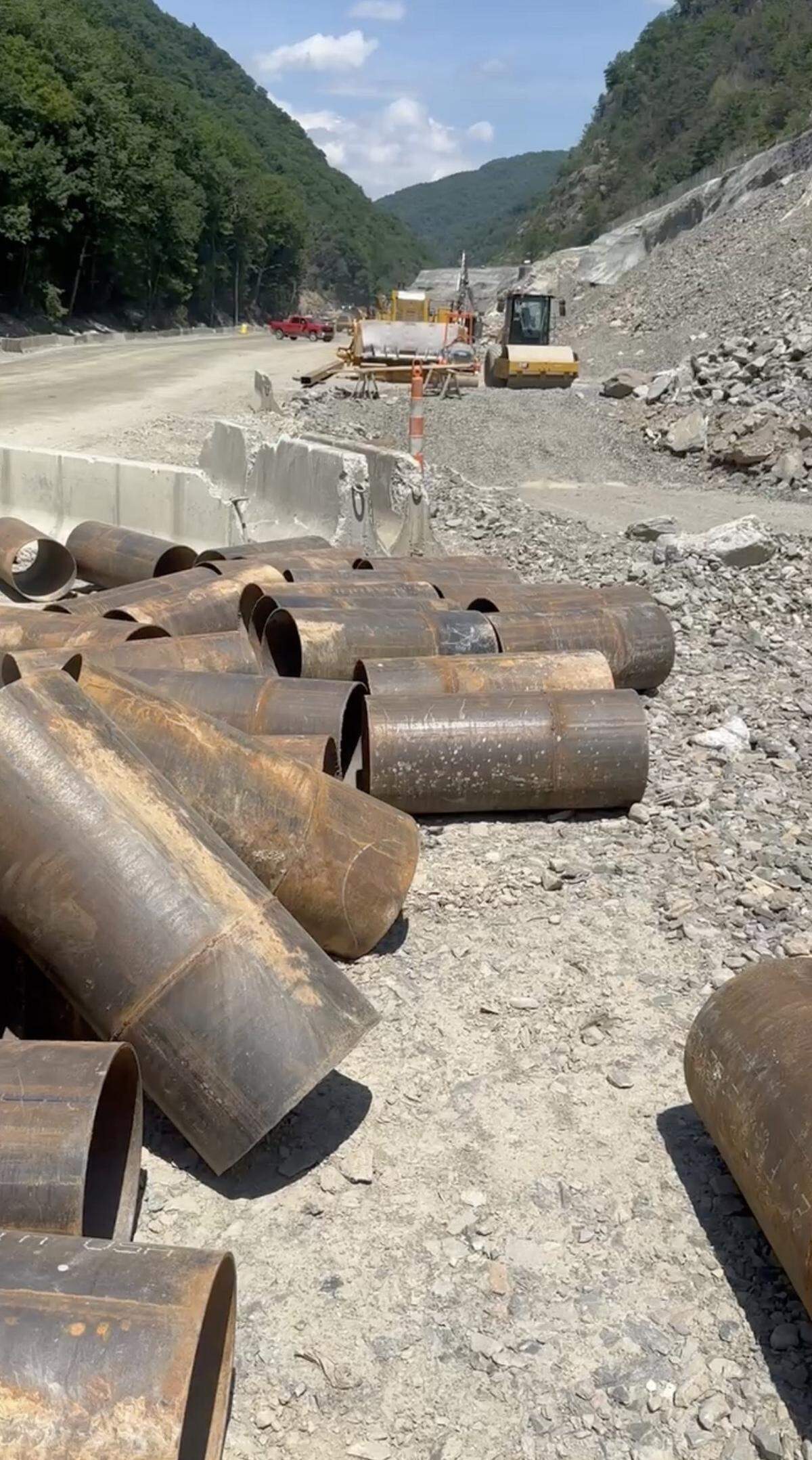
About 300 people work here, restoring about five miles of the highway’s eastbound lanes destroyed by flooding after the remnants of Hurricane Helene hit the state in 2024. Every day at least one of those workers encounters a timber rattler, curled up in the sun or hiding under a piece of equipment or Jersey barriers that separate traffic, said Blake Soblesky, the contract resident engineer on the project.
“Items laying on the ground that have been there a few weeks,” Soblesky said. “You pull that up, there they are.”
None of the workers has been bitten, Soblesky said. But the presence of the venomous snakes, their thick bodies stretching up to five feet long, can be unsettling, even if timber rattlesnakes are not particularly aggressive.
“They’re more scared of us than we are of them. Generally we’re seeing them go shoosh, taking off,” Soblesky said. “Sometimes they’re curled up, baking in the sun, and they start rattling. You’re like, ‘Oh, I didn’t know you were sitting right there.’”
Tony Lathrop had his first encounter with a timber rattlesnake during a visit to the I-40 construction zone a year ago. Lathrop, a Charlotte attorney who heads the N.C. Board of Transportation, was with several NCDOT engineers and contractors when he and project manager Brian Burch stepped over a concrete Jersey barrier along the highway to get a look at the work going on down below.
“And all of a sudden, one of the guys says, pretty authoritatively, ‘Guys, don’t move. There’s a rattlesnake,’” Lathrop said. “And I heard it. He was making noise. He was up and shaking that thing. He was threatened.”
Lathrop says while he didn’t see the snake, camouflaged in the grass and low brush, he knew where it was by the sound. He says he darted away from the rattle and back over the Jersey barrier.
“I think Brian did the same thing, but I don’t have actual knowledge of what Brian did,” he said. “It was so quick, and so reflexive. I just got the hell away from that snake.”
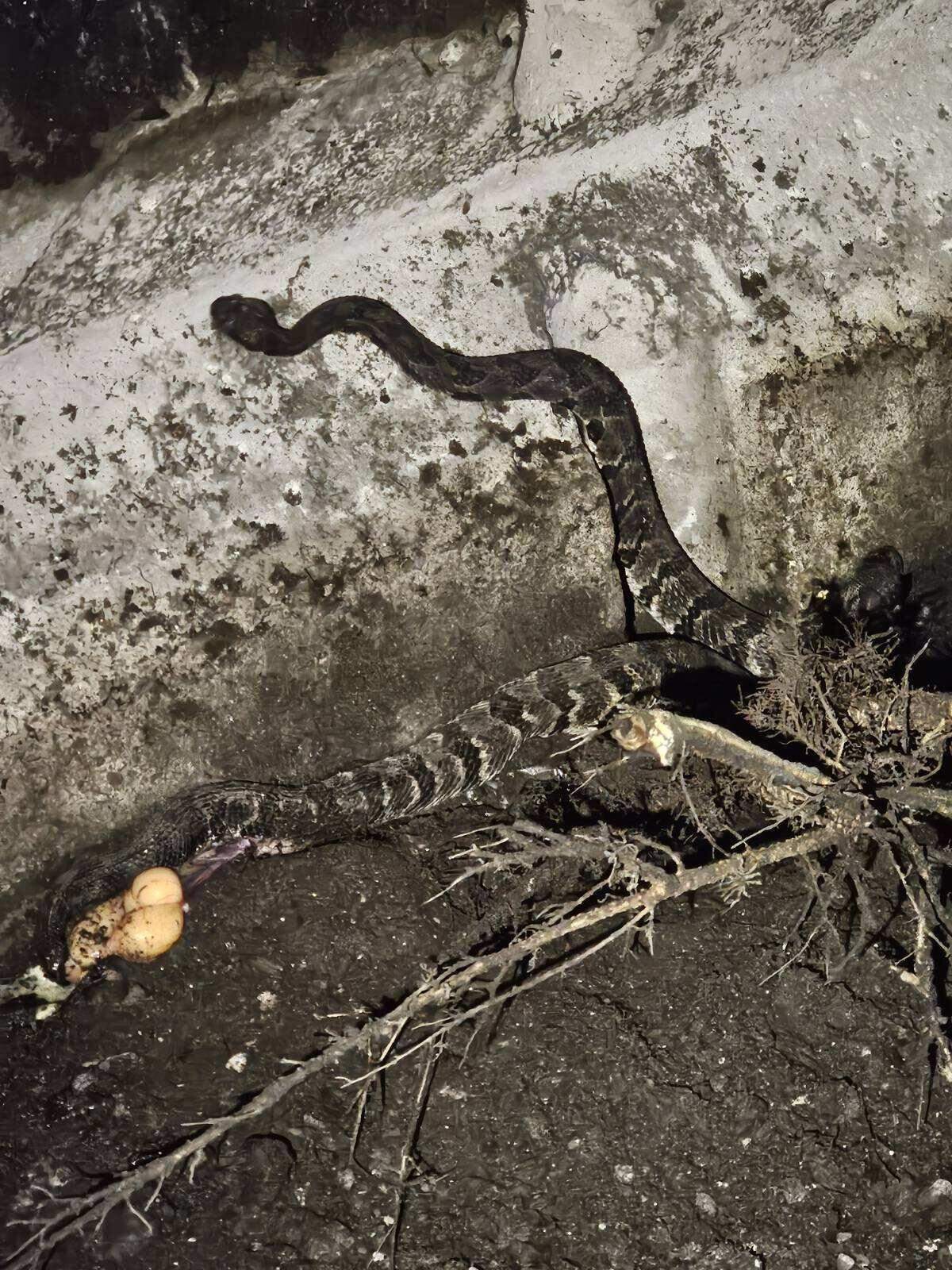
Crotalus horridus, the timber rattler, is one of three rattlesnakes found in North Carolina. While almost never seen in the Triangle or Triad, they live across a wide area, from the mountains across the southern Piedmont and throughout the coastal plain.
They’re known as “ambush predators” who dine mostly on rodents. They’d rather hide from humans and other potential threats than strike out.
But their venom is very toxic, and people have died from timber rattlesnake bites. Perhaps most notably, William Martin, who spent decades studying and writing about timber rattlers, died at age 80 after being bitten by one in West Virginia four years ago.
Still, the deadly serpents aren’t the biggest potential danger workers face in the Pigeon River Gorge, Soblesky said. There’s a whole host of normal construction hazards, including the reasons for those yellow vests.
“The hauling we do in these large trucks,” he said. “That’s what’s most dangerous.”
This story was originally published May 24, 2026 at 7:00 AM with the headline "Rattlesnakes are part of the routine for workers rebuilding I-40 in Western NC."
