
The Charlotte photographer fighting Latin American stereotypes one portrait at a time
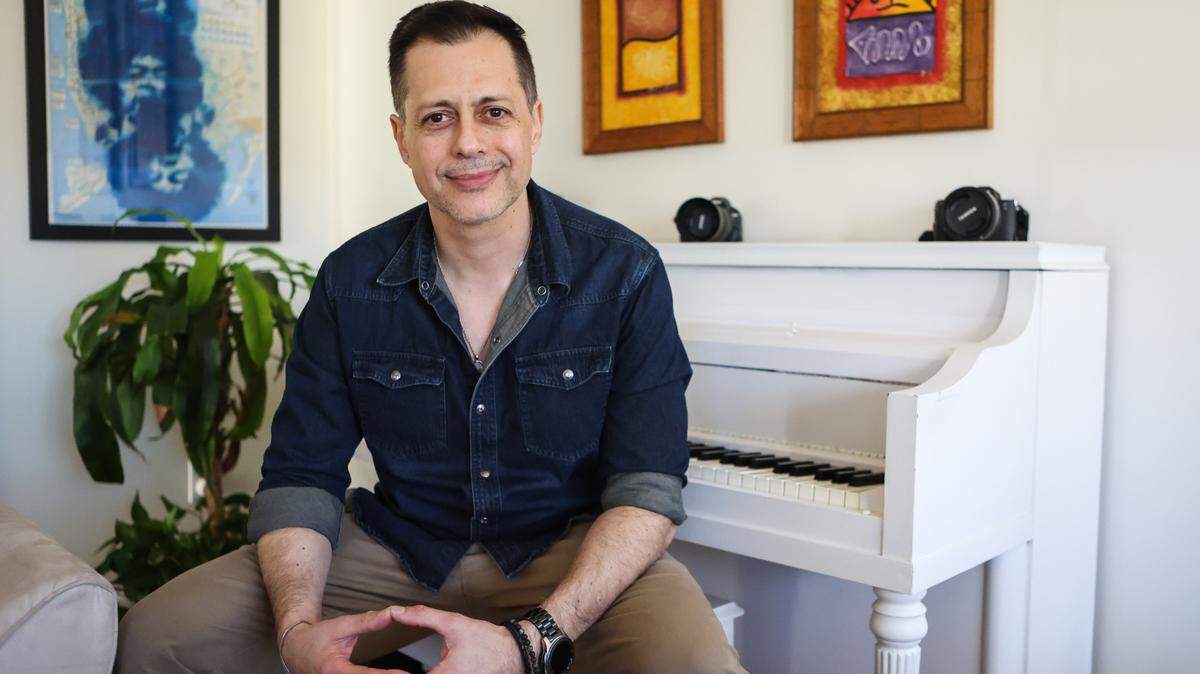
Sometimes art is used to protest. Sometimes it’s a means to educate or to heal. In his new project, Charlotte photographer Juan Manuel Mejia attempts to do all three.
Mejia recently kicked off a year-long initiative to showcase the Latin American community in Charlotte through his photography in a project called “Latinx/e Portraits: Faces of a Community.”
It will culminate in 25 finished portraits, to be displayed digitally across several social media platforms. In December, he received a $3,000 Artist Support Grant from the Arts & Science Council.
But the seeds of the idea were planted more than seven years ago, when Mejia heard then-presidential candidate Donald Trump using anti-immigrant rhetoric, including language that falsely characterized Mexican immigrants as rapists and criminals.
“That just really upset me,” said Mejia, who grew up in Queens, New York, after immigrating to the United States from Colombia at age 12. “For the first time, I felt almost unsafe and unwelcome here.”
His outrage and fear also sparked an idea that Mejia shared with several photographer friends at the time: a portrait project to show the humanity and diversity of immigrants from Latin American countries to challenge stereotypes that characterized them as criminals.
Although his friends agreed it was an interesting concept, none of them pursued it.
Now, thanks to the grant, Mejia — who has long enjoyed photography as a hobby — decided to take it up himself.
Called to the arts
For the past 22 years, Mejia has worked as a grants writer for Repertorio Español, a Spanish language repertory theater in New York. He’s worked remotely for most of that time and has been in Charlotte since 2006.
Mejia, 49, spoke to The Charlotte Observer from his South Charlotte living room, where his family’s passion for the arts is evident.
Bright colored paintings purchased on the streets of the Dominican Republic line his walls. Several decorative chess boards sit on his coffee table.
A glossy white, upright piano fills a corner of the room. Mejia doesn’t play but his 21-year old son, Gabriel Mejia-Estrella can bring it to life, playing everything from classical to jazz to rock, when he comes to visit.
Atop the piano and across the room, multiple cameras are displayed as visual reminders of Mejia’s journey with photography, he said.
“The arts,” he said, “have always called out to me.”
Coping with grief
Mejia’s passion for image-making started as a child, growing up in Colombia, where he loved drawing, movies and other visual mediums.
He used to invite other kids over for a DIY-style of entertainment, as he projected slides on the wall with a flashlight.
Much later, he would go around Manhattan photographing buildings. “I have thousands of pictures of buildings and architecture,” he said. “So, I’ve been doing that forever.”
But it was only about two years ago that he started focusing more on the technical side of photography, with online courses, to improve his craft and to cope after a tragic loss.
In 2018, his wife, Larissa Estrella, an emigrant from the Dominican Republic, died following a prolonged battle with breast cancer. The couple had been married for 17 years and had been together for more than 25.
“Larissa was always doing something artistic/creative,” he said. She taught dance at the YMCA and enjoyed crochet and knitting projects. One of her creations, a stuffed fabric elephant, is displayed in Mejia’s living room.
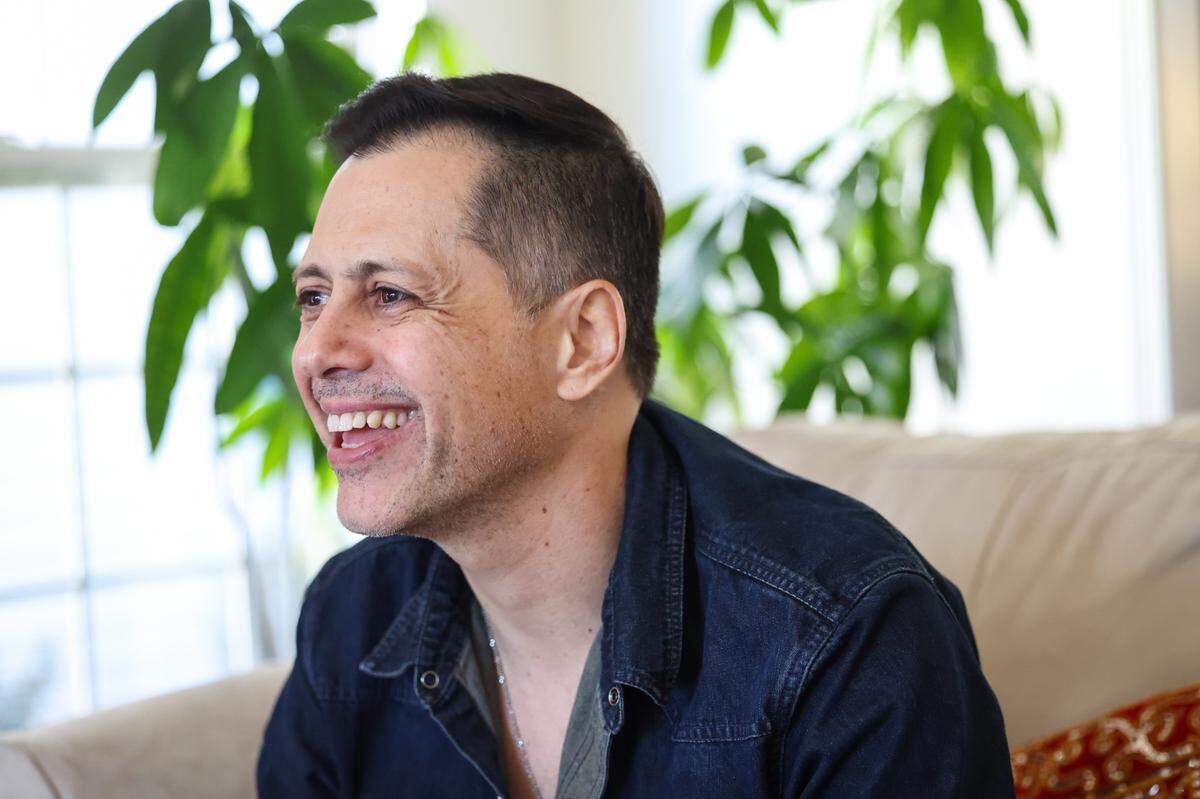
For Mejia, photography has provided an outlet to rediscover himself after his wife’s death It’s been a means for self-expression and connection with the community, he said.
As he delves into portrait photography, he is focused on capturing authentic moments.
“You put a camera in front of people and people just freeze,” he said. He wants to make his subjects comfortable, build a rapport and connection so they forget about the camera.
While working to improve his photography skills, Mejia returned to the idea he had pitched to friends years ago.
A growing community around Charlotte
The question of who makes up the Latinx community is still relevant, he said, especially as he hears more Spanish being spoken around Charlotte than he did when he first arrived.
According to Carolina Demography, the Hispanic population in North Carolina increased by 40% between 2010 and 2020. Mecklenburg County currently has the largest Hispanic population in the state, with 2020 Census data showing they represent 15.2% of the county’s inhabitants.
“We’ve grown as a community,” Mejia said. “I just want to show those stories and put a face to the community beyond stats.”
And he knows there is a lot of ongoing debate about the usage of the terms Latinx and Latine, gender neutral variations of Latino and Latina. Mejia decided to use them for his project to be inclusive.
Ready for their close-up
Mejia used part of the ASC grant to purchase a new camera since his previous one was 13 years old. He will use the remaining money to buy gift cards to compensate his portrait subjects for their time.
But for him, the grant represents more than financial support. It bestows a kind of legitimacy upon recipients, he said, to embrace an artistic passion and pursue it.
“We all want that permission, right? But we feel like we need to feel polished or we need to be highlighted somewhere in order to really embrace it and not to feel like you just fake it.”
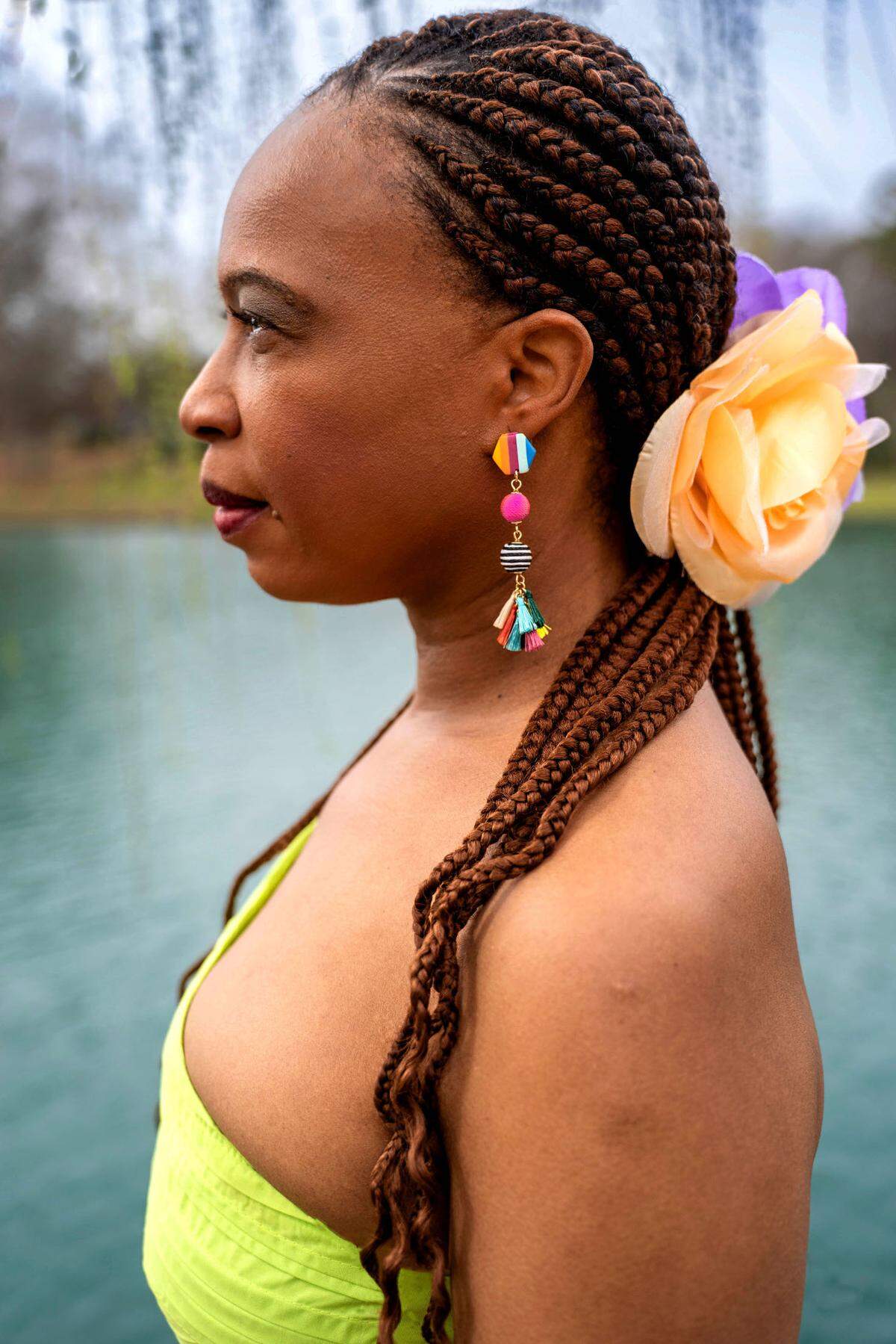
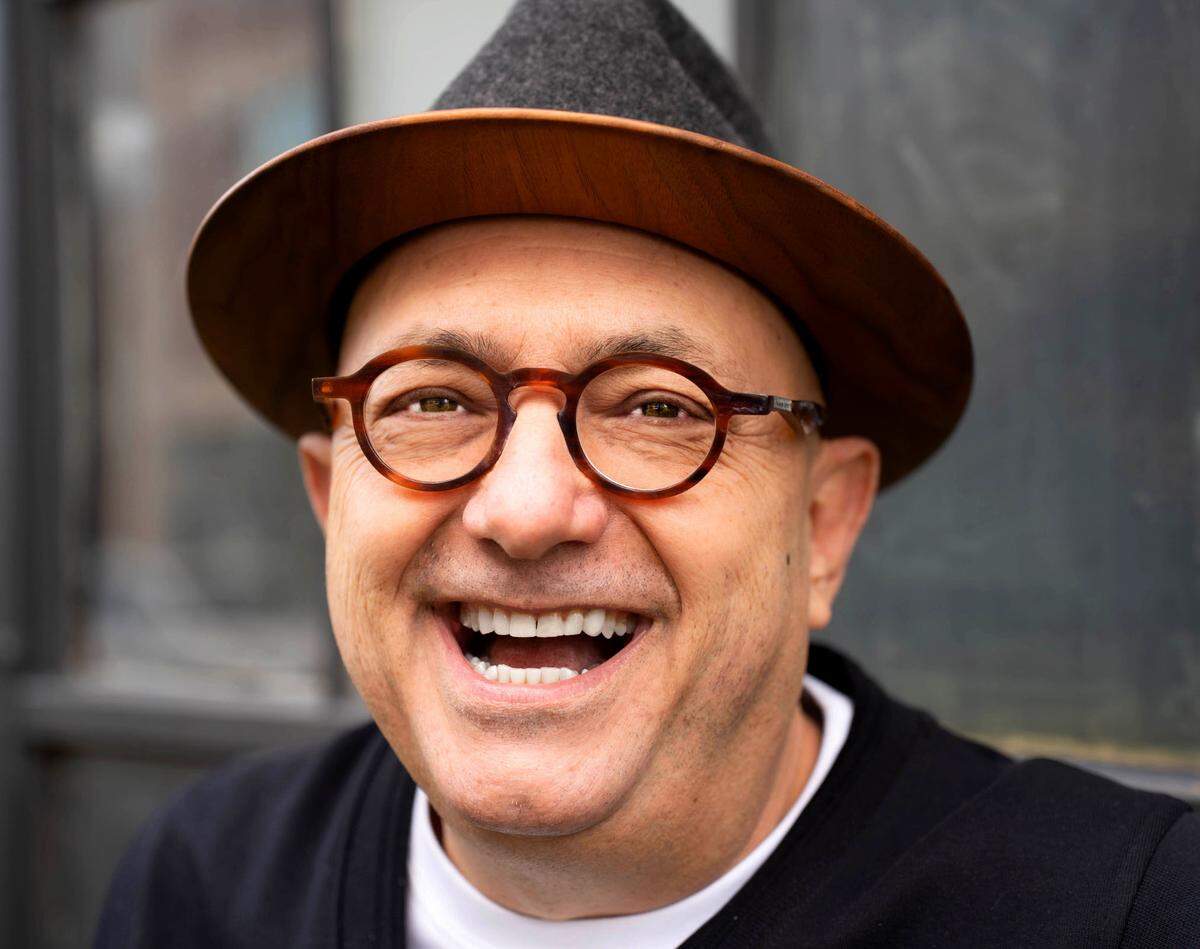
And Mejia already has found his first two subjects: Kurma Murrain and Pacino Mancillas.
Mejia called Murrain a close friend and fellow native of Colombia who is a poet, performer and “an all-around beautiful, talented individual.” She has been living in Charlotte for 19 years. Since 2018, she has worked at The Mint Museum as a community programs coordinator.
Mancillas is a partner and CMO at AC&M Group, a Latinx-owned marketing firm, whose clients include brands like Family Dollar, Bojangles and Blue Cross NC. He was born in Texas and also has lived in Mexico.
For now, “Latinx/e Portraits” will live online but Mejia dreams about the possibility of someday turning it into a book or bringing it to a gallery.
“That would be so cool to have an exhibit,” he said. “Have the pictures printed, invite the people that are part of the project and have my kid play...”
For more information
You can follow Mejia’s progress or volunteer to be a participant via Instagram (@latinxPortraits) or on Facebook (Latinx/e Portraits: Faces of a Community).
More arts coverage
Want to see more stories like this? Sign up here for our free “Inside Charlotte Arts” newsletter: charlotteobserver.com/newsletters. And you can join our Facebook group, “Inside Charlotte Arts,” by going here: facebook.com/groups/insidecharlottearts.
This story was originally published February 28, 2023 at 6:30 AM with the headline "The Charlotte photographer fighting Latin American stereotypes one portrait at a time."