
NC friends see their Black Girls Film Camp surge in popularity, as they look to expand
Recent studies on Black representation in TV and movies found that Black actors comprise nearly 13% of leading roles — but the numbers behind the scenes tell a different story.
On-camera visibility may proportionately reflect the overall Black US population of 13.6%, according to a 2021 report by management consulting company McKinsey & Co. But only 6% of the writers, directors, and producers of U.S.-produced films are Black.
And when it comes to Black women being behind the cameras, at the writing tables and in the directors’ chairs, that percentage is even smaller. A lack of representation behind the scenes influences what stories are told, how they are told and the level of investment they receive.
Charlotte native Jimmeka Anderson decided to do something about it.
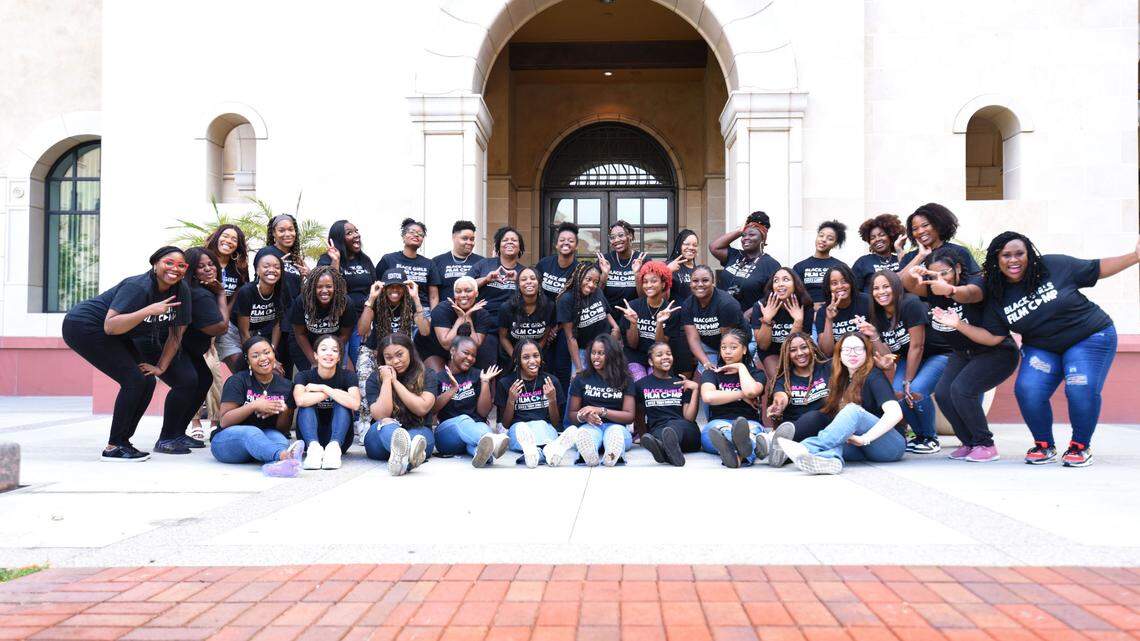
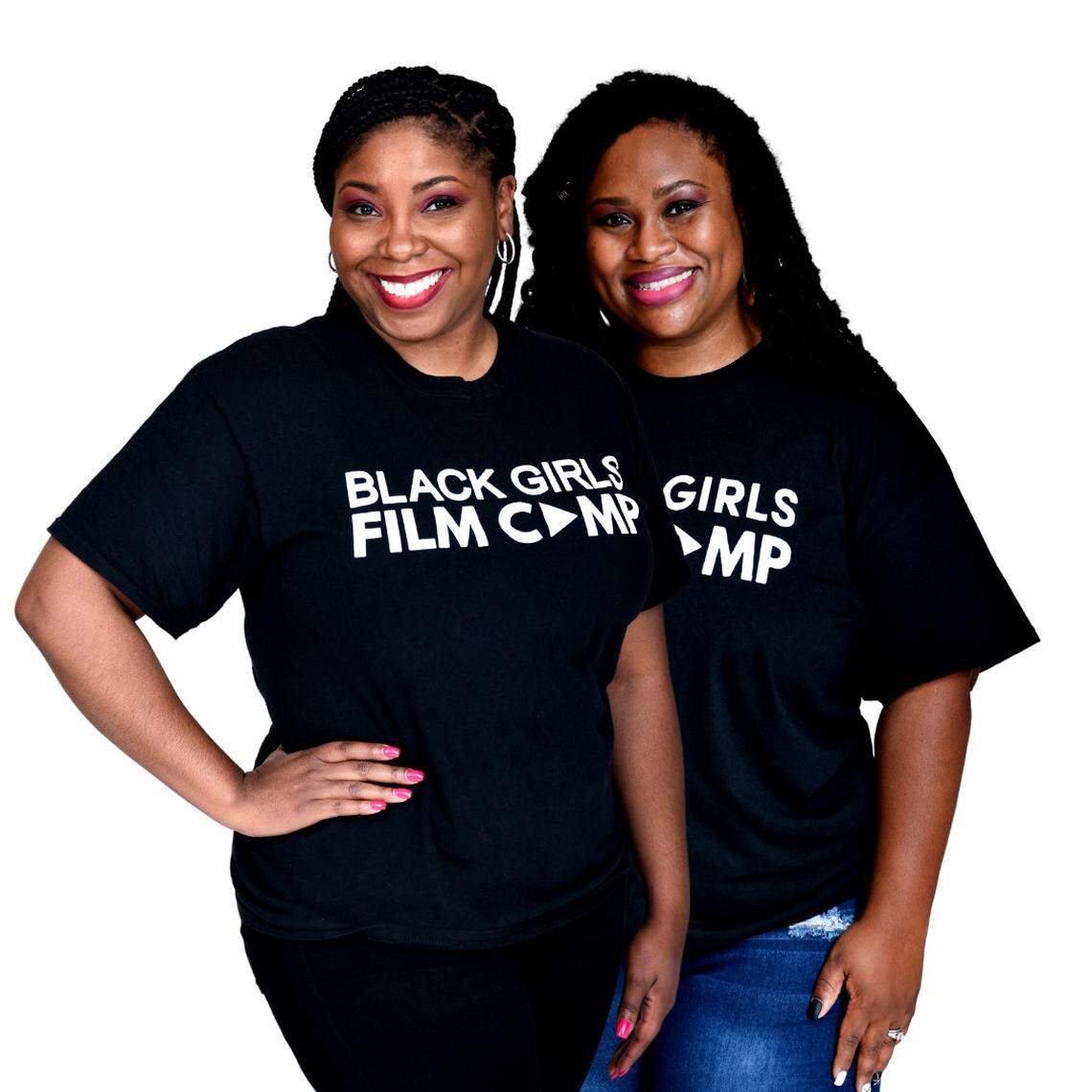
In 2020, Anderson and fellow UNC Greensboro alum Sierra Davis created Black Girls Film Camp, a free 12-week virtual experience for high school age Black girls that provides access for the next generation of filmmakers.
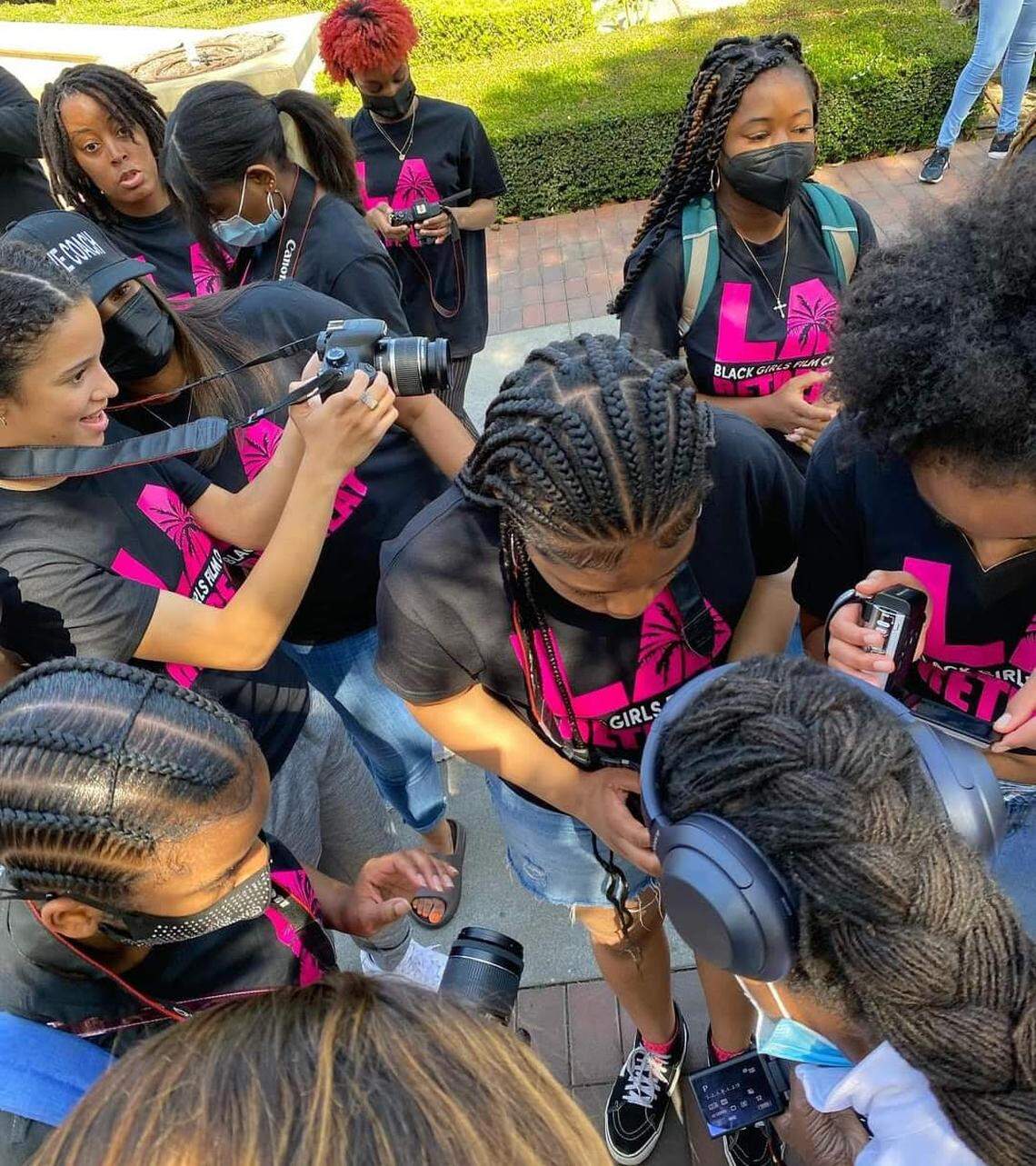
In addition to training and mentorship from accomplished Black women creatives and scholars, participants receive free technology and software. And they travel to Los Angeles for a weekend retreat where they participate in workshops and networking opportunities.
Last spring, the retreat was held at the University of Southern California in partnership with the USC Annenberg School of Communication and Journalism.
Throughout the program, students direct and develop their own short films.
This experience comes at an estimated cost per camper of $10,000, which is offset by sponsors and community partners including Beats by Dre, Final Draft, Ms. Foundation for Women, United Talent Agency, The Arts and Science Council and UNC Charlotte, among others.
Impact of COVID
The camp was initially intended as an in-person offering, but the onset of COVID forced the move to a virtual program. In the end, though, Anderson sees this as a silver lining.
“(COVID) really did transition this to becoming something more than what we could imagine because going virtual allowed all these industry filmmakers to be able to just come sit and talk to us,” Anderson said. “That really flipped the structure and the access that we had.”
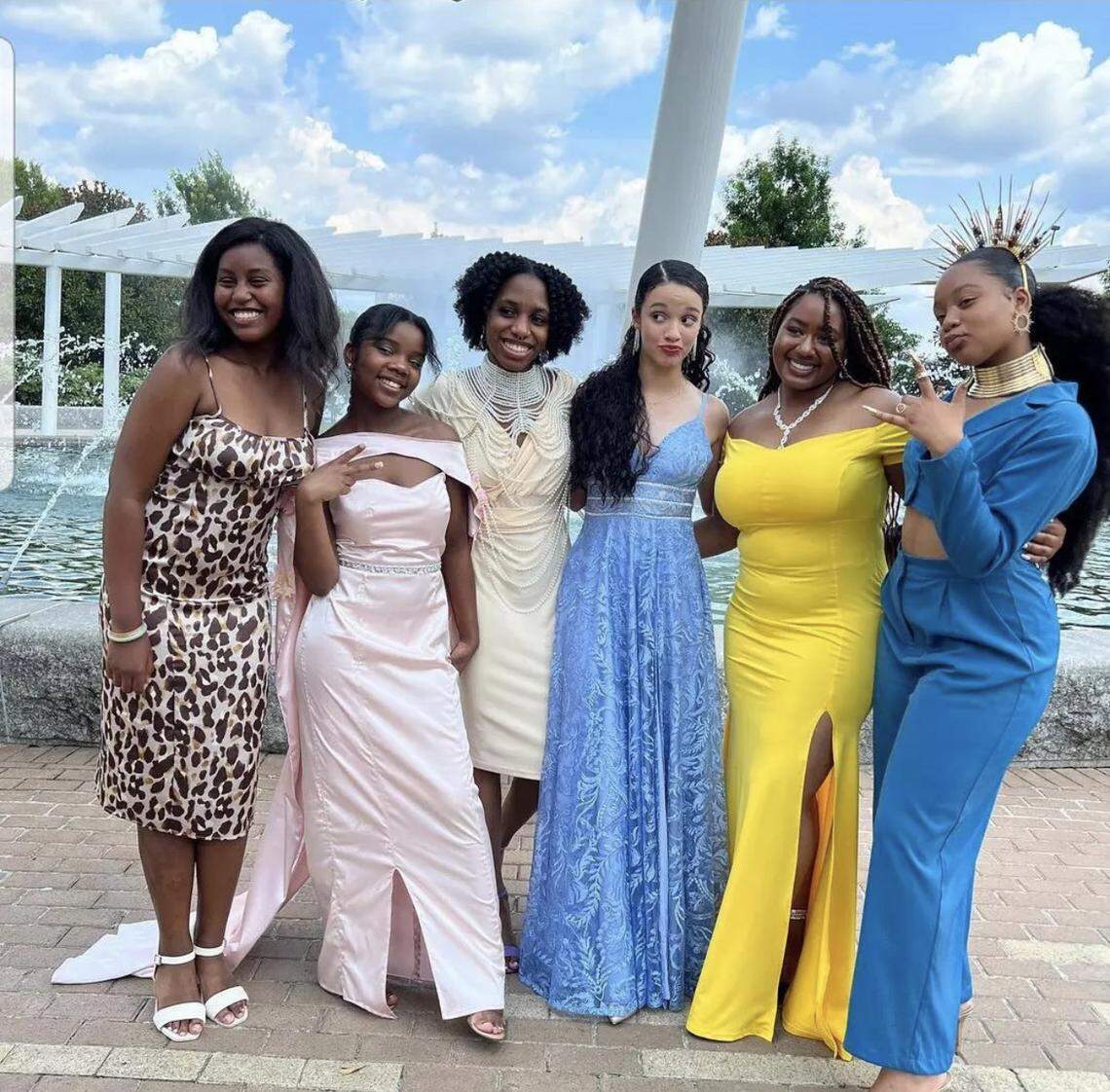
The first year, all 10 students were from the greater Charlotte area. But after word spread about Anderson and Davis’ inaugural effort, national interest grew.
The program was featured on Good Morning America last year, for instance, as well as the Tavis Smiley podcast and other outlets.
The co-founders decided to embrace their online model. They established Black Girls Film Camp as a nonprofit organization and opened their application up nationally.
Within weeks they received over 200 applications from girls across the country and after the application closed, they had a list of almost 1,000 interested applicants.
This year the numbers have continued to grow, but the founders remain committed to keeping their annual group capped at 10 girls. They also are thinking strategically on how to scale up their program so it can reach the next Ava DuVernay or Issa Rae.
For Anderson, whose doctoral work focused on media literacy and urban education, developing a community-based curriculum is a logical next step.
“We want communities to be able to do cinema clubs with films from the Black Girls Film Camp, and to include activities to learn more about the film industry and to unpack some of the stories that the girls have shared in their films,” she said.
“We’re also thinking about opening video content for other Black girls to watch and learn from those that have come and spoke at the camp to extend access.”
A true ‘creative partnership’
Self-described as a youth community programmer, Anderson spent her early career deeply embedded with local youth.
That included holding posts with the YWCA, Charlotte Mecklenburg Public Library and ImaginOn before starting her own organization, I Am Not The Media, whose mission is to equip and empower teens with the skills to be critical consumers of media.
Davis’ background in finance and logistics makes her well-suited to manage Black Girls Film Camp’s internal operations and focus on how to sustain their program’s model to reach their target demographic.
Another important element to the pair’s success? Their creative synergy — two decades in the making — which helps them dream big for their organization.
As college students, they collaborated on a host of creative projects, from co-authoring books of poetry to hosting events. Davis, also the owner of By Design Event, a Charlotte-based event company, describes their working style as a true “creative partnership.”
What’s next for Black Girls Film Camp?
Up next for Black Girls Film Camp: Mini camps, which will allow for a truncated camp experience, are planned for a summer launch.
The organization also is continuing to partner with film festivals (like the Bentonville Film Festival in Arkansas and California’s Mill Valley Film Festival) while hosting community screenings followed by Q&A sessions, including at Georgia Tech in February and at Emory University in March.
“The films that come out of this camp, they’re for the world,” Anderson said.
Those subjects include relationships with friends and family, as well as issues that touch on race, gender and identity, and other perennial teen concerns.
This year’s Black Girls Film Camp will culminate in a final public screening June 9 and 10 at Blumenthal Performing Arts Center. Additional details are pending.
“Our goal is to grow strong relationships with organizations and entities that can help disseminate the films so they can reach a larger audience,” Anderson said. “We’re continuing to build partnerships with those who are allies in this work and want to share the important stories and narratives of young Black girls with their audience and their networks.”
For instance, the group just solidified a partnership with Vanderbilt University, and continues to work with corporations to help underwrite the program.
The mission of Black Girls Film Camp, “to cultivate the next generation of filmmakers, from script to screen,” dovetails nicely with the words of filmmaker DuVernay.
Speaking at the seventh annual Black Women in Hollywood Luncheon in 2020, she said, “I’m interested in the lives of Black folk as the subject. Not the predicate, not the tangent. These stories deserve to be told — not as sociology, not as spectacle, not as a singular event that happens every so often — but regularly and purposefully as truth and as art on an ongoing basis.”
Anderson and Davis, along with staff and supporters of Black Girls Film Camp, are making that happen one camper at a time.
How to apply to the 2024 camp
Black Girls Film Camp runs from March 11-June 10. This year’s application period is closed, but next year’s applications will be available this fall. You can go to the group’s website for updated, at blackgirlsfilmcamp.com/.
More arts coverage
Want to see more stories like this? Sign up here for our free “Inside Charlotte Arts” newsletter: charlotteobserver.com/newsletters. And you can join our Facebook group, “Inside Charlotte Arts,” by going here: facebook.com/groups/insidecharlottearts.
This story was originally published February 22, 2023 at 9:40 AM with the headline "NC friends see their Black Girls Film Camp surge in popularity, as they look to expand."