
New Charlotte Symphony season focuses on the many meanings of home, and America at 250
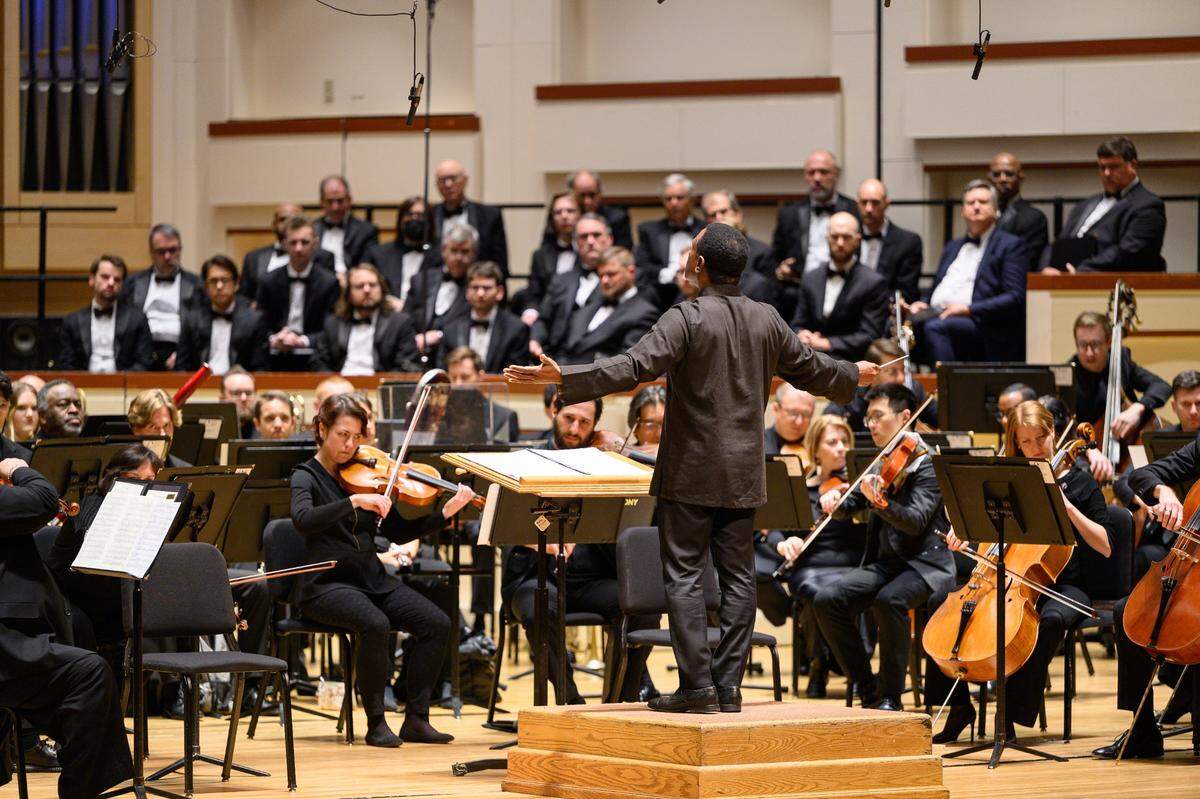
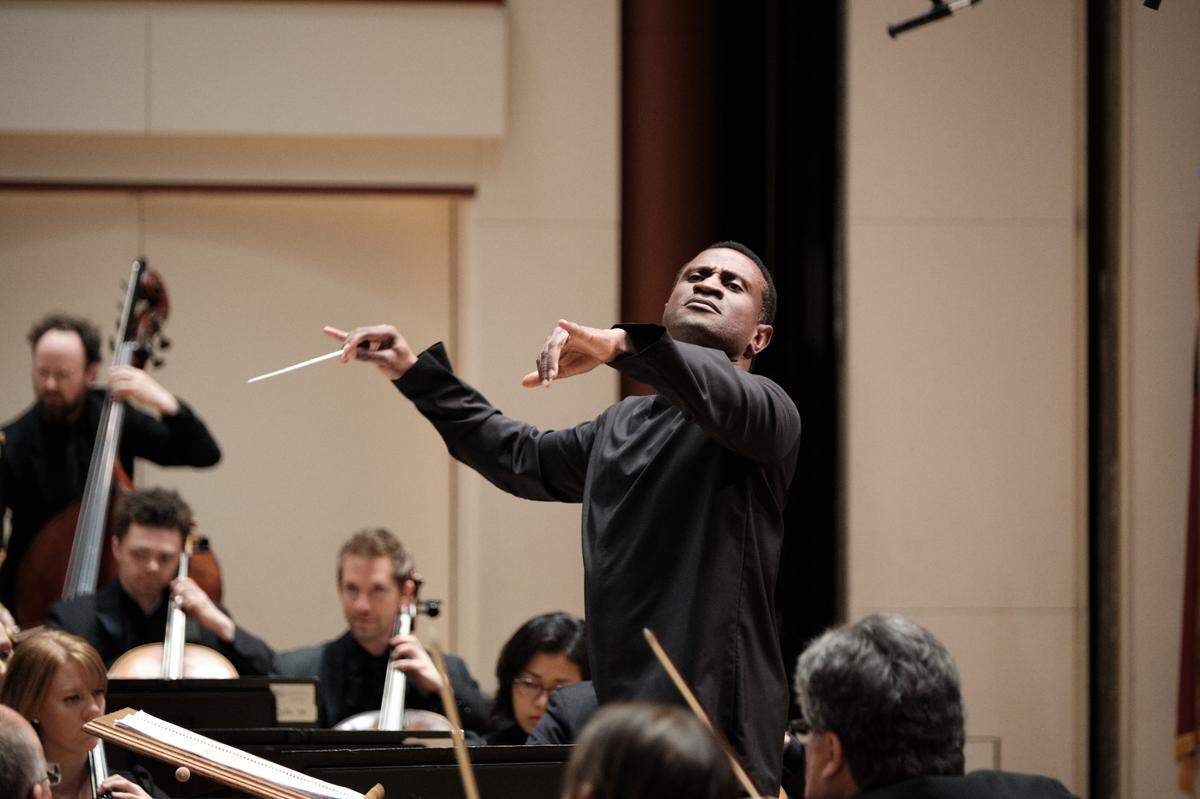
Kwamé Ryan is happily settling into his second full year at home as music director for the Charlotte Symphony. Although for this global citizen, home is not a singular place but an evolving idea — one that’s shaped by geography, culture, tradition and sensory experiences.
“There are many manifestations of home that we interface with in our lives,” said Ryan, a native of Trinidad who calls Germany home now. “Music plays a big role in what makes us feel at home. Even if you’re physically far from home, listening to something familiar can bring you back.”
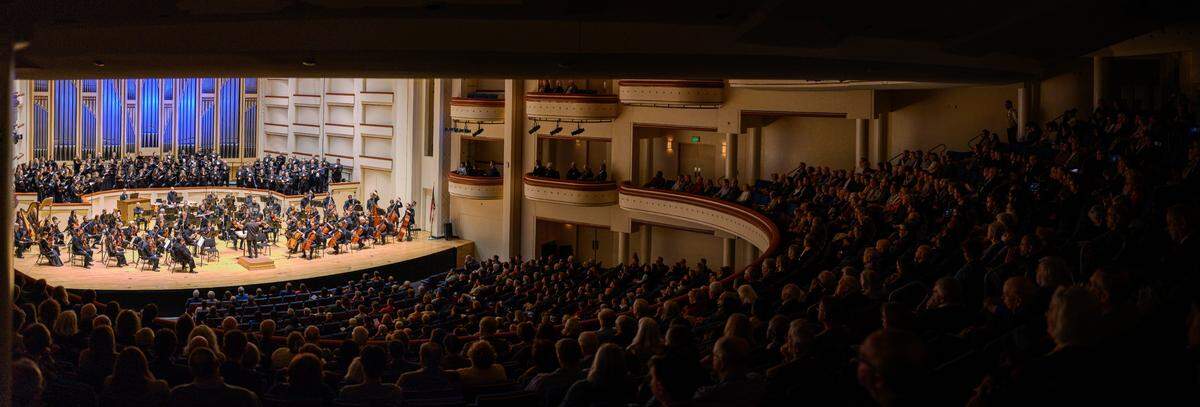
This theme of home is at the heart of the orchestra’s 2025–26 season, which coincides with the 250th anniversary of the United States. The CSO released details of the new season Tuesday morning.
Through a diverse range in its repertoire, the orchestra explores how composers from different backgrounds have expressed their sense of home. From Dvořák’s New World Symphony, written during his time in the U.S., to Copland’s Appalachian Spring, which captures the rural American experience, the season presents home as both a personal and collective journey.
A particularly poignant moment will come in May 2026, when the orchestra performs Gabriel Kahane’s Emergency Shelter Intake Form featuring a choir of community members directly impacted by homelessness and housing insecurity.
“A birthday is an opportunity to take stock,” Ryan said, referencing the country’s upcoming 250th. The programming that marks the 94th season of the Charlotte Symphony invites audiences to reflect on what home means, not just to themselves but to society as a whole.
Building a musical home with the orchestra
A conductor does not merely lead an ensemble—he or she also shapes its artistic identity.
For Ryan, the Charlotte Symphony represents more than a collection of musicians; it’s a place where people gather. “One of the key perks of this role is that you get to define what your musical home is with the ensemble,” he said. “And like any home, part of that is taking into account what the other people living in the home want.”
This philosophy is reflected in the season’s programming, which balances symphonic masterworks with contemporary voices.
The Classical Series begins Oct. 10-11 under Ryan’s baton with Shostakovich’s Symphony No. 5, a piece written under Soviet scrutiny that resonates with themes of resilience and identity.
Other highlights include Beethoven’s iconic Fifth Symphony (Oct. 24-26), the sweeping melodies of Tchaikovsky’s Symphony No. 5 (Feb. 13-14, 2026) and Dvořák’s New World Symphony (March 27-29, 2026). Tchaikovsky also will be featured at the symphony’s annual gala Sept. 18, where maestro Ryan will conduct Symphony No. 1 and the violin concerto featuring prominent American violinist Gil Shaham.
“Revisiting great works is like returning home,” Ryan said. “I think it is very important for an orchestra in terms of its growth and its development to return to things... They say that you learn the most about an experience after the experience is over, and you look back at it.
“So if you have an opportunity to perform a cycle of the symphonies of a great composer like Tchaikovsky, and you know that that’s something that both you and the orchestra are excited about, that’s an opportunity for growth over time.”
Though the music director began his tenure during the 2023-24 season, this is the first in which he has fully been part of the creative curating process.
Music, memory and sensory comfort
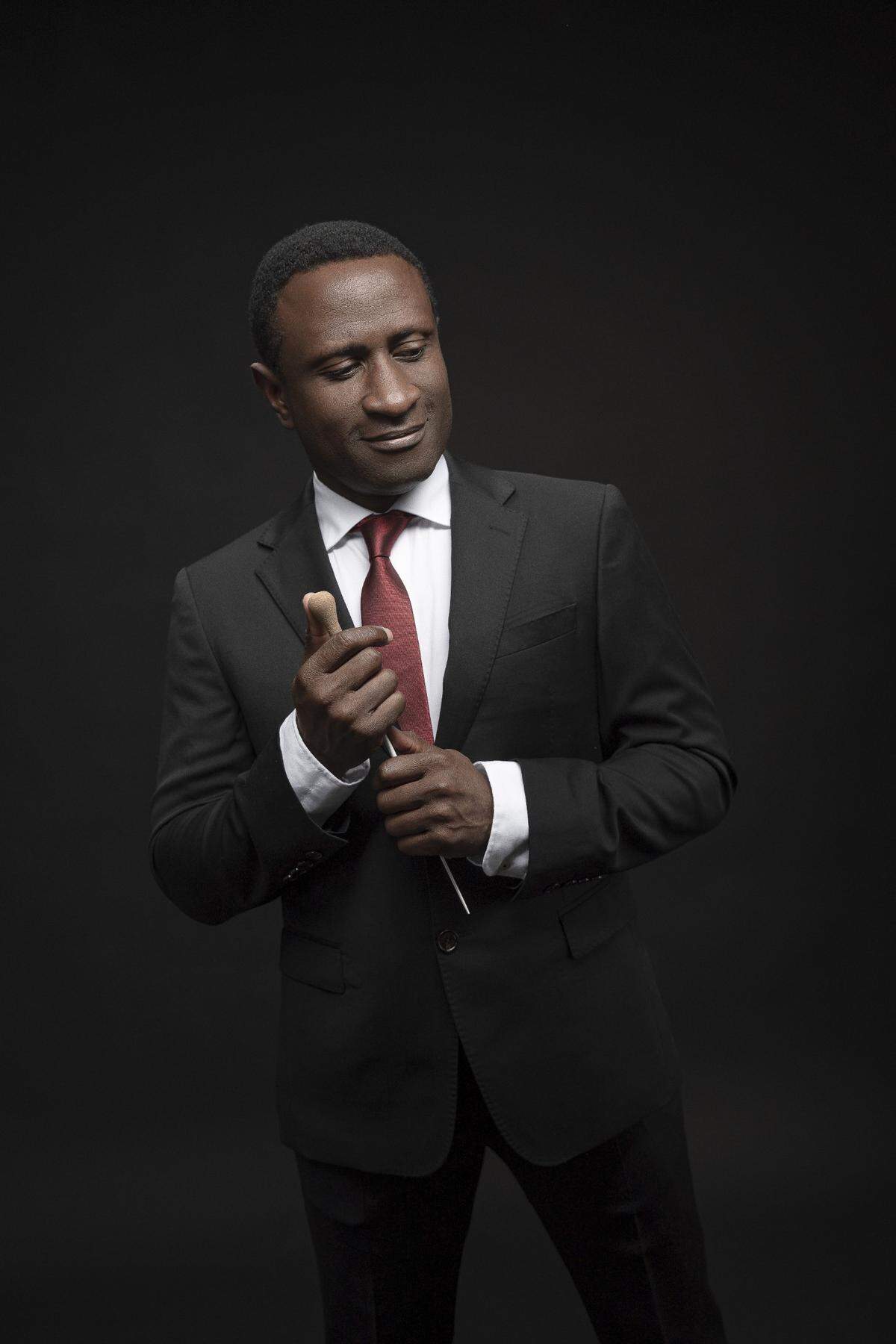
Music has the power to transport. Ryan acknowledged this but offered an unexpected perspective: as a professional musician, he rarely listens to music for comfort.
“Sound is my everyday occupation,” he said. “My inner ear and my physical ear get a lot of activity on a daily basis, so I tend to give myself a break.” Instead, his moments of respite come in silence, reflection and movement.
Still, the idea of sensory memory is embedded throughout the season’s programming.
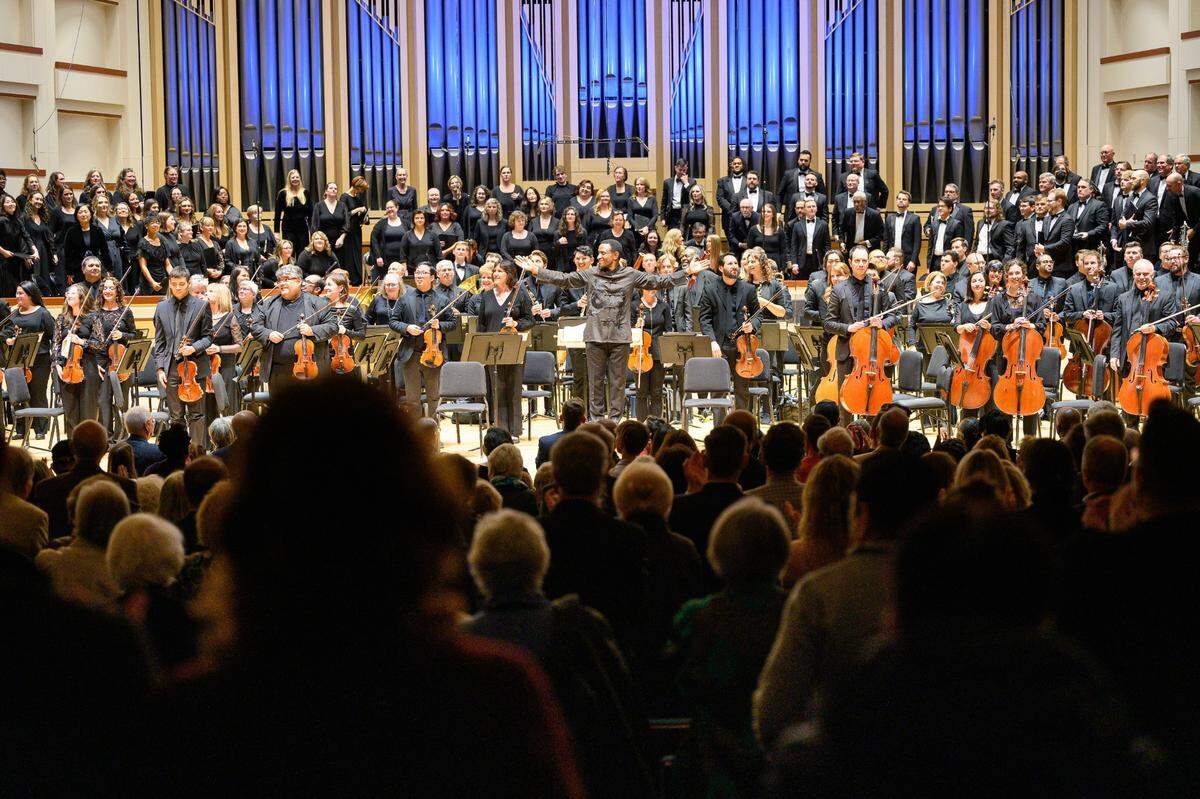
The Pops Series taps into nostalgia, with concerts dedicated to Dolly Parton’s iconic songs (Oct. 17-18) and Motown’s timeless hits (Jan. 23-24, 2026). The Movie Series explores home through film scores, featuring classics like Disney’s “Encanto” (Oct. 3-4), “Home Alone” (Nov. 28-29)and “Black Panther” (June 5-6, 2026).
Even within the Classical Series, familiar motifs recur — melodies that evoke belonging, resilience and cultural memory.
The performance of Ravel’s Boléro on March 6-7, 2026, by resident conductor Christopher James Lees will feature a specially commissioned film showcasing Charlotte’s landscapes, an artistic homage to the Queen City.
Ryan’s careful curatorial approach in concert with the rest of the artistic team ensures that audiences, no matter their background, will find a moment of recognition in the season’s tapestry of sound.
Another highlight is the N.C. premiere of Malek Jandali’s “Clarinet Concerto” is set for March 6-7, 2026. Jandali, a Syrian American, is the composer-in-residence at Queens University of Charlotte.
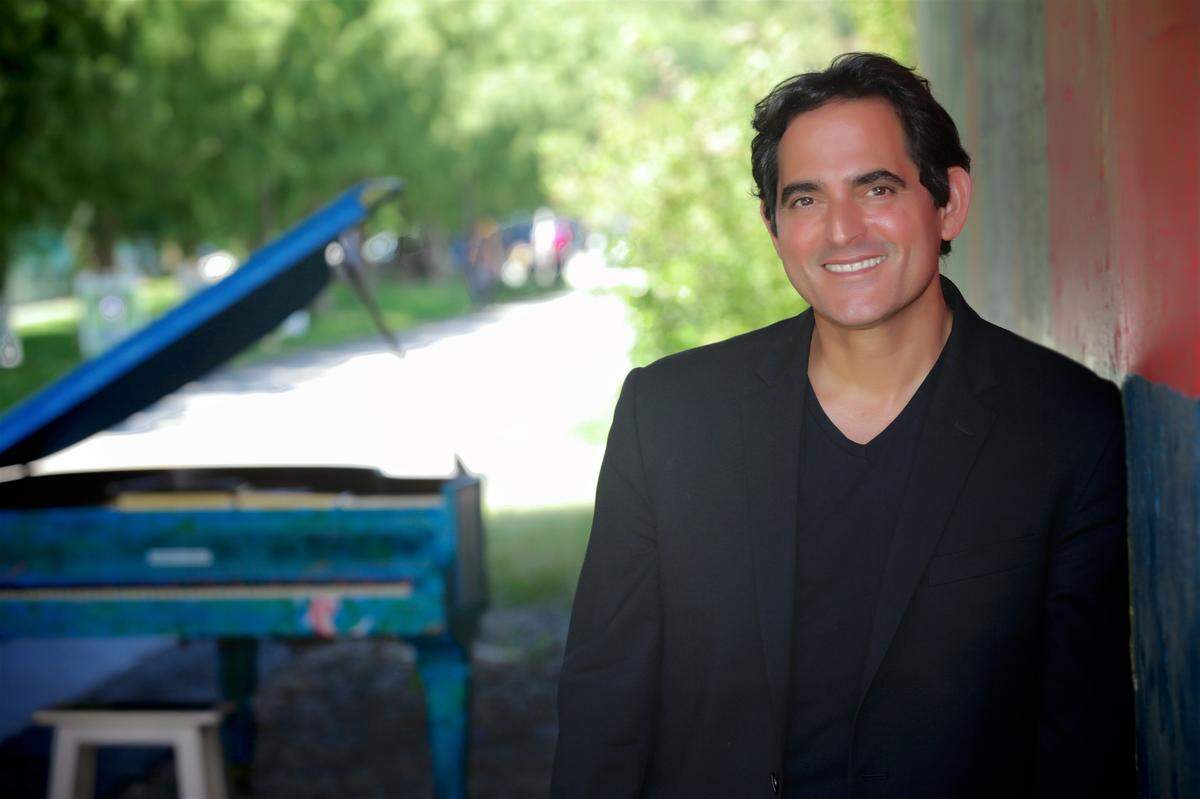
Also next year, the CSO will debut Jennifer Higdon’s Skyline, a musical ode to Atlanta’s built environment, during the CLassical Series finale May 15-16. When grouped together with programming that features Parton, was there intent to zero in on the South?
“I would say those are happy accidents,” Ryan said. “When you take a theme like we have, you have to hold it gently. It’s like pastry. You don’t want to knead it too long.”
And the CSO Roadshow returns in the 2025–26 season, with 10 performances bringing live symphonic music directly into neighborhoods across the Charlotte region.
Expanding artistic aperture and palate
Ryan’s curiosity fuels his approach to programming.
The orchestra’s new CSO Spotlight Series embodies this idea by dedicating the season to a singular artistic voice: composer and singer-songwriter Gabriel Kahane.
Over multiple performances, the audience will discover Kahane’s artistic range, from his song cycle “Pattern of the Rail” to the season-closing “Emergency Shelter Intake Form” — an oratorio lauded for its incisive narrative.
Ryan first encountered Kahane during their work together at the BBC in London in 2014, and was struck by the composer’s intellectual depth and perceptive social commentary. What makes Kahane exceptional, according to Ryan, is his versatility. He moves effortlessly between his identity as a songwriter and his symphonic capabilities.
Coming from a strong musical lineage (his father is the renowned conductor Jeffrey Kahane), Gabriel Kahane continues the tradition of composer-performers like Schubert and Schumann, but with a contemporary voice.
The series is designed to gradually reveal different dimensions of Kahane’s artistry, Ryan said, beginning with more intimate performances and culminating in a major oratorial work. He believes this journey from popular sensibilities to refined classical expressions will be a transformative experience for both the orchestra and its audience.
“As a songwriter he’s able to encapsulate pertinent, but also poetic thoughts using words,” Ryan said. “And most composers that one would present with a symphony orchestra are only using the medium of music, and are certainly not singing their own music themselves on stage.”
“So getting the actual composer to perform on stage with his voice and his words, brings a fine point to this season that is all about looking at 250 years of America. We wanted it to be a celebration, but also an observation.”
The Renaissance conductor: Mind, body, spirit
A musician’s artistry is not confined to rehearsal rooms and concert halls.
And that’s certainly the case with Ryan, for whom the craft of conducting is a holistic endeavor, requiring intellectual engagement, physical endurance, and emotional balance.
“You have to be prepared mentally, physically and emotionally for the energy you bring to the orchestra,” he said.
That preparation extends far beyond the podium.
“I’ve really intensified my fitness regime because this season is going to be much denser than before,” Ryan said. Strength and flexibility training, yoga and meditation form the foundation of his routine.
“Strength and stretching are the foundations of well-being for most humans,” he added. “Apart from good nutrition, which I do my best with. I’m not great with it.”
Ryan recently revisited Robert Harris’ “Imperium” to deepen his understanding of the historical themes embedded in an upcoming concert’s repertoire, the recent U.S. premiere of “The Downfall of Gaius Verres” by Adam Walters. Ryan’s interests also align with his approach to conducting, where he’s seeking not just technical precision but a deeper connection to the themes and stories behind the music.
“It’s background research,” he said. “But I’m doing it recreationally because it’s such a good story,” he said.
This dual engagement — with music as work and passion — is what makes Ryan more than a conductor. He is a storyteller, an interpreter and a philosopher of sound.
And as he takes the podium again, Ryan is not just leading an orchestra. He’s inviting audiences into a home, one where music is a living, breathing conversation, and where every note, like every individual, has a place.
The Charlotte Symphony’s 94th season
For more details about the new season, dates and tickets, go to charlottesymphony.org.
More arts coverage
Want to see more stories like this? Sign up here for our free, award-winning “Inside Charlotte Arts” newsletter: charlotteobserver.com/newsletters. And you can join our Facebook group, “Inside Charlotte Arts,” by going here: facebook.com/groups/insidecharlottearts.
This story was originally published March 11, 2025 at 10:00 AM with the headline "New Charlotte Symphony season focuses on the many meanings of home, and America at 250."