
Ella Fitzgerald, Miles Davis + other jazz icons light up Gantt Center exhibit
There’s a Gordon Parks photo called “Music-That Lordly Power” that exemplifies what visitors can expect when they visit the latest exhibition at the Gantt Center, “Jazz Greats: Classic Photographs from the Bank of America Collection.”
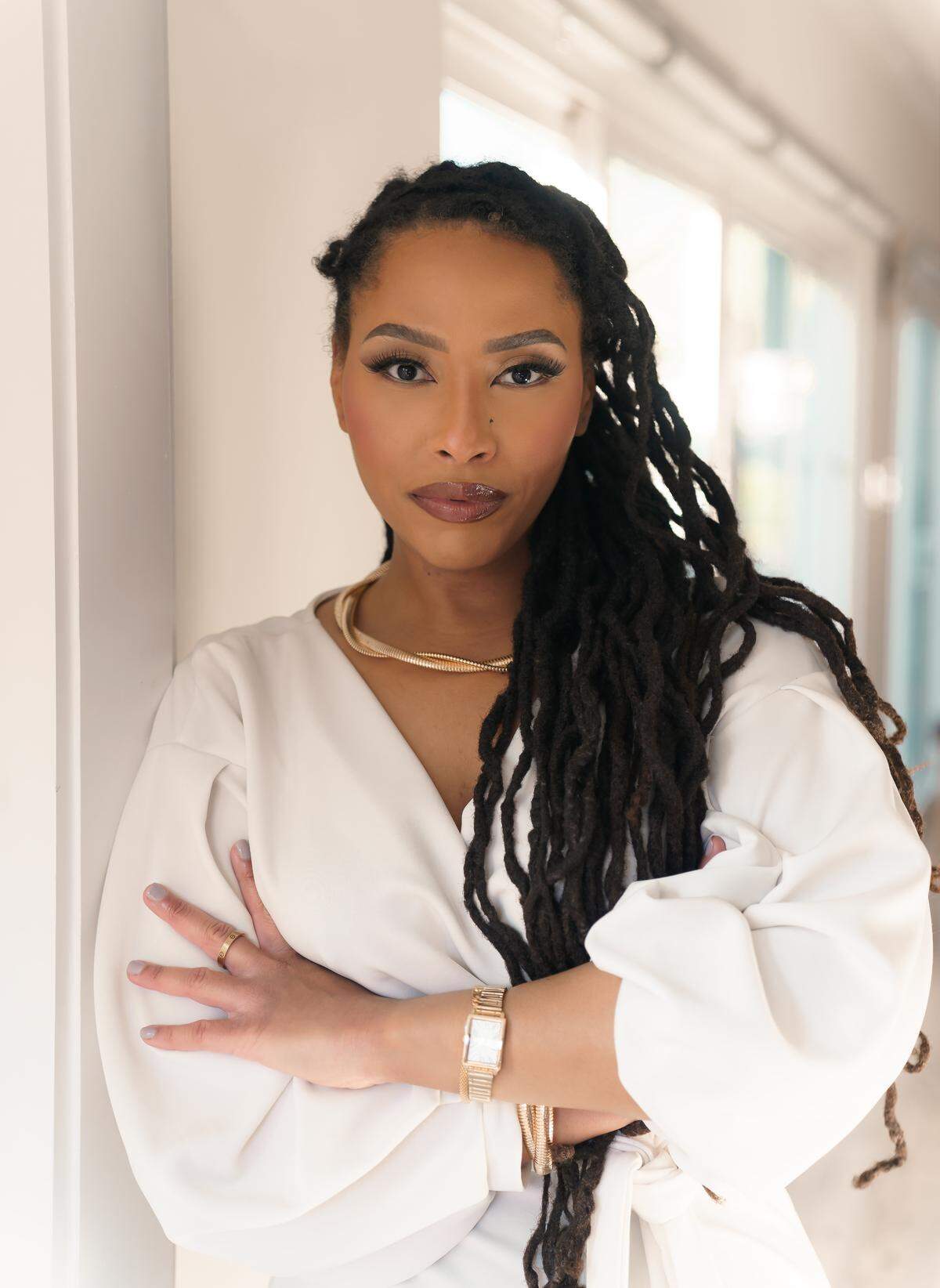
That photo titled “Music-That Lordly Power” also happens to be the favorite photograph in the exhibit for Anita Bateman, vice president of creative direction at the Harvey B. Gantt Center for African-American Arts + Culture.
“It’s an image of a seated couple. There’s a cello in the foreground, and it’s just a very tender image,” she said. “You can almost sense the instrument being activated in the scene while these very two contemplative people are sort of intertwined.”
The exhibition opens Friday, Nov. 7. It features 33 black-and-white images by 15 photographers dating primarily from the 1920s to the 1980s, and will be on view through April 26, 2026.
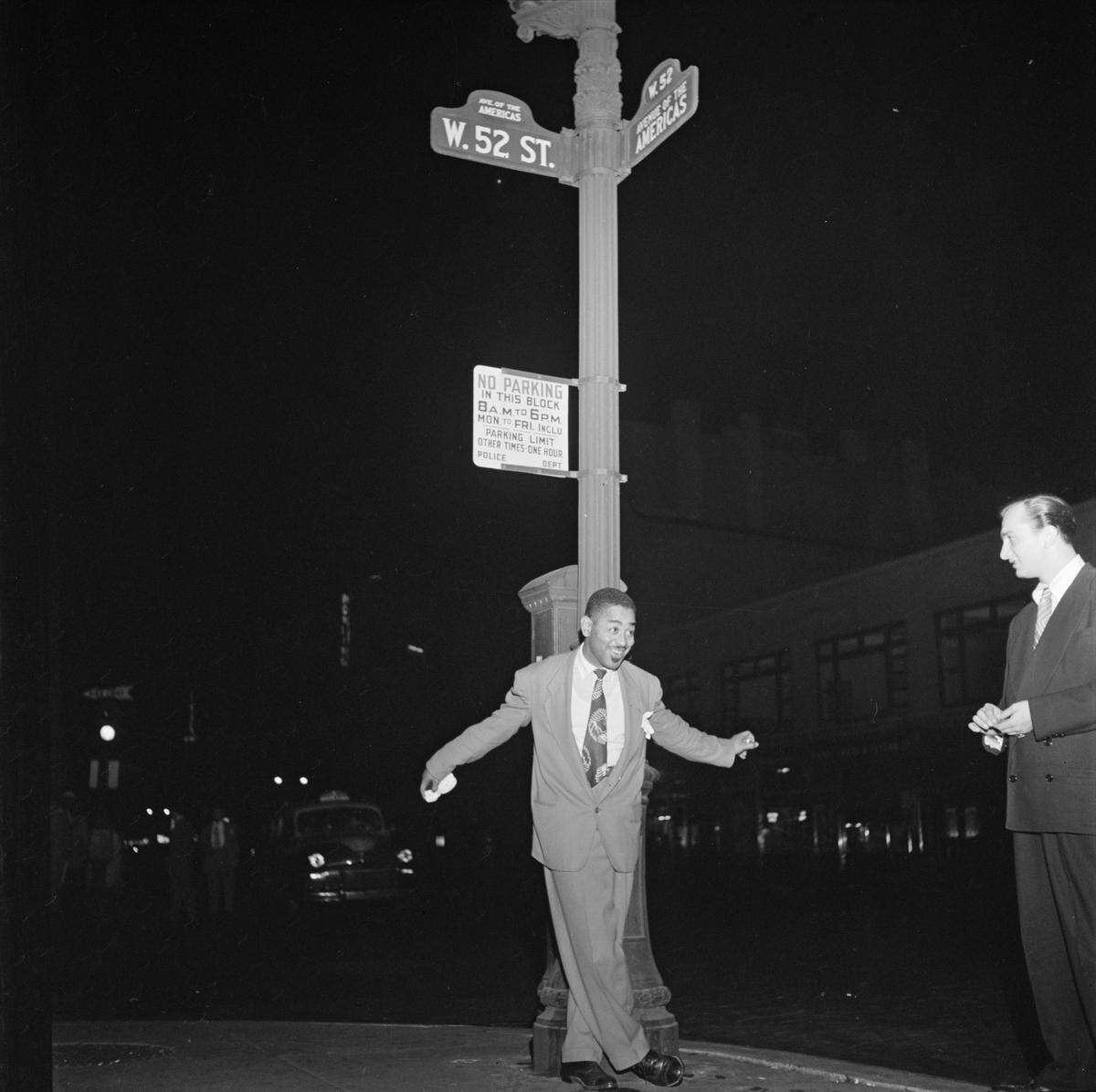
Almost all the photographs in the show are gelatin silver prints made from negative film, the standard of 20th century classical photography. The collection features many luminaries from the worlds of jazz and modern dance but also features casual gatherings at neighborhood venues.
Among the artists captured in the images are Miles Davis, Duke Ellington, Ella Fitzgerald, Billie Holiday, Louis Armstrong, Thelonious Monk and Charlie Parker.
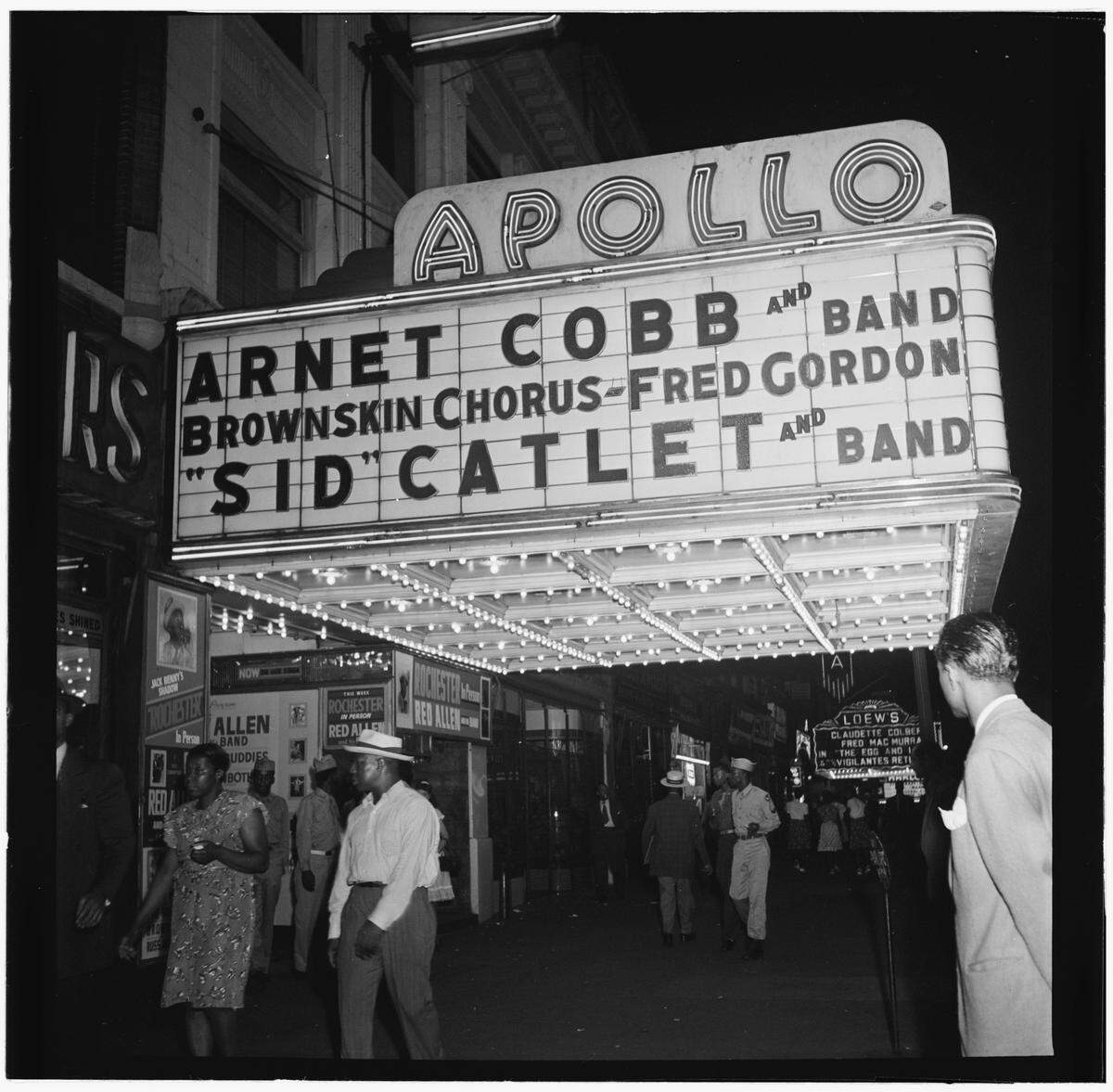
The photographers include William Gottlieb, whose historic jazz photo collection is now at the Library of Congress; Chuck Stewart, a prolific jazz photographer; Milt Hinton, a jazz bassist who documented jazz culture from the inside; and Parks, whose work appears throughout the exhibition.
Referring to her favorite photo, Bateman added, “Gordon Parks – talk about a masterclass of just showing the intricacies of not only Black American life, but in this case, people who are engaged in this particular industry. It’s a very compelling image.”
Elevating jazz’s Southern roots
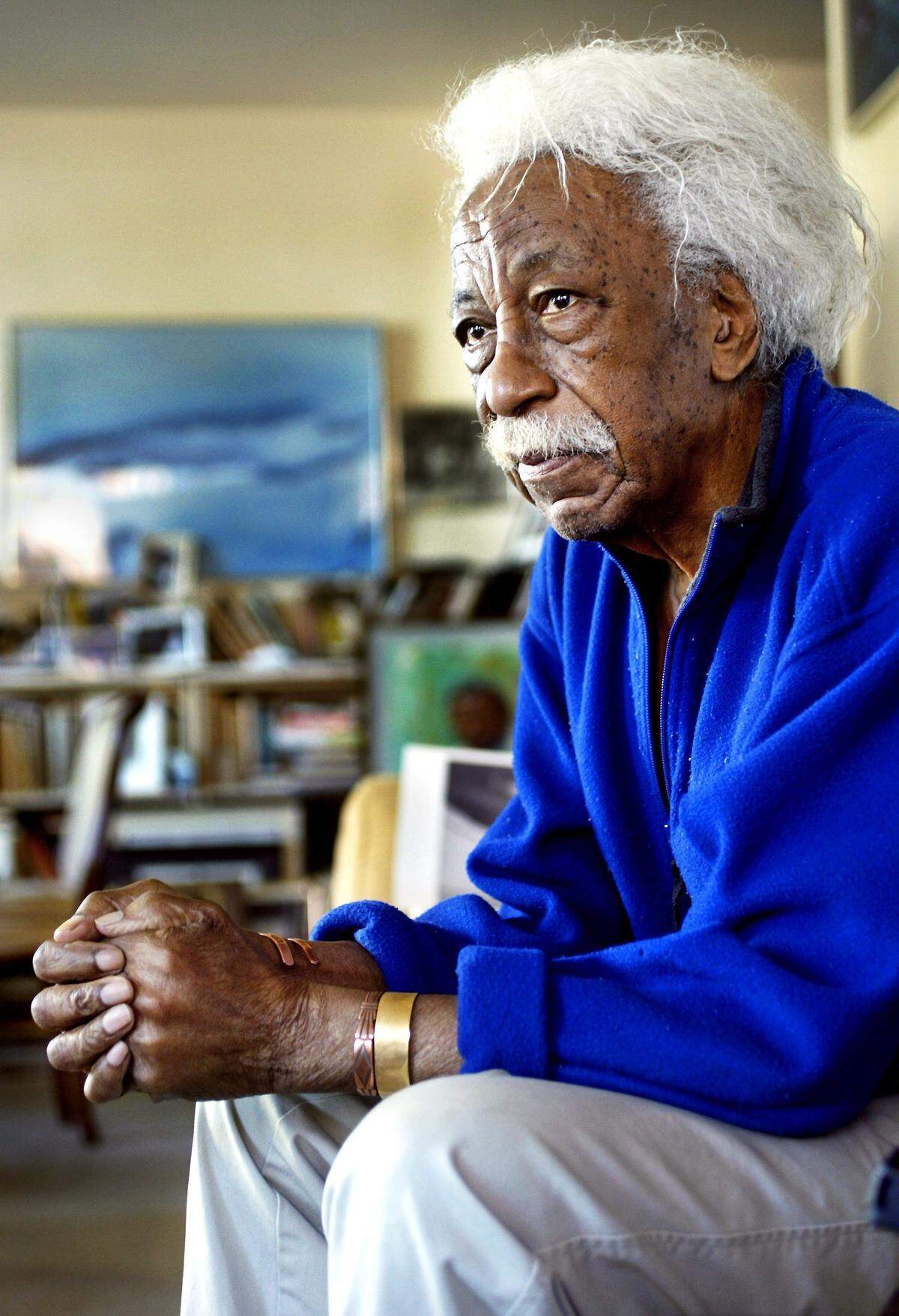
For Mark Anthony Neal, professor of African and African American Studies at Duke University, the exhibition’s location in Charlotte carries particular significance.
“When we think about jazz, we think about cosmopolitan spaces. So we think about every place but the South,” Neal said. “The irony though is that there are so many of the icons of the genre who were born in the South —Coltrane and Thelonious Monk, Nina Simone, just to talk about in North Carolina.”
Neal will be in conversation with Bank of America Curator Jennifer Brown at an opening celebration Friday for the show.
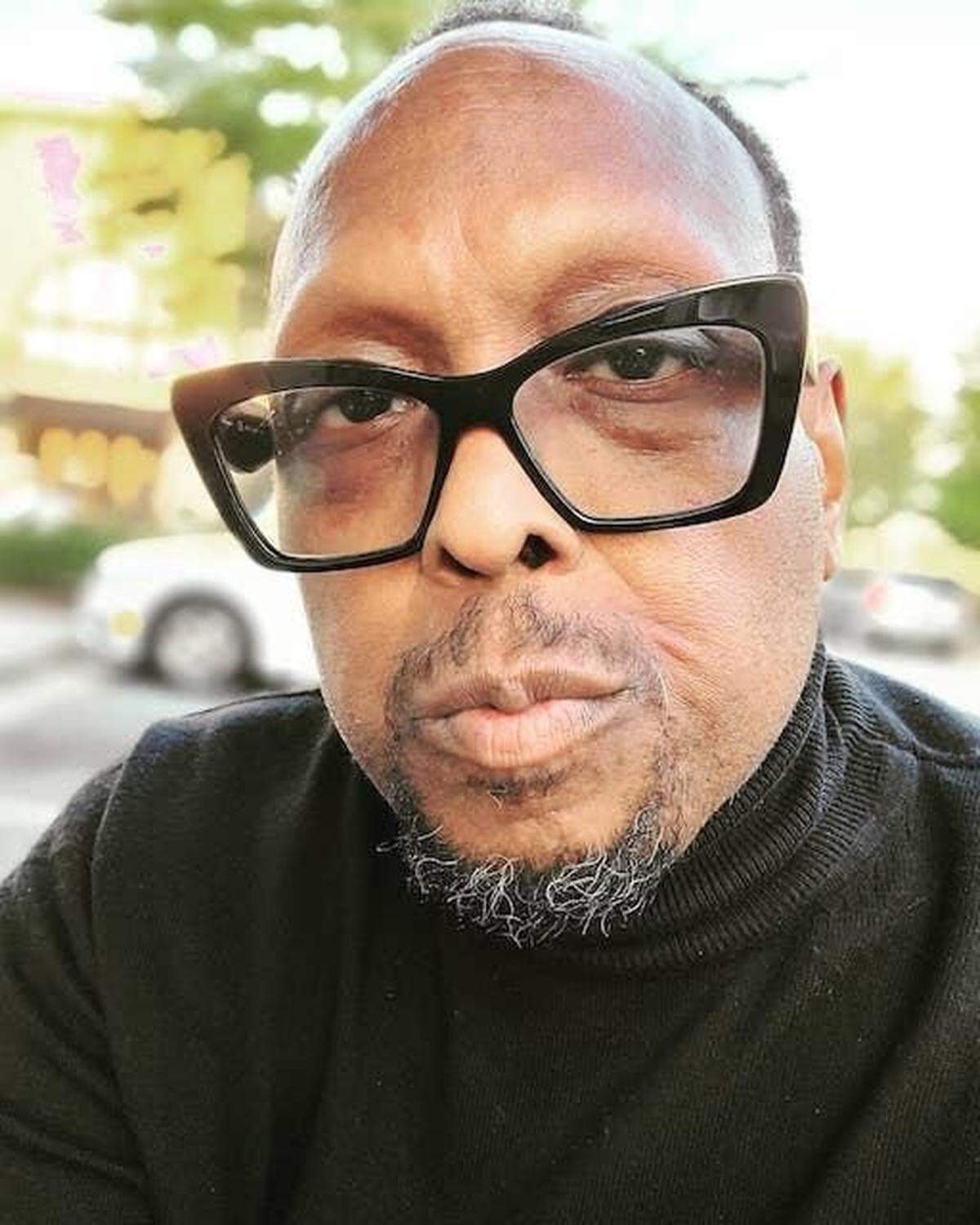
He sees the exhibition as offering “a wonderful opportunity to talk about Black Southern culture, not just in the context of what we recognize Black Southern culture is ... but also to think about what the Black South exported throughout the country. And jazz being one of the great examples of that.”
Bateman echoed this sentiment, noting that while Charlotte isn’t typically considered a “jazz capital,” the city always has been part of the conversation.
“When you think about this idea of sort of Southern vernacular traditions with jazz, with bebop, with even situating it in the Carolinas with Gullah Geechee sort of ring shouts — all of it’s connected,” she said. “I don’t see Charlotte as separate from that conversation.”
The power of photographs
What makes these photographs particularly powerful, according to Neal, is their ability to capture what he calls “a snapshot of what we think about as Black modern culture in a particular moment.
“The attentiveness to style, the attentiveness to beauty — despite all the rhetoric and the stereotypes about jazz as kind of a drug culture, it was ... so much more than that,” Neal said. “The photographs capture the sense of improvisation that’s so deeply embedded in jazz culture.”
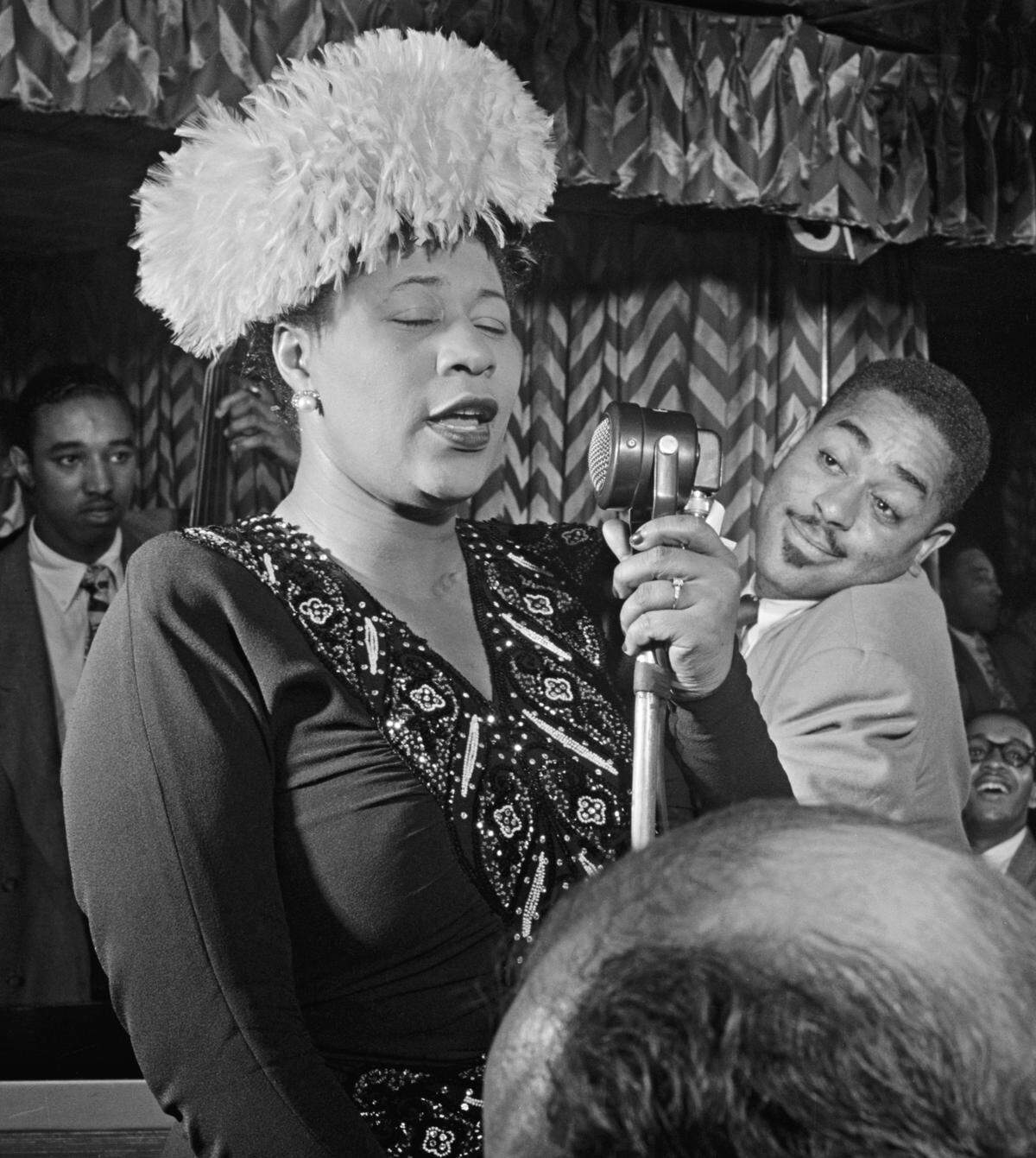
One image that particularly struck Neal is William Gottlieb’s 1947 photograph of Ella Fitzgerald with Dizzy Gillespie, Ray Brown, and Milt Jackson at Downbeat in New York. Fitzgerald stands at the center while Gillespie gazes at her, flanked by other musicians.
“It does highlight particularly for that generation of vocalists — folks like Abbey Lincoln and Sarah Vaughan who saw themselves and demanded that band leaders saw them as musicians,” Neal said.
“They weren’t just pretty faces. And that particularly works with someone like Ella Fitzgerald because, not that she wasn’t attractive and beautiful, but that she wasn’t the idealized image of the jazz singer. They were in awe of her in that photo because of her musicianship.
“She held their attention because of her musicianship.”
A refuge from information overload
In an era of constant digital stimulation and fractured attention, Bateman hopes the exhibition will offer visitors something increasingly rare: stillness.
“I feel like there is somatic overload in terms of the information we’re being subjected to on a daily basis, and that’s voluntary and involuntary,” she said. “With art, there’s always a choice. You choose to come through the doors, you choose to have this experience, you choose to be in the presence of these works.”
The exhibition will also feature a curated soundtrack created by ethnomusicologist Flash Gordon Parks (a fitting name given Gordon Parks’ work in the show), featuring music by the artists in the photographs. Visitors might see a Gillespie photograph while hearing him play, or view an image of Monk while hearing his piano work.
“Having that stillness be not only conveyed, but sort of expected when you walk into the space is something that’s really powerful,” Bateman said. “Especially because people theoretically haven’t seen any of the works in the show.
“So they would be having this new experience and then in real time being implicitly asked to reflect on what they’re seeing — but only to the extent in which they want to. You don’t necessarily have to take a picture of an image you find compelling.
“Just entering into the space and appreciating what you’re seeing is something that I think is sorely needed.”
For Neal, whose scholarship explores Black cultural memory and ephemera, the exhibition also raises important questions about preservation and access to Black cultural artifacts.
“I think local Black communities, artists, institutions, folks who have personal art collections — I think we on a local level have to commit to curating the archives that we have access to ... and making sure they’re available to the widest public possible.”
Bank of America and art
This exhibition is presented through Bank of America’s Art in Our Communities program, which loans complete exhibitions at no cost to museums and nonprofit galleries. Since launching in 2008, Charlotte-based Bank of America has loaned its exhibitions over 175 times to cultural institutions around the world.
Throughout the exhibition’s run, the Gantt Center will present public programs, educational initiatives, school partnerships, and live music performances.
At the Gantt Center
Jazz Greats: Classic Photographs from the Bank of America Collection will be on view at the Harvey B. Gantt Center for African-American Arts + Culture, 551 South Tryon St., Charlotte, from Nov. 7 through April 26, 2026.
Opening celebration Friday, Nov. 7, from 6:30-9:30 p.m. featuring music from Braxton Bateman and a panel discussion beginning at 7 p.m. Free and open to the public with an RSVP.
More arts coverage
Want to see more stories like this? Sign up here for our free, award-winning “Inside Charlotte Arts” newsletter: charlotteobserver.com/newsletters. You can join our Facebook group, “Inside Charlotte Arts,” by going here: facebook.com/groups/insidecharlottearts. And all of our 2025-26 Fall Arts Guide story can be found here: charlotteobserver.com/topics/charlotte-fall-arts-guide.
This story was originally published November 5, 2025 at 9:26 AM with the headline "Ella Fitzgerald, Miles Davis + other jazz icons light up Gantt Center exhibit."