
Broadway star visits Charlotte. Ask him how a Shakespeare villain is like the Grinch
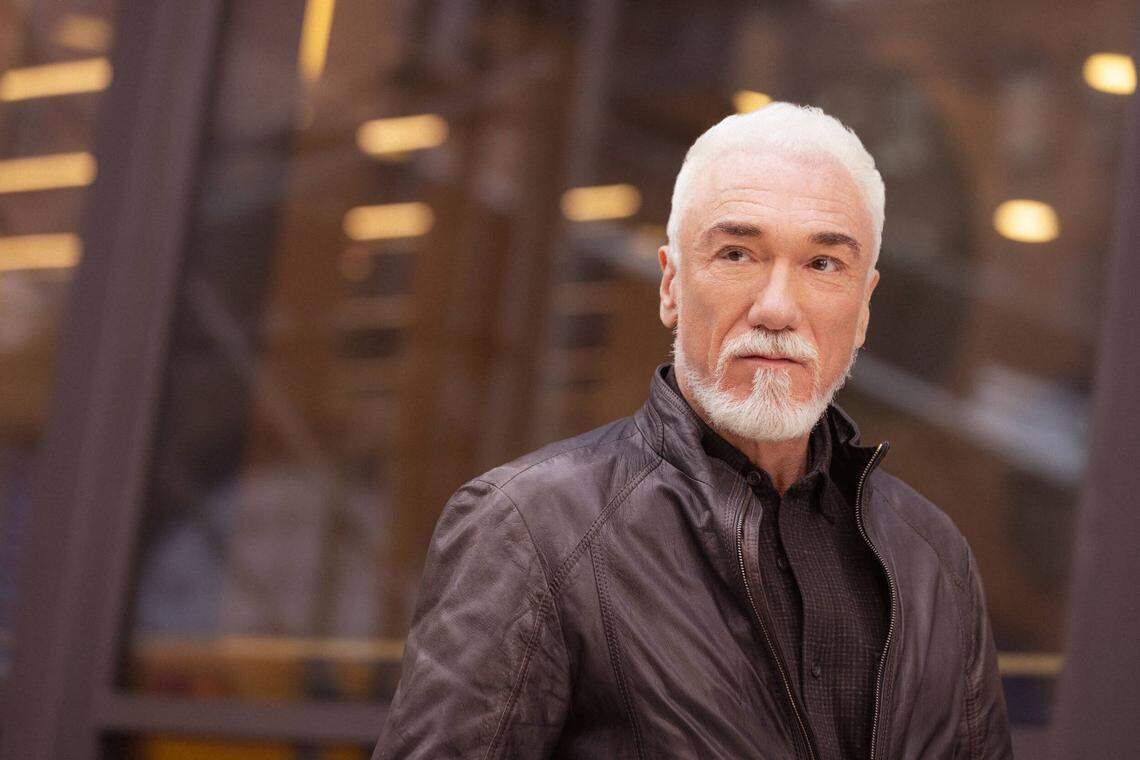
Broadway star Patrick Page has a thing for villains. And Shakespeare. And connecting the two.
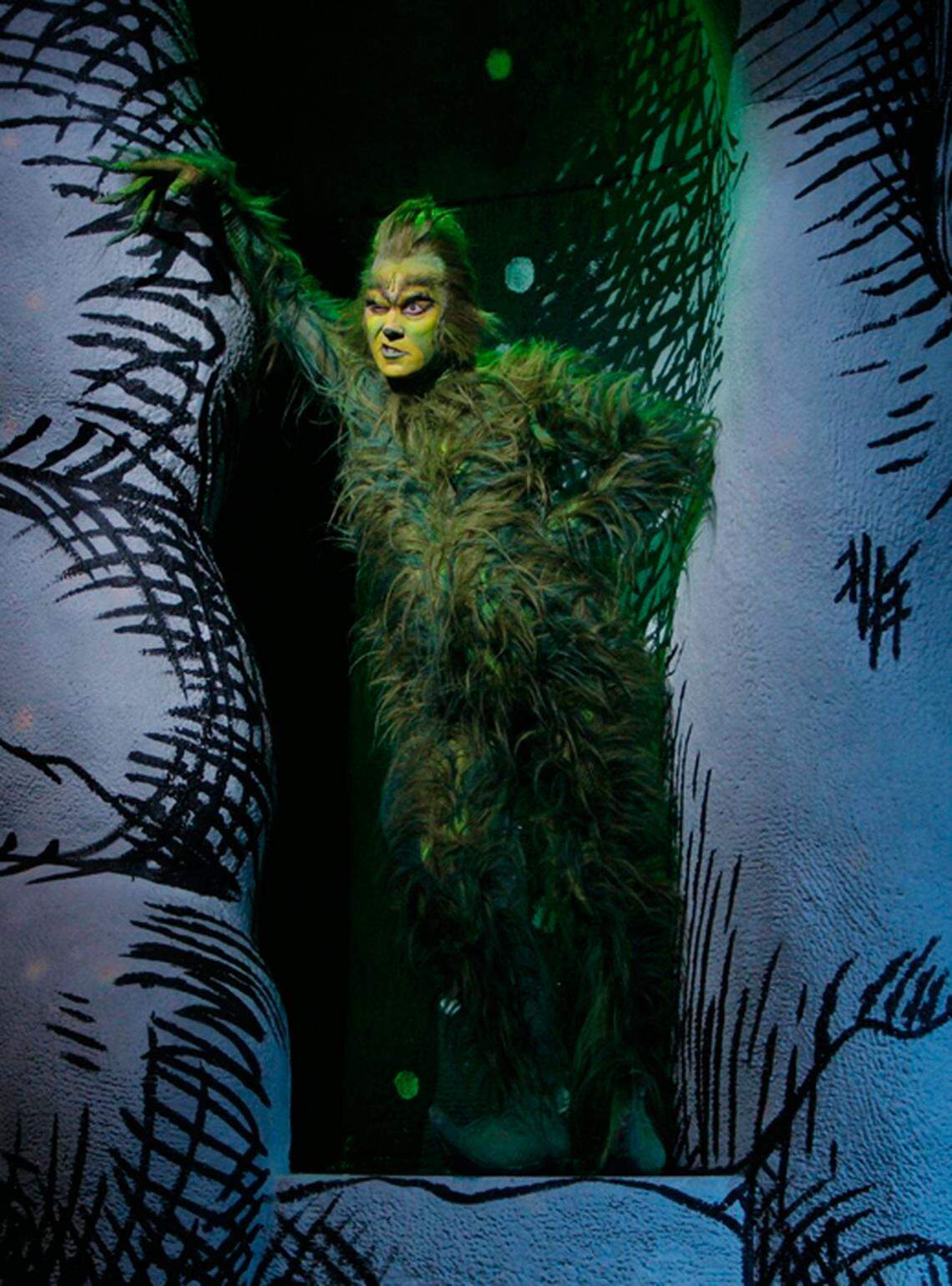
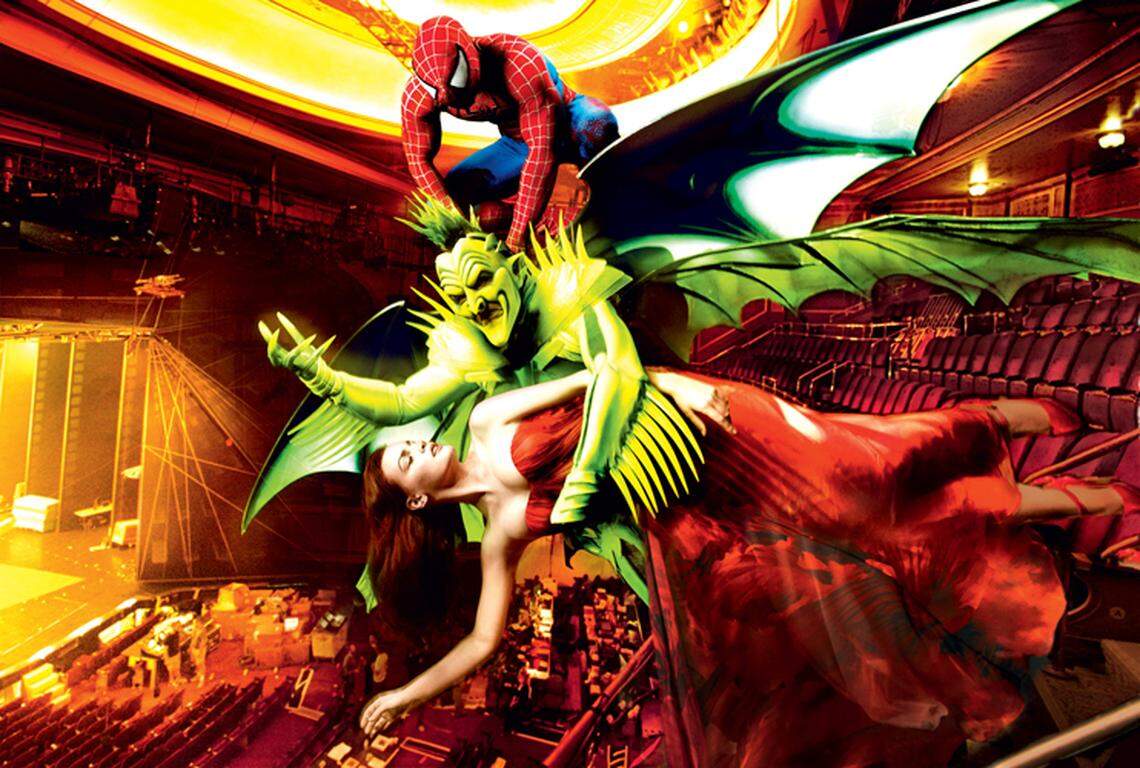
With his silky, deep rumbling voice, Page has played Scar in “The Lion King,” the Green Goblin in “Spider-Man: Turn Off the Dark,” Hades in “Hadestown” (which earned him a Tony nomination, as did his co-star, Charlotte’s own Eva Noblezada) and the title role in “Dr. Seuss’ How the Grinch Stole Christmas!”, to name just a few stage roles. And TV audiences may recognize him as Mr. Clay on “The Gilded Age,” the assistant to robber baron George Russell.
But his heart belongs to the Bard of Avon. Page has performed in 26 Shakespeare plays, performing in roles such as King Lear, Iago, Macbeth, Hamlet, Oberon, Prospero and Richard III.
And Page is preparing to take on his 27th Shakespeare play in the title role for “Titus Andronicus” off-Broadway this spring. He also has a popular one-man show, “All the Devils are Here,” about “how Shakespeare invented the villain.”
Before that, he’ll be on the campus of UNC Charlotte, where he’ll perform “Devils” for an invited university audience March 2, and hold masterclasses in acting and musical theater that are open to the public on March 3. (Registration is here.)
The Charlotte Observer recently spoke with the 63-year-old Page while he was in rehearsal for “Titus Andronicus” off-Broadway as well as a new play with his wife Paige Davis that the couple is taking to Arizona. It’s a love story about their relationship, and the title may be “Page and Paige” or “Page by Paige.”
Responses have been lightly edited for clarity and space.
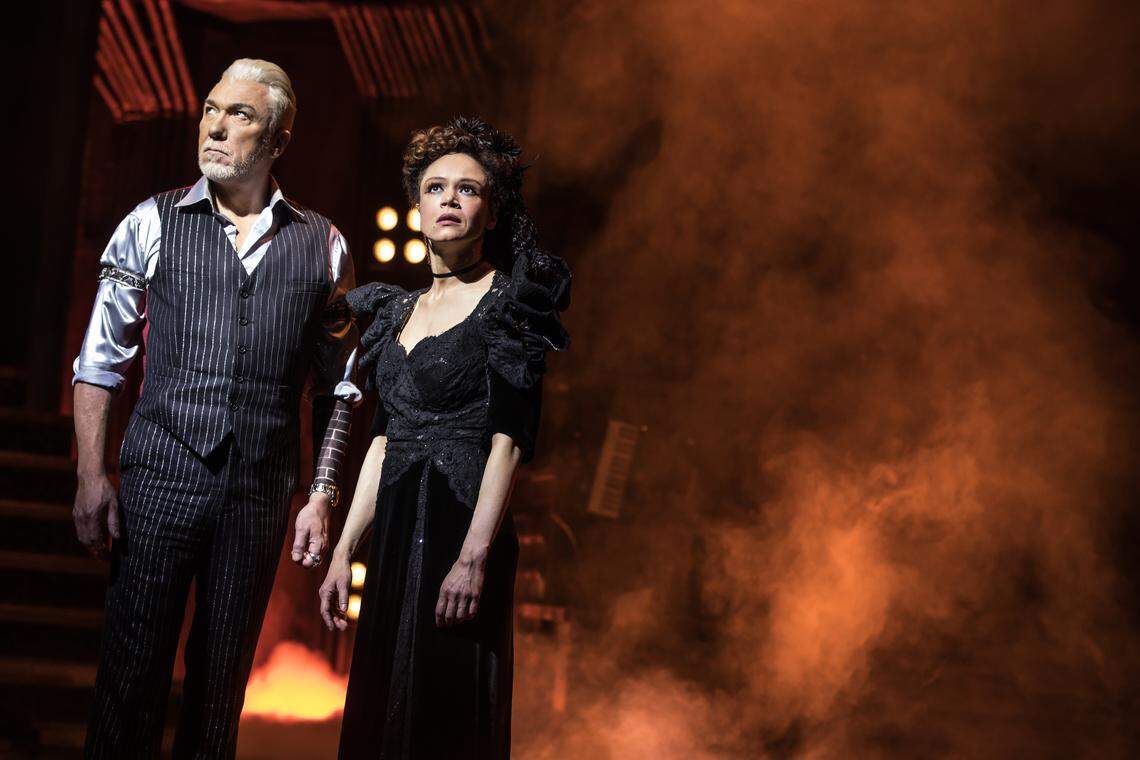
Q&A with Broadway star Patrick Page
On your website, you say you are a servant who serves writers, audiences and burgeoning artists. With you coming down here to UNC Charlotte, could you elaborate on what that means?
Well, I have an acting studio in New York. Usually, when I’m with young people, teaching them, I have that feeling of being in the right place and maybe being somewhat useful. And it’s the same with the show I’m bringing to Charlotte, “All the Devils are Here,” because I think it’s great for people who love Shakespeare. But it’s especially great for those who, for some reason have had bad experiences or no experiences because it’s an overarching view of the playwright over the course of his entire career. We’re all the inheritors of this wonderful, cultural gift. If you’re an English speaker you just have this wonderful gift.
And where do the villains come in?
There’s just something about the villains that people are drawn to. Villain is not a word I would use myself as an actor in my own work, because it’s my job to be these men, not to judge these men. One or two (of Shakespeare’s villains) identify themselves that way, but most of them don’t. So it’s a way of connecting to the modern experience. Because (the audience) knows characters like Hannibal Lector and Tony Soprano and Walter White and Darth Vader. And I can show the Shakespeare DNA in all those characters.
Because what Shakespeare was interested in really as a playwright is what makes us human. How are we different from the rest of the animal kingdom? We have this thing called consciousness. What is it? What are we? And the villain is the person who really interrogates that, the one who says, ‘Hey, maybe we’re just predators, no different than the rest of the animal kingdom.’
One of the first things I ask the audience in the play is, ‘Do you believe in evil?’ It sounds like an easy question. But then as you poke at it, and ask what is that thing you call evil, that’s what Shakespeare was poking at for 20 years.
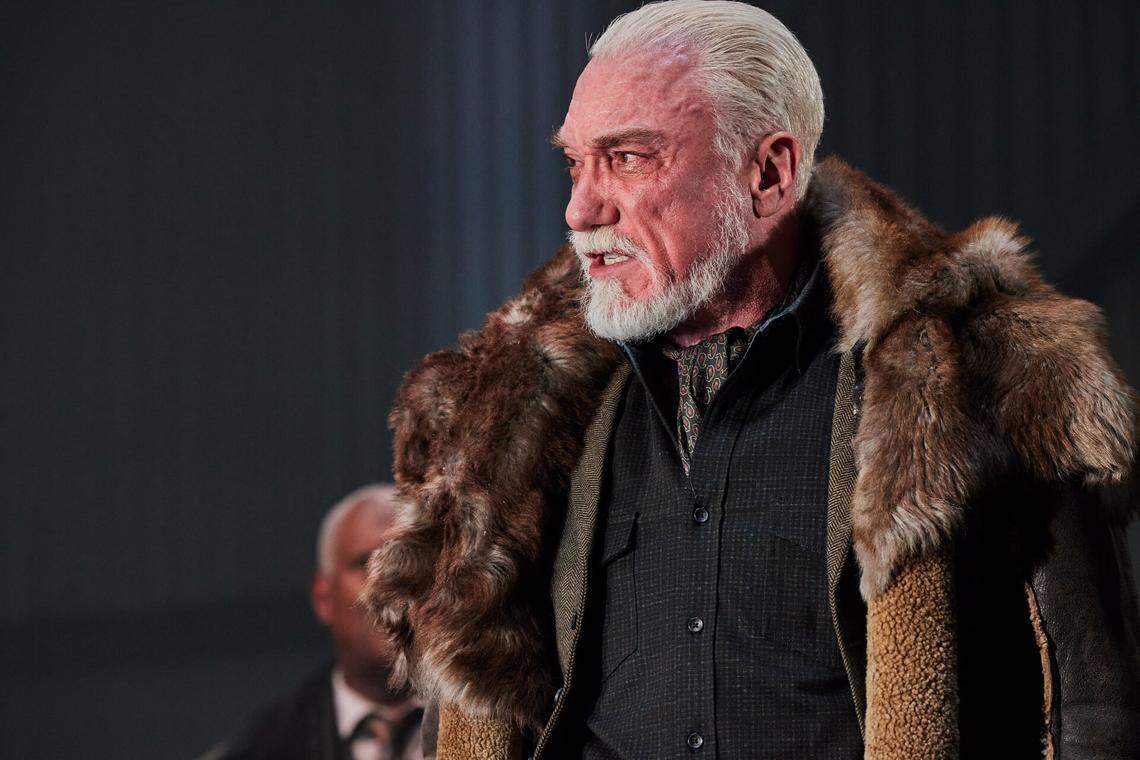
Do you believe in the evil of these Shakespeare characters?
Well, I think Shakespeare started with a cultural belief in evil .... But by the time he gets to Richard III, here’s a character who was in an earlier play (Henry VI, Part 3) who completely accepted that his disability and his evil were connected. And then in Richard III, Shakespeare starts to interrogate that. Perhaps it is the abuse that created the bully, rather than the bully creating the abuse.
I’ll put villain in air quotes I guess, but do you have one that’s your favorite to portray on stage?
No. There are some characters that are wonderful to play and then there are some characters that are deeply rewarding. So Richard III is the latter, because he wins. He wins every scene until the fourth act. Macbeth on the other hand never wins the scene. He’s infinitely more complex in terms of his language and his psychology, and therefore in many ways more rewarding to play. But it’s tortuous to play him because he loses every scene. His only way of finding any kind of life for himself is to embrace evil, to stop running away from it, to try to stop morally flagellating himself.
And when you’ve played other villains on stage, whether it’s the Green Goblin, or Scar, for instance, do you bring any of that Shakespearean background to it, or is each its own character?
I think, first of all, Shakespeare is always in all our plays without us knowing it because it was Shakespeare who first insisted that all language have a justification, to be motivated. You know, the Grinch is like Richard III, the person who stands on the outside, on top of the mountain, looking down at the Whos below, and saying, ‘I’m going to get back at them.’ That has a lot of Richard III energy.
Scar in “The Lion King” is modeled on Claudius in “Hamlet.” If one has played Claudius and fully imagined his life before the play, and what it was to always be the second brother, to be sent to cut the ribbon at the new Dairy Queen while your brother is greeting visiting royalty. And that informs the character. There’s always a Shakespearean link.
And does the Green Goblin also have a Shakespearean antecedent?
I mean, in terms of size, yeah. Once he becomes the Goblin, he’s kind of an unfiltered id, right? The character that interested me was (his alter ego) Norman Osborn. That man is very much like Prospero (from “The Tempest”). He’s a magician who thinks he’s going to create utopia, which is what Prospero is. Osborne’s science is on the level of magic. It’s forbidden, so there’s definitely something there.
What do you hope the UNC Charlotte students take away from your work with them?
What Shakespeare demands in his language is that every syllable has specificity and justification. So hopefully they’ll have a feeling that that is necessary in their work, and they are absolutely specific in terms of everything they do.
Are there any theatrical worlds left for you to conquer?
I’m about to do “Titus Andronicus,” which will be my 27th Shakespeare play. And that means I’ve got 10 more to go.
More arts coverage
Want to see more stories like this? Sign up here for our free, award-winning “Inside Charlotte Arts” newsletter: charlotteobserver.com/newsletters. And you can join our Facebook group, “Inside Charlotte Arts,” by going here: facebook.com/groups/insidecharlottearts.
This story was originally published February 25, 2026 at 5:13 AM with the headline "Broadway star visits Charlotte. Ask him how a Shakespeare villain is like the Grinch."
