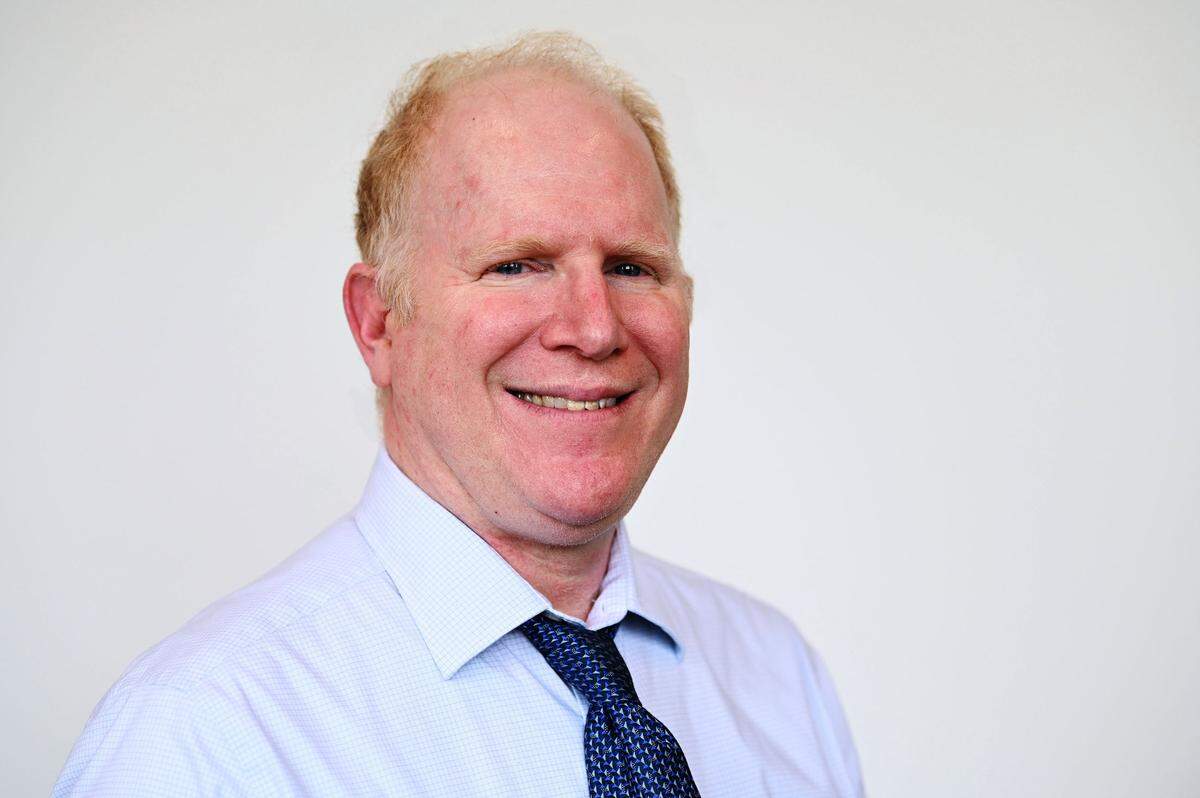
Charlotte Symphony conductor made history in NYC during a year like no other
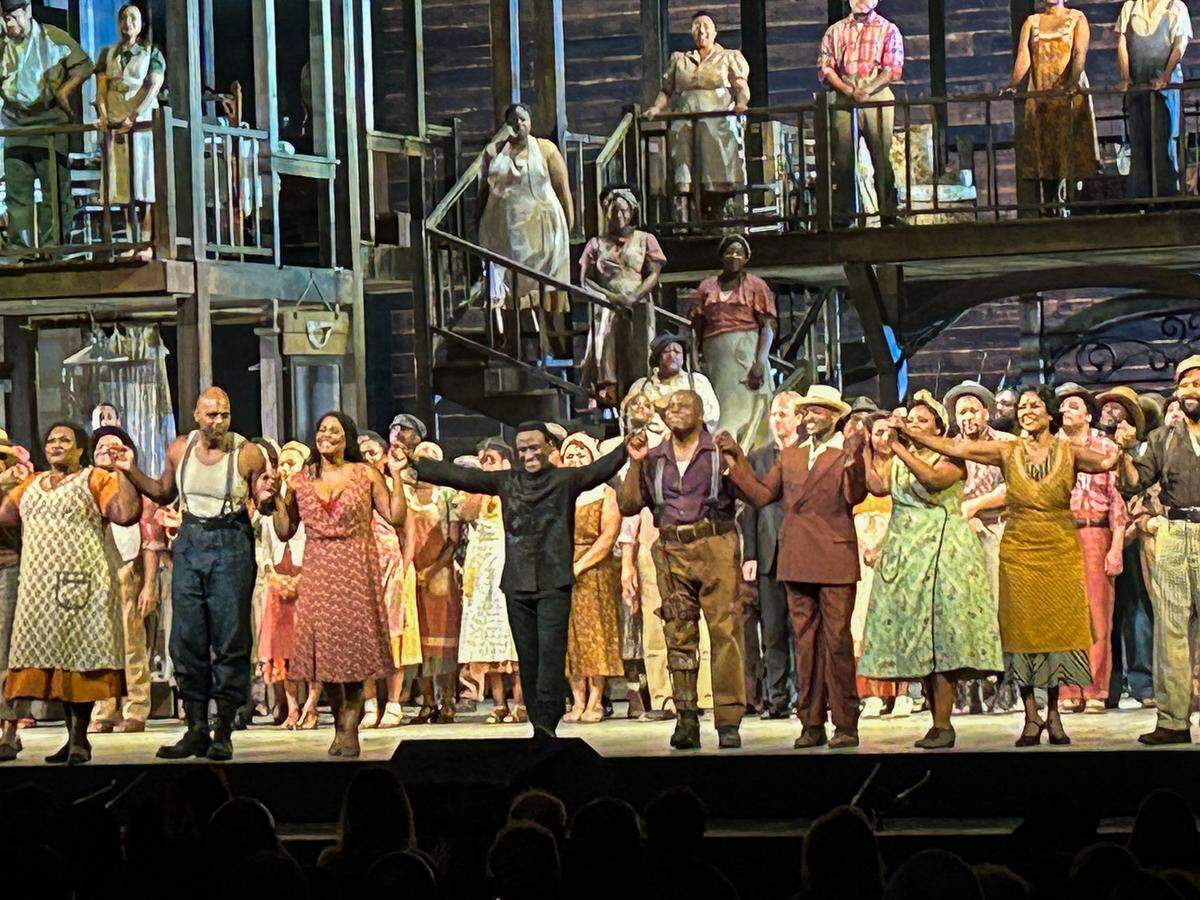
Past the frolicking waters of the outdoor fountain that anchors Lincoln Center, beyond the twin Chagall murals hanging 30-feet tall in the Metropolitan Opera House lobby, and behind the stage of one of the nation’s most glittering cultural centers sits a warren of rooms in a concrete labyrinth.
One of those paths leads to the conductor’s dressing room.
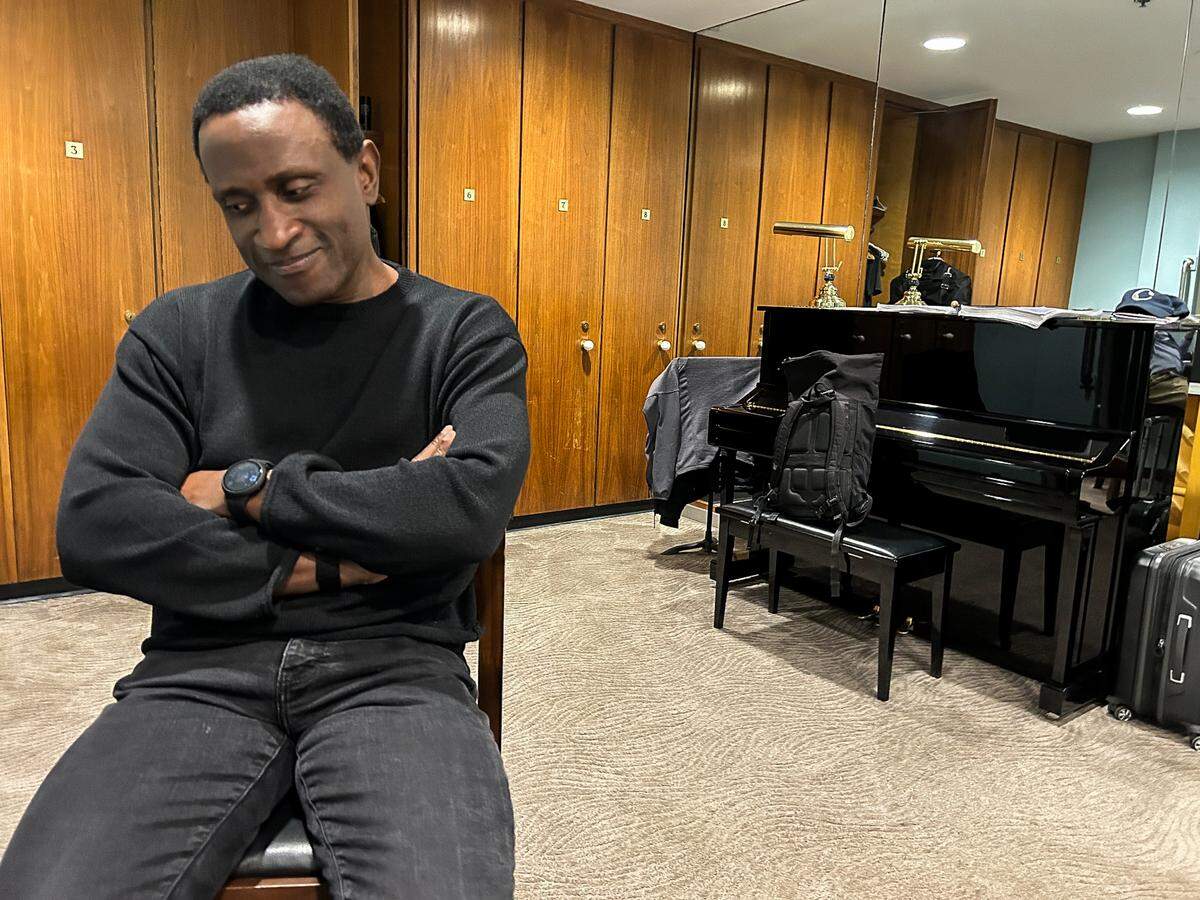
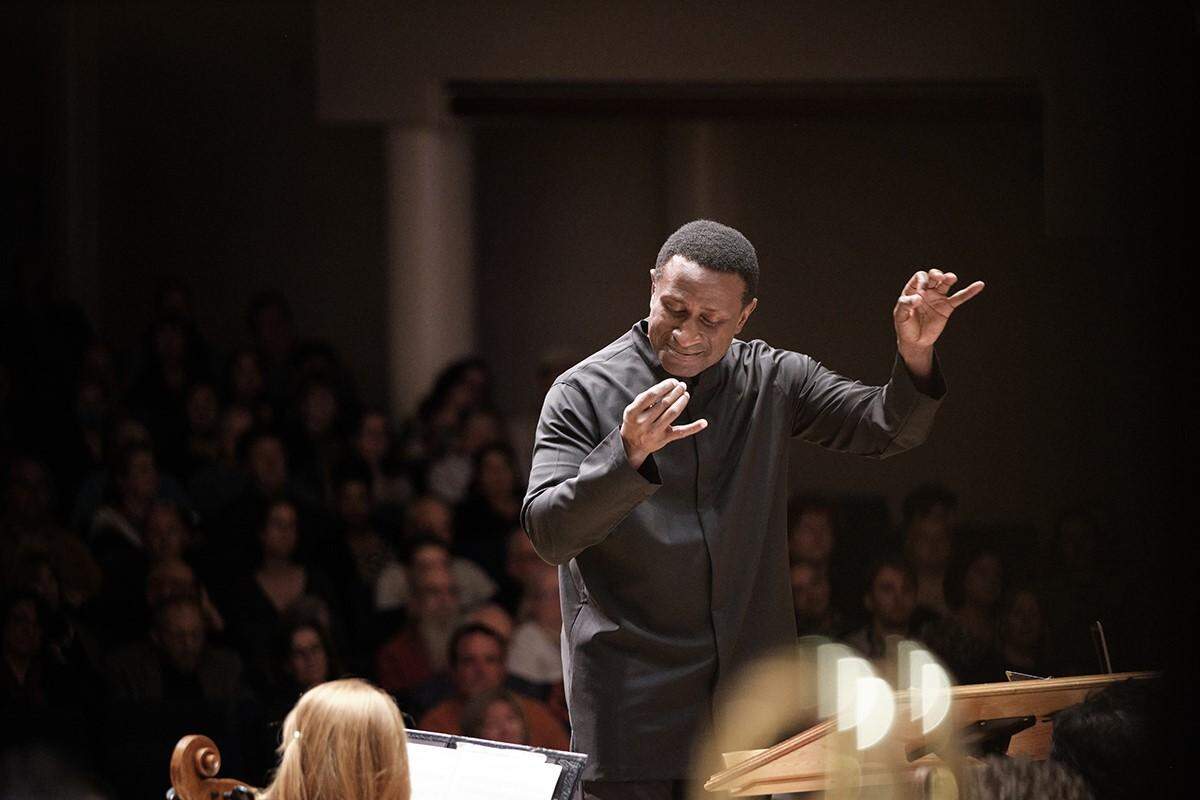
It’s an hour before the gold curtain rises on a late January matinée of the Gershwins’ “Porgy and Bess.” On one of the biggest days of his career — one when he’ll make history yet again — maestro Kwamé Ryan thinks back to his childhood in the Caribbean. Of the unlikely path that led the Charlotte Symphony music director to this space on Manhattan’s Upper West Side.
He is calm. He is smiling. He is ready to conduct.
But until recently, he couldn’t recall one of the most crucial details of a concert he attended as a child nearly a half century ago. It had launched him on a decades-long journey, delivering him to this special opera in this hallowed space.
What ‘the guy in the middle’ is doing
Toronto, summer of ’77. Canadians flocked to the waterfront off Lake Ontario for the sprawling Ontario Place entertainment complex that opened just a few years earlier with the world’s first permanent IMAX theater, the silver Cinesphere.
Ryan was just 7. His family had left their Caribbean island home on Trinidad for another vacation in Toronto, the city where Ryan was born and where his parents had attended college.
The Ontario Place music festival was his first concert, an open-air opera, and Ryan was excited from the start. Near the end, he leaned over to his mother, gestured toward the conductor, and said, “I want to do what the guy in the middle is doing.”
It’s an origin story that Ryan, now a 56-year-old professional conductor, has relayed many times. But it was only in the past year or so he learned the name of that long-ago show, while chatting with his sister, when she casually mentioned what they had seen: “Porgy and Bess.”
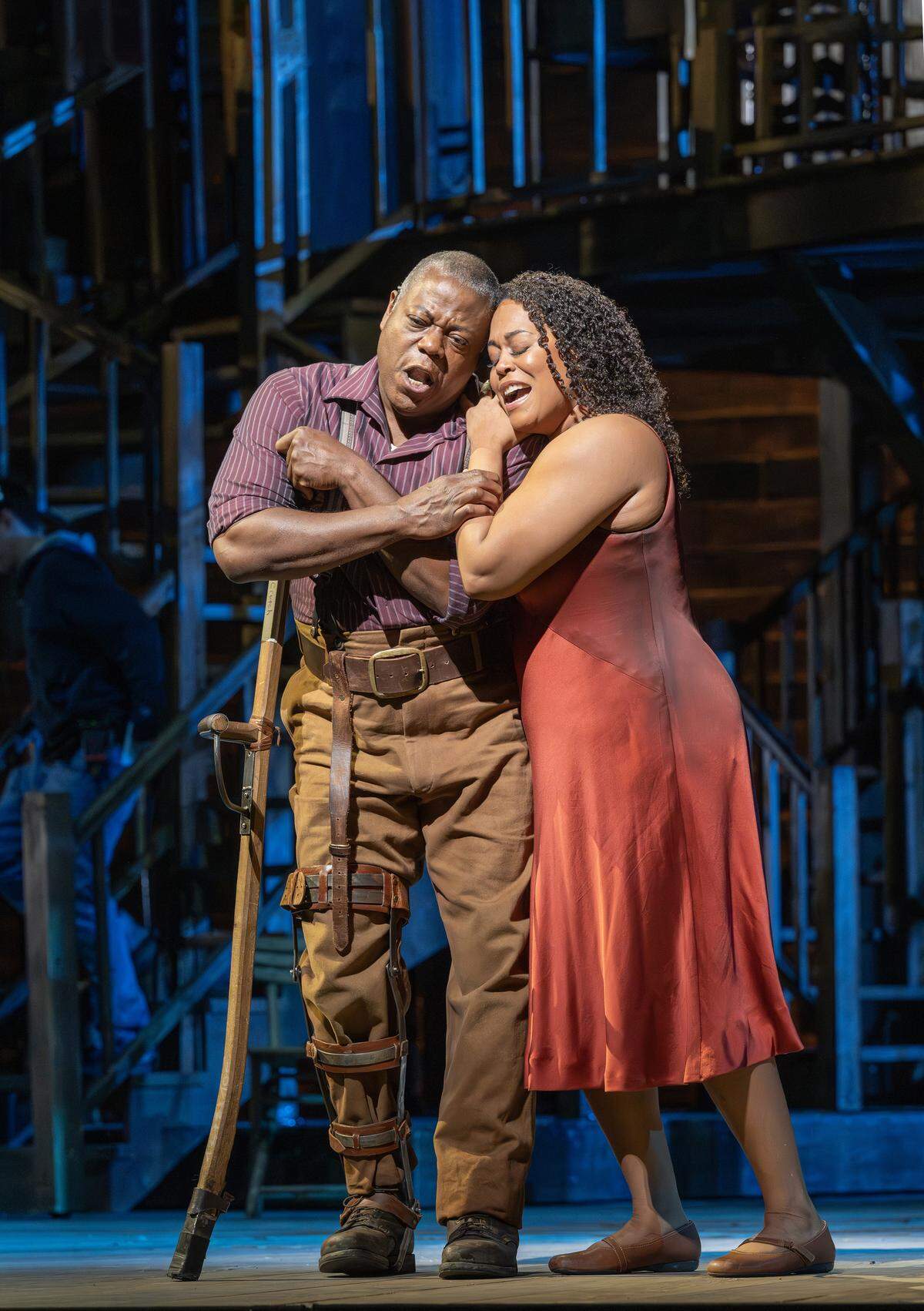
That’s the 1935 George and Ira Gershwin classic about a doomed love affair set in Charleston’s Black community of Catfish Row. It birthed such timeless tunes as “Summertime,” “I Loves You, Porgy” and “It Ain’t Necessarily So.”
Ryan is well-versed in what he called the show’s “revolutionary history,” which grew out of Depression-era America in the midst of Jim Crow laws. It’s long stood as a beacon for generations of classical musicians of color.
After a little online sleuthing, Ryan figured out he saw the landmark “Porgy and Bess” by Houston Grand Opera in Toronto. The production was a turning point in the opera’s history, restoring its full score and treating the Black cast with renewed dignity rather than as caricatures.
To Ryan, making that discovery about “Porgy and Bess” felt like a full-circle moment. There would be more to come.
The road to the Met Opera
When he was 12, five years after that Toronto show, Ryan came across another seminal force in the arts. This one surfaced in the local video store and became a staple for the family VCR.
It was a box-office bomb called “Yes, Giorgio.” Luciano Pavarotti plays a married opera star who loses his voice, falls for his throat specialist, then makes a triumphant return to the Metropolitan Opera House at Lincoln Center.
One thing stood out to Ryan from the otherwise-terrible movie: “I remember playing the scene at the Met over and over on the video cassette, entranced by the grandeur of the Met’s staging and the incredible playing and singing.”
Ryan was determined to further his musical education. His mom, Joya Gomez, encouraged him to leave their island home at age 15 to study in England. That led him to study musicology at Cambridge University, then train under Hungarian composer and conductor Peter Eötvös. Among Ryan’s early jobs was general music director of Germany’s Freiburg Opera from 1999 to 2003.
Soon after, the Met invited him to make his Lincoln Center debut.
But he said no. Really.
“I passed with heartfelt thanks,” Ryan said. “I just didn’t think it was the right time or the right pieces for me. And I never regretted it.”
The right time for the Met
In the intervening 20-something years, Ryan continued his steady rise in the world of classical music: guest-conducting in Europe and the U.S., and serving as musical and artistic director of the Orchestre National Bordeaux-Aquitaine in France from 2007 to 2013.
But he longed for a career in the United States. After leading German and French orchestras, it’d be nice, he thought, to do the job in English.
Such an opportunity arrived a decade later in Charlotte, in 2023, when he was named the orchestra’s 12th music director. The maestro made history as the first person of color to hold that position with the nearly century-old Charlotte Symphony.
And last spring, he returned to “Porgy and Bess” for his Washington National Opera debut. In the supporting role of the matriarchal cookhouse keeper Maria was Denyce Graves, the legendary mezzo-soprano opera star.
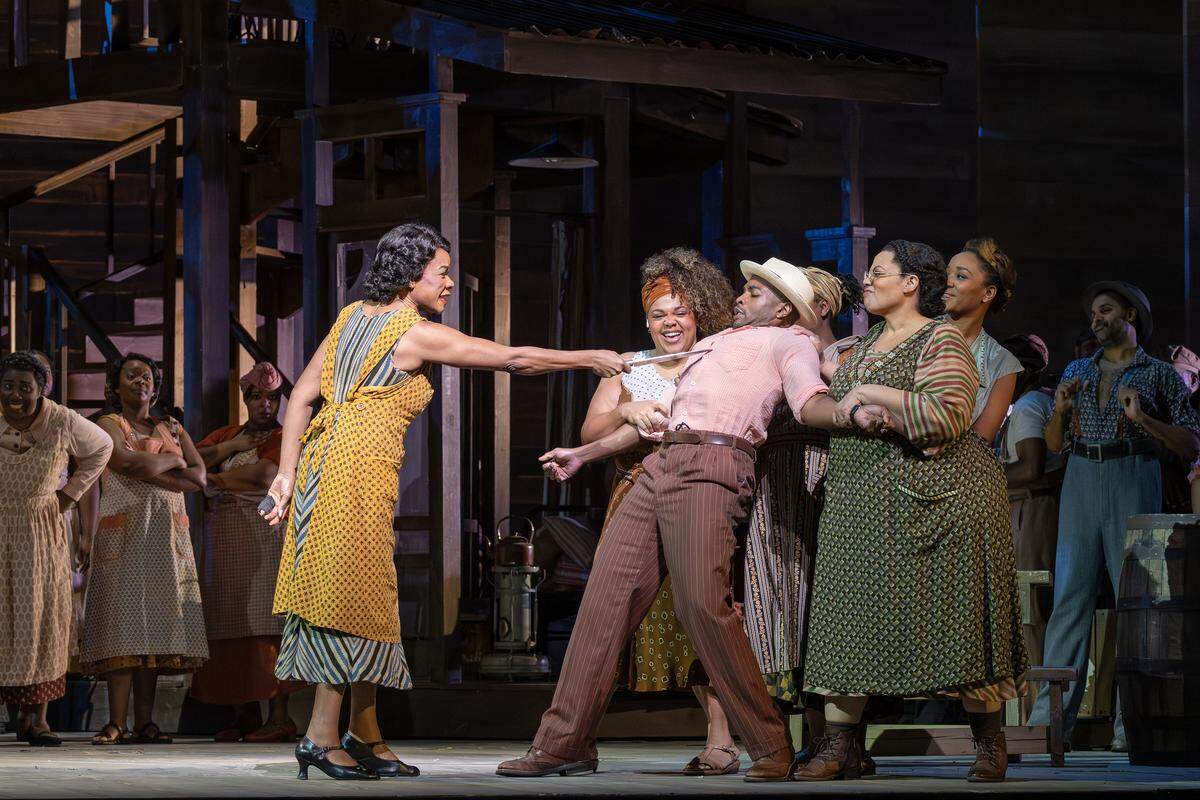
Ryan suspects that his D.C. work may have led the Met to reach out with a new offer. Would he conduct the Met’s “Porgy and Bess” in December and January? Graves would be there, too, as Maria again.
Tempting.
There was the show’s storied history. And the Gershwin music mirrored his own eclectic tastes, infused with jazz, gospel and the blues, in addition to classical.
This time, Ryan said yes.
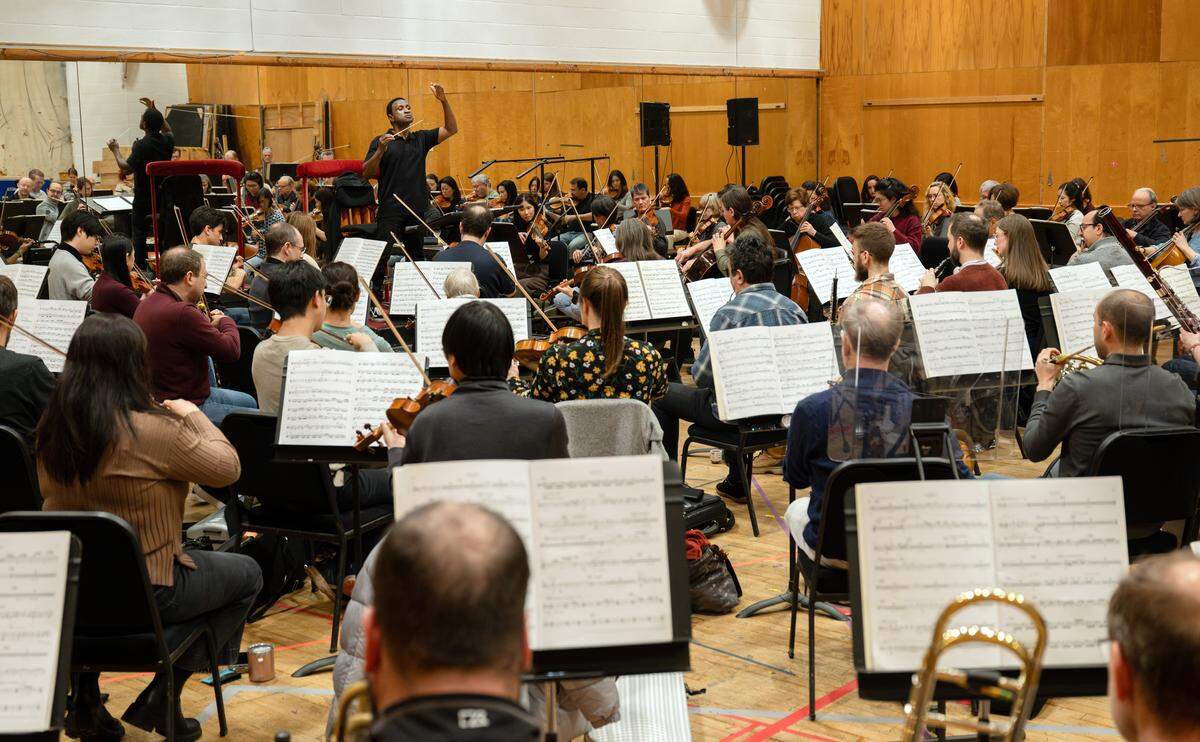
Yes to one of the most prestigious assignments in the rarified worlds of classical music and opera. The time was right, he felt. What’s more, it was for a show that had meant so much to him since he was young.
He didn’t yet realize more history-making turns lay ahead.
Rehearsals began last November. Soon after, Ryan was nominated for his first Grammy, and became the first Charlotte Symphony conductor to receive that honor. It was for a recording of the opera “Intelligence” by composer Jake Heggie with the Houston Grand Opera — the same company that Ryan had seen perform “Porgy and Bess” in Toronto as a child.
Making opera history with Denyce Graves
About a week later, Graves dropped a bombshell.
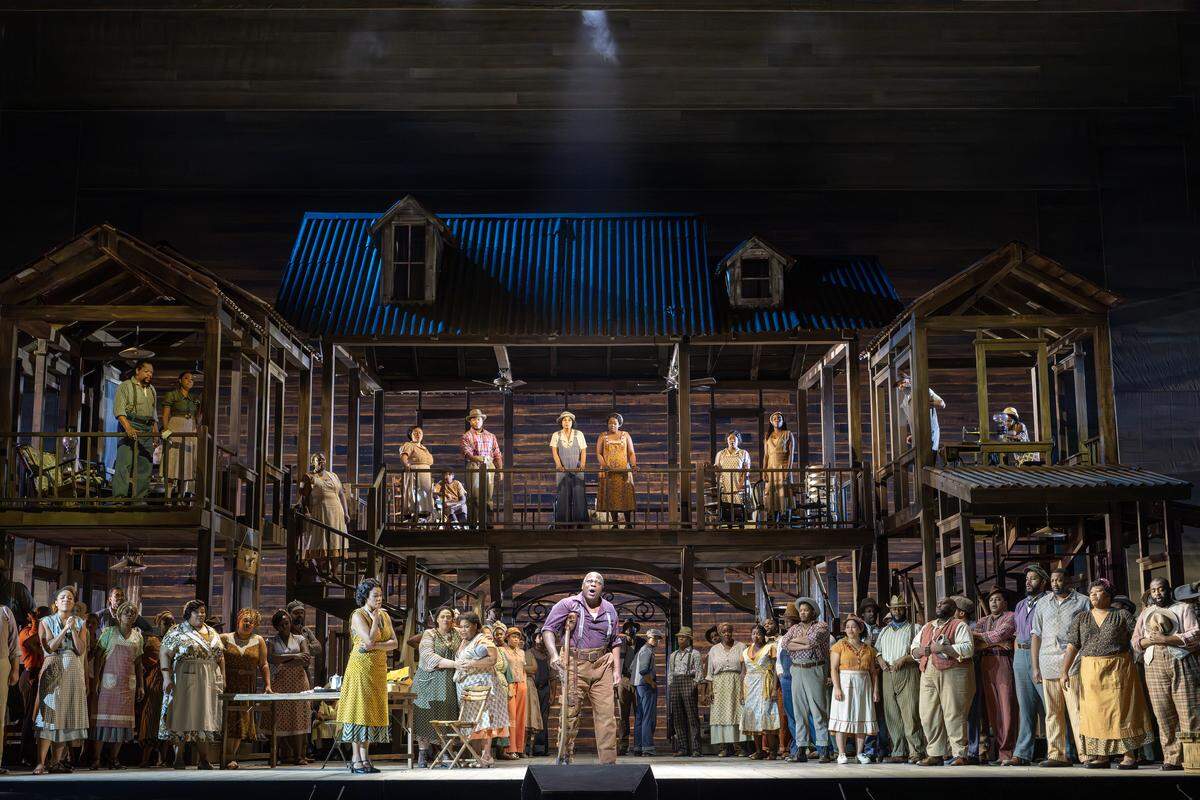
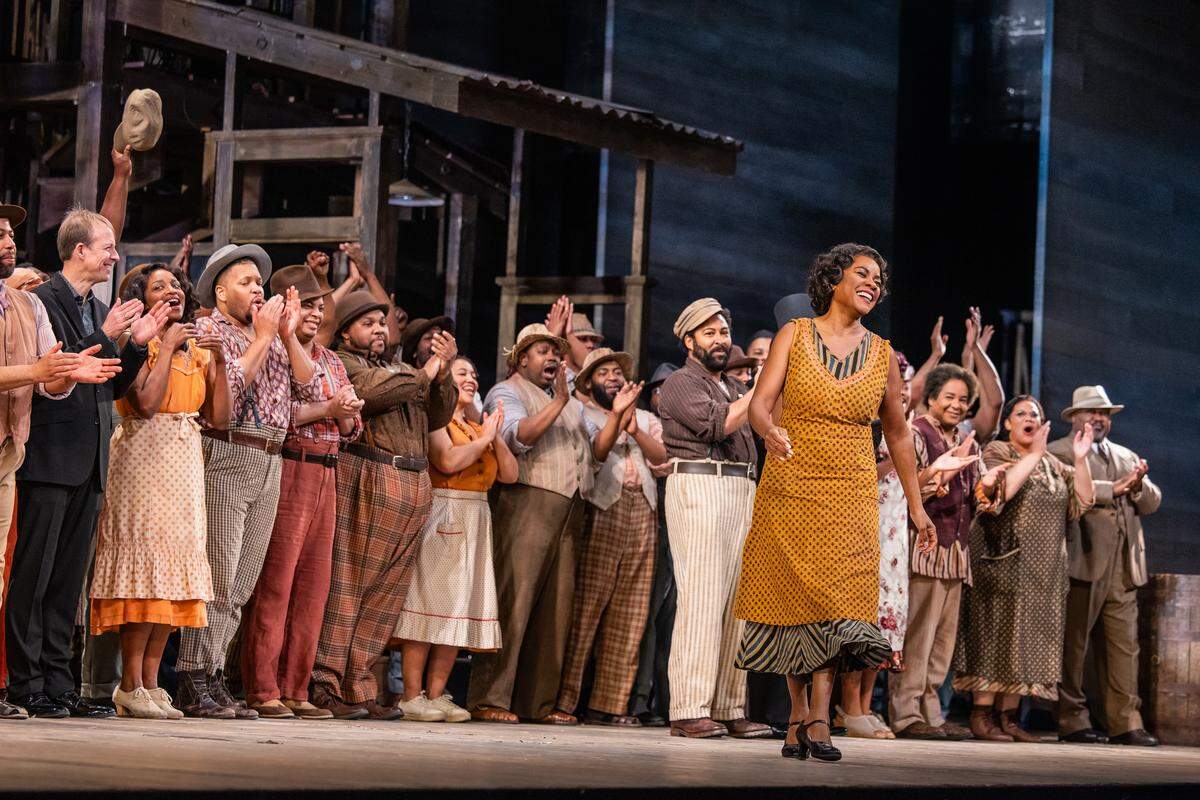
She told the company she’d be ending her storied career of more than 40 years with “Porgy and Bess,” the same show that launched her career. Graves’s final performance would be on closing day, the Jan. 24 Saturday matinée.
Going into rehearsal, Ryan had no clue this would be Graves’s farewell appearance. But having gotten to know her while working together in Washington, he knew she was no opera diva. Graves is an inspiration, he said, especially to the next generation of African American classical singers.
“She’s just bursting with joy,” Ryan said, “and it’s really infectious, especially these last few performances.”
Messages for mom
Ryan wanted to share that experience with his 90-year-old mother, the one who backed his dream from the start. He flew to Trinidad to spend Christmas with her. And as a birthday present, he flew her back with him in early January so she could see two “Porgy and Bess” shows at the Met.
Right before the second show began, Ryan texted her as she sat in the audience: “This one’s for you, Mom. Thanks for everything.”
.jpg "ZF2_8543 (1).jpg")
He’d reach out to her again a few weeks later, under more frenetic circumstances. On Feb. 1, the day he was to fly from Charlotte to LA for the Grammys, the city was battling an historic snowstorm. Somehow, Ryan made it just in time for the awards show. He used WhatsApp to continuously update his mom about his journey.
Once he was in the auditorium, he texted her pictures of his category being announced — and the Grammy went to “Intelligence” for Best Opera Recording, making Ryan the first person of color to win that award.

Before the curtain goes up at the Met
Back in January in his Met dressing room, it’s noon, the hour before the curtain rises on Graves’s final opera performance.
Across from the Yamaha rehearsal piano, Ryan’s three-volume score for the opera is spread out on a desk. Next to it sits an espresso machine and a small black box frame with the words “Maestro Tempo Control Device.” That’s an inside joke for his coffee-drinking colleagues — Ryan’s a die-hard tea drinker.
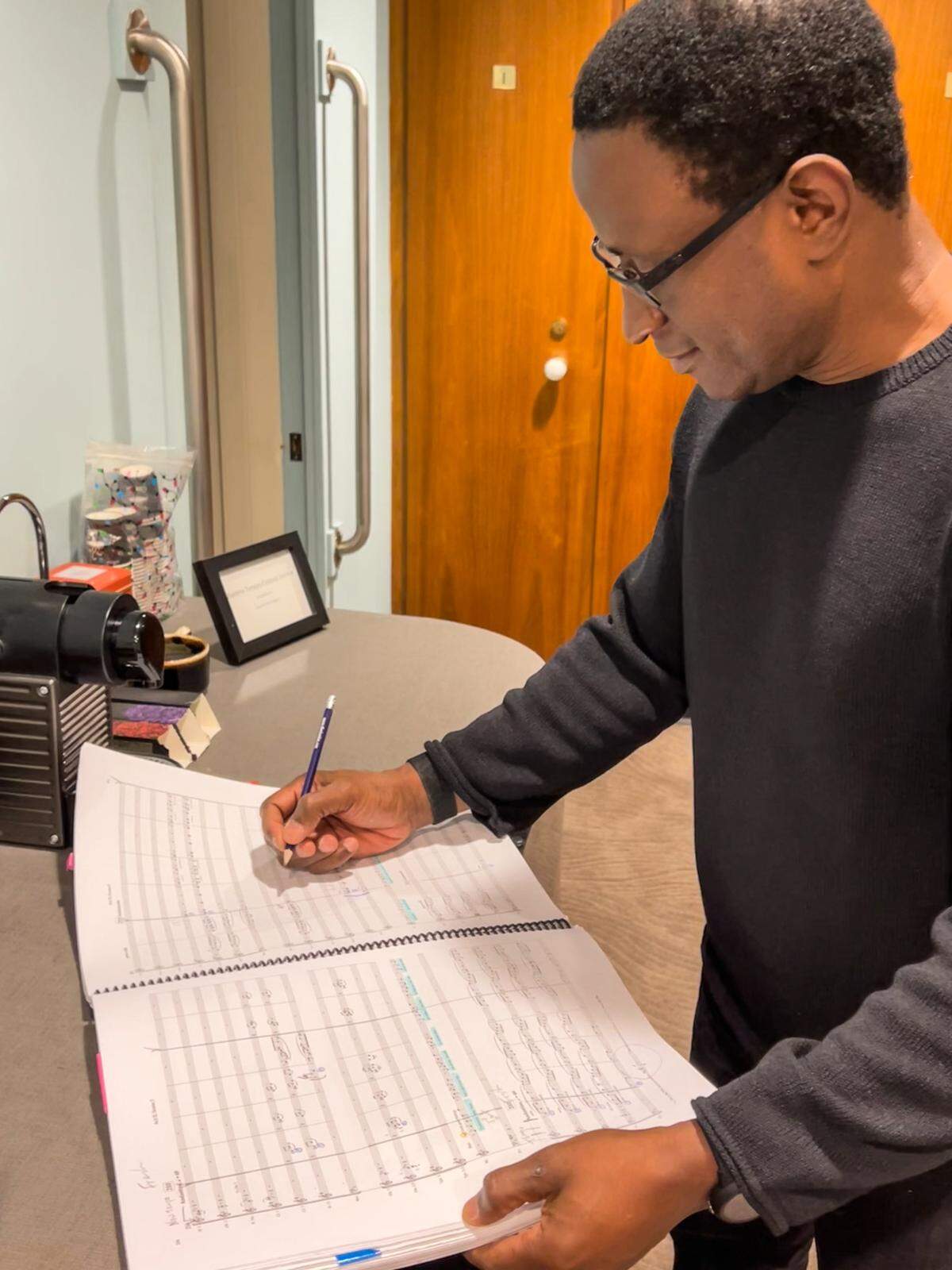
Ryan gives himself time to go over parts of the score.
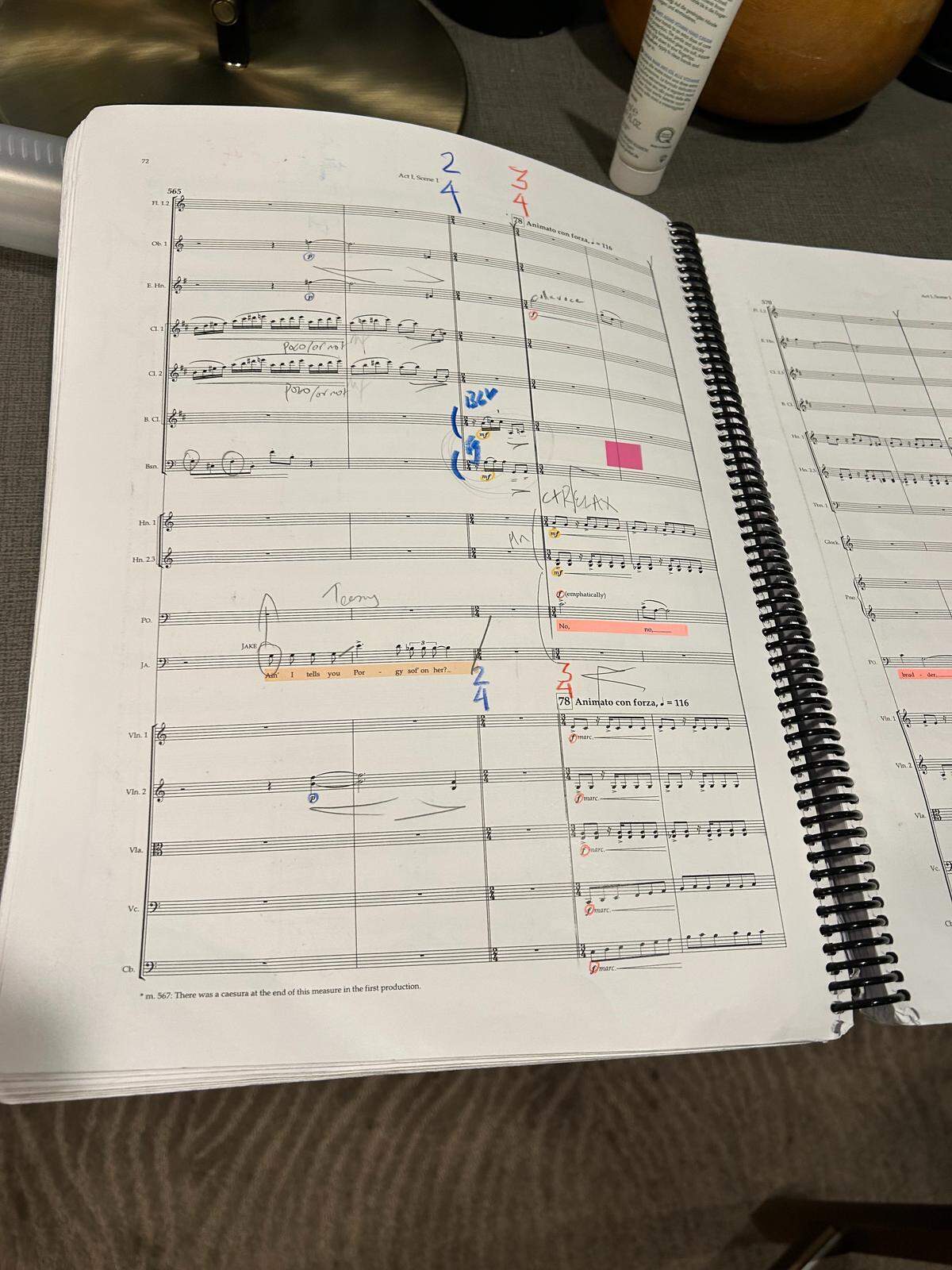
Many lyrics and dialogue are highlighted in yellow or pink, alongside scribbled notes. The music is tricky, with plenty of stylistic switches — a spiritual note one moment, the blues the next. Or jazz, or swing.
“Those things turn on a dime,” Ryan said. “So just refreshing the mechanics and the technical fluency of those changes is very important.”
On one page, he had jotted down a simple note right before a tempo change: “Relax.”
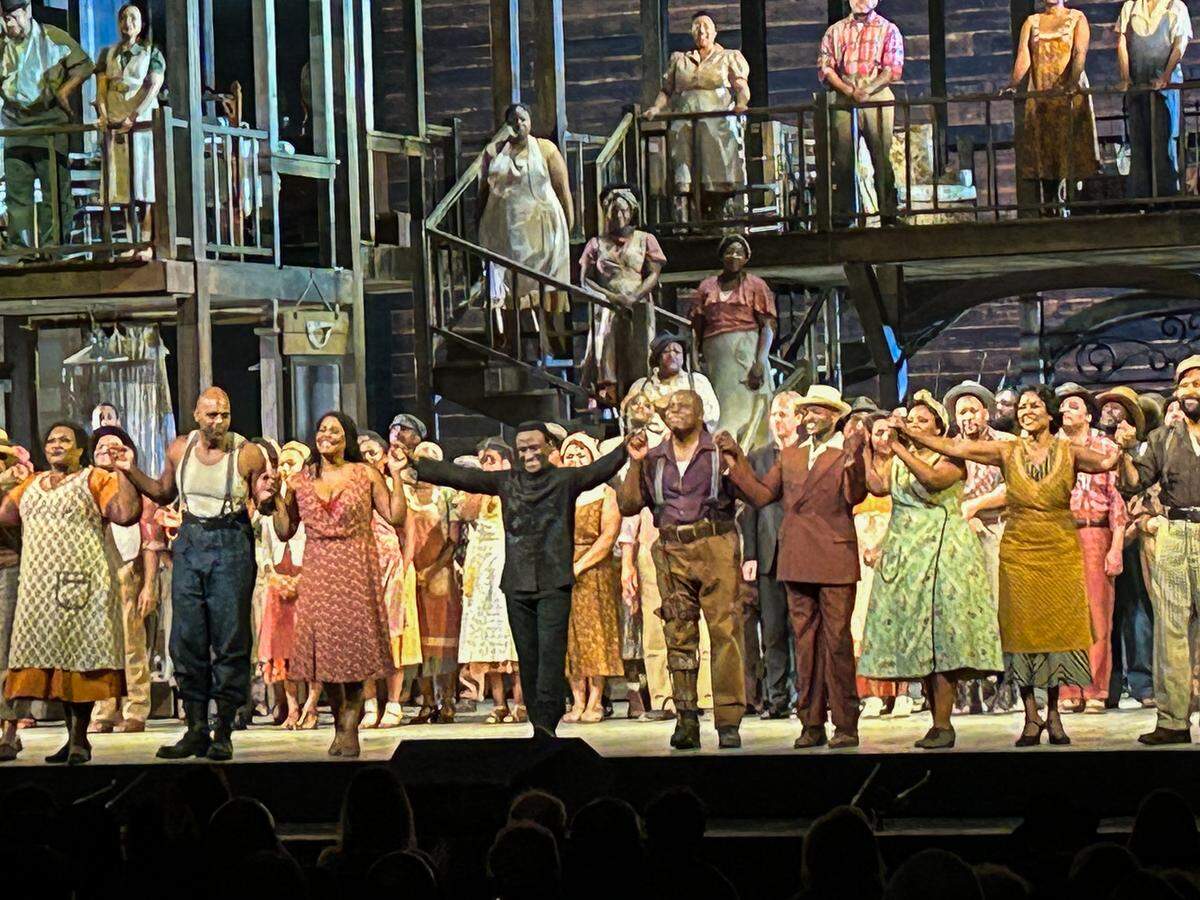
Ryan doesn’t view his recent rise — not even the Grammy win — as reaching the top of a mountain so much as confirmation that he is where he belongs.
He’s doing what he loves, what he’s wanted to do since he was a boy growing up in Trinidad and going to Ontario Place for family vacations.
“I didn’t have a career in the United States five years ago. And to now be the leader of a wonderful American symphony, and have made my Met debut ... it just feels like I’m in the right place.”
See Kwamé Ryan in Charlotte
Kwamé Ryan is back with the Charlotte Symphony May 15-16. And on the Fourth of July, he’ll lead the orchestra at Truist Field in uptown Charlotte for a “Stars and Stripes Spectacular” preceding the largest fireworks display in the Southeast.
More arts coverage
Want to see more stories like this? Sign up here for our free, award-winning “Inside Charlotte Arts” newsletter: charlotteobserver.com/newsletters. And you can join our Facebook group, “Inside Charlotte Arts,” by going here: facebook.com/groups/insidecharlottearts.
This story was originally published May 13, 2026 at 5:15 AM with the headline "Charlotte Symphony conductor made history in NYC during a year like no other."