
Black Lives Matter inspires change at Mint Museum, which acknowledges past discrimination
The Mint Museum says it hasn’t gone far enough to help fight discrimination and promote inclusion.
So the 84-year-old Charlotte institution is taking new steps to promote diversity while acknowledging its own past failures. For instance, 50 years ago, the museum only let Black people in one day a week.
Museum CEO Todd Herman said the new initiatives were inspired by Black Lives Matter and the related social justice movement that followed the Minnesota police killing of George Floyd on May 25.
“This is an opportunity for all of us to learn more, acknowledge our mistakes, work to understand the perspectives and experiences of others, and to call-out racist actions when we see them,” Herman said in a statement Monday.
Acknowledging the museum’s own past discrimination is one way Herman said the Mint will address systemic discrimination and racial bias.
The museum also plans to exhibit more works from race and gender diverse artists, and add representation from Black, indigenous, people of color to its boards and staff.
And the Mint has created a resource list of movies, books and podcasts for “raising anti-racist children.”
“White Americans have had no choice but to remove the blinders and recognize the systemic discrimination that still exists in our society and institutional structures,” Herman stated. “I am grateful that the Black Lives Matter movement has inspired so many, including me, to re-evaluate our words, actions and what we thought we knew about our own country and community.”
The Mint’s permanent collections, Herman said, were based on a white, male European focus.
“We acknowledge that these past practices have made many feel not just unrecognized in our galleries but also unwelcome, unwanted,” he said. “We can no longer plead ignorance about what goes on in our society and institutions with regard to discrimination.”
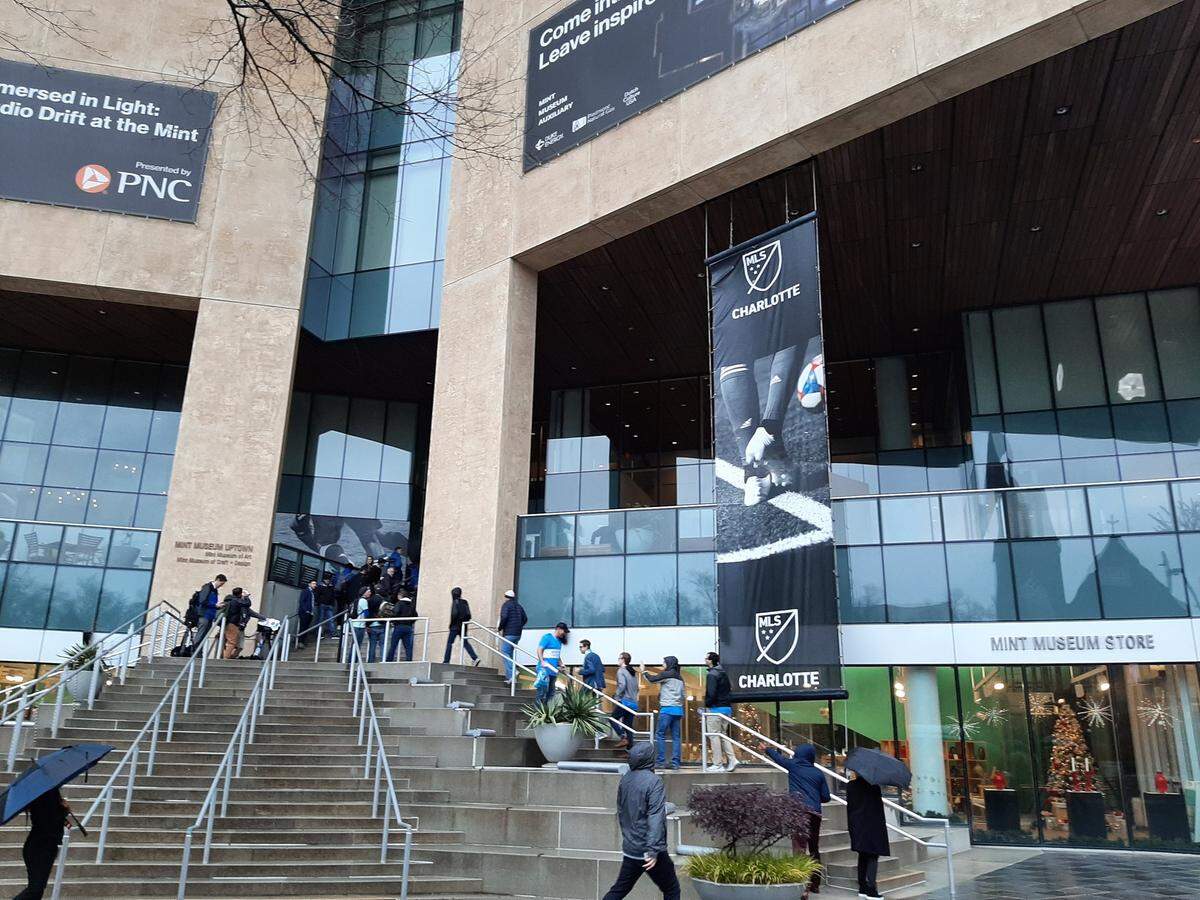
Diverse representation
Herman said the museum will look for more ways to diversify its board of trustees and staff by race and gender. This includes curatorial, collections management and arts education through mentoring and paid internships and fellowships.
He said, however, these changes will take time.
Due to the novel coronavirus pandemic, the museum is not hiring now. And board member seats will need to expire before others are brought on, he said.
The museum’s board of trustees has 25 members with 20% BIPOC, the museum’s spokeswoman Caroline Portillo said. And the museum’s executive committee of the Board of Trustees with six members with 50% BIPOC.
The museum plans to showcase more “female, black, LGBTQ, Latinx and other marginalized artists, while also reevaluating the narratives and perspectives of its permanent collection,” Herman said.
This year, 19 contemporary works were acquired. More than half were by women, and half were from BIPOC and LGBTQ artists.
Programs and exhibits
Herman told the Observer Tuesday that the museum has had some projects to increase inclusivity underway for a while, including plans for upcoming exhibits.
Its diversity team, for example, formed a year ago. Members are tasked with creating a strategic plan to stop bias and inequity in programs and the workplace.
“Everybody is thinking about how to be more inclusive and how to make changes in their own organizations,” Herman said.
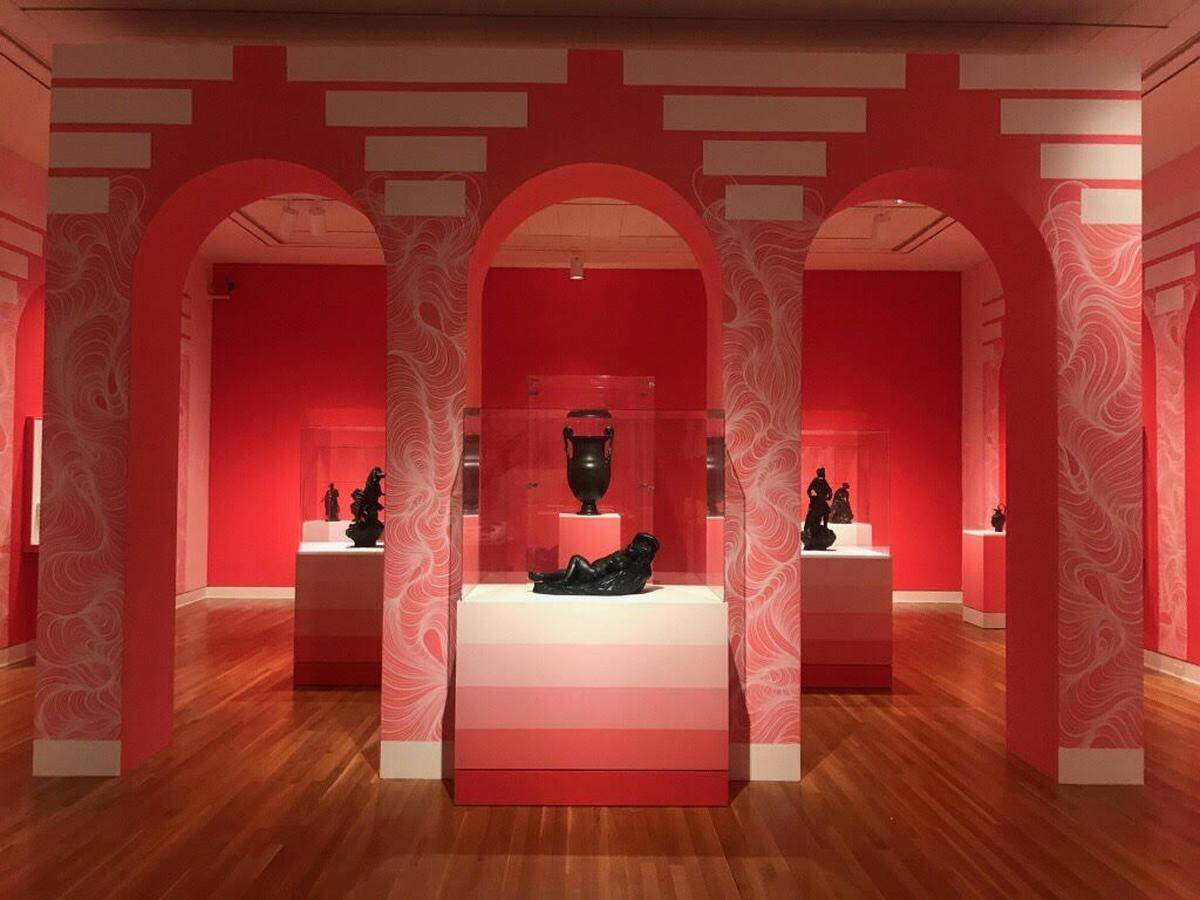
Some recent examples of diverse programs include Mint to Move Cultural Dance Night, Mint Música & Poesía Café, Bilingual Storytime and the Grier Heights Community Youth Arts Program.
Exhibits have included “Requiem for Mother Emanuel,” “Selma: A 50 Year Remembrance,” and “A Contemporary Look at the Black Male Image.”
“Our commitment to diversity and inclusion extends to the local arts community,” Herman said.
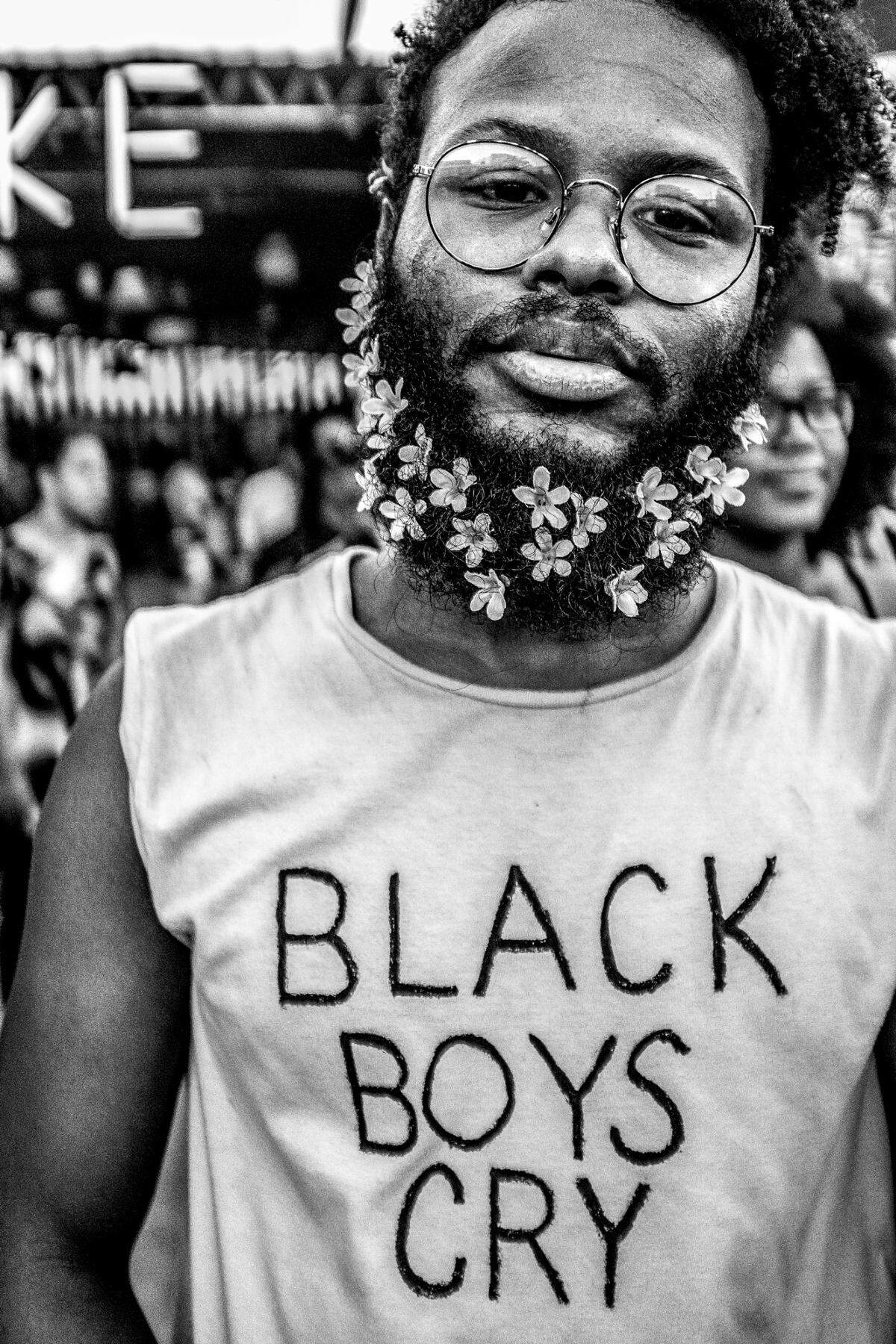
Local mural artists like Owl, a native of Colombia, are part of the “Classic Black: The Basalt Sculpture of Wedgwood & His Contemporaries” exhibition at Mint Museum Randolph.
At the same museum, Julio Gonzales’ works are the focal point of Art of the Ancient Americas galleries.
“Constellation CLT” will feature De’Angelo Dia, Georgie Nakima/Garden of Journey, and MyLoan Dinh. And Antoine Williams and Stacy Lynn Waddell are two of the artists featured in the April 2021 exhibition “Silent Streets,” from the collections of Goodyear Arts and BLK MRKT studios.
Herman said the museum also provides accessibility to everyone in the community by offering free entry on Wednesday nights, when it can reopen.
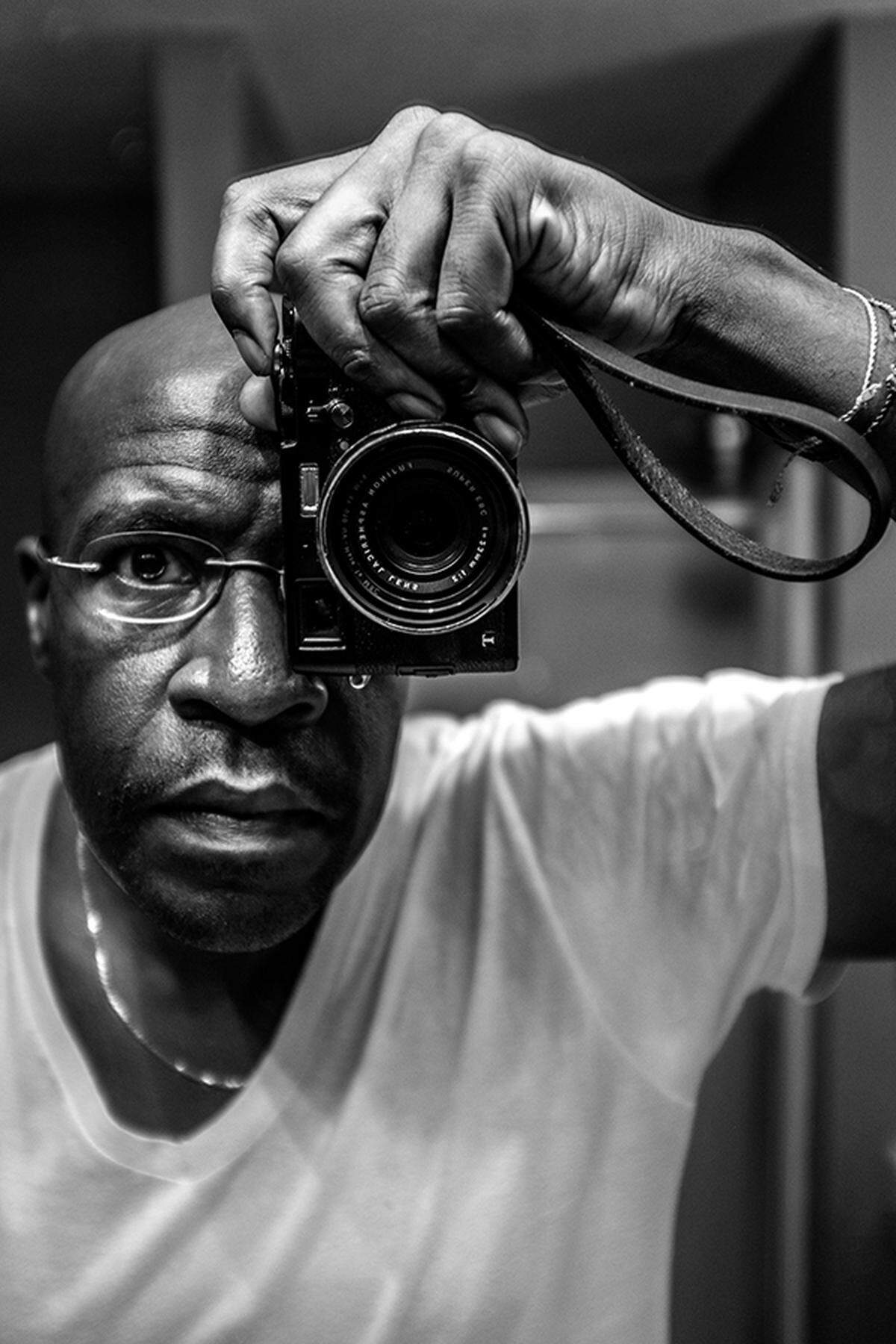
The Mint Museums two locations — on Randolph Road and South Tryon Street — remain closed amid the novel coronavirus pandemic. The extended Phase 2 of reopening the state could expire Aug. 7.
Herman hopes these new museum measures will help build trust with the community.
“I think we all need to look closely at what it is we do, and there’s always room for improvement,” he said. The Black Lives Matter movement, he said, “lifted the veil on aspects of our society that have been covered or obscured for too long.”
This story was originally published July 29, 2020 at 2:15 PM with the headline "Black Lives Matter inspires change at Mint Museum, which acknowledges past discrimination."