
In the shadow of ‘banktown’, a banking desert grows near Charlotte. Why?
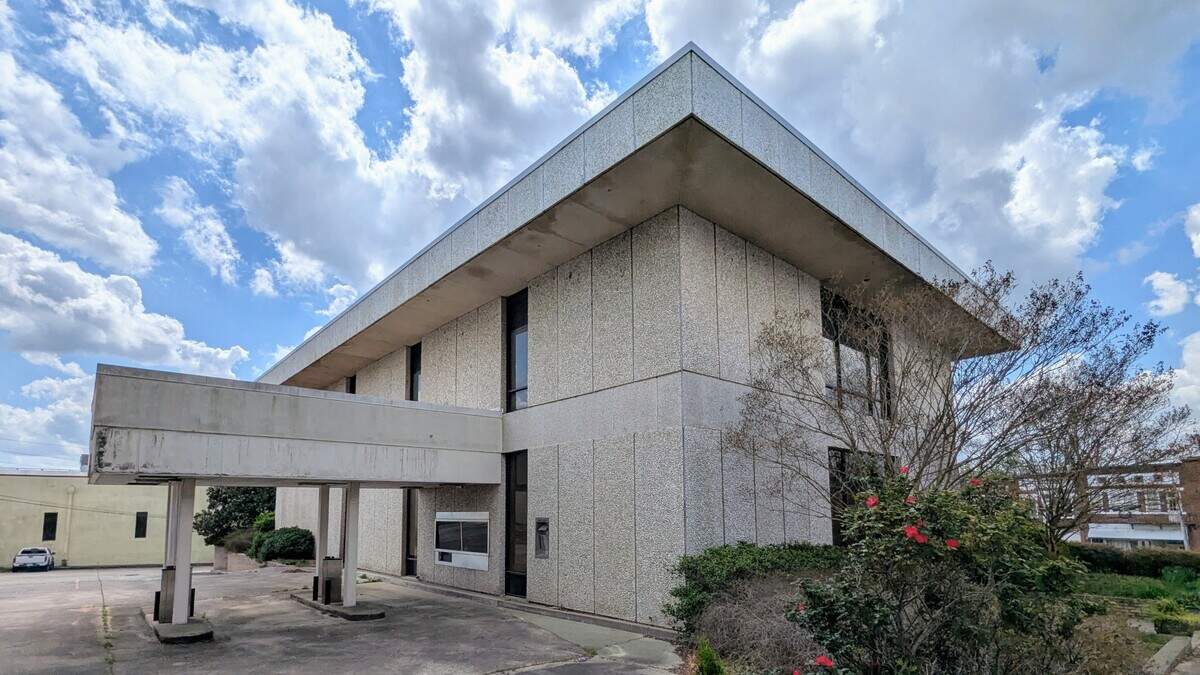
About an hour southeast of Charlotte, in the heart of downtown, small-town Wadesboro, stands a two-story building for Liberty Home Care & Hospice. The exterior still echoes its former life as a BB&T bank with a two-lane drive-thru overhang, teller window and a weathered deposit box.
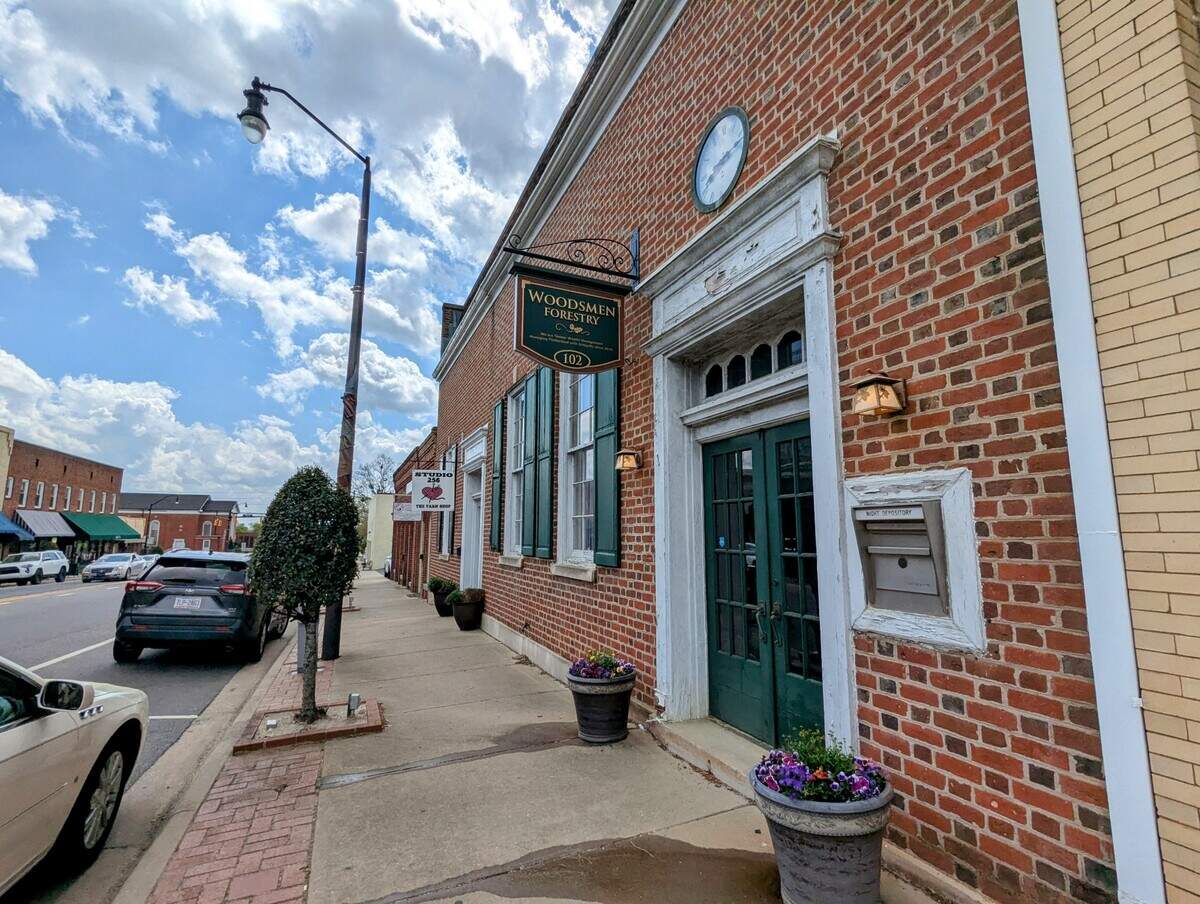
Other buildings in the town of about 5,000 hold similar reminders. Over on South Greene Street, a steel bank deposit box is mounted on the brick wall of Woodsmen Forestry’s building. Two blocks away, a State Farm office was once RBC bank.
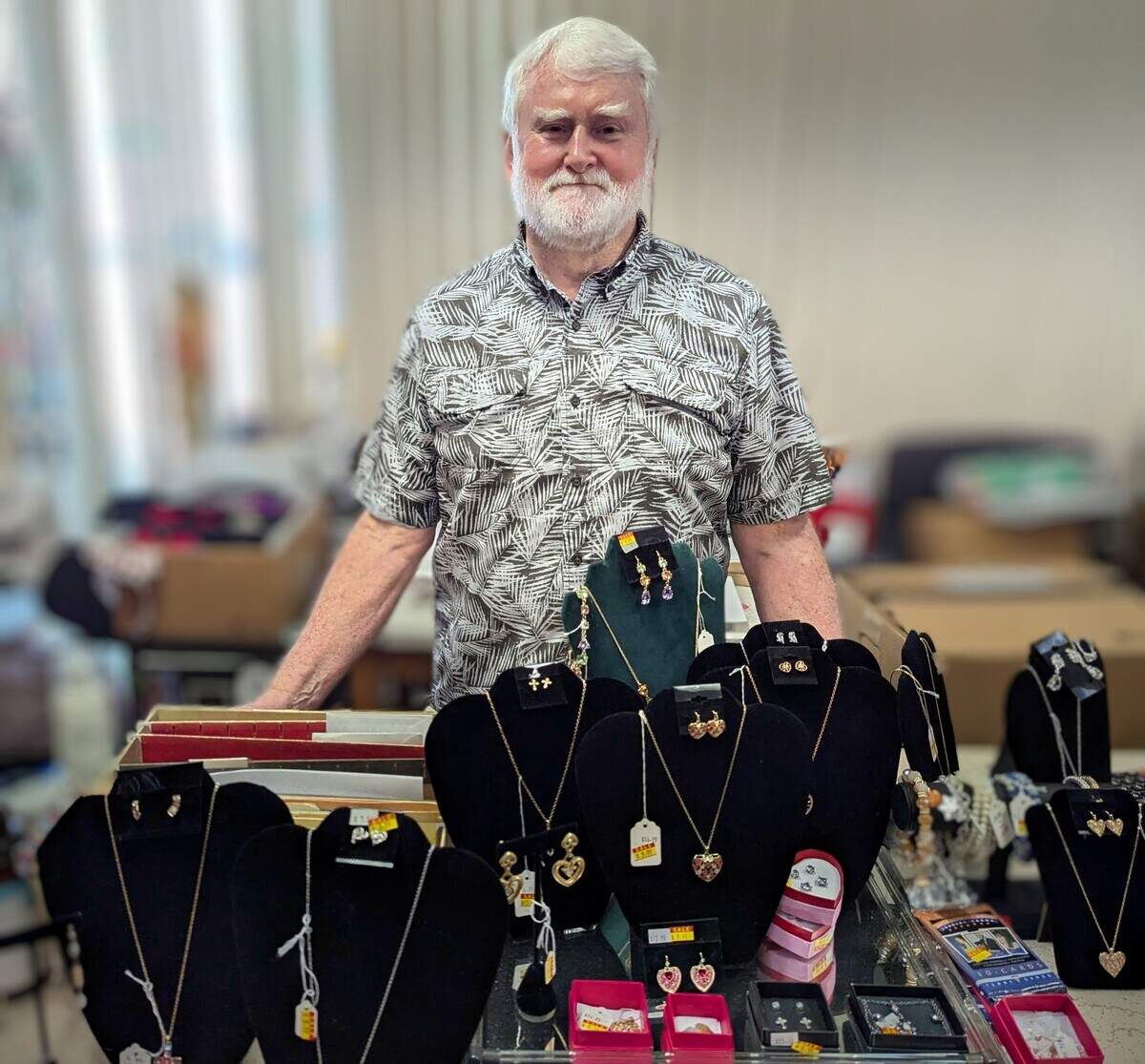
“Banks used to be on almost every corner,” said Carl Gibson, the longtime co-owner of Lacy’s gift shop on South Greene Street.
Those bank branches have all but vanished through the years. Central Carolina Bank & Trust Co. once stood on North Washington Street where a KFC stands now. Dunkin’ Donuts and T-Mobile replaced the PNC Financial Services branch that closed five years ago on East Caswell Street.
Mirroring the demise of video stores in the streaming era, more people are using their laptops and phones for banking rather than stopping by a bank. But in rural communities with limited broadband access, the lack of bank branches remains a concern.
Those branches offer stability, with face-to-face interactions and services like safe deposit boxes and notary services. In North Carolina, the rise of banking deserts also sparked legislation recently and stirred debate that pits banks against credit unions.
Gibson has banked with PNC, formerly RBC Bank, for 30 years. Now, he and his wife use the ATM on the east side of town, or trek nearly 20 miles to Rockingham in Richmond County a couple of times a year for financial services.
‘It’s just an inconvenience. They (bank branches) just dried up, especially in little communities,” Gibson said.
Despite being about 50 miles from Charlotte, one of the nation’s largest banking centers, Anson County is a banking desert. The Federal Reserve defines such places as an area without a branch for 2 miles in urban communities, 5 miles in suburban communities and 10 miles in rural communities.
From 2013 to last year, Anson lost two-thirds of its banks, dropping from six to two, both in Wadesboro. Smaller nearby towns like Ansonville, Peachland, Lilesville and Morven have no banks.
There are about a dozen ATMs in Anson County; all but one are in Wadesboro.
“Having to do your banking with an ATM is not good,” said Joe Pegram, co-owner of gift and crafts shop Wade Street Originals in downtown Wadesboro. Like Gibson, he has banked with PNC for decades. “It’s aggravating. But sometimes you need to go in to talk to someone instead of a robot.”
What’s happened to all the bank branches?
Between 2013 and last year, North Carolina lost a quarter of its bank branches — dropping from 2,624 to 1,978 despite the state’s booming population growth, according to Carolinas Credit Union League data.
Two counties — Tyrrell and Jones, both in eastern North Carolina — have no branches, CCUL data show. And six of the state’s 100 counties, mostly toward the coast, only have a single bank branch.
In the Charlotte region, Anson County experienced one of the biggest decreases over the past decade, at nearly 67%. The county of about 22,500 people also was in the top 10 North Carolina counties by bank branch closure rate.
Other Charlotte-area counties have seen bank branch losses, too: Catawba, down 33%; Iredell, 29%; Rowan, 27%; Stanly, 26%; Gaston, 24%; Cabarrus, 21%; Union, 20%; and Lincoln, 17%. Only one gained branches in the region. Mecklenburg, the home county to two big banks and main operating site for another, added 240 branches, data show.
There also are 188,000 more North Carolinians living in a banking desert now compared to 2019, according to Fed Communities’ banking deserts dashboard based on U.S. Census data. Fed Communities is a collaboration among the 12 Reserve Banks of the Federal Reserve System. The closure rate is higher in poorer counties, data show.
Banking deserts across the US
Banking deserts are hardly unique to North Carolina.
Maryland and New York state officials are studying the impact of banking deserts, for example. And last year, Missouri legislators introduced a bill urging the FDIC to lower capital requirements to combat the decline of community banks, particularly in rural areas.
When Pittsburgh-based PNC closed its Wadesboro branch in 2020, the bank said more customers were using online and mobile transactions over branch visits. PNC Bank has the fourth-largest branch network in the U.S. with over 2,200 branches.
”We recognize that physical branch locations play a key role in how we serve and provide solutions to our clients,” the bank said in a statement to The Charlotte Observer. “We continually evaluate our network of branches, and study client and prospect transaction patterns.”
But even as banking shifts more to online, many banking deserts have limited broadband access.
Still, PNC head of retail banking Alex Overstrom called its bank branches the “heartbeat” of the bank when announcing in November it was investing $500 million to open 200 branches in 12 cities nationwide, including in Charlotte and Raleigh.
Why lack of bank branches matter
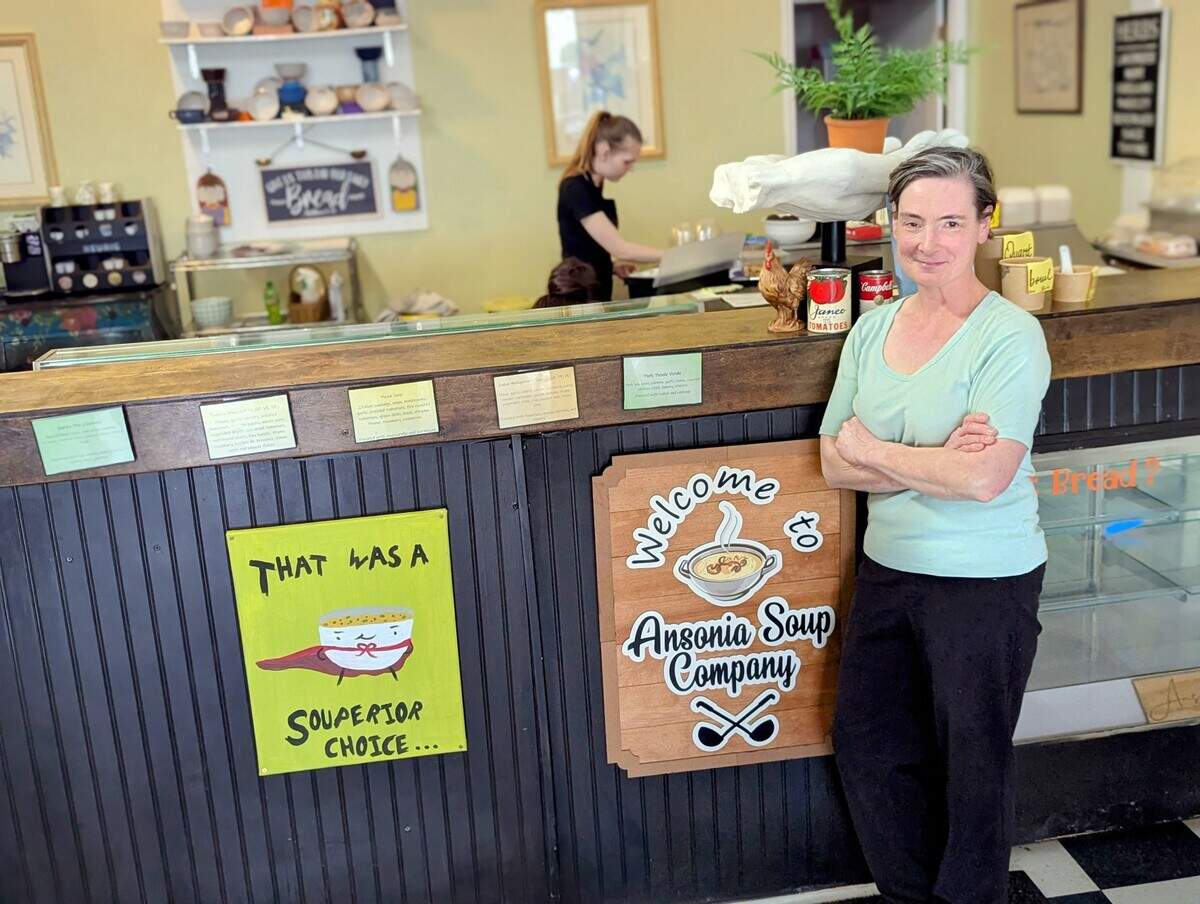
Even as more people do their banking online, bank branches still help drive community business, said Monica Schulze, owner of Ansonia Soup Co. restaurant in downtown Wadesboro. “A big bank would be helpful to plant the idea of more growth here,” she said.
More banking options offer more opportunities to secure loans, said Heith Ricketts, co-owner of H.W. Little & Co. hardware store. “You need to have access to a bank for someone to talk with or make large cash deposits,” Ricketts said.
The Federal Reserve study and other reports found that when communities don’t have access to traditional bank branches, people are pushed toward higher-cost lenders like finance companies and check-cashing outlets. It also creates barriers to financial education and savings opportunities, as well as hardships for small businesses that traditionally do relationship banking.
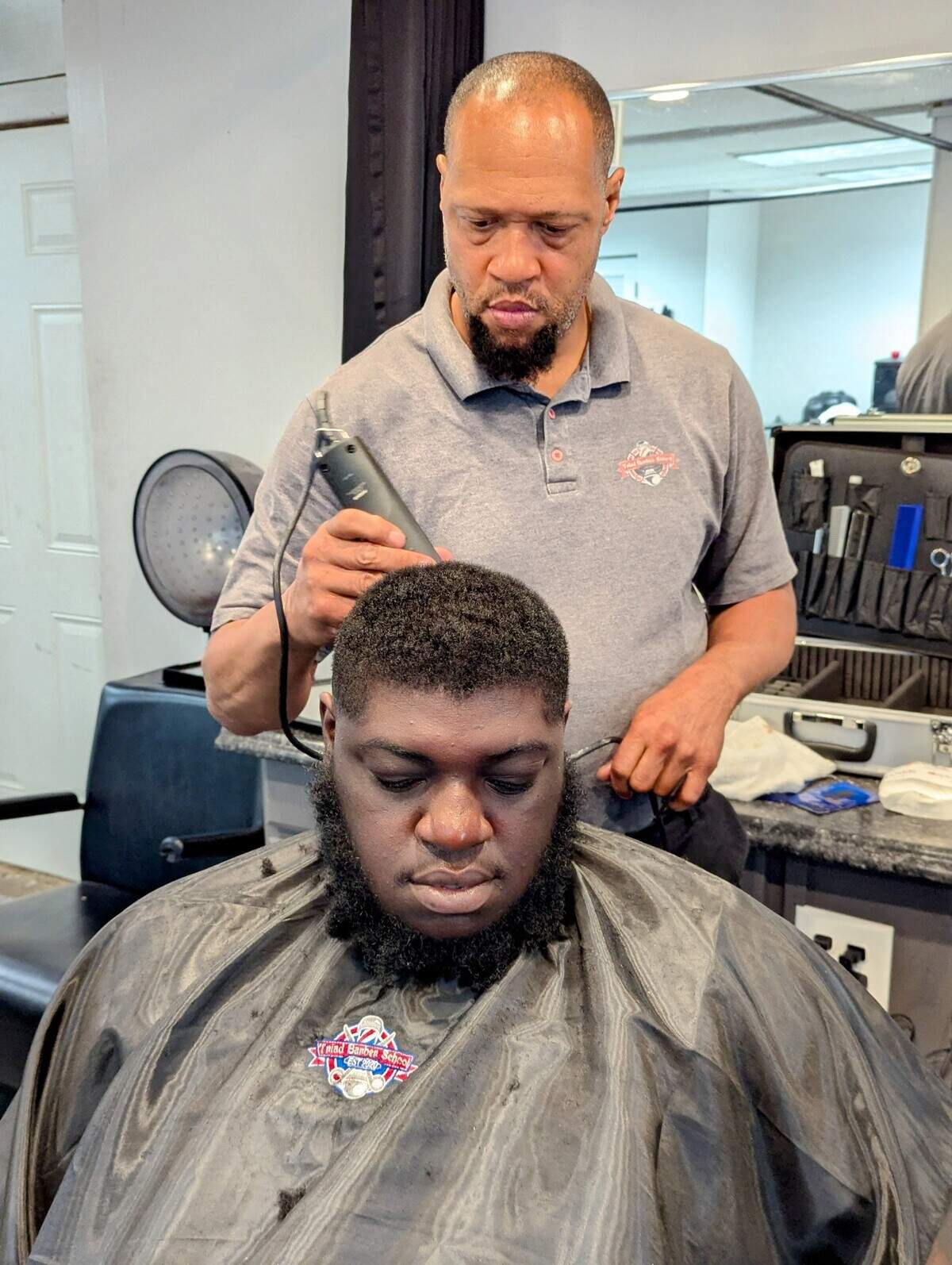
Over at Triad Barber School on South Rutherford Street, Garrett Snuggs said securing business loans has been difficult. He owns two other businesses, Bank Shots Bar & Grill and Tight Cutz Barbershop.
“There’s little competition here,” Snuggs said. “Any time you have competition you’re gonna have better opportunities for the consumer.”
And as mayor pro tem of Wadesboro, Snuggs is concerned about what the lack of banks means for neighbors who spend time and money traveling to banks outside his county. “More opportunity in the community helps us grow from the inside out,” Snuggs said.
Could credit unions be a solution?
As banks have receded, credit unions saw an opportunity to move in.
Banks and credit unions both offer similar services, such as checking and savings accounts, and car and home loans. But banks are for-profit companies while credit unions are cooperatives owned by their members with a board of directors elected by those members.
Carolinas Credit Union League helped craft legislation that would allow credit unions to expand and accept any member who lives in a banking desert. NC House Bill 187, “Credit Union Update,” easily passed the House last month and is now in a Senate committee.
“We’re asking with the legislation to create an opportunity for credit unions to have some flexibility with their membership requirements so that we can serve these banking deserts,” Carolinas Credit Union League CEO Dan Schline said. “Credit unions want to serve these communities that banks have left behind.”
Typically, credit union access is limited to membership requirements, such as where they work or worship.
There are about 60 credit unions headquartered in North Carolina, with the majority of their members recognized as low-income, Schline said.
“They have access to loans and credit based on a relationship with a local bank and when that branch goes away, sometimes that access goes away,” Schline said. “The impact can be significant.”
Banks call credit union bill ‘bad policy’
The North Carolina Bankers Association trade group opposes the bill and scoffs at the idea that banks have deserted communities.
“The banks are building branches all over the state, so there is still a need for these offices, particularly for small businesses,” association CEO Peter Gwaltney said. “Banks are very slow to close branches. They’ll struggle for a long time before they close because of the impact on the community.
“The legislation would effectively convert credit unions into tax-exempt banks,” he said. “And we believe that’s bad public policy.”
For credit unions’ tax-exempt status, the trade-off is that they can provide financial services just like a bank but has membership requirements, Gwaltney said.
The legislation “completely changes the purpose of what a credit union is designed to do, which is to serve people of modest means who share a common bond,” he said.
After the bill passed the House, the bankers association said: “If you have ever paid one penny in income taxes during your lifetime, then you have paid more in income taxes than any of the credit unions that are now seeking to have completely open fields of membership and to leverage their tax exemption to compete unfairly.”
Primary sponsor of the bill Republican Rep. Julia Howard of Davie County and other sponsors did not respond to The Charlotte Observer’s requests for comment.
The bill also does not require credit unions to build physical branches, Gwaltney said. A bank branch can need about $30 million in deposits to cover expenses such as technology, insurance, electricity and staffing, he said.
When asked by the Observer if credit unions would open physical branches or operate digitally in banking deserts, the Carolinas Credit Union League did not answer directly. Instead, it said credit unions have maintained their presence in these communities even though it’s not very profitable to do so.
“It is unreasonable for banks to retreat from some parts of the state while also trying to block anybody else from serving those areas,” the league said in a statement.
Gwaltney said the league’s assertion that 684 banks have closed in North Carolina doesn’t tell the whole story. Some closures were the result of bank mergers and consolidating locations. He said banks are exploring solutions for banking deserts, such as sharing a single branch or deploying mobile units.
Accountability and part of the community
Like Gwaltney, Uwharrie Bank CEO Roger Dick said accountability and transparency is a concern with the legislation.
“The credit unions have become very large and very powerful,” Dick said. “The credit unions are encroaching. I’m okay with that, but pay the same taxes.”
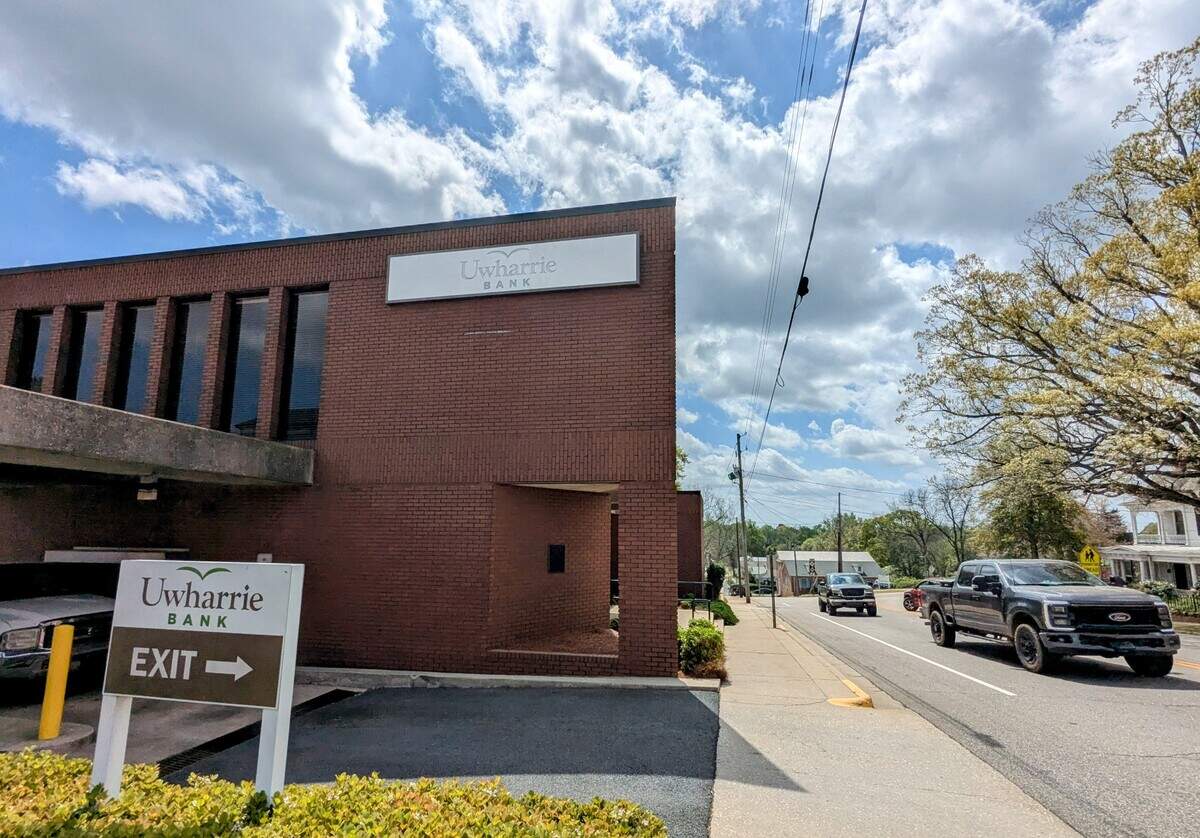
Headquartered in Albemarle in Stanly County, Uwharrie has about 10 branches in North Carolina, as well as other offices. Community banks are typically locally owned, smaller than national banks and focus on needs of the businesses and people where it has branches.
Uwharrie also is one of the two banks operating in Wadesboro. The other is Charlotte-based national bank Truist.
Community banks face their own challenges, including high regulatory costs and competition from large banks and credit unions. Dick emphasized the importance of community banks in driving local economies through reinvestment there.
The legislation further threatens the decline of community banks, according to Dick. North Carolina once had 160 community banks. There now are 38, he said.
Resident life in a banking desert
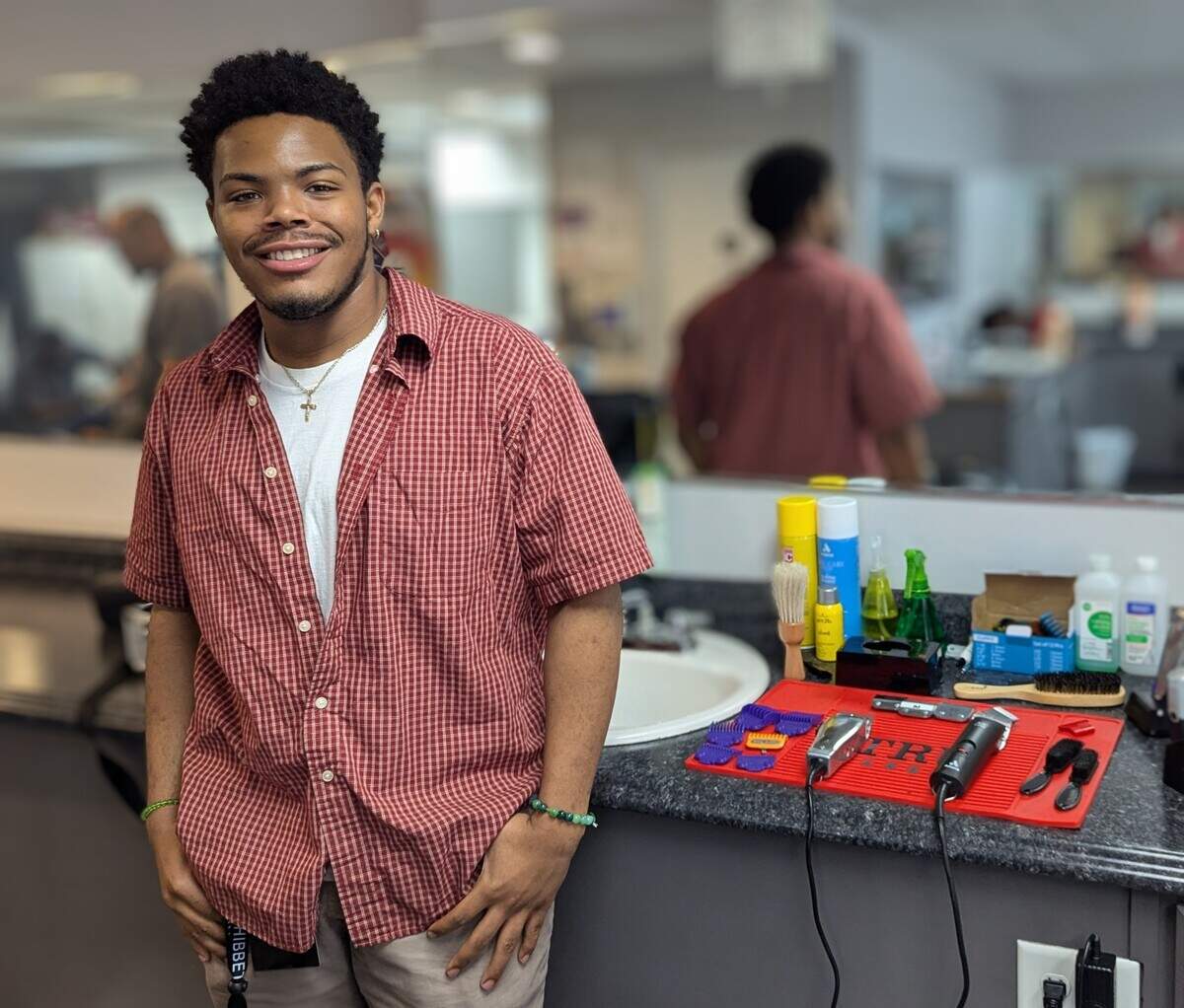
While setting up his work station for the day at Triad Barber School, Mario Thomas said he mostly banks online through the Klarna app on his cell phone. The 18-year-old opened his first personal bank account a year ago with Truist.
But he also goes to the bank, because his mother instilled in him the importance of getting to know your bankers and building credit.
“Foot traffic in branches has fallen dramatically over the past 10 years with the advent of mobile banking,” Gwaltney said. The pandemic helped people get more comfortable with online banking services as well.
“There’s not a service that most banks provide that you can’t access financially through your mobile device,” Dick said.
Schulze at the soup shop said she didn’t meet the membership eligibility requirements for the sole credit union in town, State Employee’s Credit Union. So she banks with Truist.
“They know every single person that comes in,” she said.
At the gift shop, Gibson, 78, also has a personal account with Truist. But he still hasn’t changed the business bank from PNC. “I hate to change,” he said.
Database editor Gavin Off contributed to this report
This story was originally published April 17, 2025 at 5:30 AM with the headline "In the shadow of ‘banktown’, a banking desert grows near Charlotte. Why?."