‘A very unique site’: Will abandoned Springs mill property in Lancaster get new life?
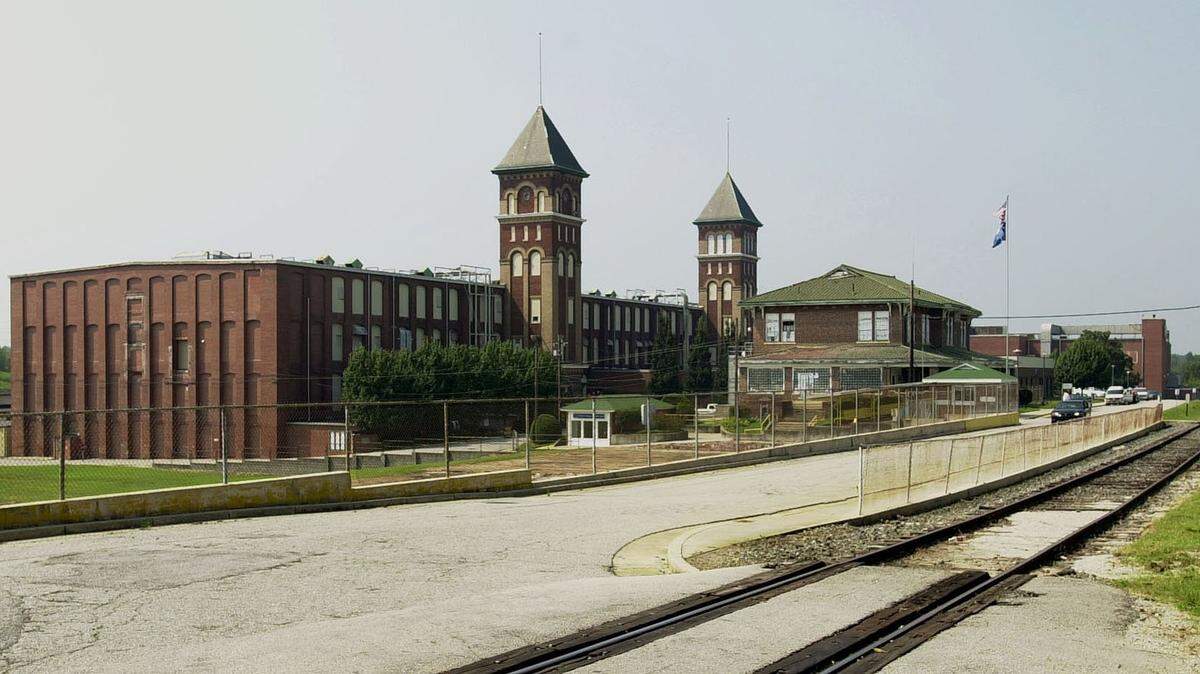
What once was a hub for commerce and community in Lancaster, could be again.
On Tuesday night, city leaders will hear a presentation on redevelopment possibilities for the former Springs Mill site. The property that once employed hundreds of people in Lancaster has since fallen into disrepair. Much of it sat vacant for more than a decade.
“Many communities struggle with former industrial sites,” said Crystal Morphis, founder and CEO of Elkin, N.C.-based Creative Economic Development Consulting. “Communities, like (Lancaster), often have seen an increase in deterioration, dilapidation, increased crime.”
Morphis will update Lancaster City Council on the site Tuesday after a recent study by her firm. The study found possible redevelopment options could include government operations, light manufacturing and retail or restaurants. An historic office building could become a cultural arts center. The study projected a possible 65 jobs at the site depending on redevelopment plans, and more than $21 million in annual revenue from new businesses.
It’s too early to say what specific users might come to the property.
“This is just an early planning step,” Morphis said.
Springs Lancaster plant
The former mill site is a 25-acre property in downtown Lancaster. Ownership is expected to transfer to the city-run Red Rose City Development Corporation. The area is a brownfield site, an environmental listing many former mill or industrial sites face that limit potential redevelopment due to likely site contamination.
Archive Herald and sister paper stories note the main Springs mill closed in 2003. It provided more than 300 jobs as of its closing. Some detail work in 2004 to demolish structures with consideration that Col. Leroy Springs was buried beneath one of them. Stories note the mill opened in 1896.
County records today show several land parcels. The largest tract, at more than 16 acres, transferred from Springs Industries to Alabama-based KMAC Soil & Environmental Service in 2004. That property runs between two railroad tracks where Old Landsford Road meets 1st Street.
In all, five parcels switched from Springs to KMAC in 2004. County records list them with a combined market value of about $118,000.
Most of the buildings came down in 2004. In 2010 the city put a more than 2,200-square-foot law enforcement training and public works facility there. It has 25 employees.
According to the recent study, the Springs Mill neighborhood has dilapidated buildings with more rentals and higher crime than the city average. Income there is a third-less than the city average. About a third of the adult population there doesn’t have a high school education.
Redevelopment opportunity
Each year the company Morphis runs picks one economic development project from a pool of applicant, and does it for free. The firm holds public meetings, gathers information, helps set out a schedule and work with government entities. The Lancaster project is the most recent pick.
“It has to be very unique, and this is a very unique site,” Morphis said. “It also has to have the opportunity to teach us something to be used in other places.”
In this region former mill sites are common. Often entire communities built up around them. There are two common types of redevelopment projects with abandoned mill sites, Morphis said. Some, like the Lowenstein Building and other Rock Hill sites, still have the mill structures that can be repurposed.
Others like the Lancaster site, she said, had mills demolished. A challenge there, she said, is homes and other parts of the community built up because of the old mills which limits room for redevelopment.
“They’re oftentimes in an areas that have been developed around them,” Morphis said.
Another common issue is the brownfield designation. There are steps to give properties a clean environmental bill of health, but they can take months or years.
There are, however, opportunities in Lancaster. The site has good utilities and connection points, including the two rail lines. It’s in a prominent part of Lancaster.
The site is also part of a federal opportunity zone. The program adds tax incentives for developers who work in select low-income areas. Those opportunity zones often include abandoned mill sites, and were a a key factor in the half-billion dollar boom in downtown Rock Hill redevelopment.
“It’s just another level of benefit to an investor,” Morphis said.
Redevelopment plan
The city and Red Rose City Development Corporation are partners with the recent study. Continued community meetings are needed, particularly with the nearby Brooklyn neighborhood. A redevelopment task force may form.
The property still needs to be transferred, and annexed into city limits. A private partner or partners will need to be found. Morphis said several steps still remain before an end user can be identified. The presentation Tuesday is one such step. It isn’t clear yet when more detailed plans will be available.
Mayor Alston DeVenny said earlier this month, ahead of another meeting on the property, that efforts were underway to keep the site listed as a priority need for potential grant funding. There weren’t any specific redevelopment plans in place, DeVenny said.
This story was originally published February 23, 2021 at 12:38 PM.