Wells Fargo just jolted Charlotte’s office market. How it impacts the future of uptown
Wells Fargo’s announcement Tuesday that the bank will move from one Charlotte building to another might sound a bit like an uptown shuffle.
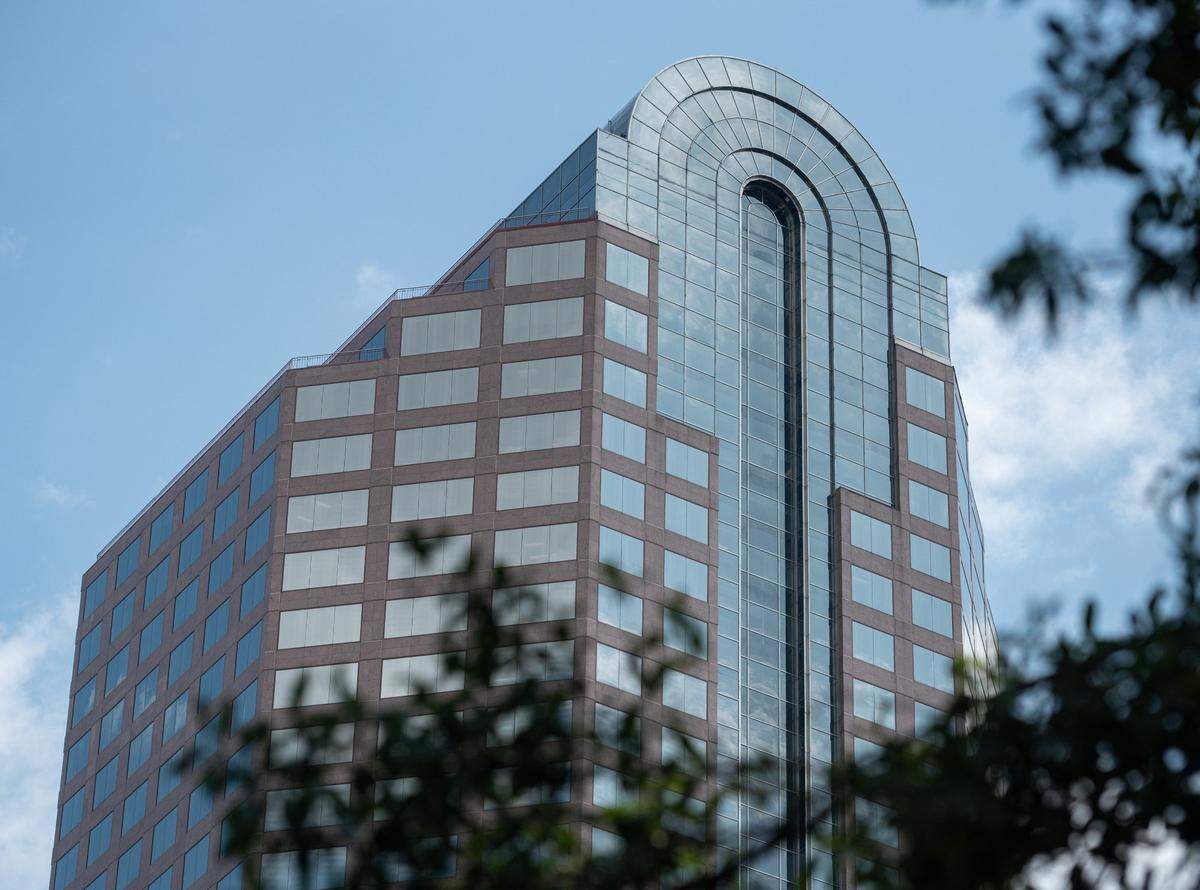
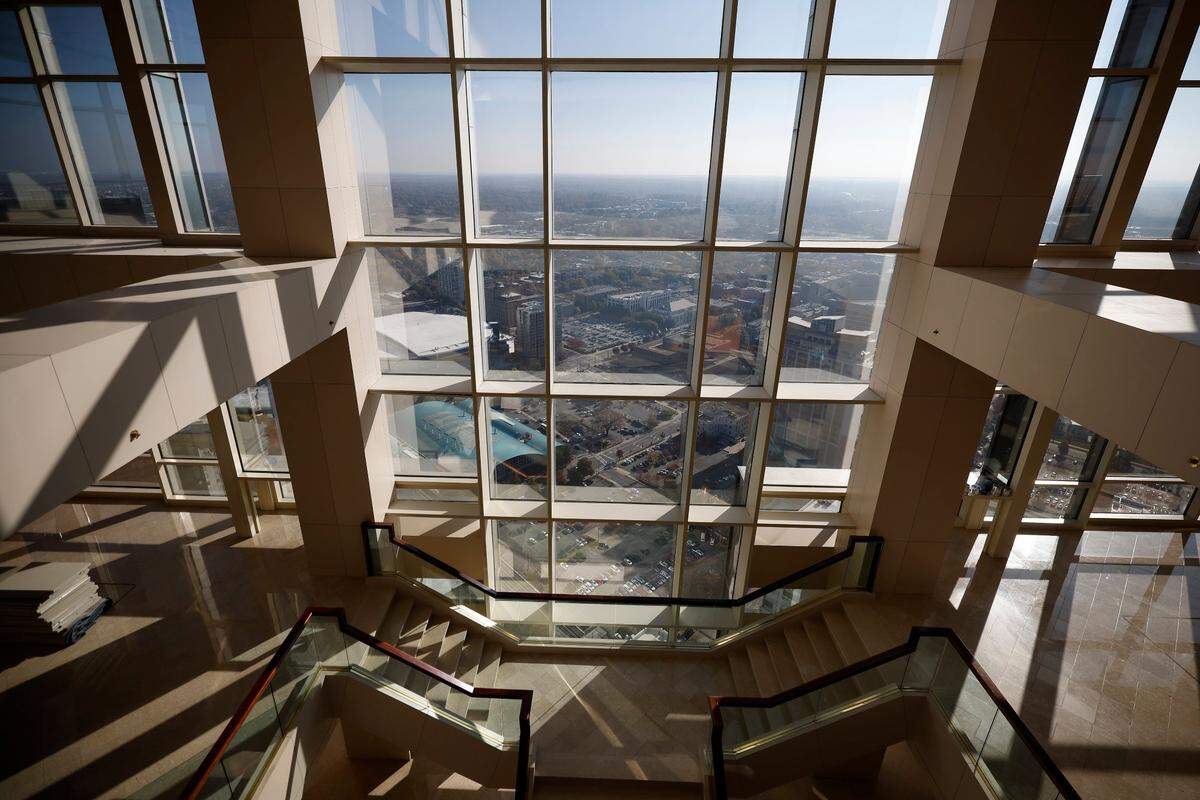
By the end of the year, the bank will exit its iconic longtime home at 301 South College St., the site of its 1980s-era building that resembles a jukebox. Employees eventually will call the former Duke Energy building home at 550 South Tryon St. Workers also will take up space at Three Wells Fargo Center, just up the block.
With the consolidation, the bank is planning renovations and upgrades on several floors at both 550 South Tryon and Three Wells Fargo.
While the bank will keep a big presence in Charlotte, the move does raise questions about uptown’s office environment. The decision comes against a backdrop of companies navigating return-to-work policies and what their real estate needs are when leases come up for renewal.
A large number of employers today are relocating to higher-end, newer construction space, real estate experts told The Charlotte Observer Tuesday.
“The challenge is going to be who backfills that older space” said Chuck McShane, director of market analytics at the CoStar Group, a commercial real estate research firm.
Here’s a look at what four people who follow commercial real estate in Charlotte are saying about Wells Fargo’s latest decision around its office space.
Charlotte’s office vacancy rates
Wells Fargo’s decision to move to a different uptown property comes as the central business district is experiencing a relatively high office vacancy rate.
As of late last year, vacancy rates in uptown were 12.7%. The rates were 5.9% at the start of the pandemic, according to data from CoStar Group.
While the rates might sound high, they actually are a sign of a healthy market, said Michael Smith, president and CEO of Charlotte Center City Partners.
Vacancy is needed when prospective buyers or tenants are looking for space in a market, whether its office or industrial, said James LaBar, Charlotte Center City Partners’ senior vice president of economic development.
If you tell a prospect “no,” he said, you’re telling them no for three years because buildings take a long time to be built.
“It can be a bigger struggle when you don’t have the inventory to be able to respond to opportunities,” Smith said.
Employers using less office space in Charlotte
To McShane, of CoStar, the Wells Fargo move continues a trend by companies to move to new office space. Or, in this case, a move to newer space. The former Duke Energy building at 550 S. Tryon St. dates back to 2009.
McShane is keeping an eye on the fact that companies that typically lease office space in Charlotte are using less of it right now.
Over the past two years, Charlotte added a little more than 33,000 net jobs in sectors that use offices, he said. That includes finance, professional services and information technology.
The total amount of office space that was occupied, meanwhile, increased by 1 million square feet. This measurement is called the net absorption rate and is space occupied minus space vacated.
From 2016 to 2019, Charlotte added 35,700 new jobs across those same sectors. In that time, total office space occupied increased by about 6.7 million square feet.
A well-positioned Charlotte building
Smith of Charlotte Center City Partners sees the Wells Fargo move as the company reaffirming an investment in the city. It also appears like the bank is creating a tighter campus in a consolidated office space.
The city is also excited to see the investment in an older property like the jukebox building, Smith said. Crews have been busy remodeling the top two floors into an amenity space for tenants. The outdoor plaza on the ground floor also received an upgrade, among other changes.
Right now, development is king in Charlotte, said Brett Cox, a research manager with JLL, a commercial real estate firm. Companies are choosing new development as the place to go.
Today’s office workers are generally looking for more amenity space, a well-connected building in terms of technology and the ease of getting in and out of the office.
There also has been a construction boom as of late, Cox said. Look no further than South End where a number of office and apartment towers are being built.
The ability to go vertical now is much more of a challenge with higher interest rates and construction costs, meaning developers are not going to want to go forward with new projects.
Cox is watching how long the development lull occurs and how much leasing activity there will be. The gap could be filled by the existing product on the ground, he said.
One Wells Fargo is still one of Charlotte’s most well-located buildings, Smith and LaBar said. It has direct access to the light rail line, and is steps from the Charlotte Convention Center and the rail trail. With all the upgrades planned there, it should be attractive for tenants.
“Once they do these upfits, it will be a great piece to really pitch to anyone that’s interested in expanding and coming to uptown,” LaBar said.
This story was originally published January 31, 2023 at 5:14 PM with the headline "Wells Fargo just jolted Charlotte’s office market. How it impacts the future of uptown."