
Revisiting the safe havens for Black travelers around Charlotte in the Green Book
Safety Taxi in Salisbury has been driving people to their destinations for decades. But during the era of the Jim Crow, segregated South, it was a destination unto itself.
“Whenever motels for the (Blacks) were filled up and they didn’t have anywhere to sleep or stay, they would let them sleep in the back of the cab stand,” said Safety Taxi owner Archie Shavers. “Even (give them) a hot meal.”
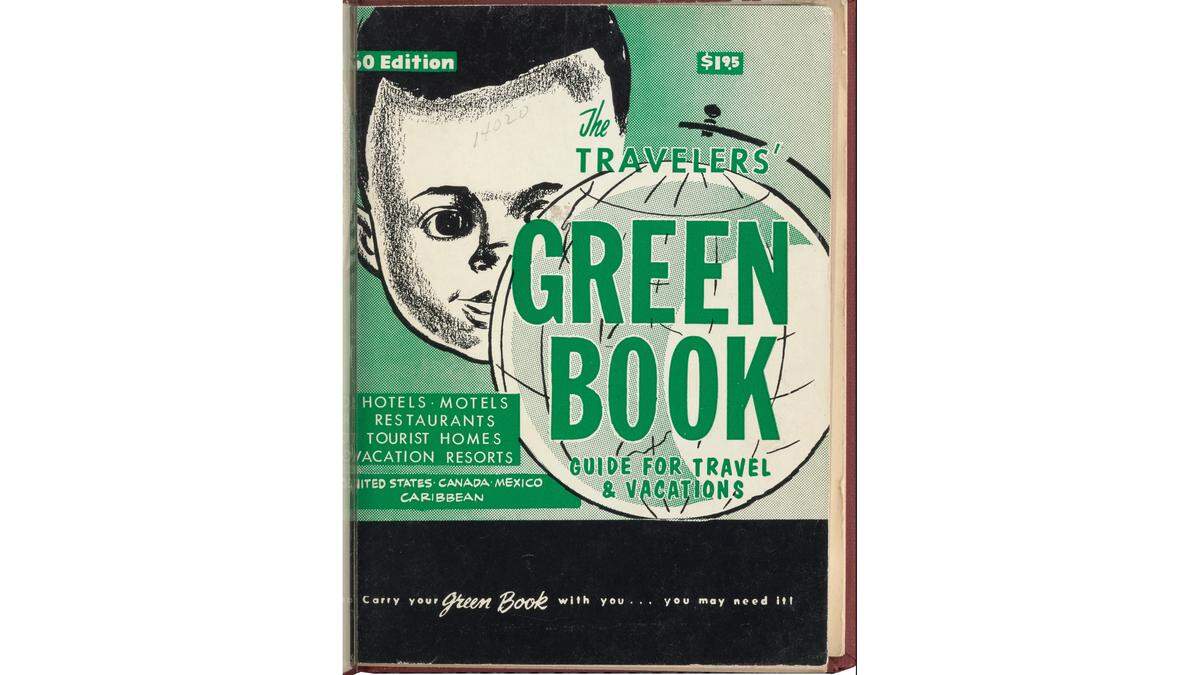
Safety Taxi, a historically Black-owned business for over 85 years, is one of 30 businesses in the Charlotte region listed in “The Negro Motorist Green Book,” according to the N.C. African American Heritage Commission.
Published from 1933 to 1967 during the Jim Crow era, the guidebook listed hotels, restaurants and other businesses throughout the South that did not discriminate against Blacks.
“Danger was always prevalent for Blacks traveling throughout the South outside of their community,” said Xavier Klonowski, collection manager for the N.C. Transportation Museum in Spencer.
Every February for the last four years, the Rowan County museum exhibits “Oasis Spaces,” an exhibit about The Green Book Project by the N.C. African American Heritage Commission.
“This is part of the history of our state and certainly part of transportation history,” Klonowski said, “and it’s important to educate the public about it.”
In 2017, the heritage commission compiled a complete listing of all 327 North Carolina businesses that were in the Green Book.
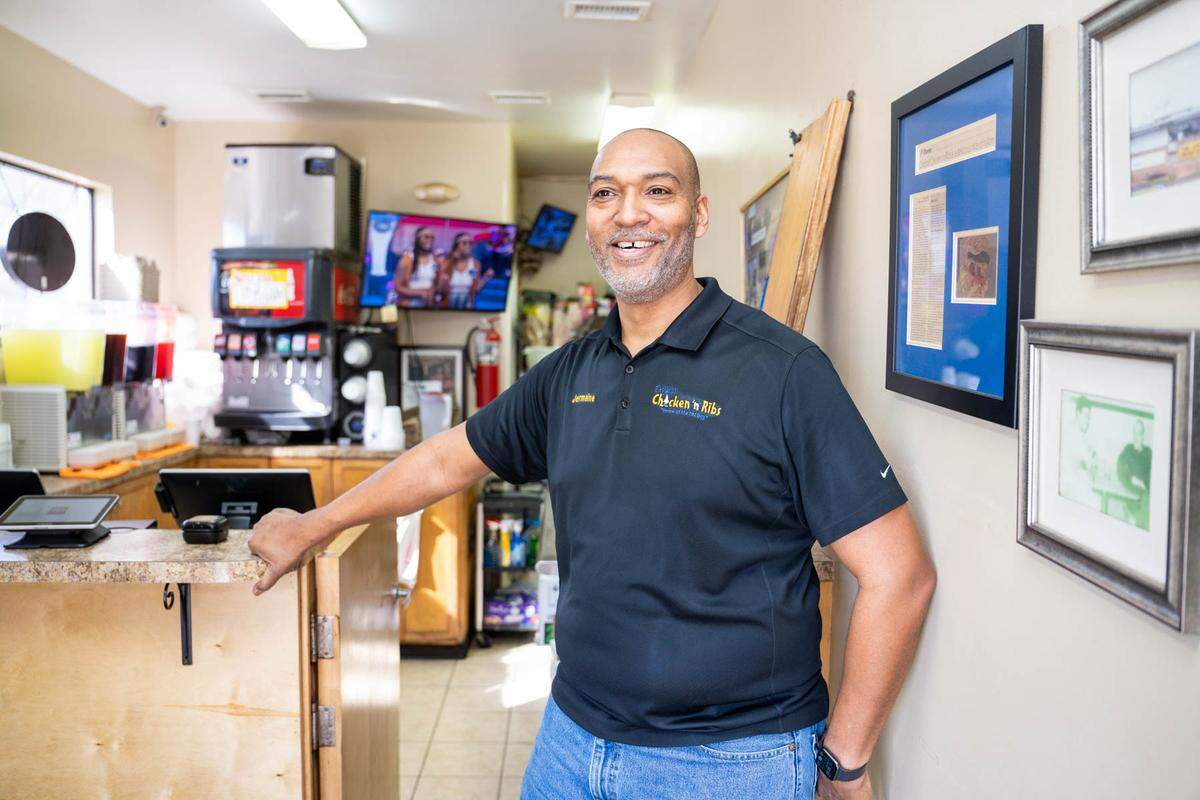
Only one other Charlotte-area business, Chicken ‘n Ribs, that was listed in the Green Book is still in operation today. The family-owned business opened in 1952 and still serves the same staples like fried chicken and burgers at 1100 Beatties Ford Road, CharlotteFive reported.
Studying the Green Book provides a landscape of the African-American community and how they had to function under the injustice of Jim Crow, said local historian Tom Hanchett.
“At that time, they were pretty much at the mercy of a system entirely controlled by white people and risked running into a hostile person,” Hanchett said. “Having these places that were havens really helped people’s peace of mind. You didn’t want to go to the wrong place.”
Learning history
Shavers, 55, who has been with Safety Taxi for 30 years, learned about the cab company’s role in the Green Book from his elders.
He said it’s important to remember the role these Black-owned businesses played in the community, not only providing safety for travelers but also employment.
“I was astonished about that,” Shavers said of learning about the historic role his company played. “We’ve covered a lot of ground over the years. This company’s been around so long that the older generation, both white and Black, just know the telephone number off the top of their head.”
The Green Book in the Charlotte region
More than half of the 15 counties surrounding Charlotte did not have any business listings providing respite in the Green Book, according to the heritage commission’s project.
Those eight counties were: Alexander, Anson, Catawba, Davie, Lincoln, Rutherford, Stanly and Union.
Seven counties — Mecklenburg, Cabarrus, Caldwell, Cleveland, Gaston, Iredell and Rowan — listed businesses from restaurants and hotels to services like barber shops and gas stations. Although all but two businesses are still in operation, some buildings remain. But the majority have been demolished.
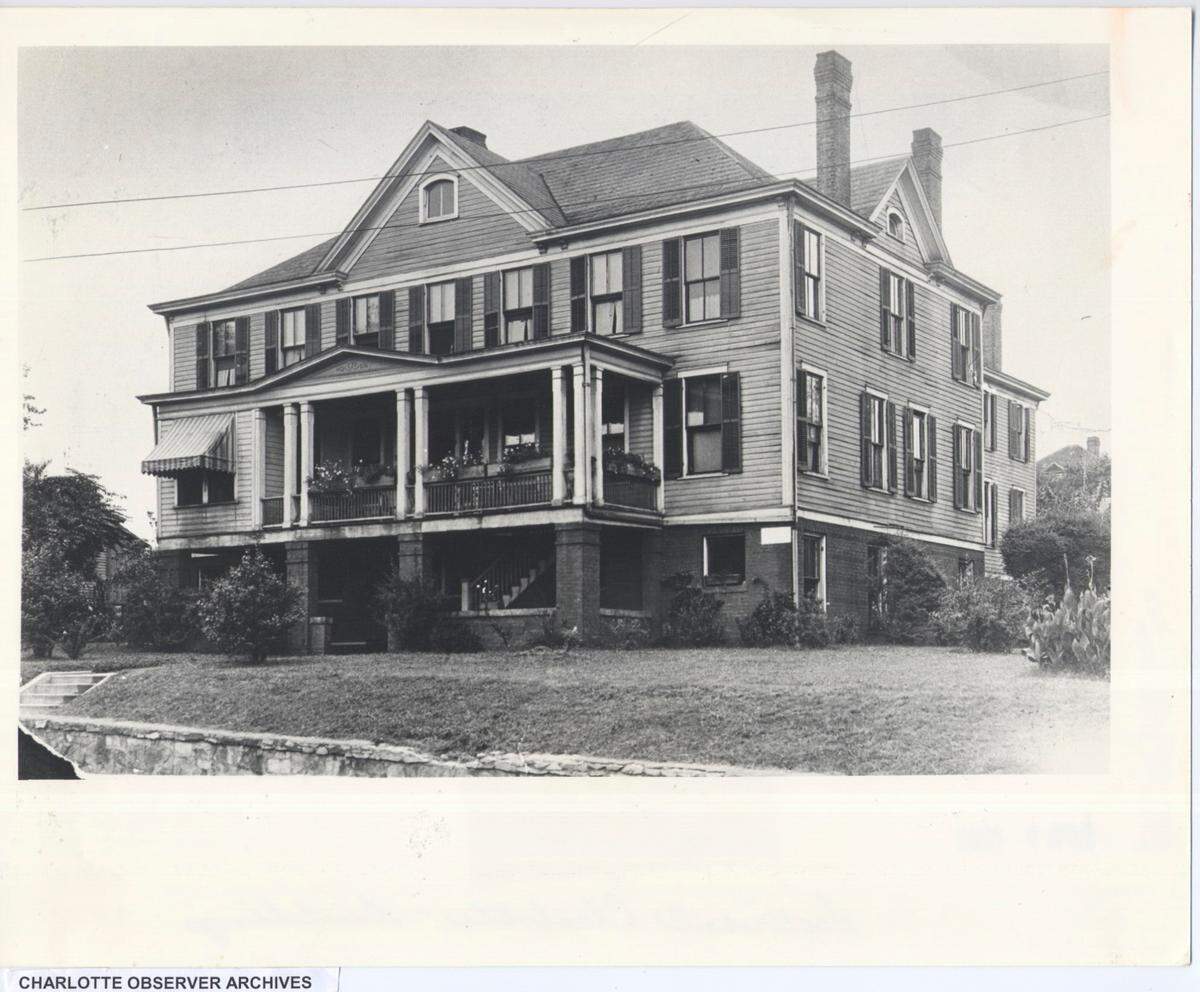
In Mecklenburg County — which listed 20 businesses in the Green Book from 1947 to 1967 — Biddleville Luncheonette at 1116 Beatties Ford Road is now home to CMPD Metro Division, for example.
Charlotte Drug Company at 200 E. Trade St. is Queen City Quarter, formerly Epicentre.
And, the NASCAR Hall of Fame in uptown sits where Edith’s Snack Bar was at 716 S. Caldwell St.
Other businesses like Carson’s Service Station and Frank’s Grill on Depot Hill in south Statesville also have been replaced.
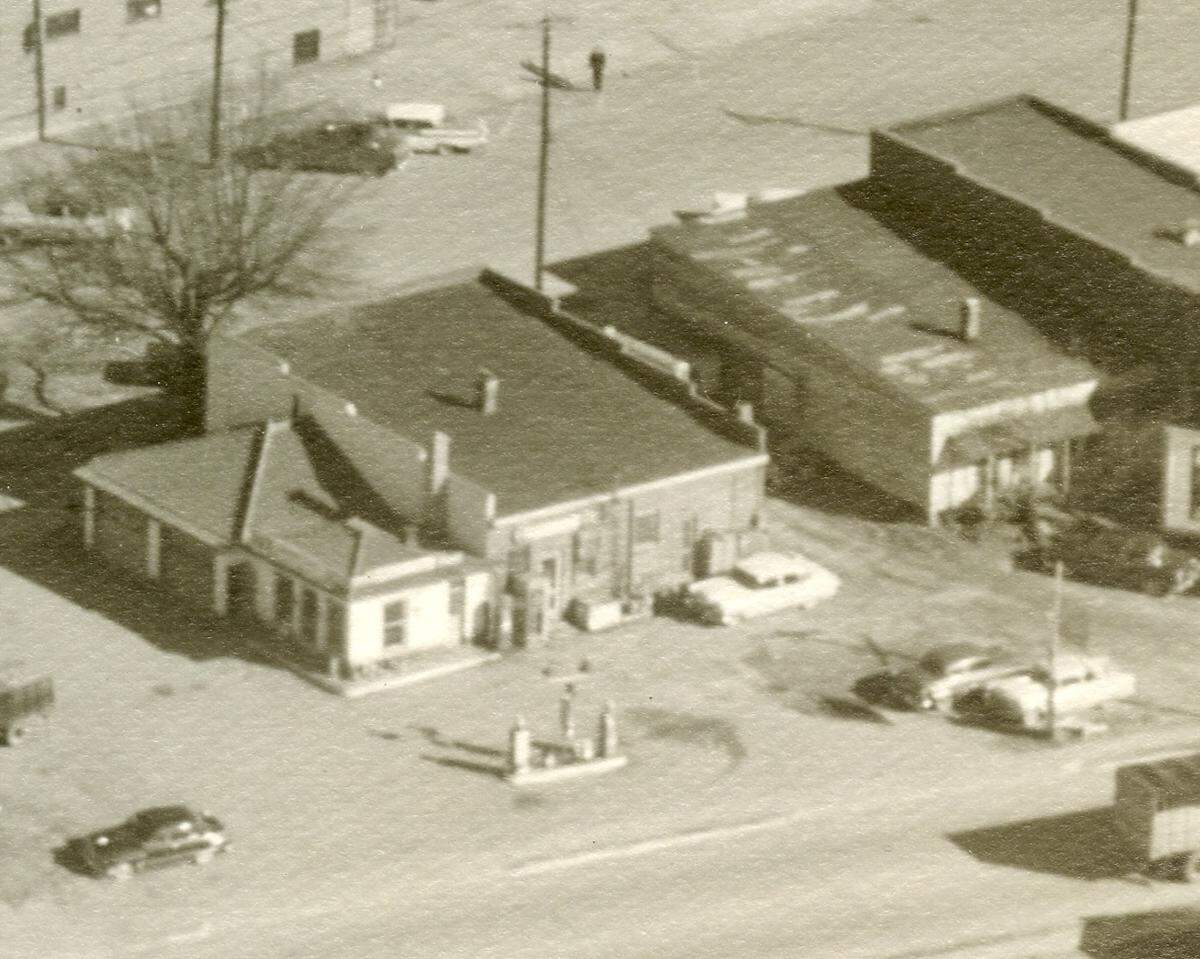
For some businesses that have closed and were listed in the Green Book, only their building remains.
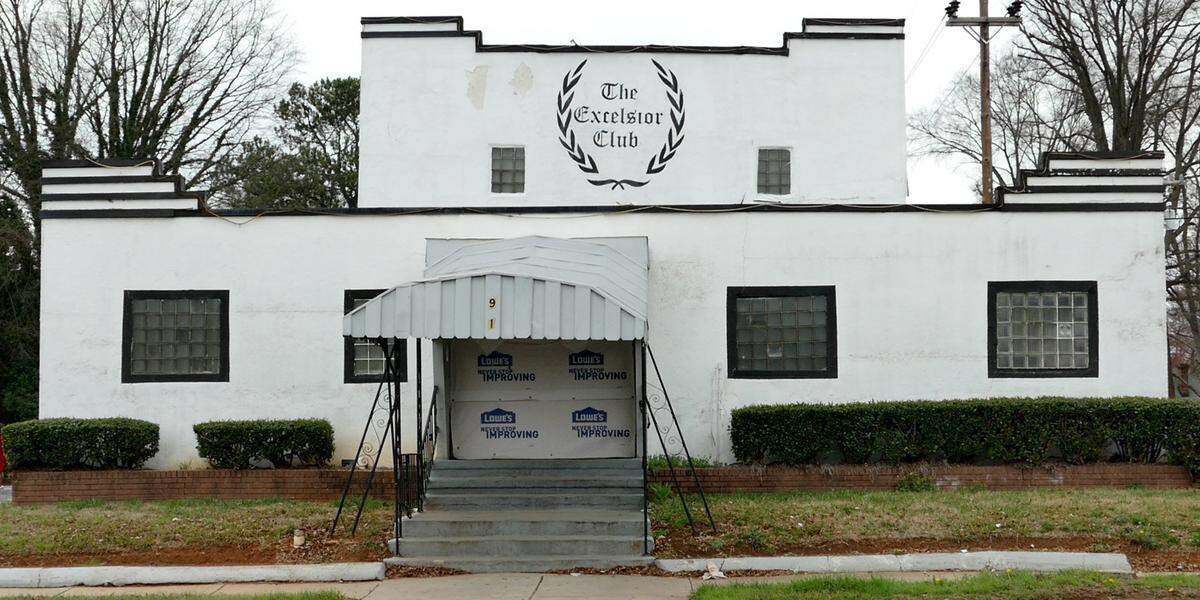
The Excelsior Club nightclub stands at 921 Beatties Ford Road. Musicians like Louis Armstrong, James Brown and Nat “King” Cole played there.
Plans for the west Charlotte site call for converting the building that’s fallen into disrepair back into a music venue, as well as adding a small hotel and restaurant, The Charlotte Observer previously reported.
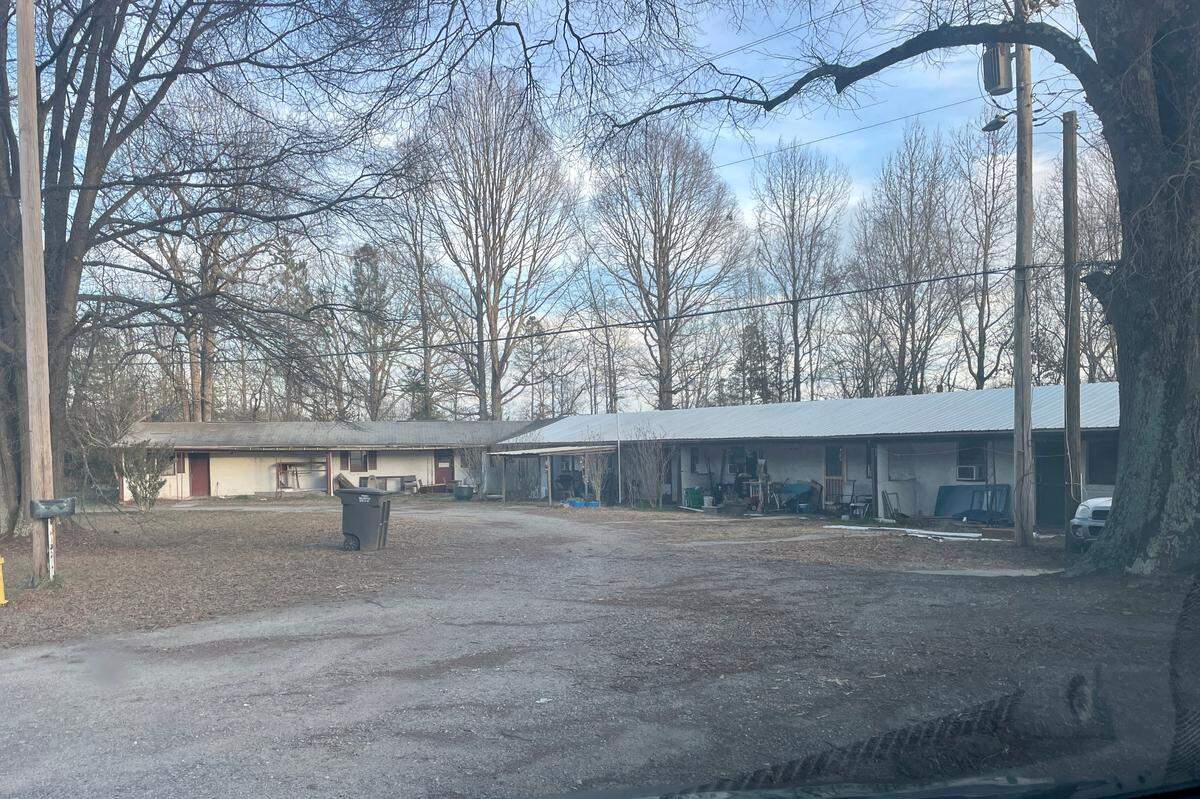
And East Finley Package Store and Gulf Service Station at 224 E. Finley Ave. in Lenoir, Caldwell County, still stands, too. As does Evening Breeze Motel in Iredell County.
Businesses listed in the Green Book
Barbershops: Four, all in Mecklenburg County
Hotels: Seven in Mecklenburg, Cleveland, Gaston, Iredell
Restaurants: Nine in Mecklenburg, Cabarrus, Gaston, Iredell, Salisbury
Service stations: Four in Mecklenburg, Caldwell, Iredell
Drug stores: Two in Mecklenburg County
Dry cleaners: Two in Mecklenburg County
Beauty parlor: One in Mecklenburg County
Night club: One in Mecklenburg County
Taxi cab: One in Rowan County
Note: Dot’s Grill and Rooming House at 470 N. York St. in Gastonia was advertised in the Green Book in two categories under hotel and restaurant.
This story was originally published February 27, 2023 at 6:30 AM with the headline "Revisiting the safe havens for Black travelers around Charlotte in the Green Book."