
Development is all around. A Chester County farmer is choosing to protect his land
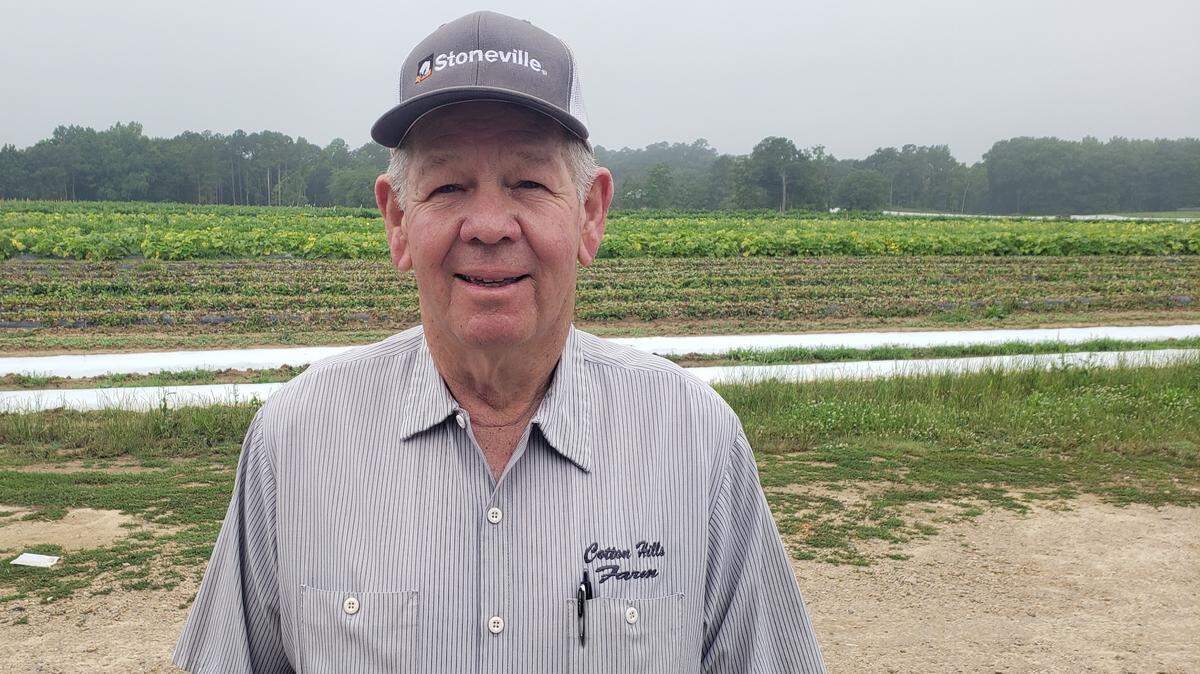
Jeff Wilson gets offers to sell his land on a regular basis.
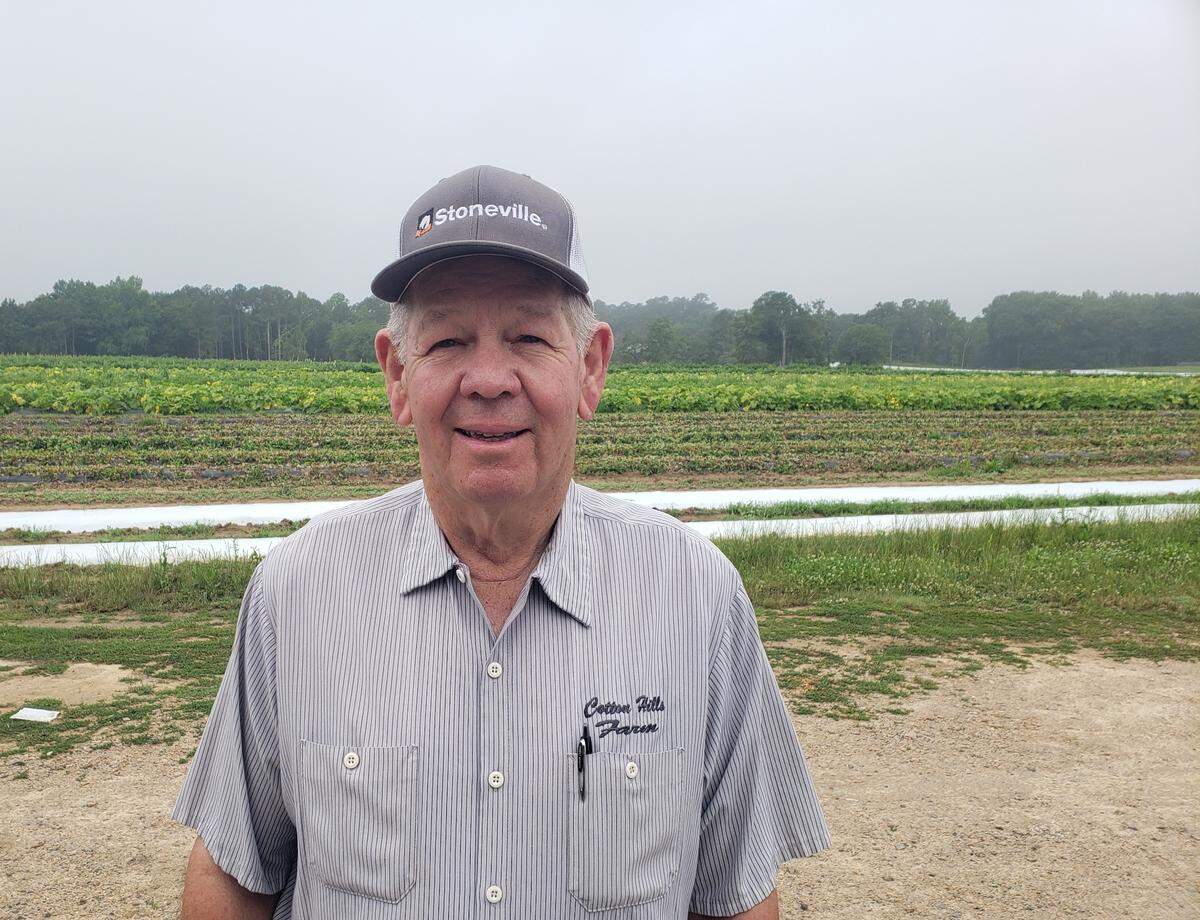
The co-owner of Cotton Hills Farm in Chester County, Wilson knows all about the spread of development heading south from Charlotte down Interstate 77 and along South Carolina Highway 9.
He wants no part of it.
“I think the development pressure is unbelievable,” Wilson said. “Say if you own 100 acres of land, and someone offers you $10,000 an acre, what does that figure out to? A million dollars. It’s hard to break your back every day and see that easy way out. But if you’re a farmer like me, what would I do with the money except buy land again? I’m happy where I’m at.”
Wilson attended a June 21 meeting in Lowrys when the South Carolina Farm Bureau announced the local launch of its Land Trust program.
Farmers can elect to protect their land from commercial and residential development through conservation easements. The bureau will pay the farmers to permanently keep their land safe from development.
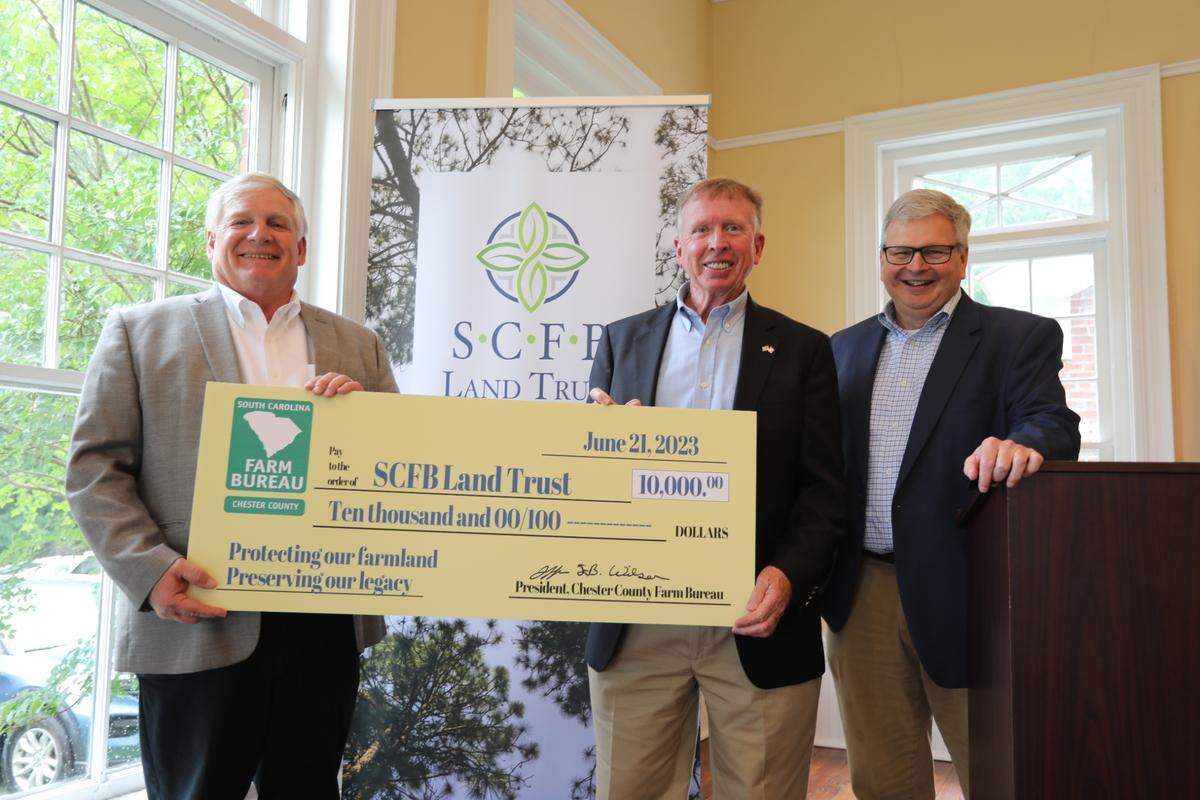
“Every piece of property will have a different price tag,” said Harry Ott, President of the South Carolina Farm Bureau. “It all depends on what you negotiate that you are willing to give up in the deal.
“In other words, if you want to give up all of your development rights, then you’ll probably get more money than somebody who wants to give up part of their development rights but retain the ability to build houses for their grandchildren or to put a pond or other various things.”
As development in the state continues to expand, more and more land is being bought for uses other than farming.
This makes areas with a lot of farm land or natural habitats, like Chester County, a crucial area for the SCFB.
“In Chester County, (programs like land trusts are) important because a lot of the growth that we’re seeing in our state, which is good, economic growth is great, but land gets consumed,” said Richard Carr, the land manager for the South Carolina Farm Bureau Land Trust. “That usually happens along the major highways, and we have Interstate 77 running right through here.”
“What you also start to see is when land, say along an interstate, starts to get really high, it’ll make land values all the way across the county go up. And it’s those high land values that are making it hard for farmers to expand their operation because it just gets too expensive. So what we can do with the conservation easement is kind of lock that in and keep the cost down.”
Putting your land in a conservation easement comes with additional financial benefits, including tax deductions and state tax credits.
Farmland is not the only type of land that can be protected by the land trust program and receive these benefits.
According to the SCFB, the land “must promote at least one of the following conservation purposes, as defined by the IRS:
- The preservation of land areas for outdoor recreation for the education of the general public.
- The protection of a relatively natural habitat of fish, wildlife, or plants, or similar ecosystems
- The preservation of open space (including farmland and forest land) where such preservation is for the scenic enjoyment of the general public or significant public benefit.
- The preservation of an historically important land area or a certified historic structure.
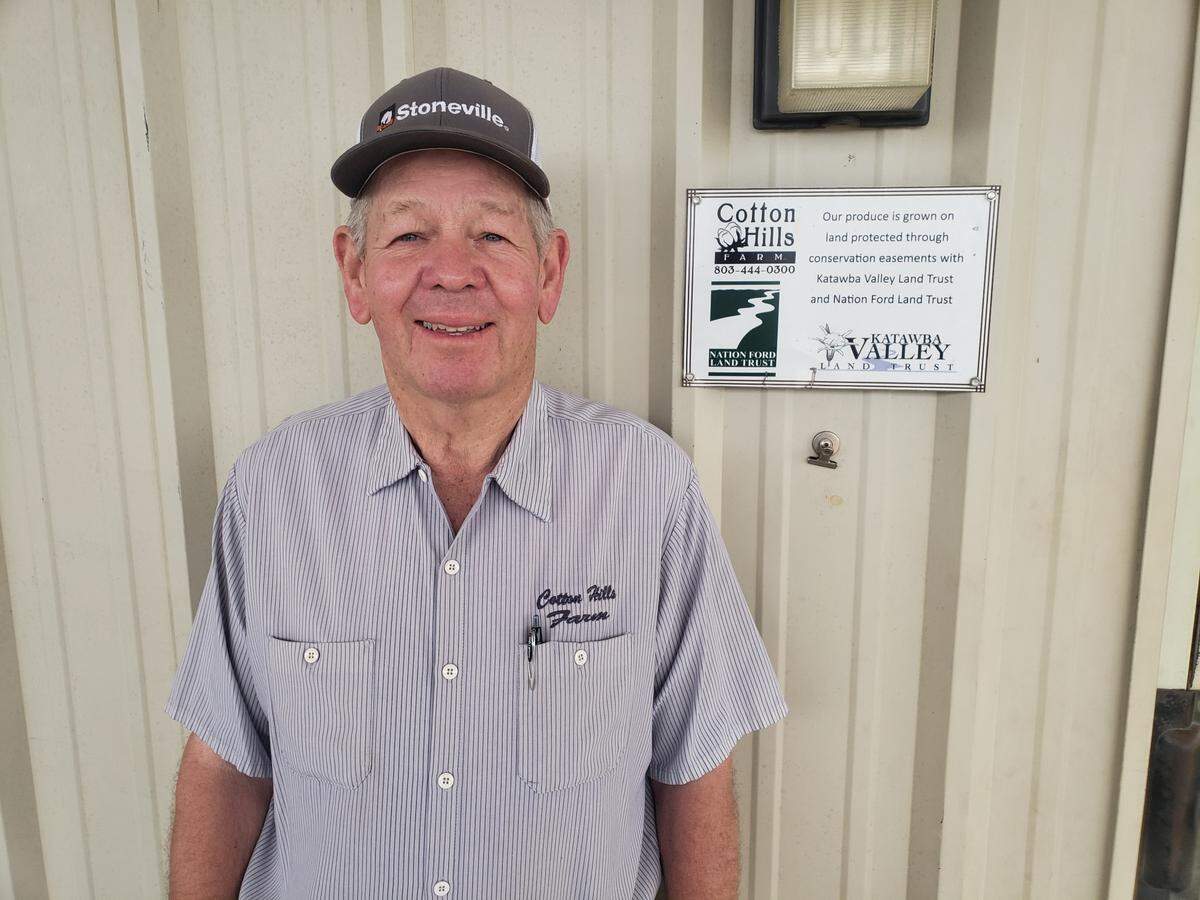
Wilson started his conservation easement for Cotton Hills in 2007.
While the financial benefits were attractive, Wilson said the biggest reason for him to lock his land in was his family. Cotton Hills has been in the Wilson family since 1882, and with the easement, Wilson plans to keep the farm in the family as long as possible.
“Being secure and having my two sons coming back from Clemson, coming back to the farm,” Wilson said. “I have a daughter too, and she’s really interested. Her children are interested in the farm. So it’s the whole family. (The conservation easement) was able to keep our family on the farm as a family farm. And that’s what made me feel like I’ve done the right thing, and I have not regretted it one time.”
Some things to know
Some things landowners should know if you’re considering this option:
First, the land can still be sold to other farmers or landowners who plan to use the land within the confines of its conservation values.
Second, the decision is totally up to the landowners. All the bureau wants to do is let landowners know what all of their options are when considering the future of their property.
“It’s their property, and it will be their property,” Carr said. “So it’s really their decision. We’re more there to inform them, and if they want to make that decision to move forward, that’s wonderful. If they want to sell it to a developer, that’s what they may need to do for their family. We just give them the option, and we show them the benefits that come with it.”
For additional information on the land trust program, conservation easements and their benefits, visit https://www.scfb.org/landtrust