Owner of an active Indian Land development balks at having to pay impact fees
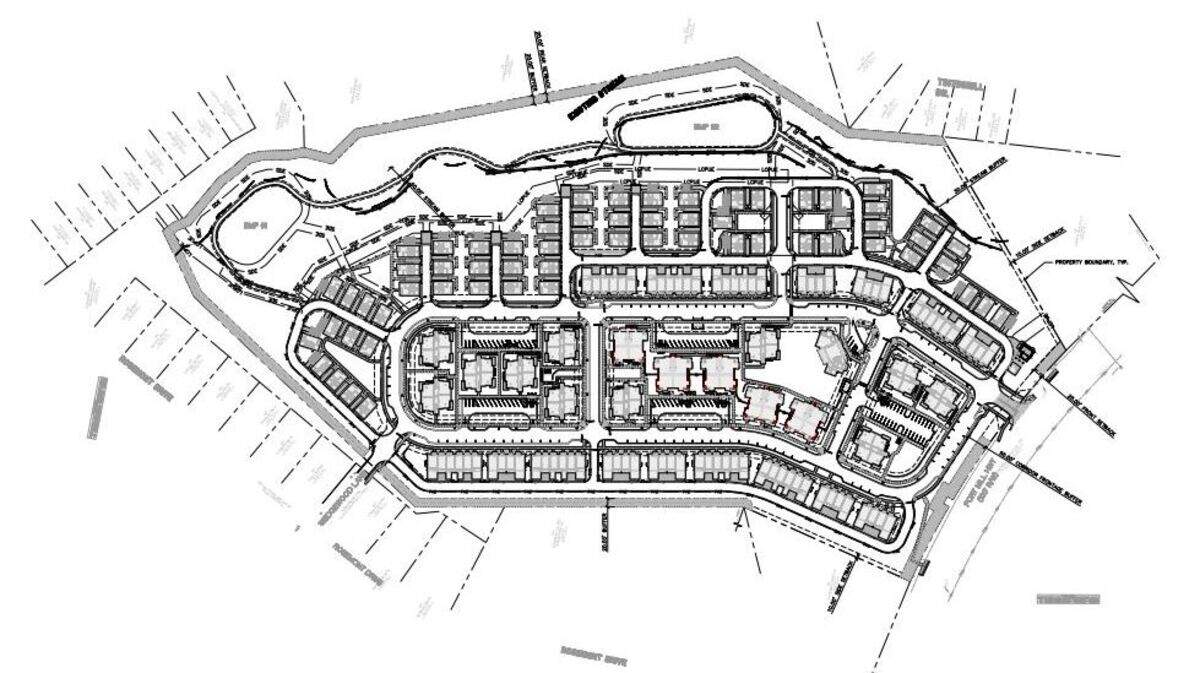
The developer of hundreds of new Indian Land residences wants a decision on whether the company will have to pay hundreds of thousands of dollars in school impact fees.
NR Property Owners has filed an appeal for The Lodges at Indian Land claiming the company shouldn’t have to pay, despite adding more residential units to the plan. The additional units came after the impact fee was established.
The county board of zoning appeals will hear the case Aug. 29.
Lodges is a 39-acre project at 680 Fort Mill Highway, near Rosemont Drive in Indian Land. Work on new residential construction there began in 2019. In 2021, the county approved a master plan with the developer to allow 137 apartments and 80 townhomes. Last year, the county approved an additional 44 apartments.
Between the master plan approval and the added apartments, the county established impact development fees for the panhandle area. The county informed the developer fees wouldn’t be charged on the first set of residences, but would be charged on the 44 apartments approved after fees were set up.
In April, the developer submitted amended civil plans for the project and was told by county staff that impact fee payments must be paid to get permits. The developer asked for information on impact fees and whether the company would have to pay them.
The county rule finalized in September of 2021 sets school impact fees at roughly $8,200 per single-family home and $8,700 per apartment. At those rates, an additional 44 apartments would cost more than $380,000. A fire service impact fee on those same units, at about $1,200 each, would add another $55,000.
In June, the developer paid the fees under protest.
In July, the developer paid more than $60,000 for public safety and recreation impact fees that were on the books prior to the school and fire fees. The developer received permits for five new apartment buildings.
Determining impact on schools
Attorney Dan Ballou, representing the property owner, has appealed the county decision to charge impact fees on the new apartments. In the appeal, Ballou argues the school impact fees are based on unit count but don’t account for the size of residences, and size better indicates the impact on schools.
Despite more units with this project, the development still has the same total number of bedrooms, Ballou wrote. So fees shouldn’t be assessed, he argues.
“School impact fees should account for the unit mix and the number of bedrooms to gauge impact to the school system,” Ballou wrote.
County rules don’t break down homes or apartments by bedroom count. Instead, they list fees based on the total number of residential units.
Ballou also takes issue with the timing of payments.
Impact fees typically are charged at the beginning of construction, when construction permits are pulled by county staff. By charging them up front in this case, Ballou argues, there’s no accounting for the more than 200 units approved before the new impact fees were established. Permits should be released for units approved before impact fees were established, and then the charges should come for the new ones, Ballou argues.
Lodges construction
The payment under protest plan allows the developer to build on what is a visibaly active construction site. Yet there have been challenges.
Earlier this year, a lack of water and sewer service on site caused a construction delays. Water pressure wasn’t up to typical development standards.
The developer and county came up with an unorthodox compromise.
The county would allow construction on buildings within hose reach of a fire hydrant. With two hydrants on the property, that plan essentially allowed work on front and corner areas but not on the back middle section.
Remaining areas would have to wait on increased water pressure.
Permits have been issued so far for five buildings containing 30 units.
Meeting demands of growth
Development impact fees are a popular tool among area counties, cities, towns and school districts. The concept is growth pays for growth, by setting charges on new construction to help pay for schools, police, fire, recreation or other needs in growing communities.
Lancaster County set up fees for its sheriff’s office, fire service, recreation and EMS as of Oct. 1, 2021. They apply from just north of Lancaster up to the northern tip of Indian Land, at the Charlotte and Ballantyne line with North Carolina. The county set up a school impact fee for the Indian Land panhandle, a slightly smaller area, effective Jan. 1, 2022.
Fees vary by area and category. They also vary by land use. A new fast food restaurant wouldn’t pay the same cost as a new home, for instance.
In the first nine months of EMS, fire, recreation and sheriff’s office fees, Lancaster County collected almost $75,000 combined to help fund those services. In the first six months of school fees, the county collected almost $140,000.