
Why Charlotte Fortune 500 companies tempered DEI support in key federal filings
Most Fortune 500 companies in the Charlotte region have stopped emphasizing diversity, equity and inclusion in their annual reports to the SEC, a Charlotte Observer review of the latest securities filings found.
Seven out of nine of the largest publicly traded companies in the area dropped references to diversity and equity in the reports to the Securities and Exchange Commission, known as 10-K filings, which includes key financial, management and legal information. The term “inclusion” remains in most instances.
Among the seven companies, the terms diversity and equity have been replaced with words like inclusion. Mentions of programs and goals related to DEI also have been eliminated. While some companies have scaled back DEI references, others rebranded policies to avoid potential legal or political risks.
“If you’re a company that relies heavily on government contracts at the state and federal level, then you may well run the risk of losing some of your contracts,” said Alphonso Ogbuehi, the College of Business and Professional Studies dean at Johnson C. Smith University. “If that’s a big portion of your business, then that’s a major gamble that you may not be willing to take.”
The Charlotte companies’ annual filings were released Feb. 14-27. They also included workforce-related metrics for overall accountability over the past year and plans for the future.
What these companies say and do can reverberate across the region. They are among the biggest employers, with more than 63,000 local workers among them.
Of those companies, Sonic Automotive was the only one that did not reference DEI last year or this year. Just one company, Honeywell, retained references to “diversity.”
In recent years, businesses have been under increasing pressure to disclose policies on diversity, employee retention, workforce training, and compensation structures, according to Donnelley Financial Solutions, a Chicago company that provides financial compliance and regulation services.
“Investors are keen to understand how organizations cultivate talent, mitigate labor-related risks, and foster an inclusive workplace,” Donnelley said. “Clear and meaningful disclosures are no longer optional — they are a necessity.”
The changes come in the wake of President Donald Trump’s DEI executive order signed Jan. 21, as well as a broader backlash that has been building against such programs.
Trump’s order ended what it called DEI “discrimination in the federal workforce, and in federal contracting and spending.” Trump also encouraged the private sector to do the same. Federal contractors, like banks, are overseen by the Office of Federal Contract Compliance Programs.
Bank of America, for example, eliminated references to diversity and equity, instead referring to inclusion and opportunity.
“We evaluate and adjust our programs in light of new laws, court decisions and, more recently, executive orders from the new administration,” Bank of America spokesman Bill Halldin told The Charlotte Observer. “Our goal has been and continues to be to make opportunities available for all of our clients, shareholders, teammates and the communities we serve.”
Further details about the extent to which a company’s DEI culture and programs have changed will likely be found in annual proxy reports. They come out after the annual reports and closer to the time of the annual shareholder meeting.

‘Companies are treading very carefully’
Many businesses and institutions across the country have abandoned goals promoting diversity and inclusion amid social, legal and economic pushback.
A report released last year by the nonpartisan research group The Conference Board found over 60% of surveyed executives consider the current political environment for DEI efforts to be very or extremely challenging.
“We found most (companies) are modifying the concepts to include a focus on inclusion and belonging,” said Lindsay Beltzer, lead program producer for The Conference Board and co-author of the DEI Under Pressure report. “Companies are treading very carefully right now with the current (Trump) administration, the potential legal implications, but I will say that the work is continuing.”
Despite the challenges, 80% of companies surveyed said they remain committed to maintaining or increasing DEI resources and commitments, Beltzer said. A “sense of belonging” at work leads to greater productivity, greater collaboration, and attracts and retains talent for better business performance, she said.
Ogbuehi agreed, saying, “Changes in DEI policy can affect employee morale — particularly among under-represented groups.”
Companies also may continue DEI policies internally without putting a lot of emphasis on media exposure. “In other words, they’re saying ‘You know what, we’re doing what we feel is in the best interest of our customers and our shareholders,’” Ogbuehi said.

DEI backlash
As of September, 12 states enacted laws restricting DEI policies in public institutions, with similar bills introduced in 16 others, according to The Conference Board report. These laws typically target DEI offices, staff, training, diversity statements and identity-based hiring practices.
Attorneys general from 13 states, including South Carolina, warned Fortune 100 CEOs to adhere to “race-neutral principles” in employment and contracting, the report said. Additionally, private and nonprofit organizations are increasingly facing litigation over alleged discriminatory practices and programs.
And activists on both sides of the DEI issue have promoted boycotts, from last month’s “economic blackout” of large retailers that scaled back DEI practices to the 2023 boycott of Bud Light for partnering with transgender influencer Dylan Mulvaney in a social media campaign.
DEI changes around Charlotte and NC
DEI clashes have percolated across the Charlotte region and the state.
On Wednesday, the N.C. Senate Education Committee supported a GOP plan “Eliminating ‘DEI’ in Public Education” that would prohibit teaching “divisive concepts” and require school districts and charter schools to dismantle their DEI offices.
After a June 2023 Supreme Court decision reversing affirmative action policies in college admissions, UNC Charlotte closed three DEI offices and reassigned nearly a dozen workers. And recently, Charlotte-area schools lost millions in federal grant funding for programs that promoted diversity, equity and inclusion initiatives.
In the wake of the Supreme Court ruling, and amid conservative pressure last year, Mooresville-based Lowe’s home improvement ended some of its DEI programs, mainly those that were LGBTQ focused.
The move was derided by a number of LGBTQ+ groups, who were caught off-guard by the move. Lowe’s is one of the few Fortune 500 company with a Black CEO, Marvin Ellison.
Lowe’s was the lone Fortune 500 company in the region whose latest 10-K is not out yet. The company typically files by the end of March.
Here’s a breakdown highlighting changes at the other Fortune 500 companies in the Charlotte area:
Albemarle
Albemarle Corp. dropped references to DEI, including its “Diversity, Equity and Inclusion” section, in its 10-K filing, replacing it with “Talent and Culture” instead. The chemical company and world’s largest lithium miner also added a “Human Rights” section.
“We believe providing a diverse, equal and inclusive workplace facilitates opportunities for innovation, fosters good decision-making practices, and promotes employee engagement and high productivity across our organization,” Albemarle said in last year’s 10-K filing.
In this year’s report, the company instead refers to providing “an inclusive workplace.” There also is no mention of Albemarle’s Vice President, Diversity and Inclusion.

Two other topics missing this year that were included in last year’s report are:
▪ Albemarle’s recruiting policy requiring candidates from gender or racial minority groups.
▪ Albemarle’s annual pay review by gender, and in the U.S. by gender and race, “to ensure that they are fair and equitable, and not influenced by biased opinions or discrimination.”
This year’s 10-k states: “We continue to pursue strategies and partnerships to attract highly qualified applicants from all backgrounds, offer cross-cultural learning sessions for our employees, and assess promotion, retention, and turnover data to identify potential opportunities for greater inclusion efforts.”
As of Dec. 31, 2024, Albemarle has about 8,300 employees company. The Charlotte-based company has about 1,100 employees in Charlotte and Kings Mountain.
Albemarle did not respond to requests for comment.
Bank of America
Bank of America cut the “Diversity and Inclusion” and “Fair and Equitable Compensation” sections listed in last year’s 10-K. Instead, the bank added “Talent, Inclusion and Opportunity” to this year’s report.
Last year, Bank of America said it was committed to “diversity and inclusion” starting at the top with CEO Brian Moynihan and its board. “Our practices and policies have resulted in strong representation across the corporation where our broad employee population mirrors the clients and communities we serve.”
Two other statements last year that are not included this year:
▪ Bank of America is “committed to racial and gender pay equity and strives to compensate all of our employees fairly and equitably.” This year, under its “Recognizing and Rewarding” performance section, Bank of America said it is “committed to equal pay for equal work.”
▪ There’s no mention of the “Global Diversity and Inclusion Council,” which had been in place for 20 years and chaired by the CEO and senior executives, according to last year’s filing. The group has been renamed “Global Opportunity and Inclusion Council,” Halldin said.
This year, Bank of America emphasizes inclusion and opportunity over diversity. “We are deliberate about the many ways we seek to create an inclusive environment where everyone has the opportunity to achieve their career goals,” the bank’s 10-K states.
Bank of America also includes a demographics breakdown of its 213,000 workers. Last year, it was titled “Diversity Metrics,” while this year it’s called “Workforce data.” This year’s filing has additional U.S.-based employee listings for American Indian/Alaskan Native, Native Hawaiian/Other Pacific, and Two or More Races.
According to the chart:
▪ 50% of employees companywide are women.
▪ 42% of top three management levels are women.
▪ 47% of employees are white.
▪ 71% of the top three management levels are white.
Bank of America’s website still includes a diversity and inclusion page. “At Bank of America, we value all our differences – in background, experience and viewpoints, including socioeconomic status, race, national origin, religion, age, gender, gender identification and expression, sexual orientation, ethnicity, disabilities and veteran status,” the page states.
Bank of America, the second largest bank in the U.S., has more than 19,000 workers in the Charlotte region.
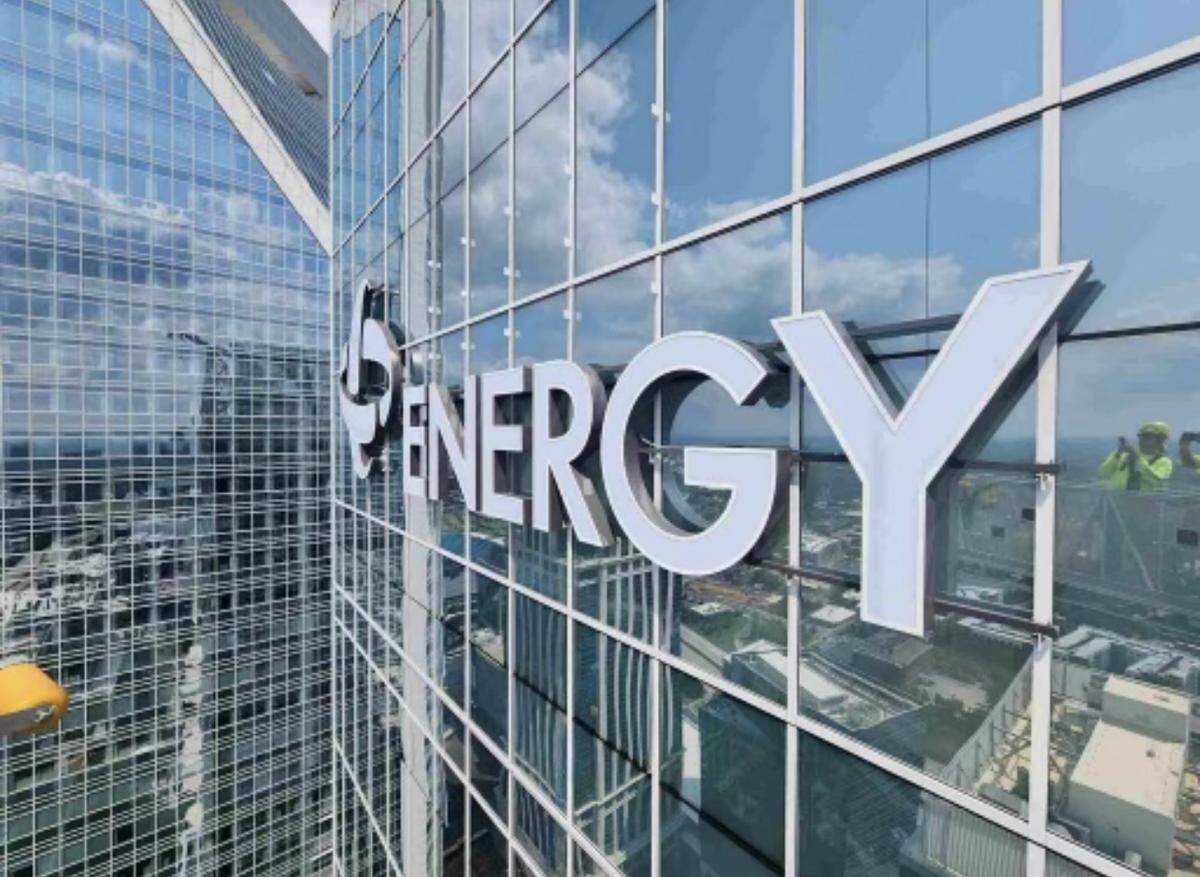
Duke Energy
Duke Energy dropped both “Diversity and Inclusion” and “Compensation” sections from this year’s 10-K filing.
In last year’s filing under a “Diversity and Inclusion” section, Duke Energy said it was “committed to continuing to build a diverse workforce that reflects the communities we serve while strengthening a culture of inclusion where all employees and customers feel respected and valued.”
It included goals for attracting and retaining “diverse” talent, and a workforce made up of 28% for women and 23% of people of color.
An Enterprise Diversity and Inclusion Council would monitor the effectiveness of its “diversity and inclusion strategy and programs,” while worker-led groups focused on “specific diversity and inclusion needs ... the employee experience.”
The company also offered voluntary opportunities for “diversity and inclusion training” and community partnerships, including at historically Black colleges and universities, to build a “diverse and highly skilled talent pipeline.”
But in this year’s filing, Duke Energy did not use the word “diversity,” instead referencing “inclusion and belonging” and “cultural awareness” under its “Employees” section. New this year, the utility company said “In all events all employees are hired or promoted based on merit.”
Duke Energy also omitted last year’s references to HBCUs in its outreach. It instead said it has “developed partnerships with community organizations, community colleges and universities to support our strategy of building a highly skilled talent pipeline reflective of the communities we serve.”
In both filings, Duke Energy said it is committed to “a culture of inclusion where all employees and customers feel respected and valued.”
As of Dec. 31, Duke Energy had 26,413 employees. Its workforce is 23% women and 21% people of color, according to the filing. Duke employs about 7,700 people in the Charlotte region as of June 2023, the Charlotte Business Journal reported. About 4,400 corporate employees work at its Charlotte headquarters in uptown.
Duke Energy did not respond to a request for comment.
Honeywell
Honeywell was the rare Charlotte-area Fortune 500 firm that kept its Inclusion and Diversity section and terminology in this year’s 10-K filing.
Like last year’s filing, the electronics manufacturing giant details its workplace culture with six principles: “Safety Always, Integrity and Ethics, Inclusion and Diversity, and Workplace Respect.”
Last year’s 10-K stated: “Inclusion and Diversity is at the core of all we do and drives us to build and reinforce an inclusive culture. With our global programs and inclusive culture, we recruit, develop, retain, and promote diverse talent. We continue to build partnerships with diverse organizations and develop resources to support diverse employees.”
This year’s states: “Inclusion and Diversity is a fundamental value that enables our long-term strategy. We strive for an inclusive environment where all employees feel valued and respected, and can innovate to solve the world’s most challenging problems. With our global programs and inclusive culture, we recruit, develop, retain, and promote top talent around the world.”
Honeywell did not shy away from using the word “diversity” in this year’s filing.
It stated:“We believe that the diversity of the board and the diversity of Honeywell’s executive leadership supports our evolving business strategy and is a testament to Honeywell’s ongoing commitment to the merit-based hiring of diverse talent, and the development and retention of that talent.”
Honeywell has 102,000 employees as of Dec. 31, in 77 countries with 38,000 in the U.S. Honeywell moved its global headquarters to Charlotte in 2018 and has about 1,150 workers here.

LPL Financial
LPL Financial cut “Diversity, Equity and Inclusion” and its chief diversity officer references from this year’s 10-K filing. Added this year is “Inclusion and Belonging” and references to “culture and inclusivity.” The only reference to diversity is “diversity of thought.”
In last year’s 10-K filing, the financial services firm said its DEI efforts were overseen by the CEO, chief human capital officer and chief diversity officer. In 2023, the management committee received quarterly updates on DEI-related issues. The financial services firm is based in San Diego, California, with its principle office in Fort Mill, South Carolina.
Last year, LPL Financial said: “We regularly solicit employee feedback on the effectiveness and quality of our programs, including our diversity and inclusion programs, and their level of engagement with our business. “
The company said it was committed to “cultivating diversity” by encouraging employee-focused groups to share perspectives and experiences for “African-American, Asian-American and Pacific Islander, Hispanic, LGBTQ, Veterans, Women, People with Disabilities and Working Parents.”
This year’s filing says “Our inclusion and belonging efforts are overseen by our chief executive officer, and chief human resources officer.” LPL Financial’s employee recruitment still focuses on collaborations with historically underrepresented groups, but removed references to attracting “DEI talent” and Black colleges and universities.
As of Dec. 31, LPL Financial had about 9,000 employees in the U.S. It has about 3,000 workers in the Charlotte region.
Nearly half of its employees self-identify as women and 40% self-identify as Black, Indigenous or people of color, this year’s filing states.
In a statement to the Observer, the company said updates to its disclosure form are not a pull-back on support but rather a response to “the evolving legal and regulatory landscape.”
It added, “LPL remains committed to leveraging the benefits of our diverse workplace by prioritizing inclusion and belonging for every employee and client It’s the right thing to do for all our stakeholders.”
The chief diversity officer position was not eliminated, but the title was changed in 2023 to senior vice president of culture and inclusion, which was not reflected in the filing, according to the company.
Nucor
Nucor steel cut “Safety, Diversity, Equity and Inclusion” to “Safety” in this year’s 10-K filing, along with any reference to diversity and equity.
In last year’s 10-K, Nucor said, “We are accelerating our diversity, equity and inclusion efforts with the objective of ensuring that each teammate feels a sense of belonging at Nucor.”
But for this year’s 10-K, Nucor said, “We are accelerating our efforts with the objective of ensuring that each teammate feels a sense of belonging at Nucor.”
Nucor also replaced wording for “some of the initiatives focused on inclusion, equity and diversity we have launched include” with “some of the relevant initiatives include.”
This year’s 10-K includes workplace focus groups talking about the effects of race and gender, and webcasts by diverse senior leaders, as well as a list of national organizations partners for Black, Hispanic and women engineers, and Tuskegee University. It also added a Black Engineer of the Year Award.
Nucor did not break down employee demographics this year. Last year, it said approximately 31% of its employees hired or promoted to manager or general manager were “diverse.”
Nucor has about 32,700 employees as of Dec. 31, the company has about 900 employees in North Carolina and about 31,000 workers throughout its more than 300 facilities in the U.S., Canada and Mexico, according to the company.

Sonic Automotive
Sonic Automotive was the only Fortune 500 company in Charlotte that didn’t change its wording. Both in last year’s 10-K and this year’s, Sonic did not include DEI sections or wording.
What the auto dealership company says is: “We strive to maintain an inclusive environment free from discrimination of any kind, including in our hiring practices and daily operations. Our teammates have multiple avenues available through which inappropriate behavior can be reported, including a confidential hotline.”
As of Dec. 31, Sonic Auto had about 10,800 employees. Sonic Automotive has about 700 employees in the Charlotte area.
Truist
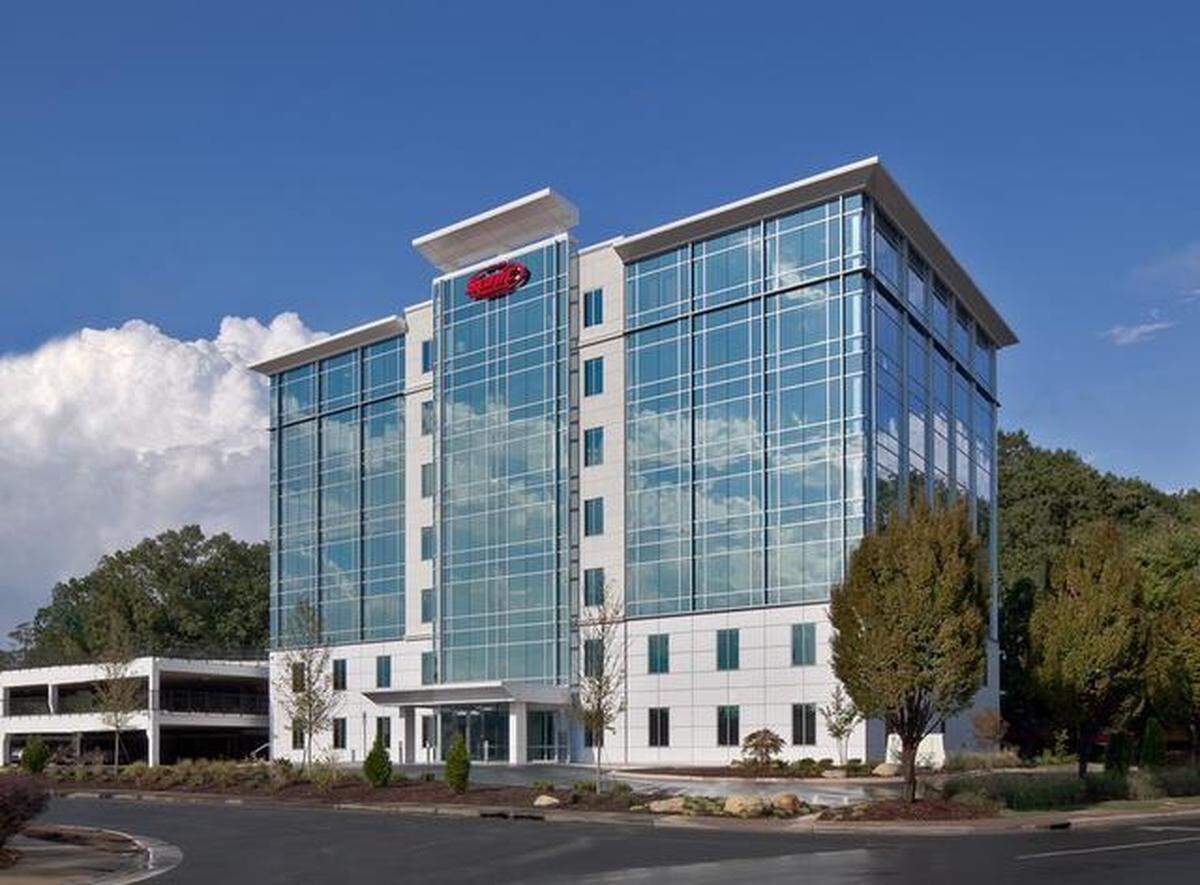
Truist bank removed its “Diversity, Equity and Inclusion” section that it listed in last year’s 10-K filing. Its workforce demographic chart wording also changed from “Teammate Diversity” to “Teammate Composition.”
“Truist’s longstanding commitment to DEI thoughtfully positions the organization to lead and execute inclusively. This fosters an environment where teammates, business, and our communities can thrive,” Truist said in last year’s filing.
In this year’s filing, Truist said it is focused on fostering “a performance-based culture that is reinforced by belonging and inclusivity. ... Through inclusivity, we strive for business settings where every teammate is respected, everyone matters and has a voice, and everyone feels welcome and empowered to make meaningful contributions.”
Truist’s demographic breakdown in this year’s filing shows:
▪ 62.7% of employees companywide are women.
▪ 27.8% of executive management and senior leaders are women.
▪ 81.2% of executive management and senior leaders are white.
Truist’s website states the bank is “relentlessly pursuing a culture of belonging.”
“Diversity is what makes each of us unique. At Truist, our inclusive culture means our teammates can feel confident in themselves, and work together to serve our clients and communities,” the page states. “At Truist, we believe there’s no place for hatred, racism, or bias.”
Charlotte-based Truist has 38,335 employees as of Dec. 31, this year’s filing shows. More than 3,000 workers are in the Charlotte area, the Observer reported in July.
Truist did not respond to a request for comment about the DEI wording changes.

Wells Fargo
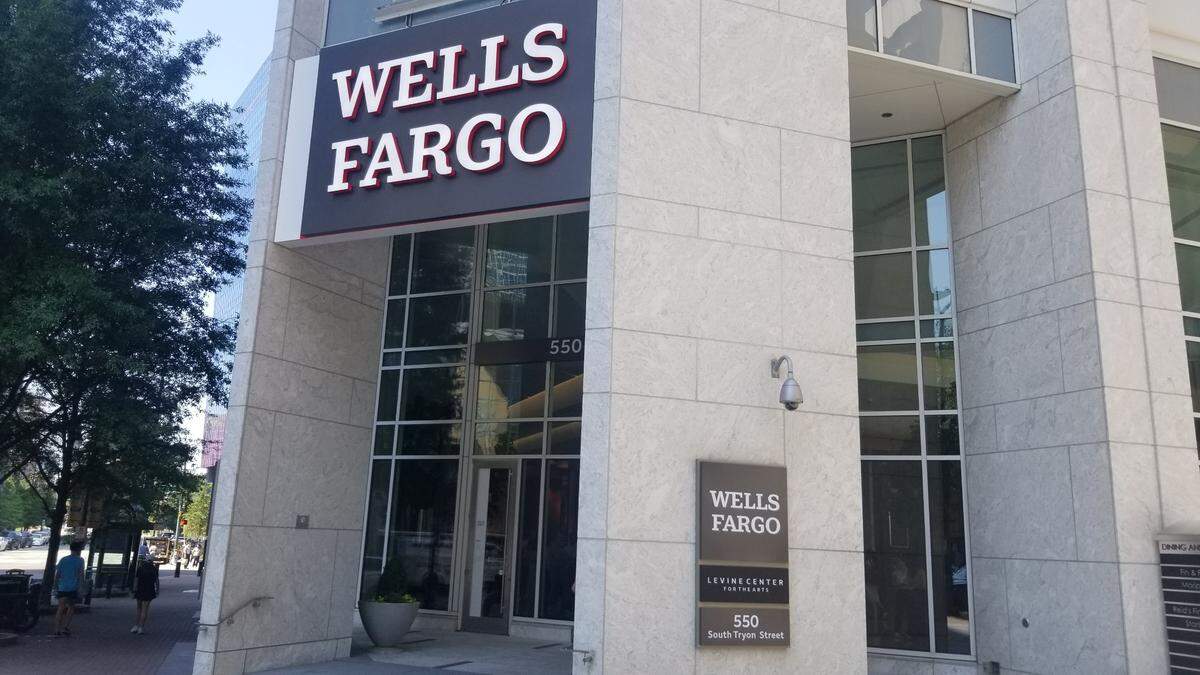
Along with Bank of America and Truist, Wells Fargo is one of Charlotte’s “Big 3” banks, even though it is based in San Francisco. It made our list because it has its largest employment hub in Charlotte, with about 27,000 workers.
Wells Fargo cut its “Pay Equity Review” section that included “Promoting Diversity, Equity and Inclusion” listed in last year’s 10-K filing.
Last year’s 10-K filing said: “Wells Fargo values and promotes diversity, equity and inclusion (DE&I) in every aspect of our business. We are dedicated to recruitment and career development practices that support our employees and promote diversity throughout our workforce, including leadership positions.”
Last year, the bank also focused on annual pay equity review comparing salaries for women and men, and minorities. “We may make adjustments to compensation in the event the review identifies gaps.”
In this year’s 10-K filing, however, Wells Fargo said: “We want to be recognized as a great company for everyone by maintaining recruitment and career development practices that support our employees and provide an environment that welcomes people from different backgrounds and with different experiences.”
Wells Fargo’s employee demographic breakdown in this year’s filing shows:
▪ 51% of employees companywide are women, compared to 49% men.
▪ 54% of U.S. employees are women, compared to 46% men.
▪ 51% of U.S. employees are white, 48% are “racially/ethnically diverse,” and 1% undeclared.
Wells Fargo’s website includes an “Inclusion and Accessibility” page that says it’s committed to building an inclusive workplace.
“Imagine a company where the differences are resources for success,” the page states.
Wells Fargo did not respond to a request for comment about the changes.
This story was originally published March 6, 2025 at 5:30 AM with the headline "Why Charlotte Fortune 500 companies tempered DEI support in key federal filings."