What happened in Charlotte during the 24-hour ‘economic blackout’ on Target, retailers?
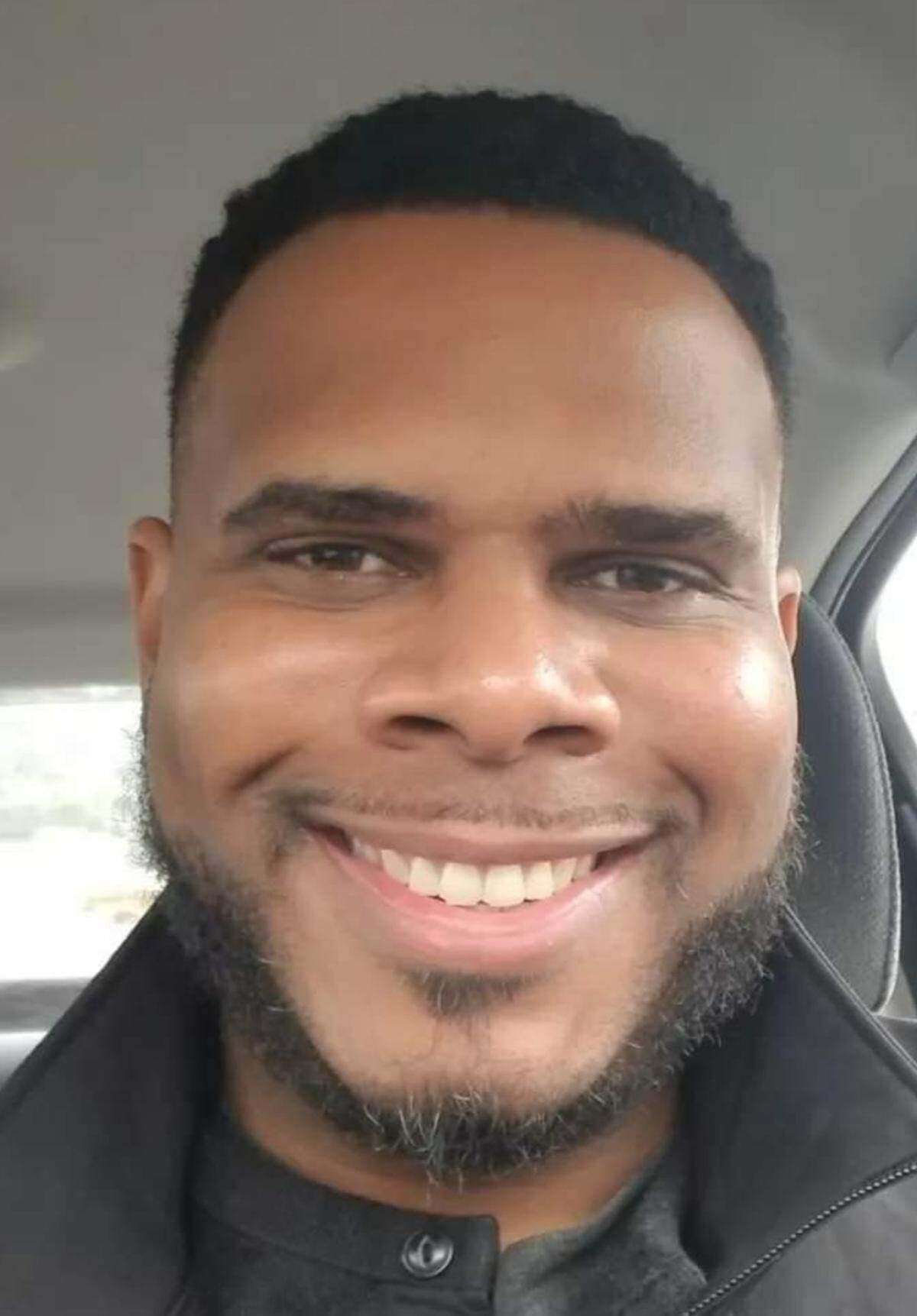
Entrepreneur Cathay Dawkins had a busy Friday afternoon setting up a big event with vendors anticipating packed crowds with people lining up to buy food.
For Dawkins, CEO of Black Business Owners of Charlotte, a nationwide boycott of large corporations was perfect timing to kick off Black Food Truck Fridays this year. Thousands of people attended the event by Movement School Southwest.
With consumers sending messages to big companies, Dawkins was glad to see small business owners get attention at the event and throughout Charlotte. Large retail companies’ plans to scale back diversity, equity and inclusion practices following the inauguration of President Donald Trump was another reason for the boycott.
Dawkins knows the goal is to hurt big businesses, but he supported the boycott.
“Sometimes they have to feel the sting to know that there’s something out there that’s impacting us all,” said Dawkins, who also serves as the chairman of the Charlotte Mecklenburg Black Chamber of Commerce.
Dawkins started Black Business Owners of Charlotte to empower Black entrepreneurs through outings like the food truck event, which will be held every fourth Friday in 2025. It also featured an artist showcase, vendor market and business workshops. People of all backgrounds and ethnicities are welcome to attend events.
He said he believes politicizing diversity impacts everybody, including people of color, disabled individuals, the LGBTQ community and women.
“It harms us all when we politicize words like that and limit opportunities,” he said.
How did the boycott start?
A group called The People’s Union USA called on U.S. consumers to stop shopping at major stores like Walmart and Best Buy or online at Amazon on Friday for 24-hours in what it’s calling an “economic blackout.”
The self-described grassroots movement said on its website that the boycott was meant to disrupt the economy and send a “powerful message” to corporations and banks who “only care about the bottom line.”
“If they don’t listen (they wont) we make the next blackout longer (We will),” the group’s website said. “This is our first action.”
Participants avoided making purchases with debit or credit cards at major retailers, fast food restaurants, and gas stations until midnight, the group said. And any essentials, like medicine or food, were to be purchased from small, local businesses instead.
Beatties Ford Road Hardware in west Charlotte is one of those small businesses. The store had more business than usual on Friday. The owners were in support of the boycott, especially since larger corporations receive tax breaks and tariff taxes on imported goods.
“It’s something that needs to be done,” the owners said about the boycott. “Our voice has to be heard in different ways.”
Still, a Walmart and Lowe’s on South Tryon Street in southwest Charlotte, and the Target on Metropolitan Avenue just outside uptown, appeared to have normal customer traffic on Friday afternoon.
‘We are finally going to turn the tables’
John Schwarz, the founder of The People’s Union USA, posted a video on Instagram on Feb. 18 ahead of the boycott, encouraging people take part.
“For our entire lives, they have told us we have no choice. That this is just how things are,” Schwarz said. “That we have to accept these insane prices, the corporate greed, the billionaire tax breaks, all while we struggle to just to get by.”
Economic security was a key issue in the 2024 presidential election and a major reason many voters cast their ballot for Trump, according to the Associated Press. Friday’s boycott came at a time when a majority of Americans say their income is not keeping up with inflation, according to a CBS survey.
It’s also not the first time a major retailer was hit with calls for a boycott since Trump began targeting diversity, equity and inclusion initiatives — better known as DEI — in the federal government, non-federal public and private sectors, and for LGBTQ people.
Activists called for protesting shopping at Target in January after the retailer was among the major retailers to walk back its diversity initiatives. And Walmart and Amazon, which are both named in Friday’s boycott, have also started rolling back policies that accept and promote diversity.
Dawkins said he hopes it will make big companies reconsider how they look at DEI or if they made a mistake by cutting it.
He said he was an avid Target supporter before the changes and the chain’s backing away from a commitment made after the 2020 killing of George Floyd, and protests that followed. Floyd was killed by a police officer who kneeled on his neck for around eight minutes during an arrest captured on video.
“After George Floyd they made a commitment and it created shareholders,” he said. “I became a shareholder and other people that were able to do it became shareholders thinking they were aligned with what we’re aligned with.
“And for them to come in and just change it because of politics shows they were not committed,” Dawkins added. “They got to feel this sting.”
Dawkins said that it’s not good from a marketing and branding perspective.
“We talk about brand recognition and we talk about how social responsibilities and community drives that,” Dawkins said “And if you go against what your brand and what your brand has put out there, you are going to get backlash.”
Another trend, called “No Buy 2025” also made rounds on social media on Friday. People, particularly with Gen Z, encouraged consumers to avoid purchasing luxury items and new merchandise, and stick to the essentials.
Schwarz said Friday’s boycott was “about momentum” and that there would be future boycotts, including one in April.
“This is how we change the game,” Schwarz said. “Not by waiting for politicians. Not by hoping they’ll do the right thing. But by finally taking action ourselves.”
This story was originally published March 1, 2025 at 5:00 AM with the headline "What happened in Charlotte during the 24-hour ‘economic blackout’ on Target, retailers?."