Rock Hill may change former Panthers site zoning. The move could impact hundreds
Rock Hill’s efforts to market the former Carolina Panthers headquarters site off Interstate 77 could impact how hundreds of property owners can develop their land. All because of a nearly 5-acre spot on Mount Gallant Road.
A seemingly minor rule change requested by the city there would impact what can be built and how it would look could have lasting implications if other property owners aim to follow the city’s lead. Randy Graham, city planning commission chairman, believes the city and private landowners should be held to the same standards.
“I do think that’s a fair way to play,” he said.
Panthers site prompted Rock Hill design overlay
The city applied to rezone most of what will be a 220-acre economic development site at Eden Terrace and Mount Gallant, off Exit 81.
Zoning changes will allow the city to better promote the property for corporate site selection teams. The city acquired it three years ago through bankruptcy after the Panthers development team pulled out of its new headquarters plan.
Combining parcels at the former Panthers site and unifying the zoning for them involves the removal of design standards for a small piece at 280 Mount Gallant Road.
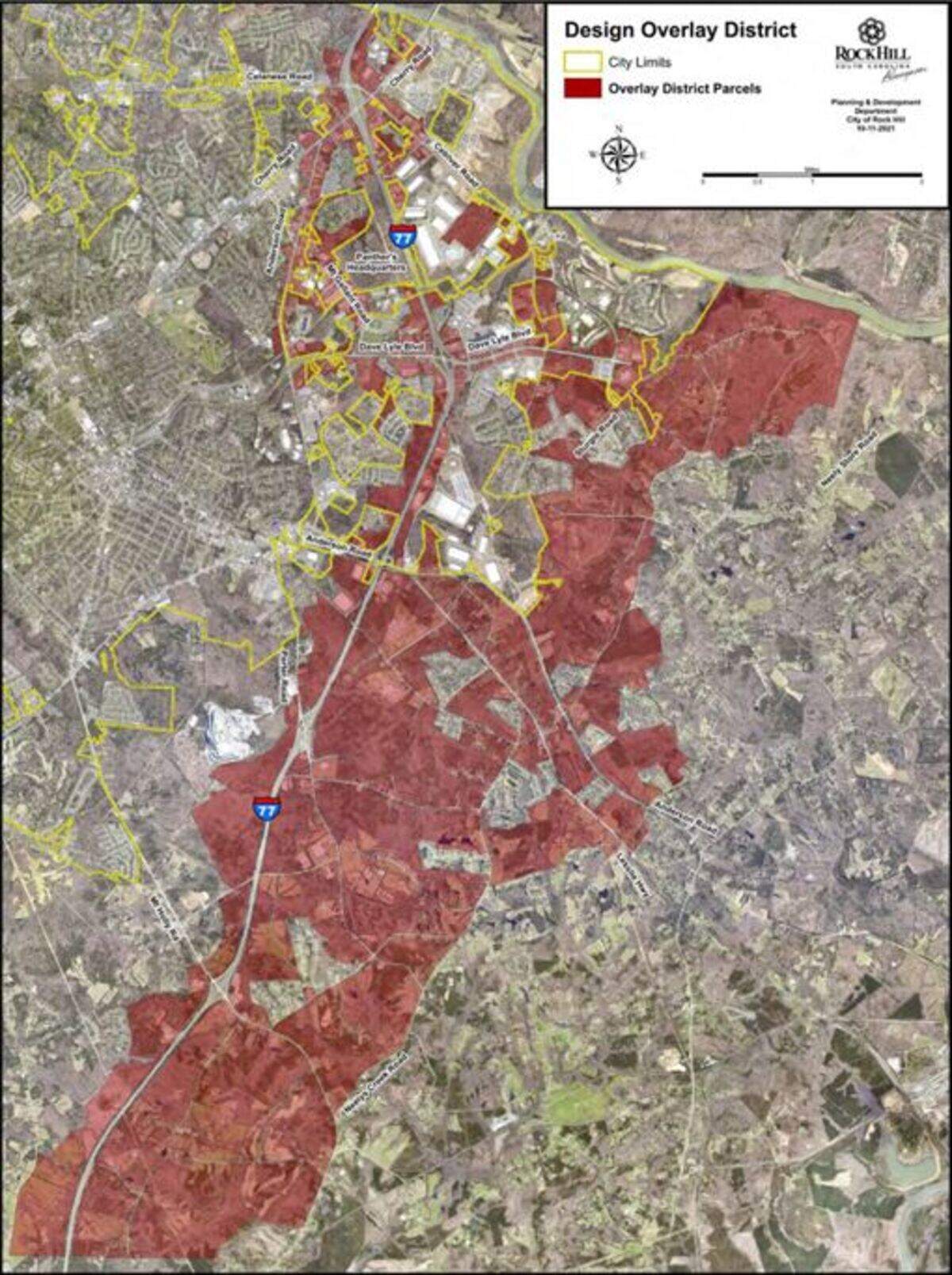
The city adopted its Design Overlay District four years ago. It’s a series of extra design or development standards that applies to areas mapped out by city planners. The district came primarily due to the Panthers project, Graham said, with the city wanting the area to look nice as it became a showcase destination for the Charlotte NFL team.
The overlay district covered 441 properties spanning thousands of acres, both inside and beyond city limits. It stretched along the Catawba River from U.S. 21 almost to Neely Store Road. It went south to the Chester County line. It ran both sides of the interstate, but focused mainly on the eastern side where large undeveloped properties sat primed for development.
If that development included annexation — that’s often the case to get city utilities or other services — the properties would fall under the design overlay standards.
With the Panthers no longer coming, Graham said when the rezoning question came to the planning commission Tuesday night, the city decided the design standards aren’t needed for the Mount Gallant Road site.
“We should give the same consideration to every single property in this district, that they should be relieved of this as well in my opinion, if the city feels like that’s not necessary for their property,” Graham said.
What does the Rock Hill design overlay require?
The 61-page design overlay district plan outlines rules for homes, townhomes and businesses. It covers building materials, signs, land uses, landscaping, buffers and pedestrian options.
Some details could impact the cost of developing properties.
New home subdivisions, for instance, have requirements for amenities like pools or sports courts based on project size in the overlay district.
Brick and stone are allowed, but vinyl siding on homes isn’t. Commercial buildings have to use brick, stone or similar materials on all sides. Large buffers are required for large industrial buildings.
While those requirements may sound like issues for developers and not neighbors, design rules can impact what type of development comes to an area.
Lancaster County recently spent months determining a definition for stucco to see if a new Costco store could proceed on schedule in Indian Land. In Fort Mill, a 400-home project was delayed while the developer and town planners disagreed on whether garages had to face the rear of townhomes.
If a developer came to Rock Hill wanting to circumvent the city’s design overlay rules, Graham believes that developer would have a point.
“I would have a tough time with someone else coming to me and saying, this is onerous to my property,” he said. “(The overlay) was meaningful before. It’s not as much now. You relieved this for the city. I don’t see any way we could deny someone else asking the very same thing for the very same reasons.”
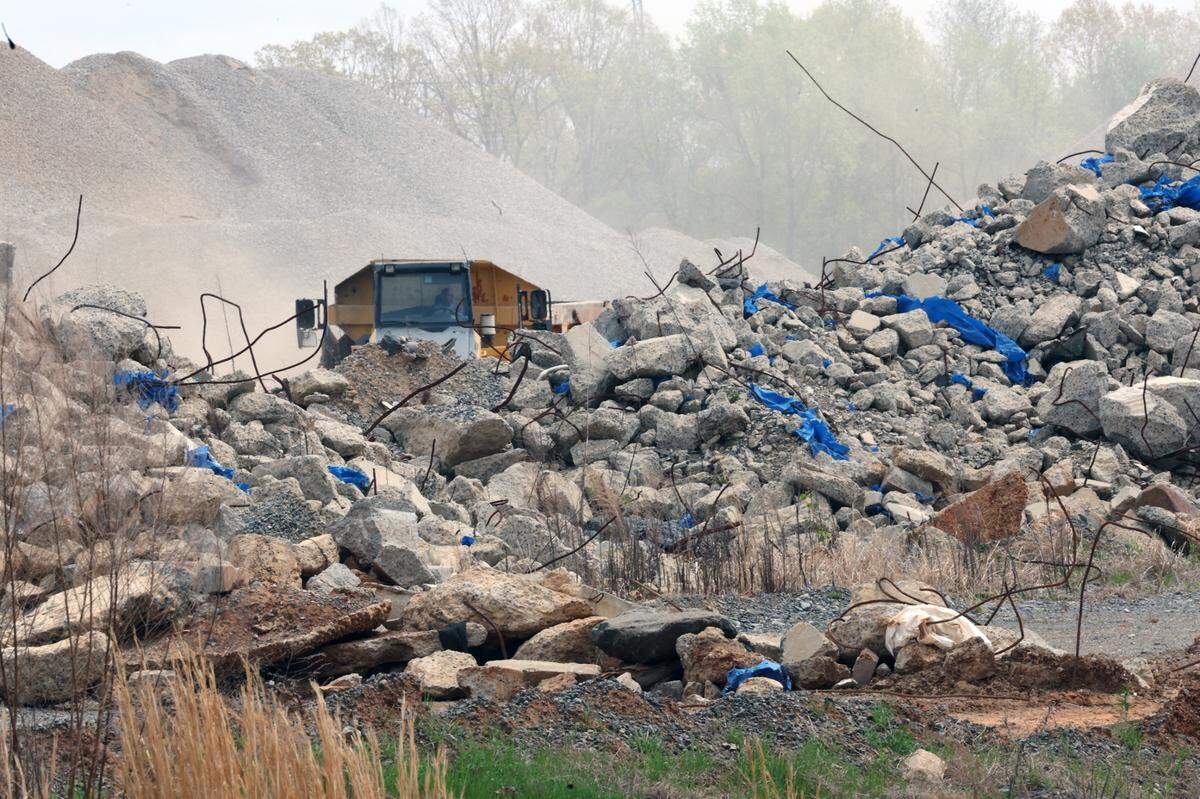
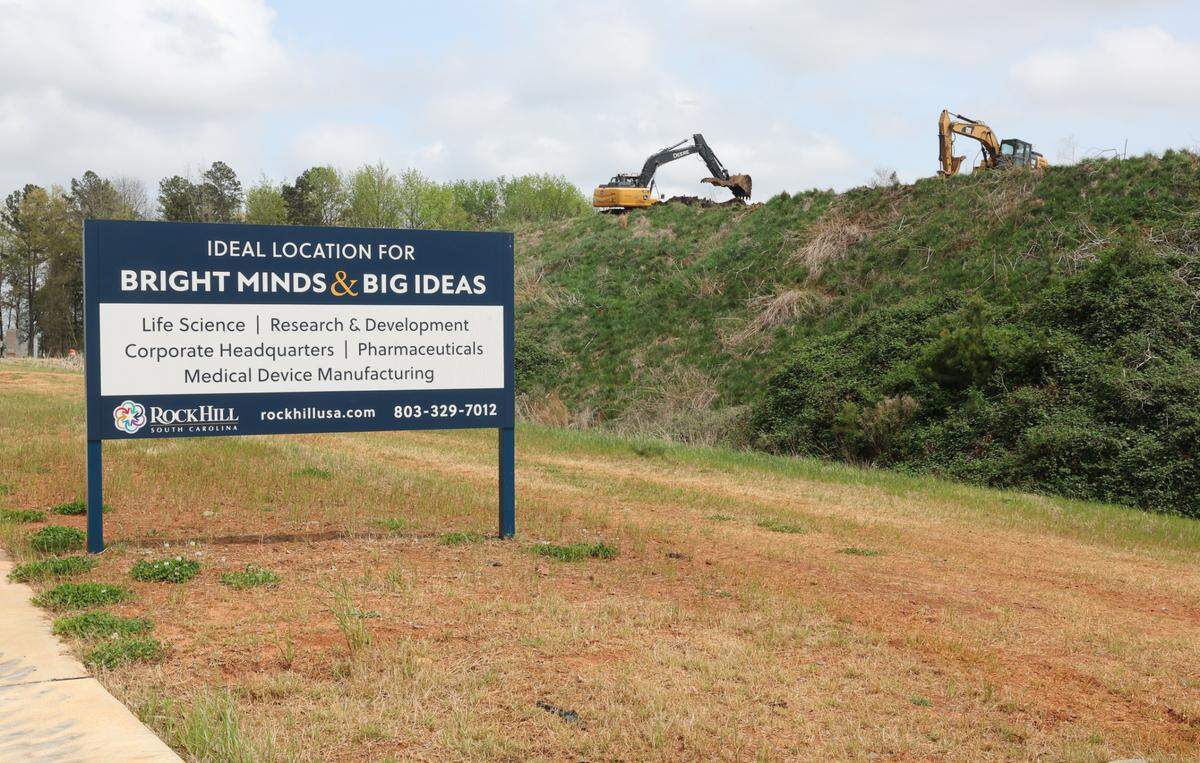
What’s happening at the former Panthers site in Rock Hill?
The design overlay isn’t necessary for the former Panthers property, city officials say.
“With the city controlling the property, the city in turn kind of controls how it develops and how it looks,” said planner Shana Marshburn. “So it would achieve essentially what the design overlay district was set to achieve.”
The city’s push to zone the entire property for industrial use, while helpful in marketing, would allow for a wide range of possible uses.
The controversial Silfab Solar project in Fort Mill, for instance, would be allowed on a large industrial site. That solar panel manufacturing operation has riled parents from the new schools under construction beside it and prompted lawsuits against York County for allowing Silfab there.
County planners initially allowed it on a light industrial property, but a zoning review board ruled solar cell manufacturing should only be allowed on heavy industrial sites.
Rock Hill won’t allow any new property owner off Exit 81 that would be a nuisance to the community, said Mayor John Gettys. The city could use deed restrictions, a property owner association like the one at Tech Park or other means, Marshburn said, to create what it wants at the former Panthers site even if the property is sold.
Working through those options will be important, Graham said.
“The zoning carries with the property,” he said. “So once the city sells the property — and it is for sale — then someone can do whatever they want to it, within the zoning classification.”
The zoning and overlay questions will go to Rock Hill City Council on April 14. They’ll take two votes and a public hearing to finalize their decision, a process that typically takes at least a month.
Trucks are out leveling the property now, one of several recommendations in the year-long Palmetto Sites certification through the South Carolina Department of Commerce. That program vets sites in advance so they rise to the top of the list for companies looking for new homes.
Search teams often rule out or never see sites if the properties don’t meet basic search criteria, said city economic and urban development department director Lisa Brown. “One of the eliminating factors is zoning,” she said.
The former Panthers site was certified with the state last fall. That process led to a focus on life sciences or advanced manufacturing companies. State and regional economic development teams are focusing on those areas, Brown said, in what Gettys has called a potential new wave of prosperity for the state.
This area has the workforce and infrastructure for those types of jobs, Brown said, that could create high wages and long-term investment in Rock Hill.
“We’re just trying to help take that momentum that we have, to take this great asset and really make it something that the community is going to be proud of,” Brown said.
There have been many prospects, city officials say, but so far no firm plans on what businesses might fill the void left by the Panthers. The property could remain whole or be parceled out, officials say.
The city is open to selling the property, likely with development conditions, or maintaining ownership through a lease agreement.
“All options are on the table,” Brown said. “It’s really, at the end of the day, about a long-term investment in this community.”