‘It’s messy.’ Tariff war leaves Charlotte and Rock Hill small businesses on edge
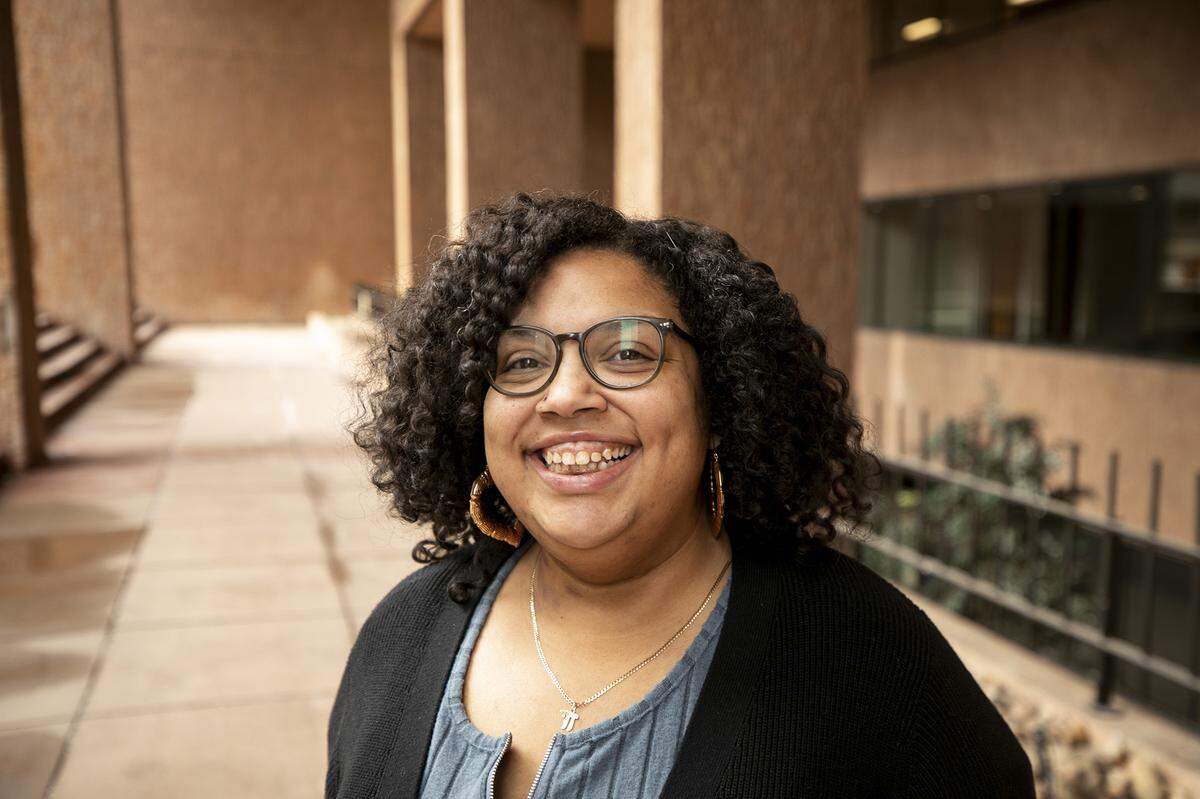
Back in 2017, Andrea Richter began making candles as a hobby. Her passion for the pastime quickly turned into a full-time gig. And now, Pretty Honest Candles is a pretty strong small business.
But it’s getting tougher for Richter and other small business owners around the Charlotte metro area as costs begin to rise due to President Donald Trump’s tariffs policy.
That move last week set markets reeling around the world, sent Americans scrambling to check their 401(k) plans and triggered concern for businesses across the Carolinas and the world. The latest back-and-forth came mid-day Wednesday, when Trump announced a 90-day pause on new tariffs except for China.
The Charlotte Observer and The Herald spoke to 18 small businesses and advocates, restaurateurs and market experts this week, from a Latin grocer in Rock Hill to a custom clothing store at Northlake Mall. They all shared, to a degree, Richter’s worries for the future.
“Hopefully these tariffs don’t ruin everything,” Richter said. “Everything’s getting more expensive and we cannot absorb that cost. We have to roll it into our prices.”
Made in the US with foreign material
Trump has said his tariffs will lead to an increase in domestic manufacturing. However, some raw materials aren’t made in the U.S.
Richter molds and mixes her candles in a south Charlotte warehouse and buys her wicks and waxes from American companies. But those companies import their goods. And Richter imports her containers from China.
“The product might be assembled in the U.S., but everything else, all the components are imported,” she said. “There are some things that aren’t even produced here, so it’s not like I have a U.S. alternative.”
Charlotte entrepreneur Shanon Kindred echoed that sentiment. Kindred started her skincare business, Toushea Skincare, 11 years ago when she was looking for better products to soothe her child’s eczema.
She buys some ingredients from U.S. suppliers. Raw materials are imported from other countries, including shea butter from west Africa and olive oil from Spain and Italy.
Both owners said the rise in their material costs will have to be transferred to their clients, at the risk of a drop-off in demand.
Richter said she has always competed with big-brand stores that can sell their product for less.
And both businesses are ultimately luxuries. As consumers place a tighter hold on their wallets, small businesses selling “unnecessary” goods will begin to be overlooked.
“I’m afraid we’re going to see more small businesses closed, and that breaks my heart,” Kindred said. “It’s really heartbreaking to think we’re going to be forced out of business.”

SC homebuilder deals with products from all over
Rock Hill homebuilder Mike Pruner builds five or six homes a year now, down from 20 before interest rate spikes and economic uncertainty led him to scale backs in recent years.
Pruner, president of the Home Builders Association of York County, has one of the 140,000 South Carolina jobs tied directly to building homes. Like Kindred and Richter, Pruner gets most of his products from other countries because he has to.
“A lot of the items are imported,” Pruner said. “American commerce sent things offshore because we weren’t competitive making them here.”
Sheet goods like sub-flooring and roofing bases are 80% Canadian wood, he said. Nails come from China. Pruner estimates more than half of everything in a new house comes from another country or contains parts that do.

Ways that tariffs impact consumers
North Carolina exported nearly $6 billion of goods to China last year, according to the Office of the U.S. Trade Representative.
“Some of those high tariffs from other countries will be some of the highest tariffs we’ve seen in the last 100 years,” said Matthew Metzgar, an economics professor at UNC Charlotte. “Over the last 50 years, trade barriers have been coming down.
“That’s why it’s really unusual to have a president that’s so for tariffs when everything’s been going against that trend,” he said. “No one wins from a trade war.”
That’s especially the case with China, which has the world’s second largest economy compared to the U.S. in terms of gross domestic product, Metzgar added.
On Wednesday afternoon, Trump announced a 125% tariff increase on Chinese goods. That went up from 104% and after China announced its own 84% levy on U.S. imports.
“The tariffs will find its way to the consumer,” Metzgar said.
Tires from Asia and Canada in Rock Hill
There’s a 4-mile stretch on Cherry Road in Rock Hill where many businesses rely on imports. That includes RNR Tire Express, where store manager Andre Johnson sells aftermarket wheels and tires for passenger and performance vehicles.
Some tires are American-made, like those from Giti Tire in Chester County. But even there Johnson doesn’t know how raw material costs might impact coming retail prices due to tariffs. Other tires are imported from Thailand, China and Canada.
“It’s going to impact the cost of our tires and our wheels that are imported in,” Johnson said. “It’s a lot of different brands. But just the tire industry period is going to be impacted because of where we get our tires from.”
Supply chain issues at a Charlotte mall
As prices increase on imports and exports, shipping costs are also rising.
Danyell Butler, co-owner of Modified Kicks, said tariffs already have impacted his Northlake Mall store in north Charlotte. Modified Kicks sells custom clothing and offers classes for sewing, embroidery and printing techniques.
Butler said he’s seeing a rise in product and import duty fees. Product also has become harder to find. “It’s messy.”
“If it was costing me like $140 to get something shipped, it’s now like $300 to $400 (in duty fees),” he said.
Butler said he doesn’t have to carry everything because customers can bring them in for custom art. But he still relies on imported goods. Some vendors in China have been cut off, so he was searching for alternative vendors in other countries, possibly India.
Richter faces similar problems for her candle business, noting that shipping and tariffs can cost more than the item she’s purchasing.
Anticipating tariffs, Johnson’s tire company bought two shipping containers of products in advance so it’ll likely be mid-year before his customers feel the impact.
But that wasn’t an option for other companies, including Pruner’s.
“Where am I going to put it?” Pruner asked. “I can’t store the lumber for the next house until I need it. It’s a huge disruption to the home building industry.
“And there’s a lot of fear, uncertainty and doubt.”
Tariffs and the cost of groceries in the Carolinas
Another changes consumers may face is the price of food.
“To put it mildly, it’s a disaster for consumers, for brands and for supermarkets, and restaurants as well,” said Phil Lempert, who analyzes consumer behavior and market trends. “Our food supply is global.”
Prices will increase on items like fresh produce, coffee, spices, seafood, beef and pork, cheeses and nuts, he said. Product availability also could become an issue.
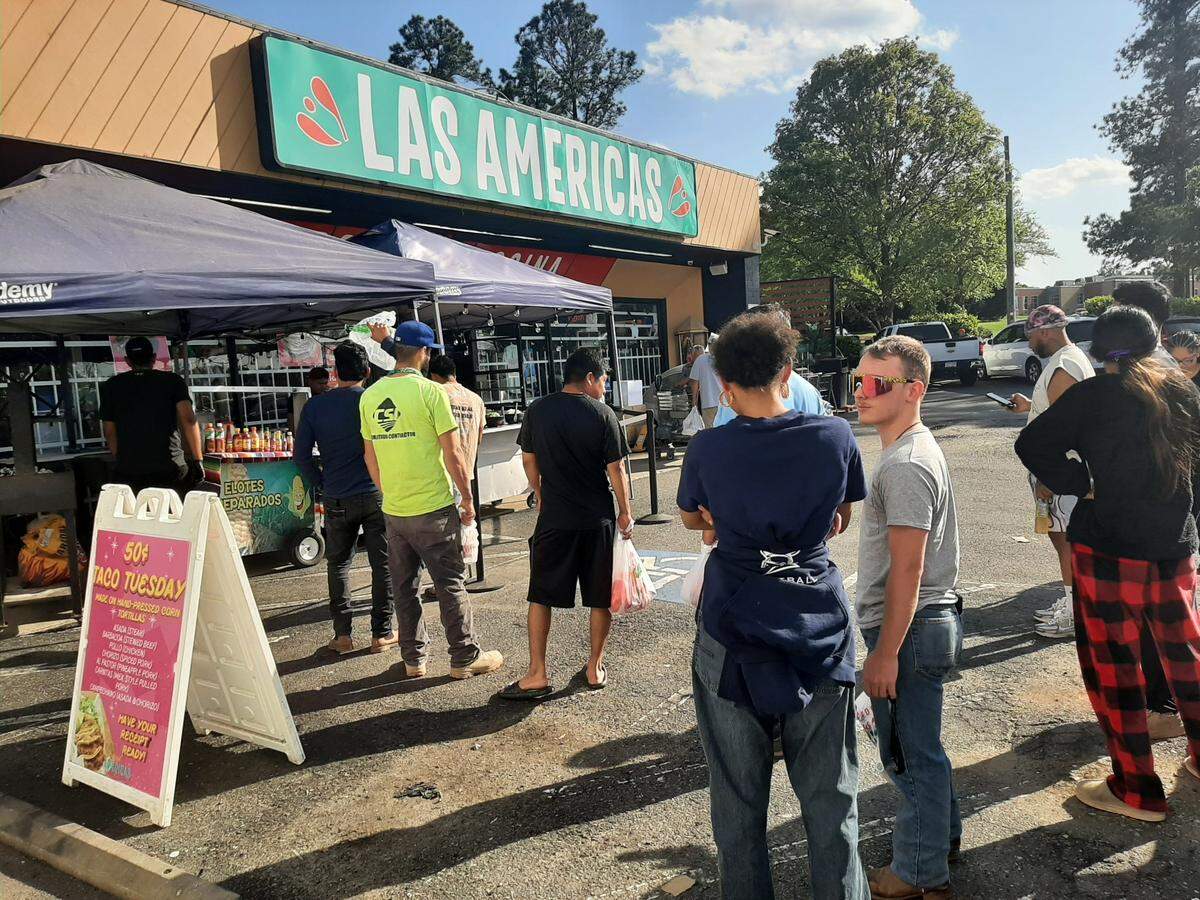
That’s especially true for international supermarkets like Las Americas grocery store and restaurant in Rock Hill. Store manager Sarai Garcia said tariffs will cut into her store’s margins before customers see price increases.
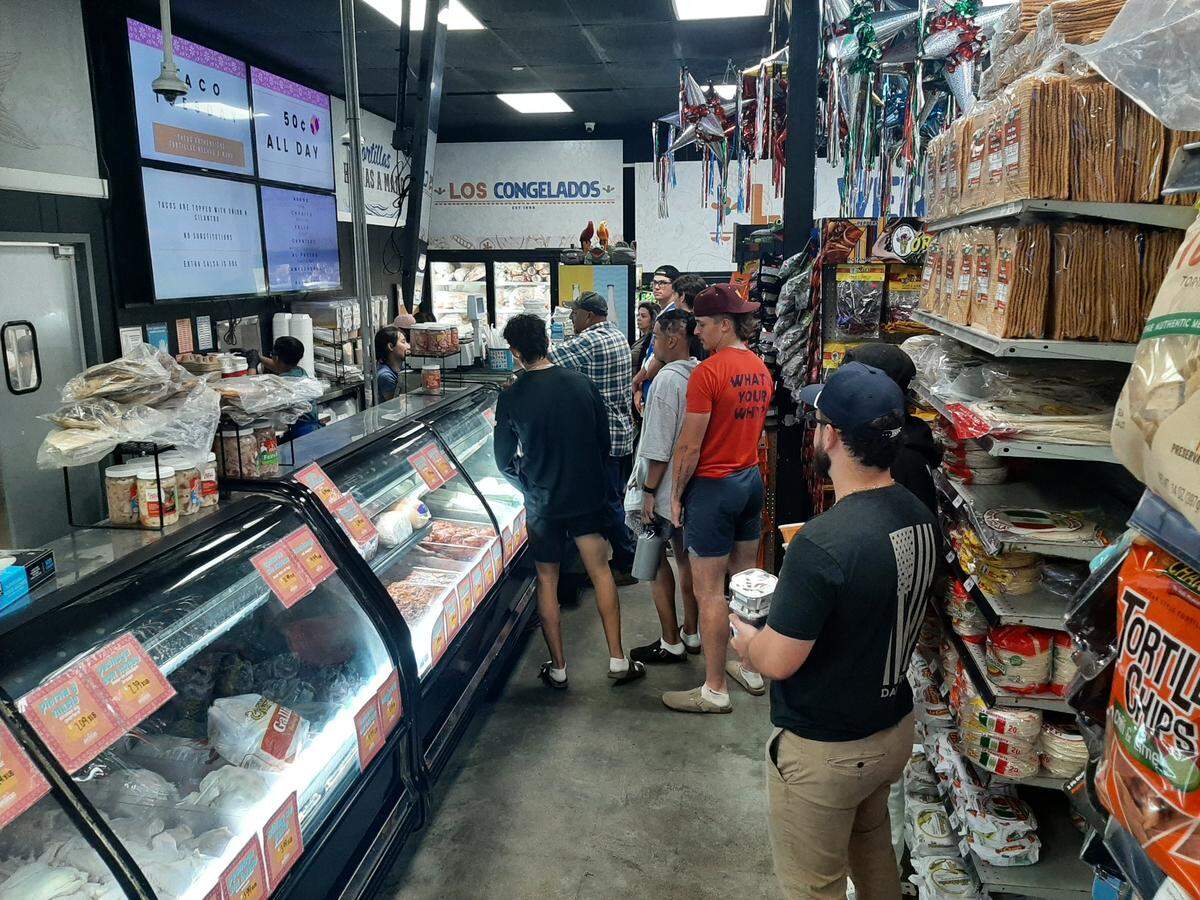
Las Americas relies heaviest on products from Mexico, Venezuela and Guatemala. The store brings in large quantities of prepackaged food, then prepares much of it in-store. Some packaged items that were $10 per pound are now $15, Garcia said.
From shrimp to chicharron and candies, almost everything the grocery store offers is imported. If prices must go up because of tariffs, Garcia said, it’ll happen slowly to prevent sticker shock for customers.
Tariff effects on Carolina restaurants
Restaurants may also see a change in food prices. But a bigger concern is patronage.
At Charlotte-based Famous Toastery, president Mike Sebazco said it’s too early to feel the cost strains from tariffs but consumer sentiment is already concerning. He said the restaurant was seeing a positive trend until the day Trump detailed his tariff policy.
There’s been a 5% weekday and 15% weekend traffic drop, he said. “When the future is uncertain, they’re just less likely to come in,” Sebazco said.
Jon Dressler, who co-owns Rare Roots Hospitality, agreed. Rare Roots restaurants include Dressler’s, Fin & Fino, The Porter’s House, Chapter 6, Dogwood and Joan’s Bakery & Deli.
Food costs are something both owners are monitoring. For Famous Toastery, the breakfast, brunch and lunch franchise chain has been dealing with surging egg prices due to avian influenza, which still hasn’t turned around.
They have maintained profitability by cutting labor and focusing on non-egg products, Sebazco said. But tariffs could raise prices on imports like coffee, champagne and avocados.
Dressler said most of his products are American-made and he’ll look to shift more business toward local imports.
Some items like exotic cheeses from France may have to be discontinued, depending on the price.
The same goes for wines imported from France, South Africa and Australia, and liquor from Ireland and Canada, for example. “We’ll change to American or discuss pricing,” Dressler said.
What’s next for small businesses?
The tariff turmoil leaves local businesses uncertain about their future.
“Trump’s trying to kind of push the limit on these deals to what he believes will ultimately be a beneficial outcome,” Metzgar said. “There’s an incentive…if you lower yours, we’ll lower ours...But when you’re dealing with countries and egos and everything else, there’s no guarantee that it’ll resolve in a rational way.”
That leaves people like Famous Toastery’s Sebazco on the sidelines.
“We’re hesitant to do anything that has long-term ramifications for what could be a short-term scenario,” Sebazco said. “We just don’t know what this looks like now. We won’t pass any costs on until we receive them ourselves.”
Charlotte attorney Racheal Baker of Baker Neely Consulting is advising entrepreneurs to look at their contracts closely with a perspective on tariffs. “There’s still legal questions regarding who would bear the burden of increased prices due to tariffs,” she said.
Small business owners can brace for tariffs by buying bulk supplies, Baker said. But some owners can’t afford to do that nor have the space for such a move.
Cathay Dawkins, chairman of the Charlotte Mecklenburg Black Chamber of Commerce, said he’s received many calls from small-business owners with concerns after the tariffs started.
“This should have been laid out in a way that people can adjust because it’s having a direct, immediate impact on their business,” Dawkins said. But it wasn’t, leading small business owners to worry about their future.
How will tariffs play out around Charlotte?
There are ways consumers can help, Richter said. Small purchases are good. So is word-of-mouth, she said.
She doesn’t want people to forget about small businesses until it’s too late.
“Every single time a business closes, we hear the same thing ‘Oh my gosh, I love that place. No, this is the worst thing that’s ever happened,’ ” Richter said. “Small business owners are some of the most resilient people... But everything is about to get harder and if you don’t support these businesses, they will close.
“Hopefully, I make it out the other side.”
This story was originally published April 10, 2025 at 5:00 AM with the headline "‘It’s messy.’ Tariff war leaves Charlotte and Rock Hill small businesses on edge."