A new rule could help transform York County historic sites in more places
There’s a way to keep some of York County’s most historic buildings without letting them sit idle and blighted. One option, development experts say, is for the county to take an incentive from the playbook of its cities and towns.
York County’s Economic Development Committee is looking at countywide implementation of the Bailey Bill. That state rule allows municipalities to lock in a tax assessment rate for historic properties before renovations begin, and keep it through redevelopment. “It’s not really a tax break,” said Clover Town Administrator Zack Lester. “It’s not really a giveaway. It’s basically the government saying go ahead and fix the place up, and we’ll keep taxing you at the ugly version a little while longer.”
Clover, York and Fort Mill use the Bailey Bill in their downtown areas. Lester and York County Economic Development Director Mitch Miller made their case to the county committee Dec. 16 for a countywide version. York County Council members on the committee support the idea, but want details on which property owners could apply and how the county could approve projects.
“We can look at the opportunity to make it more project-specific,” said County Manager Josh Edwards.
A countywide setup could expand a decade of historic site reuse in York County, but in new places.
“It’s an incentive to focus on repurposing and reuse,” Miller said, “rather than demolition.”
Fort Mill and Rock Hill revitalization
A decade ago, Fort Mill had a sleepy Main Street with its longtime knife shop, comic book store and several empty storefronts.
Hobo’s opened in 2015. Kuester Commercial and other developers began buying up properties, often using the Bailey Bill as they modernized spaces. Now, Main Street is a bustling business corridor filled with restaurants and shops.
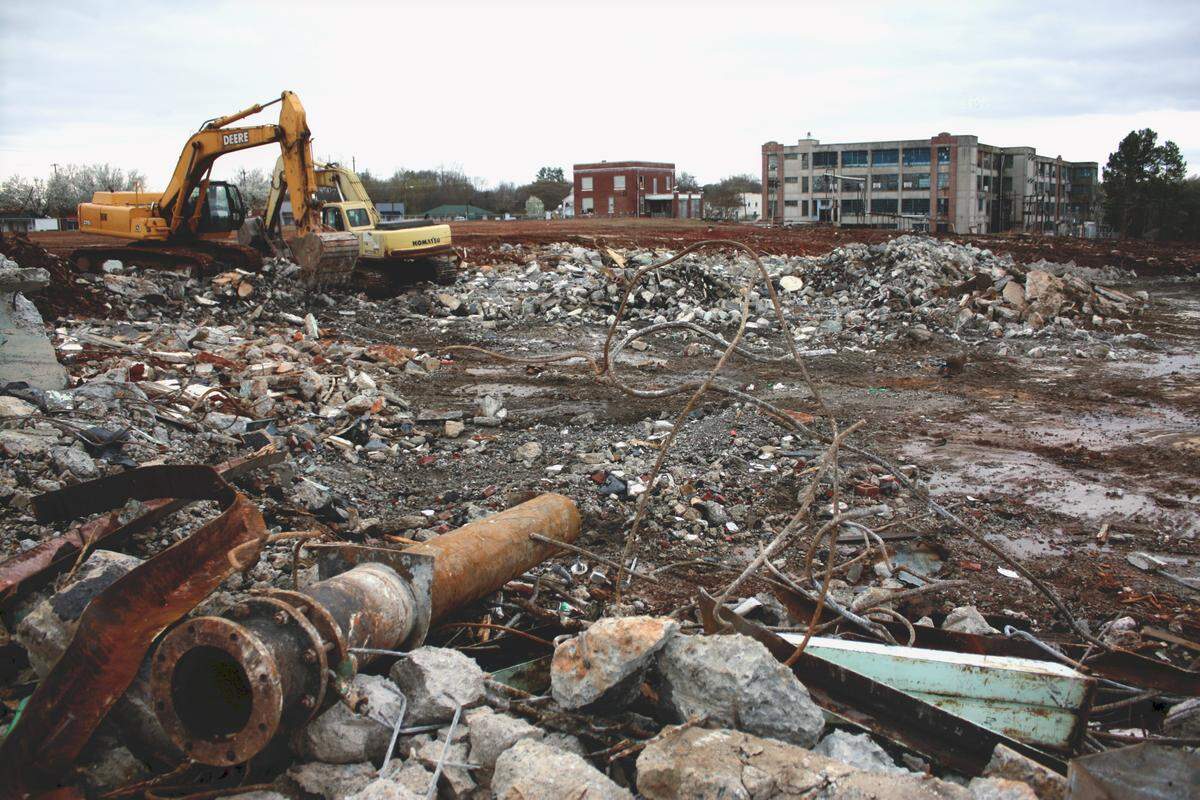
Rock Hill saw even greater redevelopment of historic properties.
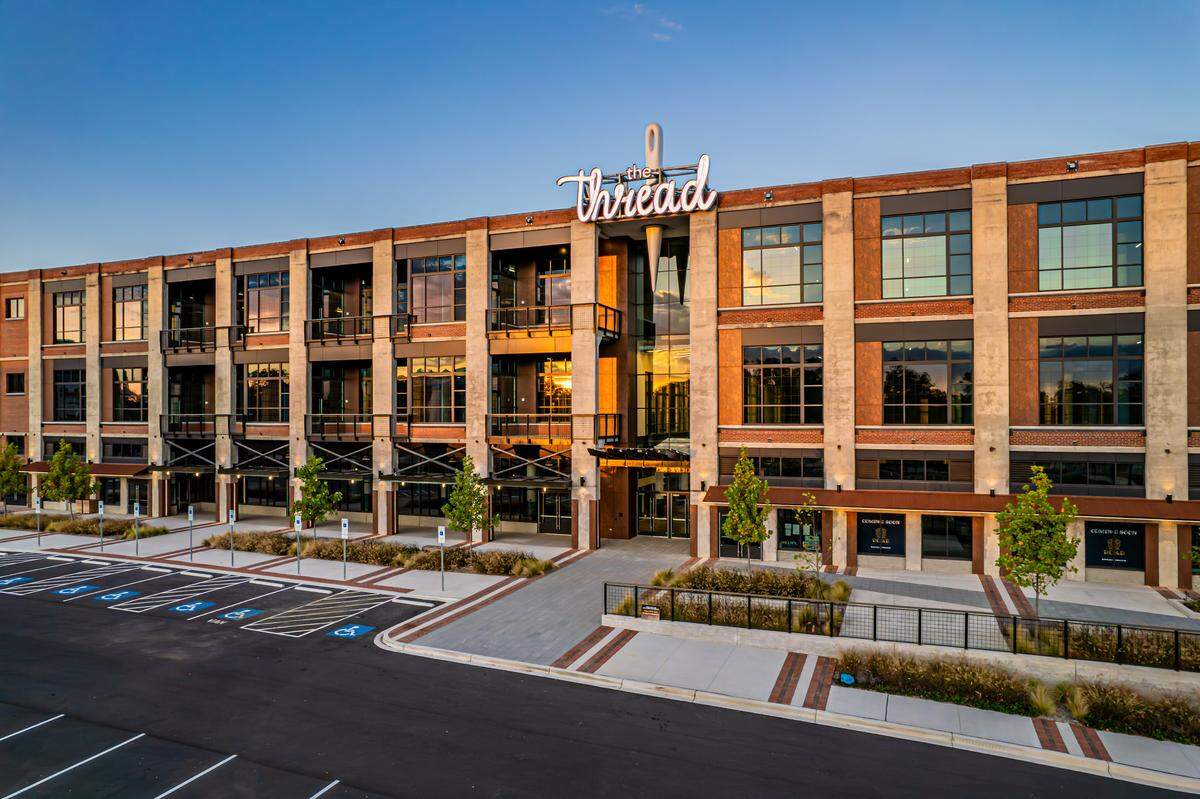
It wasn’t the Bailey Bill, but Opportunity Zones, that led to a run of project just prior to the pandemic. More than $500 million of new property value came with redevelopment of downtown mills and warehouses. Spots like the Rock Hill Sports & Event Center, The Power House and The Thread modernized the city.
Opportunity Zones are an incentive that creates tax breaks for developers who invest capital gains into designated low-income areas.
“We’re looking around,” Lester said. “We see other towns growing, other cities growing at a pace that it feels like we need some sort of seatbelt to put on around us to keep us in place.”
Clover, like Fort Mill before its Main Street rebirth and other historic municipalities, has plenty of character. The problem, Lester said, is older spaces often aren’t as economically viable as new construction.
“Character, to developers or to investors, usually means expensive surprises behind every wall,” Lester said.
Often, though, communities don’t want their most identifiable buildings razed. That’s where the Bailey Bill can help.
“That’s part of the character, part of the story of why communities came to be in general,” Miller said. “And so it’s protecting that identity and that history.”
York County properties that could be redeveloped
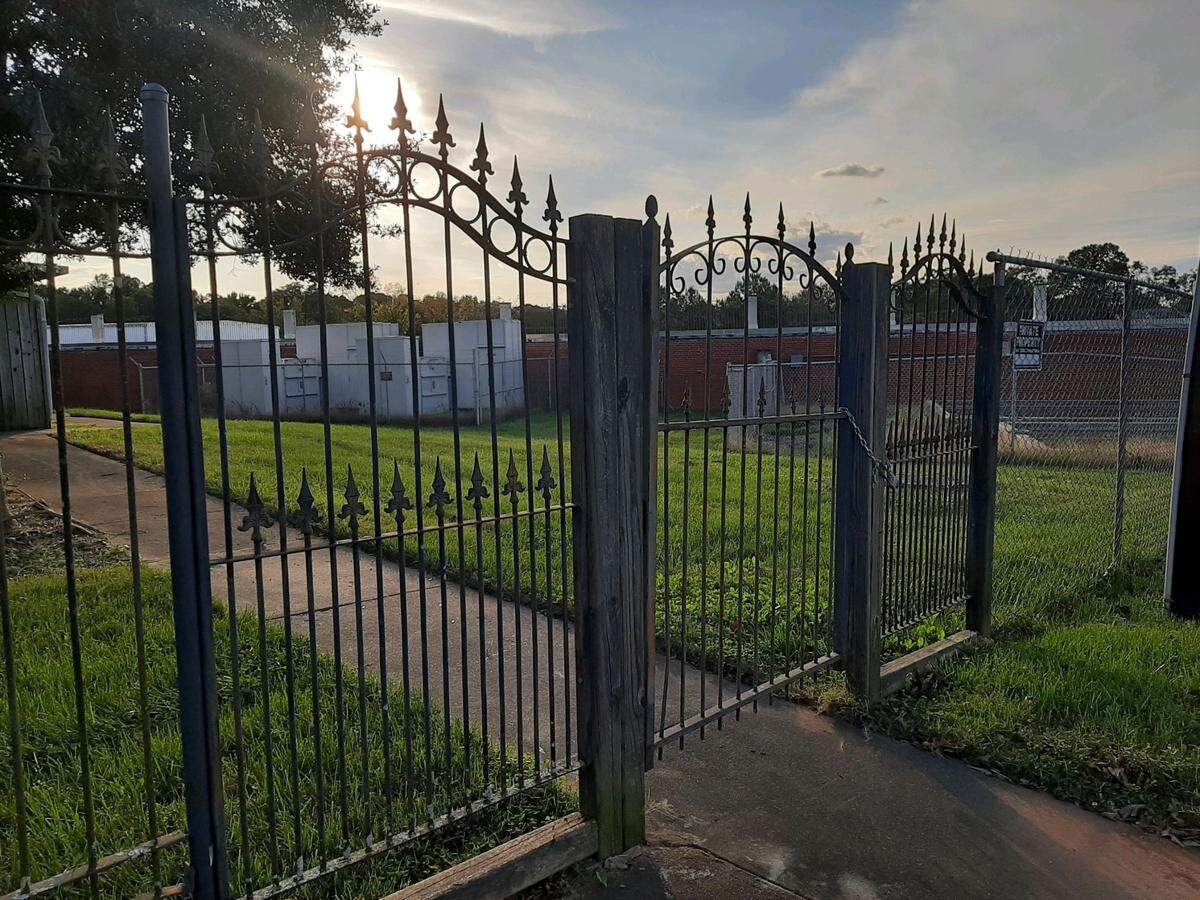
Due to confidentiality agreements, Lester wouldn’t name Clover sites that would use the countywide Bailey Bill. He has discussed at lest one option with the economic development committee.
County taxes are higher than municipal ones, Lester said, so a countywide program could open floodgates of possibility across York County.
Properties have to be at least 50 years old. They’re generally in national or locally designated historic areas. The county has flexibility to set its own standards for which properties would qualify.
“There’s some sites that could require redevelopment, but this really is more toward historic preservation,” Miller said. “On that side we’re limited really to the stock that we have in terms of vacant buildings that are dilapidated.”
Last year, Clover received a development proposal for its original mill, the more than 130-year-old Clover Spinning Mill on Main and Old North Main streets. The town held public meetings six years ago on what to do with another former mill, the American Thread site on Main Street.
Bailey Bill use by the county could be used by mom-and-pop downtown property owners or large developers why buy mill sites. Places like Clover could benefit from either.
“Fort Mill is growing so fast,” Lester said. “Rock Hill is reinventing itself again. And Lake Wylie has more rooftops than trees. We’re growing, but we’re not growing at a regional pace.”
The drawback for the county would be property tax revenue loss for redevelopment that would happen with or without the incentive.
In Fort Mill, for instance, one of the town’s oldest mills is being converted into apartments and commercial space. The past decade of historic property transformation without a countywide Bailey Bill shows an appetite for it.
Miller and Lester see a countywide version opening redevelopment to new property owners. It’s a choice between getting some tax revenue now and a good bit more once the incentive expires, Lester said, or getting almost nothing, indefinitely, if a property doesn’t redevelop.
This story was originally published December 30, 2025 at 5:41 AM.