International computer virus scam with Charlotte ties duped many, took in millions
A Charlotte man was sentenced to 2 1/2 years in prison for participating in a multi-million-dollar, international tech scam that mostly targeted elderly victims with fake online pop-up ads, federal authorities in North Carolina announced Tuesday.
Malicious pop-ups that froze computers were a central part of the scam and were designed to trick people into thinking their computers were infected with a virus. Victims were tricked into paying hundreds or thousands of dollars to get rid of non-existent problems, according to the U.S. Attorney’s Office for the Western District of North Carolina.
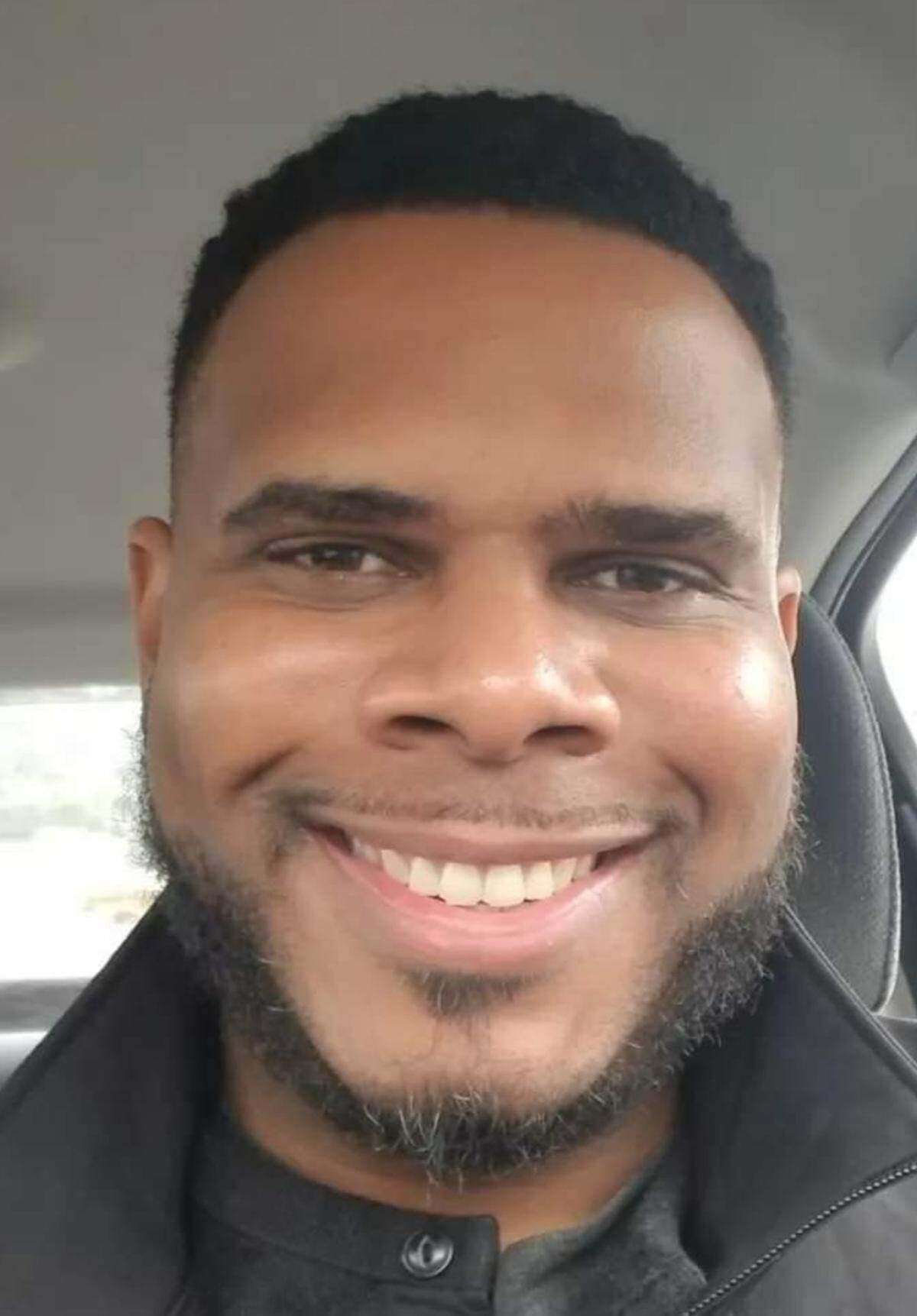
Nachiket Banwari, 36, along with two other men, was sentenced for conspiracy to commit wire fraud.
How the tech scam worked
Starting in 2014, the scammers tricked victims into thinking they needed technical support to fix the problem by calling a number, according to a federal indictment filed in 2023.
After making the call, victims were connected to call centers in India with people who misrepresented themselves as being with Microsoft, who then conned people into paying to fix the phone problems, authorities said.
One victim from North Carolina said he paid $500 on two separate occasions after a tech scammer remotely accessed his computer, according to the indictment. Many of the victims were older than 55, according to the indictment.
Banwari’s crimes were carried out through Charlotte-based Capstone Technologies.
Capstone owned corporate entities that operated call centers in India, according to the indictment. The companies purchased “blocks” of malicious pop-ups from conspirators worldwide. Capstone paid the makers of these pop-ups to route calls to the Capstone companies’ call centers.
When pop-up messages appeared on victims’ computers, they made the machines briefly unusable, falsely claiming there was a serious system problem. The pop-ups instructed computer owners to call a phone number for repairs.
Those calls were routed to Capstone, leading to unnecessary tech-support services.
How the money was laundered
Banwari assisted Capstone in opening bank accounts to receive victim funds, according to the indictment. At times, he agreed to receive victim payments by mail at his home.
Capstone defrauded thousands of victims in the United States and collected more than $7 million. Banwari received more than $222,000 from the scam, or over 3% of the total.
After Capstone received funds, the money was laundered domestically and internationally to bank accounts in India. Transaction amounts were frequently over $10,000, according to the indictment.
Banwari’s involvement in the conspiracy caused losses between $1.5 million and $9.5 million, according to a court document.
The incidents involving Banwari occurred between February 2014 and August 2018. He pleaded guilty in June 2025.
Banwari previously worked for Wells Fargo as a financial consultant and was a franchise owner of a Workout Anytime gym in Rock Hill, according to a friend’s letter of support.
Others sentenced in the computer scam
Banwari was sentenced along with two others: 42-year-old Hunter Mello of Sandwich, Massachusetts, who received three years and four months in prison, and 60-year-old Richard Nolan of Colorado Springs, Colorado, who received two years.
Mello was a middleman broker and worked with people who created the pop-ups, according to prosecutors. He helped the call center generate more than $20 million and moved tech-support scam proceeds into foreign bank accounts. Mello made up to $2 million from the scheme.
Nolan operated a platform called TrackDrive to route technical support calls. He worked with pop-up makers to ensure victims’ computers were locked with the call center numbers. TrackDrive routed 15 million calls to call centers through the pop-ups.
Like Mello, he also used financial accounts to transfer proceeds. He made $2 million from the scam. The total loss amount associated with Nolan is $19 million.
Capstone was connected to both Nolan’s and Mello’s operations, according to prosecutors.
Prison time for all three men will be followed by three years of supervised release. They also were ordered to collectively forfeit $3.7 million in proceeds from the scheme.
This story was originally published February 23, 2026 at 5:16 AM with the headline "International computer virus scam with Charlotte ties duped many, took in millions."