
Lancaster County’s only brewery is shutting down. The owner blames a new SC law
Due to pressure from state laws he likens to modern-day prohibition, Bryan O’Neal just closed Lancaster County’s only brewery.
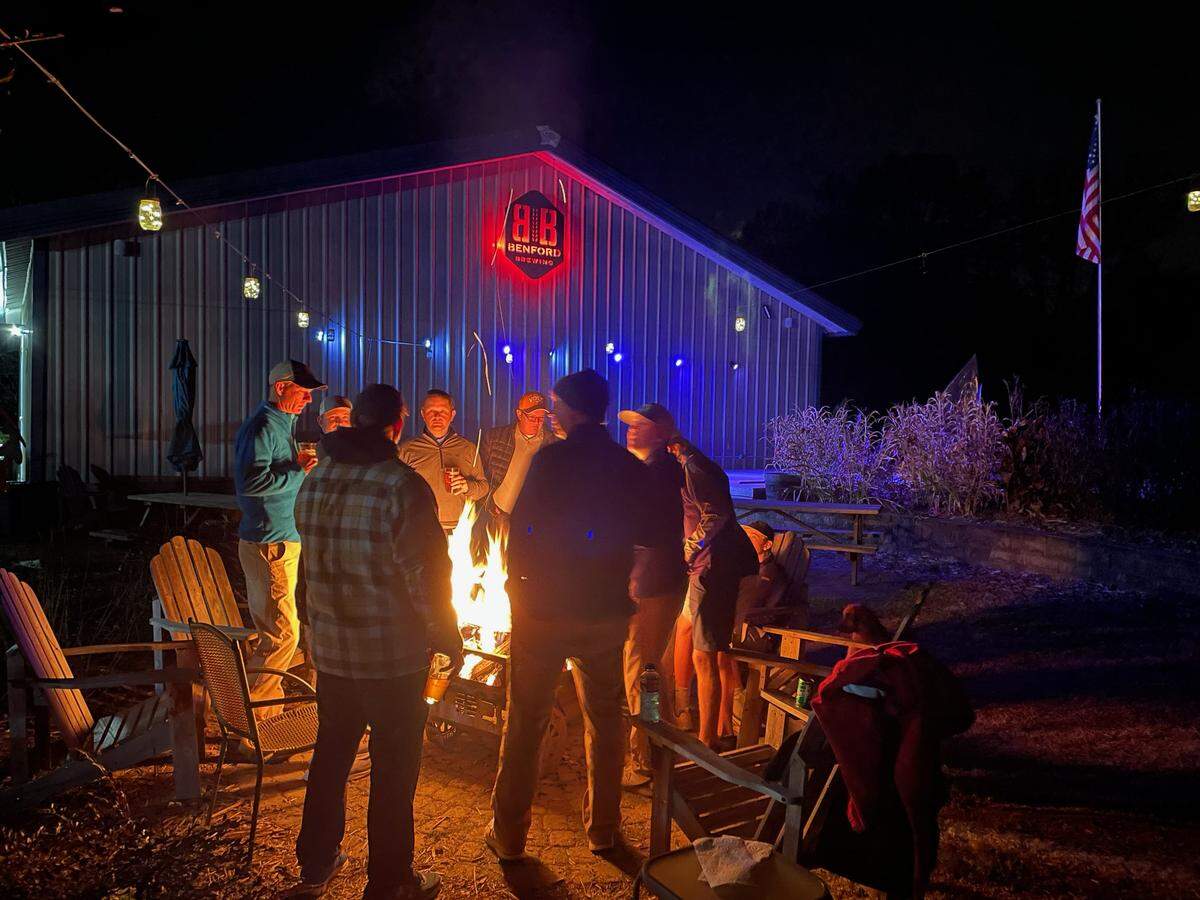
Benford Brewing is now temporarily closed for on-premise beer consumption until the state changes its liquor liability insurance laws, he told The Herald on Wednesday. The sawmill, woodworking, beef sales and raw milk distribution operations on O’Neal’s Boxcar Road property will continue.
Benford Brewing began as Boxcar Brewing in 2012, just north of the city of Lancaster. It’s craft beer brands include Carolina Blackout, Southern Tater and World’s Problem Solver.
“I’m tired of the government telling me what I can and can’t do,” O’Neal said. “These politicians created this law requiring every restaurant, bar and brewery to have a million-dollar liquor liability policy. Through COVID and lawsuits, it’s just now getting caught up to us.”
About the SC liquor liability law
South Carolina passed the liability law last year, and potentially, it could still be revised. It’s a foundation but not a finished product, according to the South Carolina Restaurant & Lodging Association.
The bill was approved 41-1 in the state Senate after passing in the state House.
Last year, Gov. Henry McMaster called the new law a common-sense liquor liability rule requiring anyone selling alcohol after 5 p.m. for on-premise consumption to have an insurance policy at $1 million or more.
Businesses could reduce that coverage requirement if they stopped selling at midnight or if alcohol was less than 40% of total sales. The coverage could be cut in half for nonprofits hosting events with a special licence.
The goal of the law, which took effect this year, was to reduce liability businesses face for DUI or damages caused by customers after they were served. Legislators hailed the law change as a business-friendly move to protect alcohol sellers.
“At no time should the actions of government put businesses out of business,” S.C. Senate President Thomas Alexander in announcing the new law last spring.
But that’s exactly what happened at Benford Brewing, O’Neal said.
His farm, which transformed into an events venue when COVID hit and has since hosted bands and food trucks, has to close by 5 p.m. Since his insurance policy expired last fall, no company will quote him coverage because 40% of his revenue doesn’t come from food sales, O’Neal said.
He’s heard of places being quoted $30,000 to $100,000 per year for coverage, he said.
Deciding to shut down and ‘get loud’
The amount of craft beer O’Neal would have to sell, while closing before many people get off work, just isn’t feasible. “Why do I even have a brewery?” hel asked.
He’ll keep his equipment on site and will start back up if state laws become more favorable. He’s also spoken to other brewers and state legislators about the issue.
Meanwhile, O’Neal will continue making epoxy tables, sawing lumber and processing cattle, in hopes that those business don’t dry up over the brewery issue.
“Usually it happens over a beer,” he said of the handshake deals that keep him in business. “We’ve always said that beer sells wood. It sells beef.”
With candidate filing ongoing for state and local elections this fall, O’Neal plans to use his extra time to lobby for his business, his passion.
“I just made a decision to shut it down,” he said, “and get loud.”