Inside the Mint Museum’s 4-year quest to bring rare Caravaggio show to Charlotte
The Mint Museum is bringing another blockbuster exhibit to Charlotte, this time featuring for the first time in over two decades the art influencer and outlaw Caravaggio.
“Caravaggio | Revolution: Baroque Masterpieces from the Roberto Longhi Foundation” opens April 26, in uptown, and features the rare oil on canvas Caravaggio painting, “Boy Bitten by a Lizard” that dates to around 1597.
Caravaggio’s work was so revolutionary at the time that it changed the direction of painting, Mint Museum CEO Todd Herman said, inspiring artists like Rembrandt and influencing modern filmmakers like Martin Scorsese.
“You either were influenced by what he did, or your reacted against it, but you couldn’t ignore it,” Herman said.
Caravaggio is best known for dramatic and realistic paintings, often from the Bible, and infused with contrasting light and shadow. He also used everyday people as live models in real-world settings and with real emotions.
.png "MFA-StPete_Caravaggio (1).png")
How the Mint landed the Caravaggio exhibition
The eventual arrival of Baroque master Michelangelo Merisi da Caravaggio in Charlotte first took form through a simple connection: a friend of a friend of Herman’s who lives in Rome worked for an Italian company that puts exhibits together. Herman learned that some works in the Roberto Longhi Foundation’s Caravaggio collection might be available to tour. The Longhi Foundation in Florence, Italy, was founded in 1971 with proceeds from art scholar and critic Roberto Longhi’s will to promote art history.
Herman recalled a pivotal meeting: He was in Milan with Mint Museum donors in 2022 where he met with his contact from Rome to talk about the collection. “We sat in the lobby and hammered out what this would look like,” Herman recounted.
The final arrangement settled on only two U.S. venues — the Museum of Fine Arts in St. Petersburg, Florida, and the Mint in Charlotte — due to strict Italian government legal constraints.
“There is a law in Italy that Italian treasures can not be out of the country for more than 18 months, including travel time,” Herman said. Having only two cities allows the exhibition to have a "nice long run where people have ample time to come see the exhibition,” he said. To secure the 40 paintings on loan from the Longhi Foundation, the Mint raised money in the "high six figures,” Herman said. In addition to the lone Caravaggio, there are paintings from a number other Baroque artists, including Spanish painter Jusepe de Ribera, French artist Valentin de Boulogne, known as Le Valentin, and Dutch artist Matthias Stom.
Herman reached out to longtime supporters and received “very positive responses very quickly from a handful of people.” All of the money needed was raised through private donors within a few months.
“We’ve proven ourselves,” Herman said, by successfully hosting major exhibitions, like last year’s “ANNIE LEIBOVITZ / WORK and “Picasso Landscapes: Out of Bounds” that opened in 2023.
“When we’ve had kind of these big name exhibitions, we’ve demonstrated that we can raise the money and we can put on a great exhibition that people respond to,” Herman said.
The rare Picasso exhibit ran for 14 weeks, drawing nearly 70,000 visitors to the Mint from 98 of North Carolinas 100 counties, all 50 states and from 40 countries. Herman expects similar results with Caravaggio.
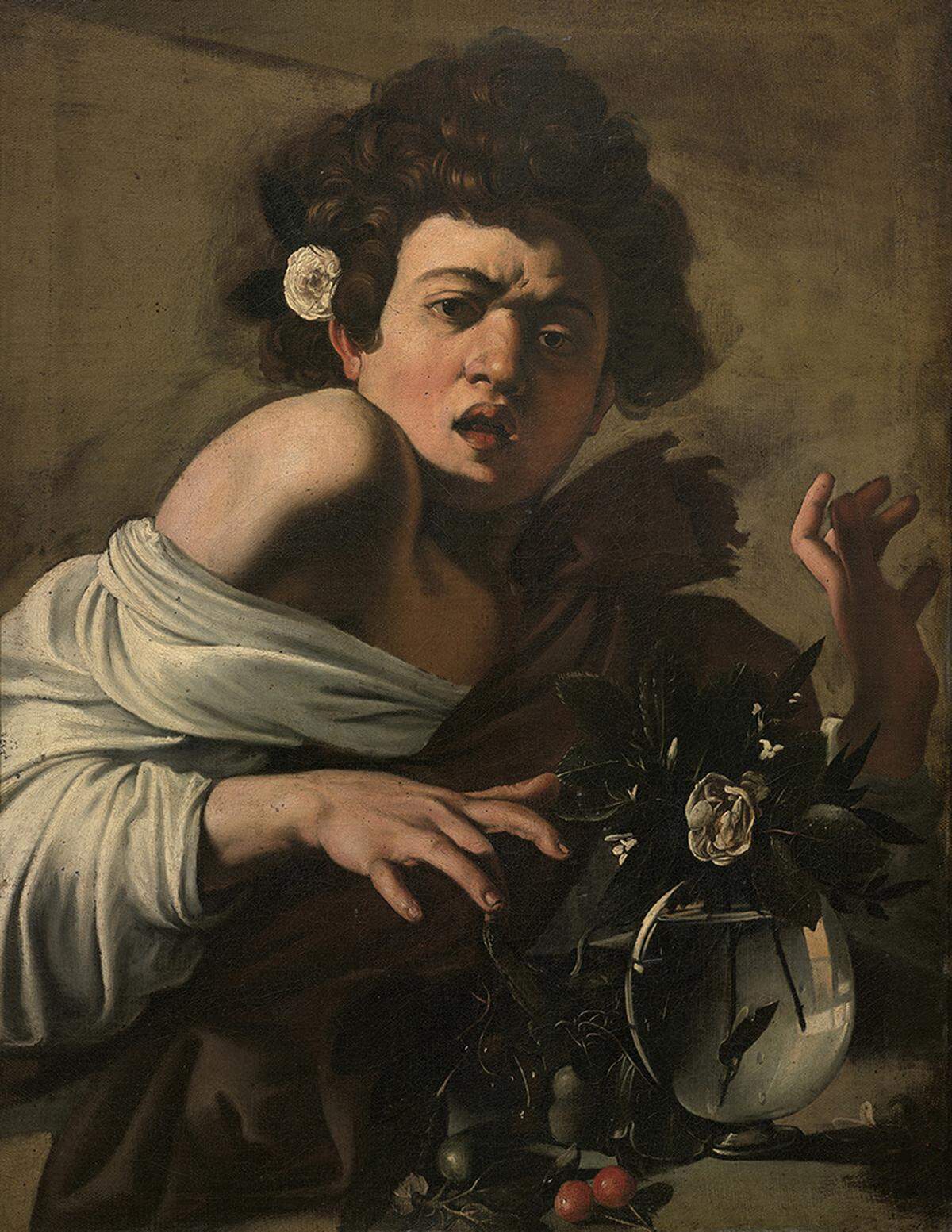
The Mint declined to share the estimated value of the Caravaggio painting in the exhibit.
But to get an idea of what some of his paintings are worth, last month the Italian government paid nearly $35 million for a rare Caravaggio portrait from around 1598, “Portrait of Monsignor Maffeo Barberini.” It’s one of the largest government investments ever for a single artwork.
“They’re worth a lot,” Herman said, “partly because there are so few.”
Security for the exhibition includes insurance riders for additional value in the building, similar to the Picasso exhibition. For Herman, the logistics and security challenges are worth the personal reward of hosting such a rare exhibit.
“It’s always a thrill when you see these works in person, when you take them out of the crate,” Herman said. “It’s like the best Christmas you could imagine.”
Caravaggio exhibit in Florida
For Stanton Thomas, curator for the St. Petersburg museum, the Caravaggio exhibition was a 30-year dream come true. That’s when Thomas was in graduate school where he was friends with Herman.
Thomas also noted that the Longhi Foundation paintings “never traveled.”
Thomas said the exhibition, which closed in Florida in March, drew national attention and received fantastic reviews, including repeat visitors.
To display the works, the museum highlighted their “dramatic quality staged against a dark blue wall for a cinematic effect. It was intended to convey the excitement and “physical shock” experienced when entering a dark space, helping viewers understand how the works would have been seen originally in relatively dimly lit private houses or churches, Thomas said.
.jpg "MFA-StPete_Caravaggio (1).jpg")
Handling the artwork required “extra vigilance” and installation to the highest standards.
One challenge arose from the sheer size and weight of some paintings with massive frames.
Thomas said unpacking Caravaggio’s “Boy Bitten by a Lizard,” the oil on canvas centerpiece of the show, was particularly moving. He called it extraordinary to be that close and see the surface that was looked at by the master himself. The painting is 25.9-by-19.5 inches, according to the Mint.
“It was unbelievably well-preserved,” Thomas said.
.png "MFA-StPete_Caravaggio (4).png")
The focal point of Charlotte’s Caravaggio exhibit
“Boy Bitten by a Lizard” is one of fewer than 80 works attributed to Caravaggio, who died at age 38.
“It’s a real coup to have that painting here,” Herman said.
It’s the first time “Boy Bitten by a Lizard” is on view in the U.S., said Cristina Acidini, president of the Longhi Foundation. Longhi purchased the painting when he was forming his collection. “We don’t know where it comes from. He bought it on the art market, and it is somehow the most prestigious and famous of the collection,” she said.
Paintings by Caravaggio can be seen only at about a half-dozen U.S. cities that have his paintings in their permanent collections, such as the Metropolitan Museum of Art in New York City and the Wadsworth Atheneum in Hartford, Connecticut.
It’s the second time the Mint has exhibited a Caravaggio.
The last time was in 2005 when “Saint Francis of Assisi in Ecstasy” was among 60 works in the “Renaissance to Rococo: Masterpieces from the Collection of the Wadsworth Atheneum” at Mint Museum Randolph.
This exhibition is designed to highlight the artist’s lasting revolutionary influence well into the 21st century, including in art, photography, film and fashion “inspired by his use of light and dark,” Herman said.
He can be said to almost single-handedly have created the Baroque style, the theatrical style of European art, architecture, music and dance that dominated from the late 16th century to the 1750s.
Caravaggio’s name might not be as recognizable in the U.S. today as say, Picasso, Leonardo da Vinci or Andy Warhol. But in the art world, he is one of the top-tier artists in the history of Western art.
“He was so different and so revolutionary in what he brought to art, not just of his time,” Herman said. “I really wanted to focus on how his impact and revolution continued past his own lifetime.”
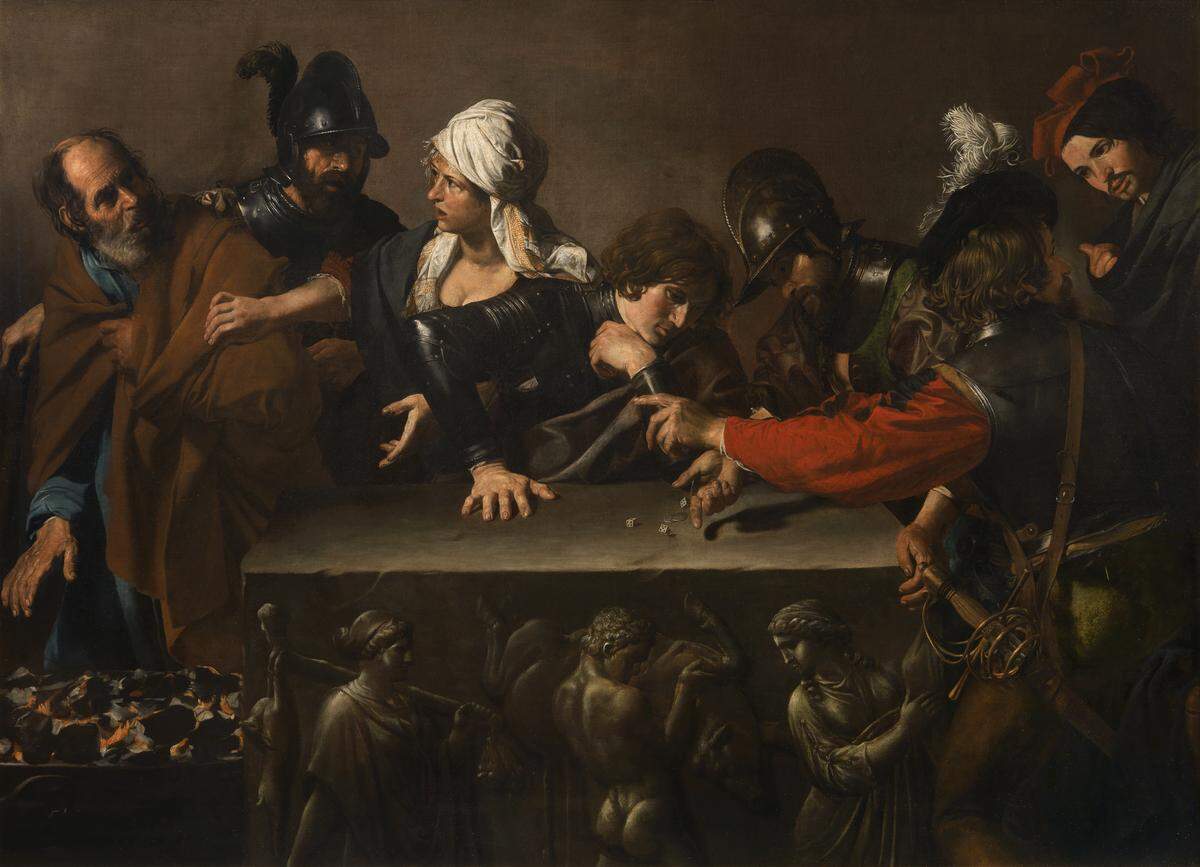
Over 400 years later, Caravaggio’s still an ‘influencer’
Caravaggio has been “called the most famous painter in Rome,” Herman said. Other artists copied his style, which at first the artist considered flattering but later saw it as unoriginal as his popularity grew.
“These aren’t forgeries, as we would think of it today,” Herman said. “These were people who admired him and patrons who wanted to get a hold of a painting, because there were so few. And he had people who were following his style so early in his career, when he was struggling and selling his paintings.”
Caravaggio is credited with introducing chiaroscuro lighting — sharp contrasts between light and dark to create atmospheric scenes. This “spotlight” effect created high drama in his paintings.
Herman sees the 16th-century painter as a surprisingly modern figure. The music video for R.E.M.’s 1991 hit “Losing My Religion,” for example, was inspired by the dramatic lighting and religious imagery of Caravaggio.
“Caravaggio, in today’s world, would be considered an ‘influencer,’” Herman said. “Here is an artist who lived 400 years ago and yet is still influencing people today because of what he brought to the table was so different and impactful.
“We wouldn’t have Rembrandt if not for Caravaggio’s impact,” he said.
The Charlotte exhibit will include clips by filmmakers who explicitly talk about how Caravaggio influenced their vision and concepts for movies like Scorsese’s 1973 “Mean Streets” and “The Last Temptation of Christ” from 1988, as well as other filmmakers and fashion photographer David LaChapelle.
“So we sort of put it together here in a slightly different way than how St Petersburg presented it,” Herman said.
Coinciding with the exhibition, Charlotte’s Independent Picture House will host a four-film series starting April 28. The series explores the influence of Caravaggio’s techniques on cinema, particularly the contrast between light and darkness, said Jay Morong, creative director for IPH and senior lecturer college of Arts + Architecture at UNC Charlotte.
“It’s about this idea of what and how has this painter influenced cinema that we’re watching every day,” he said.
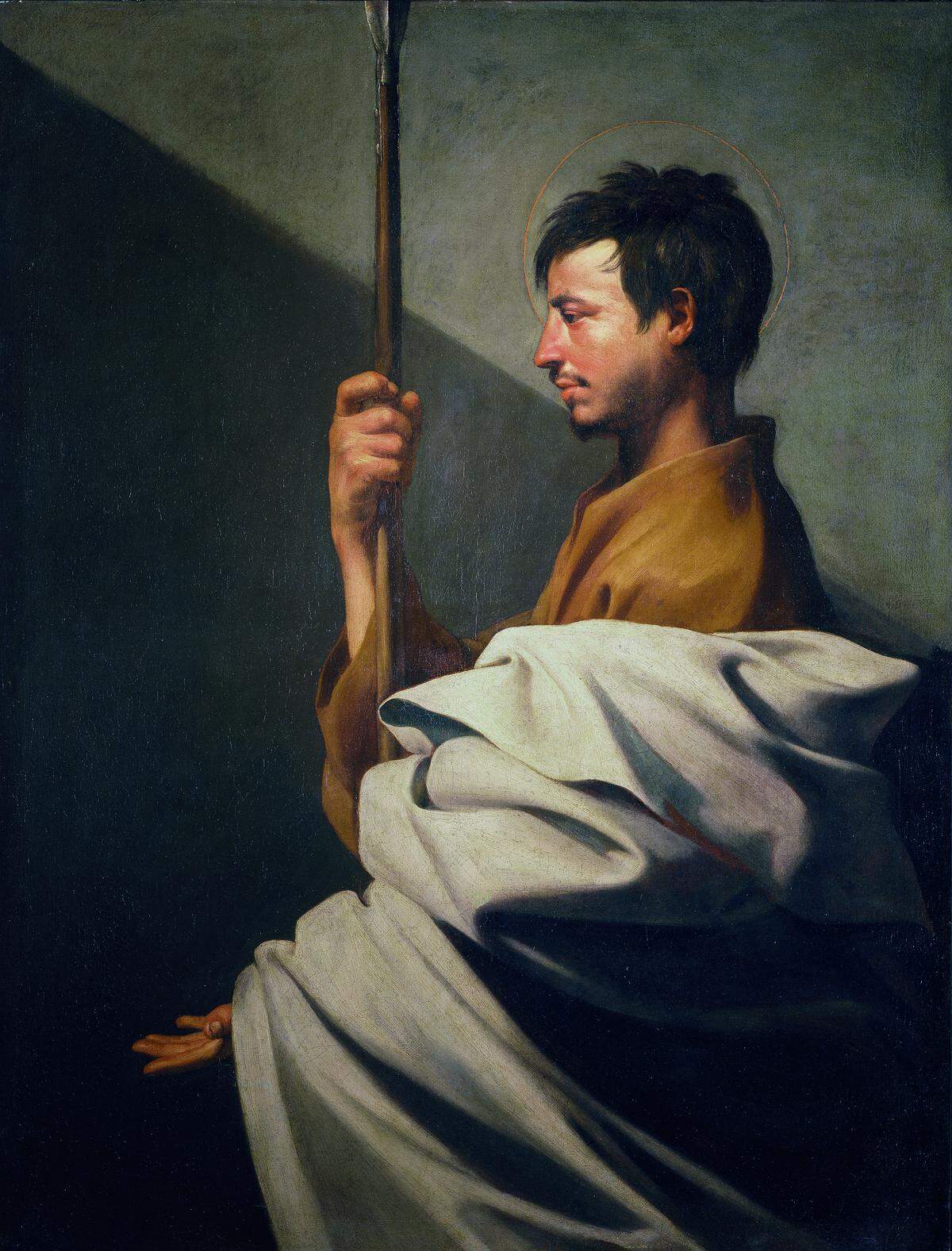
Caravaggio's notorious life
Caravaggio became a celebrity almost overnight in his 20s, according to The National Gallery of London, after receiving his first public commission in 1595 by Cardinal Francesco del Monte.
He also had quite the notorious reputation. He fled Rome in 1606 after killing a man in a street brawl. Caravaggio was convicted in absentia and sentenced to death with a bounty on his head. He remained a fugitive until he died in 1610 at age 38.
“He didn’t paint that many paintings. He lived a relatively short tumultuous life, to say the least. He was on the run for a lot of his career,” Herman said. “He only painted for less than 20 years.”
Caravaggio was nearly forgotten, until Longhi rediscovered him in the early 20th century and brought him to light again, Adicini said. It was after an exhibition in 1951 in Milan that his popularity expanded into movies and photos, she said.
His life was so irregular, violent and short, yet he was still capable of leaving a powerful and deep mark on the history of art, Acidini said.
People’s fascination with his personal life and his innovative artistic style are what make Caravaggio so memorable and incredibly popular now, she said.
There’s a saying about Caravaggio, Herman said: “There was painting before Caravaggio and there was painting after Caravaggio, and they are not the same.”
Want to go?
What: “Caravaggio | Revolution: Baroque Masterpieces from the Roberto Longhi Foundation”
Where: Mint Museum Uptown, 500 S. Tryon St., Charlotte
When: April 26–Oct. 25
Admission: $10, on top of the regular $15 museum pricing.
More arts coverage
Want to see more stories like this? Sign up here for our free, award-winning “Inside Charlotte Arts” newsletter: charlotteobserver.com/newsletters. And you can join our Facebook group, “Inside Charlotte Arts,” by going here: facebook.com/groups/insidecharlottearts.
This story was originally published April 14, 2026 at 5:30 AM with the headline "Inside the Mint Museum’s 4-year quest to bring rare Caravaggio show to Charlotte."