Charlotte to benefit from $110M Wells Fargo mortgage discrimination settlement
The Charlotte region will receive a significant boost in mortgage assistance funds after a federal judge finalized a $110 million settlement with Wells Fargo shareholders over allegations the bank systematically locked out people of color and other underserved communities from access to homeownership loans.
The agreement resolves claims that Wells Fargo directors and senior executives failed to adequately oversee the company’s hiring and mortgage lending practices, according to the judge’s order issued Friday in U.S. District Court in the Northern District of California.
As a result, the Charlotte region is one of more than 50 metropolitan communities nationwide that will benefit from funds earmarked for low- and moderate-income borrowers. The San Francisco-based bank’s largest employment hub is in Charlotte, with over 27,000 workers.
Wells Fargo will commit $100 million to establish a three-year “Borrower Program” to support communities disproportionately affected by lending barriers, under the terms finalized by Judge Trina Thompson. Insurers will pay an additional $10 million on behalf of certain former directors.
Significantly for the Charlotte area, the region is eligible for both grants and closing cost assistance. Nearby Columbia, will receive only closing cost credits.
Thompson said the program is a step toward expanding equitable access, noting it “signals a shift toward more inclusive (mortgage) underwriting practices and a deeper recognition of systemic barriers.” The initiative has the potential to “foster long-term financial stability and community growth,” she wrote.
About the case against Wells Fargo
Plaintiffs alleged Wells Fargo “systematically locked out people of color and marginalized families, preventing them from pursuing the American dream,” Marlon Kimpson of Charleston-based Motley Rice and co-lead counsel for the plaintiffs, said in a statement to the Observer.
A group of Wells Fargo shareholders sued the bank's top leadership in 2022 over allegations of systemic unfairness. The litigation targeted Wells Fargo board members and executives, claiming they failed to address and rectify discriminatory practices within the company's lending and hiring systems.
Unlike class-action cases, this type of lawsuit does not seek financial damages for the individual plaintiffs. Instead, it aims to force operational changes at the corporate level.
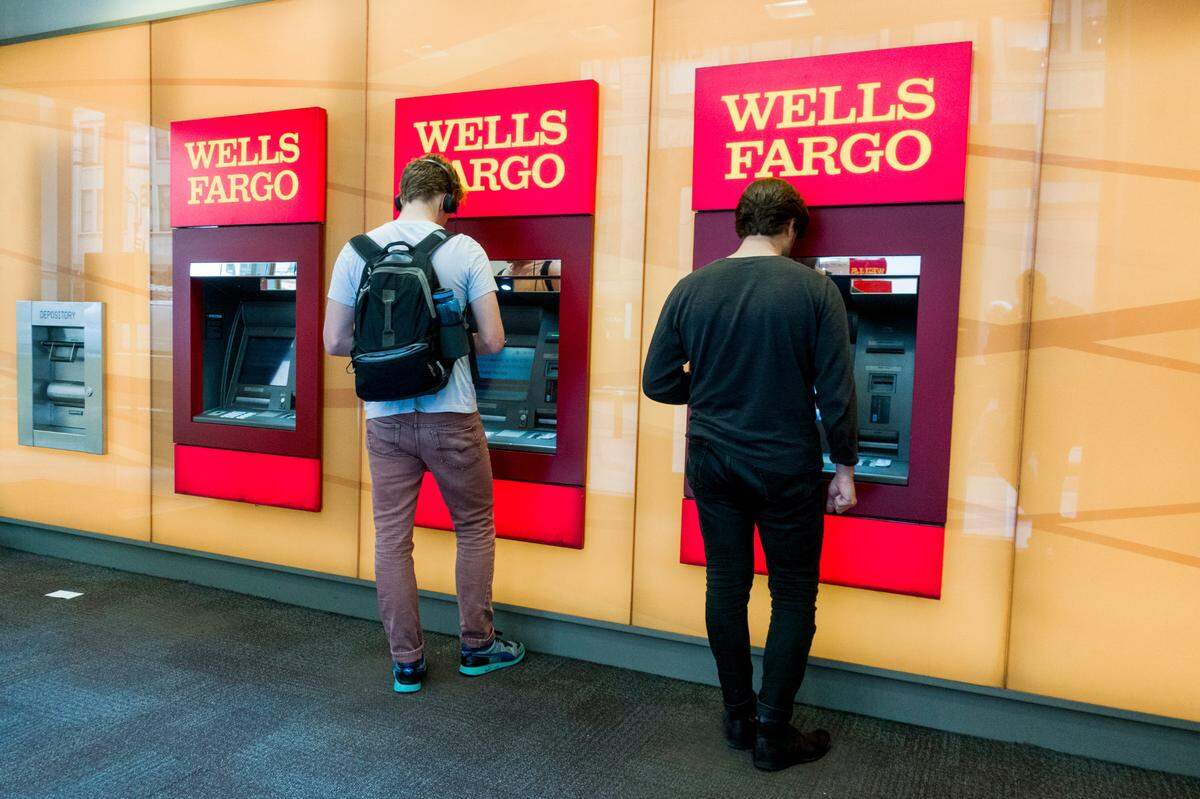
Under the terms of the settlement, Wells Fargo will establish a dedicated fund to assist affected borrowers and implement a series of structural reforms designed to prevent similar discriminatory issues from recurring.
The lead plaintiffs in the case were primarily tied to the city of Pontiac, Michigan, near Detroit, and Plantation, Florida, near Fort Lauderdale, court documents show.
A settlement was reached in September and received preliminary approval from the judge in January, court documents show.
“The settlement represents meaningful progress in addressing discrimination by implementing a program that provides real support to individuals who have historically faced financial discrimination and have lacked access to programs of this kind,” said Tyson Redenbarger, a partner at San Francisco Bay area-based Cotchett Pitre & McCarthy. The firm served as co-lead attorneys for the plaintiffs along with Motley Rice and New York City-based Bleichmar Fonti & Auld.
The agreement is critical to rebuilding trust with Wells Fargo, Judge Thompson said.
“Restorative measures that prioritize transparency, equitable hiring and internal culture reform will be essential in ensuring that progress is both genuine and sustainable,” she said.
More about Wells Fargo
Last October in an unrelated case against the bank, Thompson approved an $85 million class action settlement against Wells Fargo, with $59 million going to class members and the rest covering lawyer and litigation costs.
The suit claimed that from February 2021 to June 2022, interviews with diverse candidates were “shams,” often held even though another candidate had already been selected for the role. The lawsuit was filed by investors in June 2022.
Last month, Wells Fargo reported first-quarter revenue of $21.45 billion, a 6% increase compared with the same time last year, and net income up 7% to $5.3 billion.
The bank is able to grow again after the $1.95 trillion asset cap was lifted last June. The Fed’s harshest punishment that kept the bank from growing was related to the 2016 fake sales scandal.
From 2002 to 2016, hundreds of thousands of Wells Fargo’s Community Bank employees opened millions of unauthorized or fraudulent accounts and other financial products to meet excessive sales goals.
This story was originally published May 19, 2026 at 5:00 AM with the headline "Charlotte to benefit from $110M Wells Fargo mortgage discrimination settlement."