
$1.5B Octapharma deal in Rock Hill could collapse over $43M dispute with county
The future of Octapharma’s high-profile, $1.5 billion headquarters project in Rock Hill, set to bring 1,500 jobs, now comes down to whether the city or its schools gets $43 million in tax-related funding.
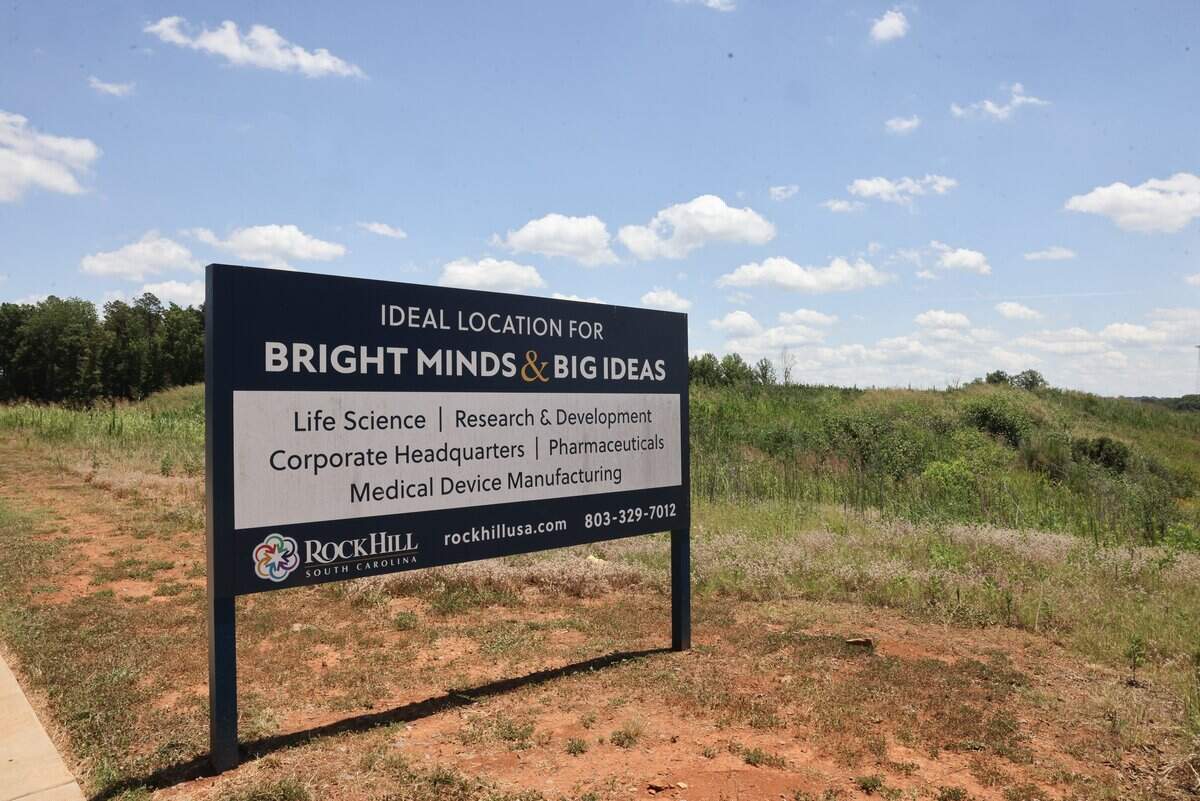
At stake in the burgeoning dispute between the city and York County, is the Canadian biopharma company’s plan to settle in Palmetto Research Park, off Interstate 77 at Exit 81. That’s the former Carolina Panthers headquarters site that the city took ownership of after the Panthers deal fell through four years ago.
Octapharma intends to bring in jobs with an average annual wage of more than $100,000.
York County Council finalized tax incentives Wednesday night, a plan that moves money meant for the city to the Rock Hill School District. The county made that decision knowing the city would only support an earlier agreement promising more money for Rock Hill.
The incentive deal can’t happen without the city’s approval, a city attorney warned the county. And Rock Hill already voted once not to consent to anything less than the original, full amount.
The county’s 4-3 vote makes the tax incentive deal effective July 21. The city’s response by that time is likely to determine whether Octapharma brings those jobs to the area, or the deal collapses and dies.
“It’s being passed (by the county) not knowing what the outcome is going to be,” said York County Councilman Watts Huckabee, who voted against the change. “And it’ll be really unfortunate if Octapharma goes somewhere else.”
What’s the controversy over Octapharma?
Octapharma creates medicines and therapies from human plasma, which it collects at sites across the U.S. and in Germany.
Rock Hill, York County and the Rock Hill School District all get tax revenue from city properties. In recruiting Octapharma, city and county officials proposed a tax incentive agreement that would limit how much each public group receives from the project.
The plan was for each group to get half of what its typical taxes would be on a project this size. Octapharma would keep the rest as the incentive, although it is not clear how much in taxes Octapharma is saving.
The school district would still get more money than the city and county, because school taxes are higher on industrial properties.
Typical tax incentive deals see 62% of revenue go to schools, 24% to the city and 14% to the county.
Those rates stay the same while discounts of what they generate — 50% each in the initial plan — comprise the incentive. The initial plan for Octapharma had schools, the city and county receiving a combined $362 million over 40 years.
Last week, York County Council voted to drop Rock Hill’s portion from half of what the city would get without an incentive, to nothing. The money would instead go to the school district. That move prompted concern in Rock Hill that the entire deal might be compromised.
On Wednesday, York County Council gave final approval to the incentive deal that lets Rock Hill keep 15% of its pre-incentive revenue instead of no revenue. The county and city would both give up more revenue for schools compared to the initial proposal.

What are the final tax numbers?
The original incentive deal had Rock Hill getting $50.5 million over 30 years. After that point, special credits for Octapharma against the fee it would pay in lieu of taxes would expire. The final county plan drops what the city gets in that 30-year span to $7.6 million.
The $42.9 million difference would go to Rock Hill schools.
Over the 40-year life of the incentive deal, a York County fund set up for economic development programs would have received $40.2 million. All of that money will now go to Rock Hill schools. Money would go to pay capital costs for schools, said York County Councilman William “Bump” Roddey, who proposed the final revenue distribution approved Wednesday.
What’s next for Rock Hill?
City Attorney Paul Dillingham sent a letter Wednesday to York County officials stating the county can’t offer the tax incentives without the city’s consent, according to documents obtained by The Herald.
The city gave conditional approval to the incentives on June 22, but that resolution states consent would be rescinded and voided if the city doesn’t receive funds in line with the original agreement.
City officials have reached out to Octapharma since Wednesday’s county decision to discuss next steps. No special Rock Hill City Council meeting has been set to make a decision on the project, Mayor John Gettys said early Thursday afternoon. Online agendas list the next City Council meeting on Aug. 10.
Gettys declined further comment. The Herald reached out to all Rock Hill City Council members for their response to the county’s decision. Multiple Council members referred questions to the city manager’s office.
Octapharma officials, approached Wednesday night by The Herald, declined to comment other than to say they would be in contact with city officials to determine what happens next.

Why is Octapharma such a big deal?
Rock Hill spent four years looking for high-paying jobs in the life sciences and advanced manufacturing fields to replace the failed Panthers headquarters project.
The city-owned Palmetto Research Park is a more than 200-acre site that city, county and state officials have promoted nationally as a prime development opportunity.
Novant Health announced plans last month for a $300 medical campus on 25 acres. Octapharma will take 50 acres for its national headquarters and lab site, set to bring 1,500 jobs. Rock Hill’s focus on creating a life sciences hub mirrors state economic recruitment goals of attracting the same industries, plus corporate headquarters.
High-ranking state and federal officials chimed in on the project ahead of Wednesday’s vote, urging the project forward.
How did schools get involved in Octapharma deal?
York County and Rock Hill elected officials have been unanimous in supporting Octapharma. Their disagreement, stirring concern among some of them that it might derail the Octapharma deal, involves revenue distribution and whether more money should go to schools. Notably, school district officials haven’t been vocal in asking for the money, at least in public settings.
“If they really want this money, they need to stand up and publicly ask for it,” York County Councilman Andy Litten said Wednesday.
Rock Hill schools are unique in York County, York County Council Chairwoman Christi Cox said, in facing two types of economic incentives that hold money back from them. There are fees in place of taxes, like with Octapharma, that happen countywide but mostly in Rock Hill. The city also has tax increment financing districts, or similar incentives for redevelopment. They’ve been in place nearly 40 years and cover some of the largest and most valuable properties in the city.
Downtown tax financing districts will cost schools up to $60 million in the next 13 years, Cox said, while schools also lose $22 million per year in state funding between assessed property value in the city and what schools can collect because of incentive deals.
“Nobody else has to deal with that,” Cox said.
Rock Hill’s ability to draw large commercial projects that create jobs and taxes for schools, though, is an advantage other school districts farther from Interstate 77 don’t have, Litten said. Areas like Fort Mill and Lake Wylie that build up with homes rather than businesses put strain on their schools that industrial projects don’t create, and contribute far less for schools, he said.
More negotiation between all three taxing bodies should’ve happened long before final approval for the Octapharma deal, Litten said. Public bodies trying to strong-arm one another for funding late in the process isn’t leadership, he said.
“This is what the mob does,” Litten said. “This is what criminals do.”