Duke Hospital expands pool of heart donors. Now it has reached a transplant milestone.
Jerry Wargo’s heart was deteriorating last year, and he needed a transplant. But his doctor in Atlanta said that Wargo, at 68, was too old to be put on the heart transplant list there.
His cardiologist suggested he get an evaluation at Duke University Hospital, where he could be eligible.
That second opinion in Durham changed his life.
Wargo was put on the transplant list at Duke thanks to a new process, called “donation after circulatory death” or DCD, that expanded the donor pool. Last year, the team of doctors at Duke became the first in the United States to perform this type of heart transplant, which uses a donor’s heart after it has stopped beating.
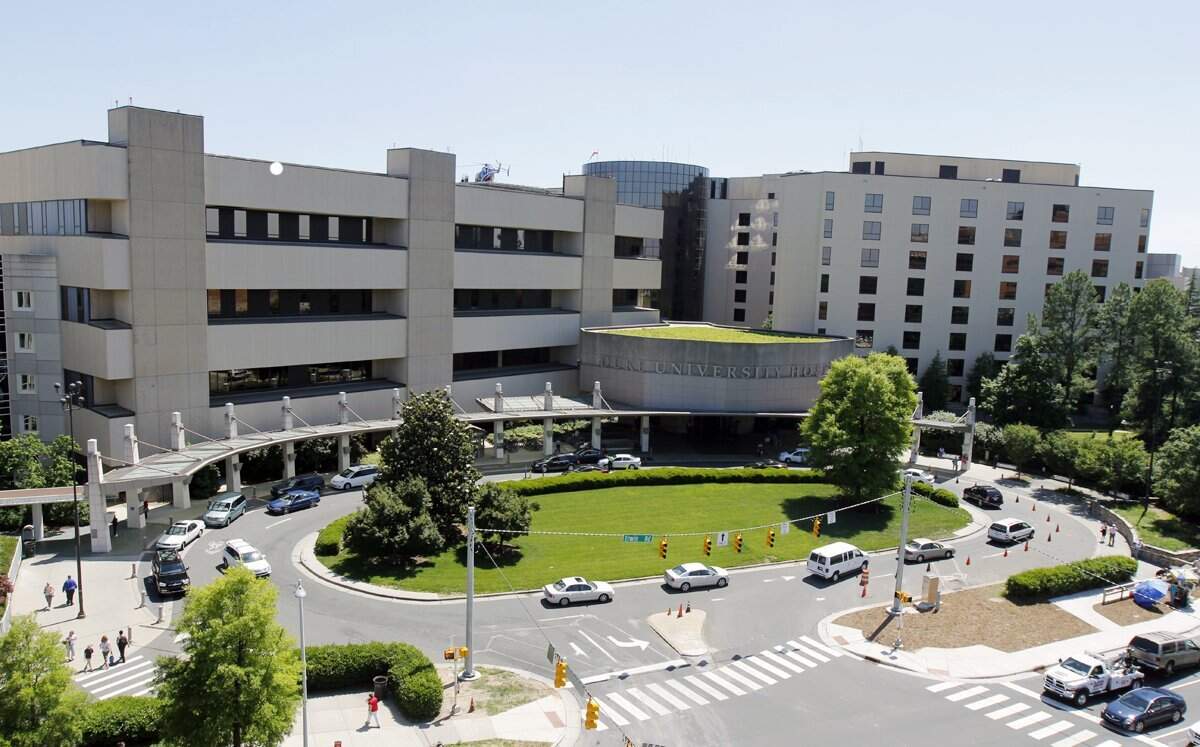
Now, Wargo is one of 1,500 heart transplants performed at Duke — a milestone that only four other transplant centers in the country have reached. Duke is one of the nation’s top centers for the amount of heart transplants done each year and offers patients some of the shortest wait times in the region, according to Duke Health.
The team at Duke hit the 1,500 milestone in late October, and the DCD process was critical to getting there.
“We committed ourselves to identifying ways, whether using modern technologies or different strategies, to expand the donor pool,” said Dr. Chet Patel, medical director of Duke’s heart transplant program.
‘Miracles happen every day’
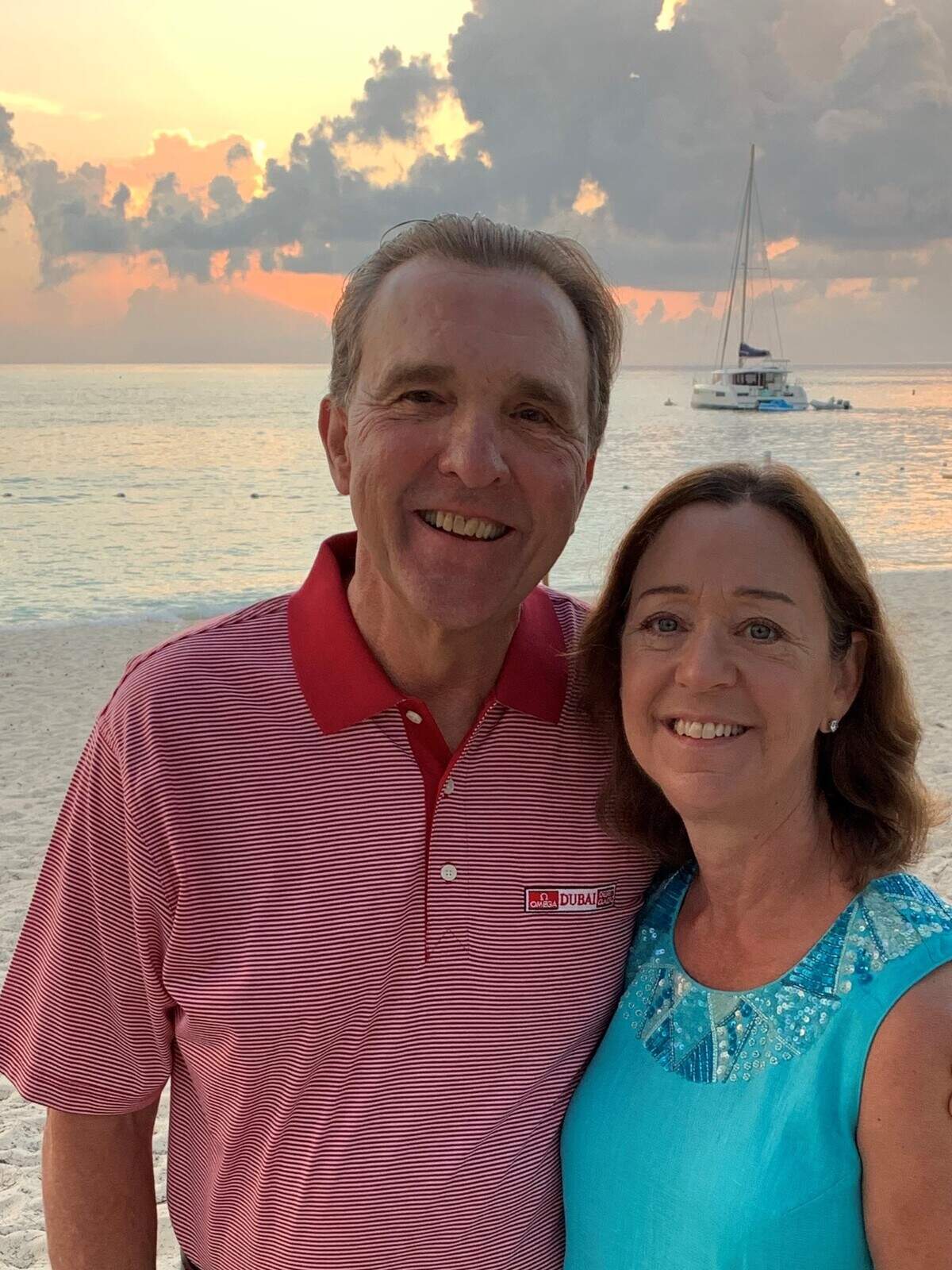
This spring, Wargo and his wife moved to North Carolina so that he could be near the hospital when they called him in for surgery, which could happen in a matter of days or months. He waited about 90 days to get the call, which came in June. He went in that night to get the heart transplant.
“Miracles happen every day, and God blessed me and my family,” Wargo said. “I certainly got a new lease on life and everything in recovery so far has been great.”
Wargo said Duke broadening its reach for donor hearts and expanding its transplant list has “just opened up a whole new possibility for a lot of people,” including him.
Patel said in the past few years, Duke officials have accelerated the number of hearts they could utilize and transplants they could perform. The DCD process opened a group of donor hearts that were not being used at all, he said.
Duke enrolls the most DCD heart transplant patients in the nation, and they’ve done 35 of them in less than a year.
The other area of growth has been through using perfusion devices, which keep the donor hearts warm and oxygenated, Patel said. That allows their team to travel a greater distance to procure hearts for patients, and the tissue stays viable longer because they aren’t just storing it on ice.
Shortening wait times
Duke performed North Carolina’s first heart transplant in 1985 and reached 1,000 transplants in 2014. Then in six years, Duke doctors completed another 500.
Patel said these new technologies and how they’re approaching heart transplants not only expands the transplant list, but also shortens the wait times.
“Every year there are many people who die waiting for a heart transplant,” Patel said. “If we’re able to use these technologies so that people aren’t at risk of dying or declining before they get that organ, it overall gives them the opportunity for a heart transplant.”
“The faster you can get to someone who’s critically ill, the better.”
This story was originally published November 11, 2020 at 12:39 PM with the headline "Duke Hospital expands pool of heart donors. Now it has reached a transplant milestone.."