
‘Nobody was ready for this.’ Anxious Charlotte arts groups losing millions in pandemic
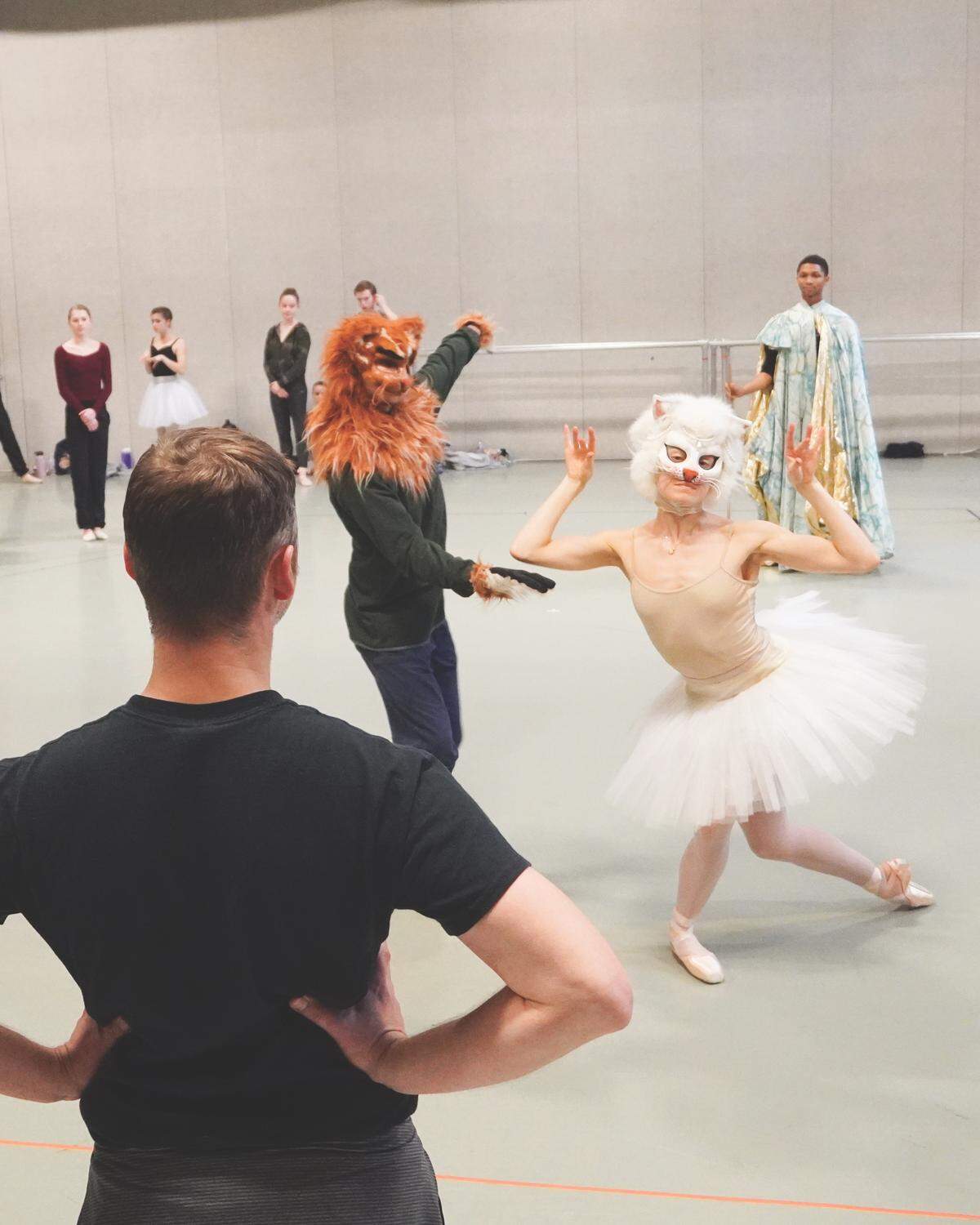
Charlotte Ballet Executive Director Doug Singleton beamed and belly laughed from his seat in the Knight Theater as he watched the final dress rehearsal for the ballet’s’ “Sleeping Beauty” on the evening of March 12.
On March 13, he sat in his office under a heap of stress.
The coronavirus crisis was ramping up by the hour, and ballet leaders had been waiting all day for local government leaders to announce a ban of large gatherings. When no such pronouncement was made by late afternoon, Singleton realized he’d have to make the call.
He picked up his phone and dialed the ballet’s artistic director, Hope Muir, who was at the theater prepping dancers just four hours before curtain. “I said, ‘It’s time,’ ” Singleton recalled. Sleeping Beauty’s entire run was postponed indefinitely.
The city’s arts and culture scene was already reeling from a decades-long decline in funding and the failure of a November sales tax referendum that would have given the arts sector a $22.5 million boost. Now it was spiraling even faster.
Like other sectors of the economy, the fallout from the novel coronavirus pandemic was swift and merciless. Some groups may take years to recover, others may never reopen.
“I always had planned for another hurricane,” Singleton said recently on a Zoom call with the Observer. “But nobody was ready for this.”
Mounting Losses
Within minutes of the ballet’s decision to halt Sleeping Beauty, the Charlotte Symphony also canceled its concert for that night, and the Blumenthal Performing Arts Center would postpone or cancel all performances at its six venues for the foreseeable future.
Museums across Charlotte scaled back, and then closed. Spring fundraisers for arts and culture groups were scrapped. Dance classes, music lessons, cultural festivals — all halted.
Then, the layoffs began
Discovery Place temporarily laid off 75% of its workforce. The Arts & Science Council furloughed three full-time employees, laid off four part-timers and cut the salaries of its its seven highest-paid staffers from 10% to 50% depending on salary level.
Americans for the Arts, a national arts advocacy group, said Thursday that North Carolina arts groups have already reported a loss of $8.1 million since the start of the pandemic.
And that number will surely rise.
The Mint Museum say it expects to lose at least $1 million. Charlotte Symphony: $1 million or more. Opera Carolina says it stands to lose $130,000 in ticket sales alone. Tosco Music, a small organization in comparison to the city’s marquis institutions, says over half of its $420,000 annual budget will disappear this year due to the coronavirus.
The ballet furloughed all of its contract staff and ended all dancers’ contracts, which were supposed to run through late May.
All dancers’ contracts were fulfilled, however, so dancers will get the pay they were promised in their contracts at an accelerated rate, Singleton said. Their final paychecks will go out in April.
Fundraising halted
Spring could be written as “$pring” on an average year for many of the city’s arts and culture groups because of the fundraisers and performances many rely on to get them through the leaner months.
Theater Charlotte’s spring gala, which typically brings in $100,000, was planned for April 4 at Byron’s SouthEnd. It’s been pushed to October, said executive director Ron Law.
The Mint Museum throws its annual gala every April, a chic event on the lawn of its Randolph Road flagship location, which nets upwards of $300,000.
Not this year.
With the event canceled, Mint President and CEO Todd Herman said he’s hoping ticket holders and table sponsors will consider their tickets to be donations.
He estimates that the losses from the gala, museum admissions, event rentals, affiliate group fundraisers and gift shop revenue from April through June will total around $1 million. The museum’s annual budget is about $10 million, he said.
He’s hoping to retain the Mint’s 80 full-time and part-time staff, but cautioned, “All options are on the table.
“We do our best to try to make sure we’re as fiscally sound as we can be. But for non-profits they’re usually aren’t very large rainy day funds because we budget to zero every year,” Herman said. “And we happily have lived to that budget for a number of years. But that also means there isn’t a huge reserve for times like this.”
Yearning for ‘normal’
The Charlotte Symphony has its big fundraising gala in the fall, but spring remains its biggest season for contributions, interim executive director Michelle Hamilton said.
On Friday, the symphony announced it had suspended all of its concerts through June. Hamilton had said its original plan to postpone or cancel performances through April 12 would cost the symphony at least $1 million in ticket sales. That number will now grow.
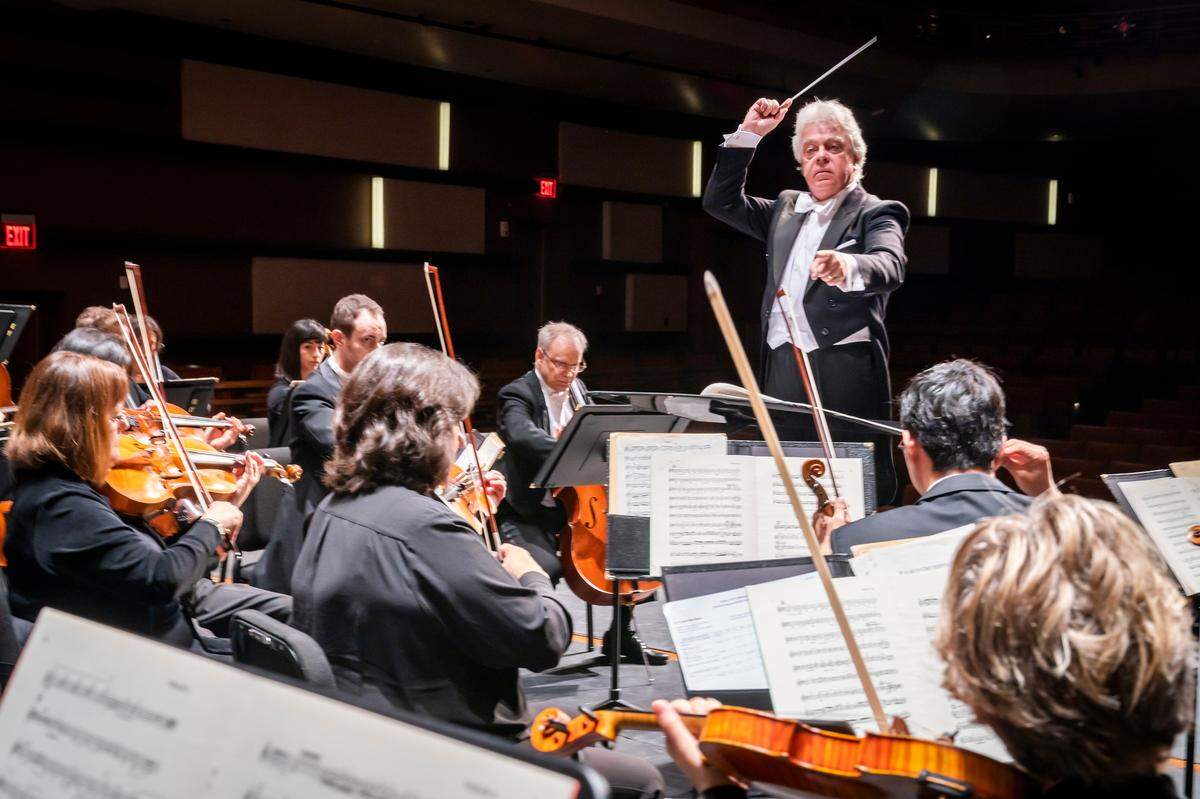
Symphony leaders decided in March not to lay off any of their 85 full-time employees, including 58 full-time musicians. Hamilton also said she’s applying for federal aid and Small Business Administration loans to allow her to make payroll — a move other local arts leaders say they’re doing as well.
Even after the mass gathering bans lift, Hamilton said she’s prepared for audiences — and income — to lag.
“I’m hoping ‘normal’ comes by the time we are all ready to open our seasons in the fall.”
‘So much we don’t know’
Opera Carolina should be deep in rehearsal this week for “I Dream,” a contemporary opera based on the life of Martin Luther King, which was slated for April 19-25. It’ll be staged next year instead.
Meanwhile, the opera’s annual spring golf tournament at the Club at Longview, which usually brings in $60,000, has been pushed to the end of July.
James Meena became both artistic director and chief administrator when the opera laid off Executive Director Beth Hansen in February amid budget troubles. He said the suddenness of the pandemic and the uncertainty about how long it will last make planning impossible.
“We’re doing our cash flow projections now through 2021, and we need to know where we’re going to be,” Meena said. “But there’s so much we don’t know. How quickly will the economy recover? How quickly will people feel comfortable getting out of the house and going to the theater?”
The opera has eight full- and part-time employees, and Meena wants to hang on to them.
Most of the 50-some opera singers who perform in its productions are contract workers who only get paid when they perform. Meena said he’s hoping to be able to pay them an honorarium for their “I Dream” prep work.
Personal impact
At the Blumenthal Performing Arts Center, CEO Tom Gabbard said he’s committed to keeping the staff of 120 full-time employees, plus some part-time staffers.
The Blumenthal’s normal burn rate — or the rate at which it uses its capital to fund day-to-day-operations — is more than $1 million a month, Gabbard said. “So we know that (coronavirus) impact is well over a million a month,” he said.
The Blumenthal owns six of the city’s most popular performing arts venues. Once groups are ready to reschedule, there will be a scheduling matrix to figure out who will use what facilities on which dates.
“We just pushed the pause button, and even when people were eager to make commitments, we said, ‘Let’s wait and see when this settles down,’ ” Gabbard said.
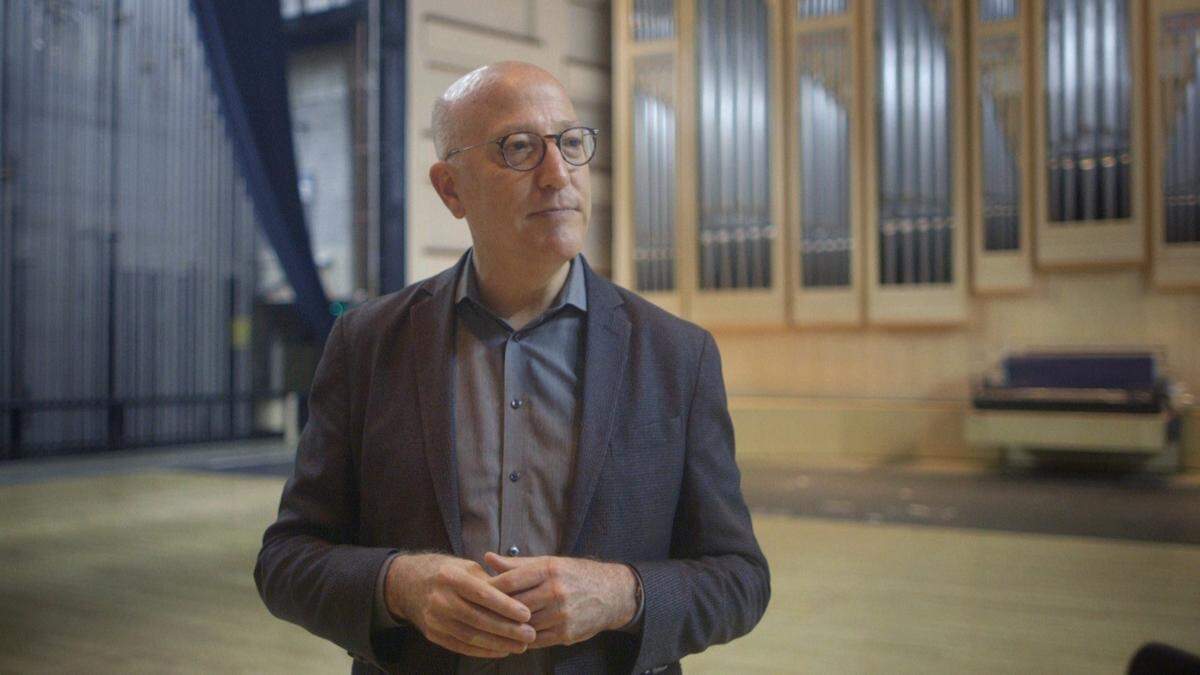
Gabbard has been dealing with the coronavirus on a personal level too.
He came down with a fever and cough several days after returning to Charlotte from a trip to London on March 12, and tested positive for COVID-19, the disease caused by the novel coronavirus.
His wife, Vickie, also came down with the virus, her symptoms lagging a few days after her husband’s.
Both experienced body aches and fever, and Gabbard’s cough lingered longer than Vickie’s. Now both are nearly fully recovered, he said.
“We’re both senior citizens, so we’re in that zone of high risk,” Gabbard said. “There’s much for us to be thankful for.”
Already fragile
If Charlotte’s major arts organizations, many with professional development directors and big-budget fundraisers, are feeling stressed, small organizations are in a panic.
John Tosco, who’s been running Tosco Music parties, events and outreach programs for more than two decades, had a big year planned for 2020.
Last summer’s Beatles Tribute event, FabFest, drew thousands from faraway states, and he had booked Spirit Square and Knight Theater for a larger, three-day Beatles festival this June. He’s had to cancel most of those plans.
Tosco had been hoping to build his non-profit’s revenue this year to be able to hire staff to handle the workload. He is the organization’s only employee, and relies on part-time contract workers and volunteers to fulfill his mission.
Canceling FabFest and other spring and summer events will cost Tosco Music $231,000 of its $420,000 budget, he said.
“It will be a hard hit, but we’ll come through it,” he said.
The Actor’s Theatre of Charlotte has canceled the rest of its season because of the coronavirus.
In February, the non-profit’s leaders made a plea for donations, saying its reserves had run dry and it was in danger of folding. In less than a month, it raised $132,000, and leaders now say they’ll begin planning in May for a new season to start in August.
On Wednesday, the Arts & Science Council, an umbrella arts funding organization, announced the Mecklenburg Creatives Resiliency Fund to give $500 grants to individual artists financially impacted by COVID-19. The ASC is seeding the fund with $20,000 it would have spent on programs this spring that are now canceled, and is taking donations from the public.
Gabbard, the Blumenthal CEO, said the public should realize that some groups will struggle to survive the pandemic.
“A lot of these folks were really fragile before there was a crisis,” he said.
“When a group is under-capitalized and they don’t have the ability to deal with a bump, they are certainly in jeopardy,” Gabbard said. “I think we all have to be mindful of that and of the necessity for all of us to chip in and help groups through this.”
This story was originally published April 2, 2020 at 2:52 PM with the headline "‘Nobody was ready for this.’ Anxious Charlotte arts groups losing millions in pandemic."