Inside SC’s mad dash to plan distribution of 1st coronavirus vaccine
The end of the pandemic may be in sight, health experts say.
By late next week, the nation’s first coronavirus vaccine could be on its way to South Carolina.
It won’t be a magic bullet. People will have to keep wearing face masks while out at the grocery store, experts say. “Social distancing” isn’t leaving the state’s lexicon any time soon.
Months of new infections and deaths are likely this winter. And most of the public will have to wait until the spring or summer to get inoculated.
But it’s a promising development in what will soon become the largest mass vaccination campaign in history, as everyone from S.C.’s dry ice suppliers to hospital leaders prepare for the initial shipments of Pfizer and BioNTech’s COVID-19 vaccine, which will likely be the first approved for distribution in the United States this year.
A committee at the U.S. Food and Drug Administration will review the firms’ vaccine, BNT162b2, during a meeting next Thursday.
If it’s deemed safe, the FDA could allow its use by mid-December.
What does that mean for the Palmetto State?
Much remains unknown, although some logistics are coming into focus.
The Island Packet and Beaufort Gazette reached out to every member of the S.C. Hospital Association, state experts and government officials to examine how Pfizer’s vaccine might be distributed in coming days.
Here’s what we know so far.
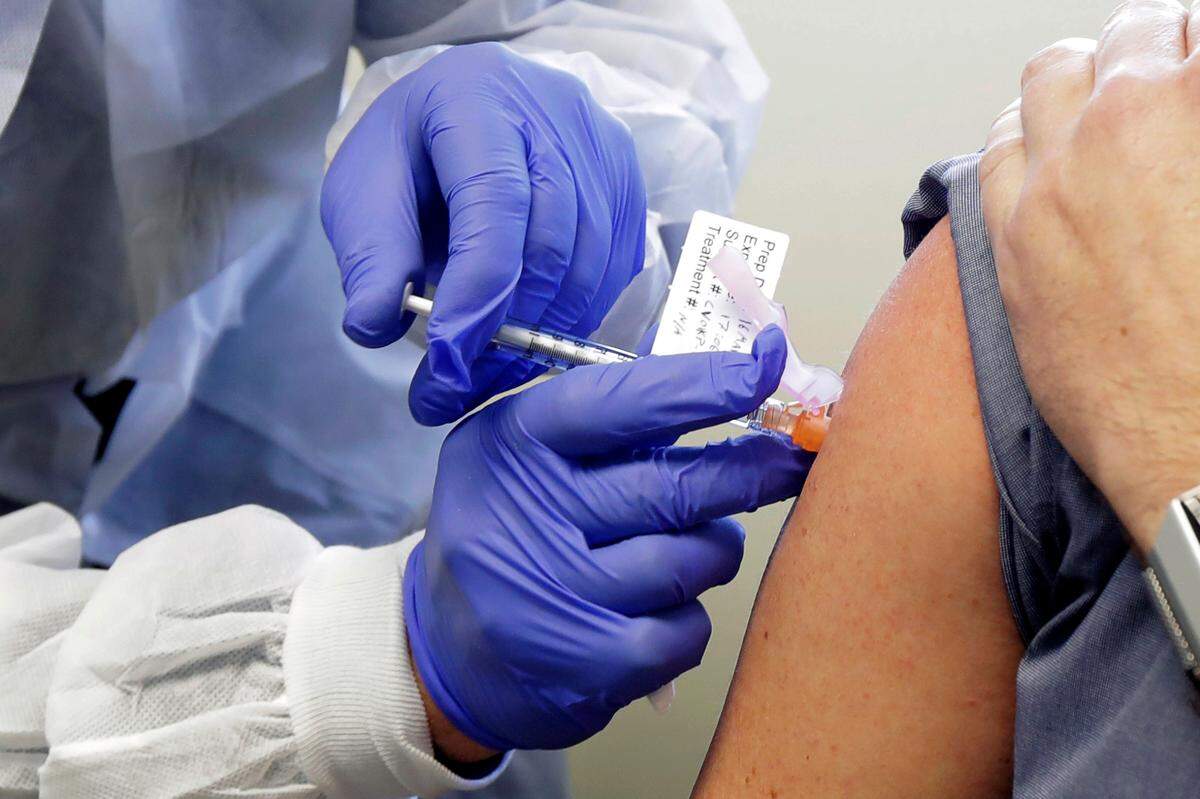
Vaccine allocation unclear
The number of Pfizer doses that will be shipped to S.C. once the vaccine is approved was not known as of Tuesday morning, according to DHEC spokeswoman Laura Renwick.
Derrec Becker, a spokesman for the Emergency Management Division, echoed Renwick.
“We don’t have any idea of what we’ll get until we actually get it,” Becker said Tuesday. “We don’t have any concrete information.”
Becker said the federal government previously sent South Carolina an estimate of its first allocation, but that figure has been changing daily. He declined to provide the estimate Tuesday morning, saying it would be inaccurate by Wednesday.
Renwick, though, in a statement Wednesday confirmed that five locations will receive the doses first. All of those sites have ultra-cold freezers, she wrote. Pfizer’s vaccine needs to be stored at -70 degrees Celsius.
She did not name the five locations.
Dr. Krutika Kuppalli, an infectious diseases expert at MUSC in Charleston, said several factors will determine where initial doses go.
“How much vaccine we’re gonna get, who has the ultra-cold chain storage? And you also have to look at how many employees you’re trying to vaccinate as well,” Kuppalli said Thursday.
Army Gen. Gustave F. Perna, chief operating officer of Operation Warp Speed, a federal initiative launched to expedite the development of COVID-19 vaccines and therapeutics, told reporters late last month that states were notified of their initial vaccine allocations at 11:35 p.m. Nov. 20.
The general said Pfizer’s vaccine would be sent to states, territories and major cities within 24 hours of FDA clearance, with 6.4 million doses available by mid-December.
Pfizer is shipping doses itself, using special containers filled with dry ice to store vials at ultra-cold temperatures.
The government wants to send 40 million doses of COVID-19 vaccines across the country by the end of 2020. For context, there are more than 330 million people in the U.S. and Pfizer’s vaccine requires two doses per person, like another vaccine created by the drug maker Moderna. That company is also seeking emergency FDA approval later this month.
Some governors in recent days have announced their state’s Pfizer allocation.
Florida Gov. Ron DeSantis on Monday said he expects the Sunshine State to receive 1 million to 2 million doses by mid-December. There are more than 21 million residents in Florida.
Each state’s initial allocation is based on its adult population, federal officials say, and the supply will be extremely limited at first.
A Centers for Disease Control and Prevention advisory panel, meanwhile, on Tuesday recommended that health care workers and long-term care residents and staff receive vaccines during the nation’s early distribution, which is called Phase 1a.
DHEC also recommended in October that Phase 1a focus on health care employees.
As of April, more than 150,000 physicians, nurses and other health care workers were available to support the Palmetto State’s COVID-19 response, according to an S.C. Office for Healthcare Workforce report published at the time.
The general public can get vaccinated at some point next year, according to DHEC’s draft distribution plan, as companies’ vaccine production ramps up.
Pfizer says its vaccine is 95% effective against COVID-19, according to trial data.
Experts, though, stress that the pandemic is far from over.
“It’s not something that’s going to go away overnight,” said Lior Rennert, a biostatistics professor at Clemson University.
But, Rennert said, if enough people get vaccinated “we will return to normal” by summer 2021. In the meantime, everyone has to keep following public health guidelines, like wearing a face mask while around others, he said.
DHEC, meanwhile, has warned of an ongoing surge in new COVID-19 cases.
The state has already reported roughly 208,000 coronavirus infections this year. And at least 4,100 South Carolinians have died after contracting the pathogen.
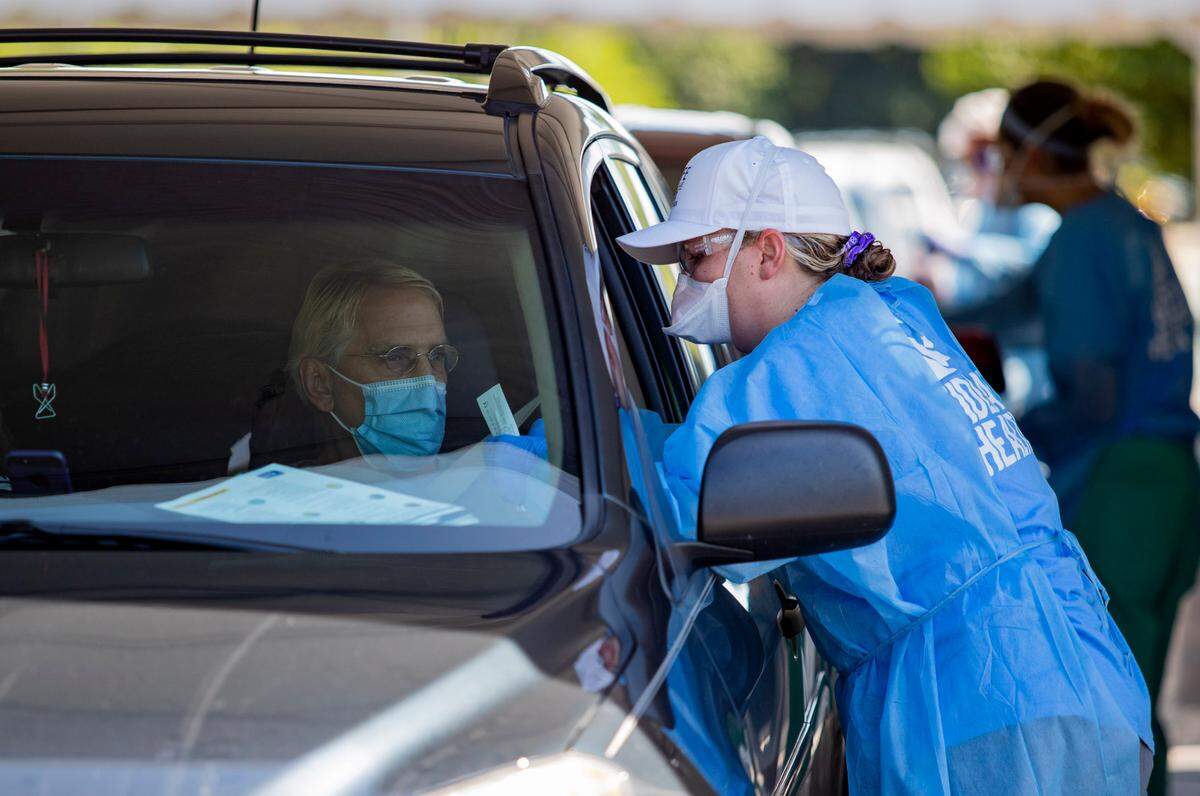
Big hospitals could be key
Forty-one members of the S.C. Hospital Association this week confirmed they had enrolled as providers in DHEC’s vaccine distribution network.
Pfizer could eventually ship its vaccine directly to those providers.
Five Medical University of South Carolina hospitals are part of the initiative, as well as 12 Prisma Health hospitals, AnMed Health hospitals, S.C. Department of Mental Health hospitals, Colleton Medical Center, Conway Medical Center, Beaufort Memorial Hospital, Lexington Medical Center and two Tidelands Health hospitals, among others.
Many hospital spokespeople, though, did not respond to phone calls or emails seeking comment for this story.
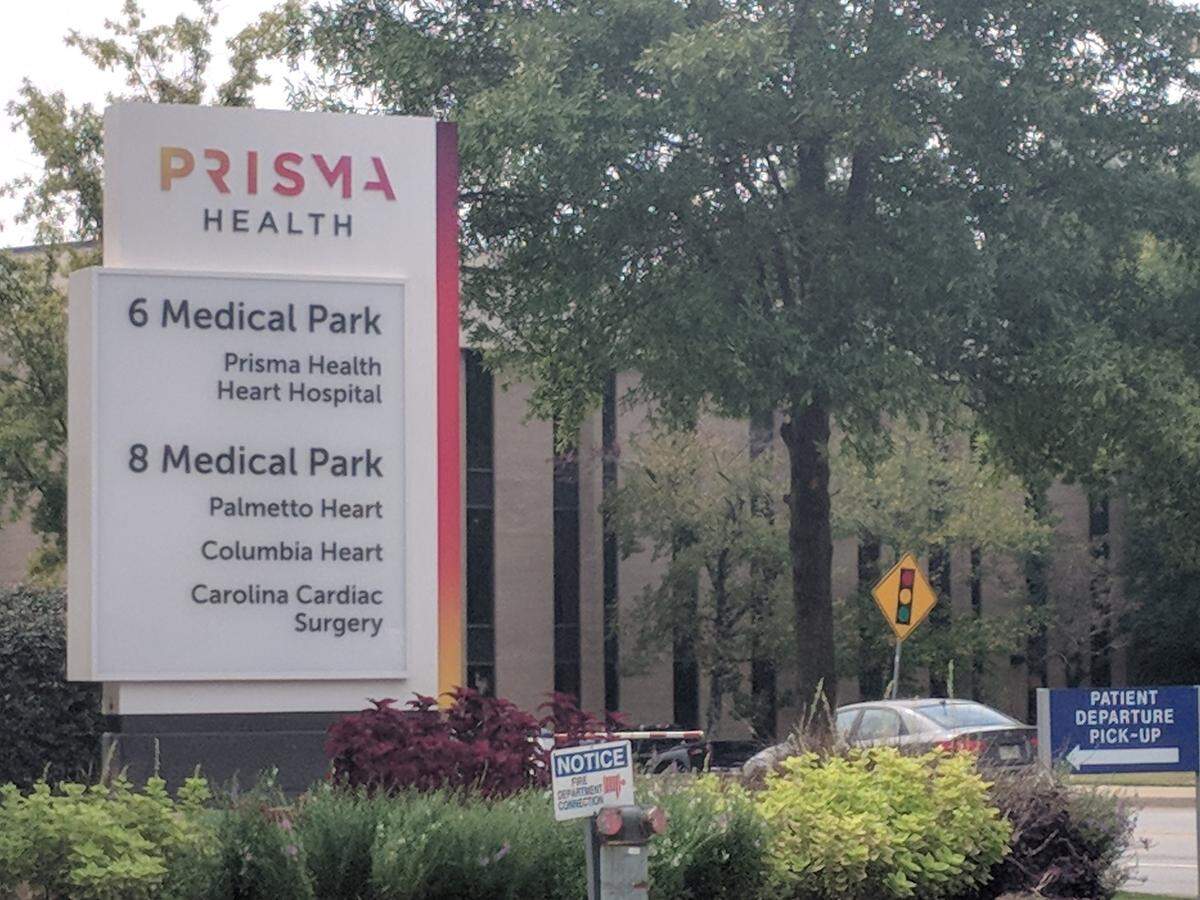
Renwick, the DHEC spokeswoman, in a statement Wednesday wrote that 176 providers were part of the initiative as of Monday, in total. She previously declined to give the newspapers a list of those facilities’ names.
Hospitals won’t be the only vaccine distributors in the state. Other health care centers will be part of the campaign, too.
Meg Davis, a spokeswoman for Abbeville Area Medical Center, said her hospital’s three primary care practices and mobile COVID-19 testing clinic were accepted into the DHEC network.
The federal government is also partnering with national pharmacy chains like CVS and Walgreens to eventually distribute vaccines.
But given the unusual storage requirements for Pfizer’s vaccine, and the CDC panel’s recommendations Tuesday, hospitals will likely play a crucial role in S.C.’s distribution system in mid- to late December.
Rennert, of Clemson University, said he expects big medical networks like MUSC’s or Prisma’s to get the Pfizer vaccine first.
Only five sites will receive Pfizer doses immediately, according to Renwick.
‘I really don’t know what we’re up against yet’
Pfizer’s vaccine is finicky. It needs to be stored at -94 degrees Fahrenheit, which is -70 degrees Celsius. That’s within the temperature range of Antarctica.
Stephen White, director of immunizations at DHEC, recently told the agency’s board that the Pfizer storage requirements are “unprecedented” and will present a logistics challenge.
The drug maker is shipping its vaccine in containers filled with dry ice. Doses can be stored in an ultra-cold freezer for six months, according to the CDC. Providers can also keep the vaccine in Pfizer’s shipping container for 15 days, but they would have to replenish the initial dry ice supply.
The vaccine can be immediately placed in a refrigerator for up to 120 hours, as well.
A minimum Pfizer shipment will initially be one tray of 975 doses, according to the CDC.
Several S.C. hospitals told The Island Packet and Beaufort Gazette they had ultra-cold freezers ready to go, including at Conway Medical Center and Lexington Medical Center, among other places.
MUSC’s facilities are also sharing one large freezer, a spokeswoman confirmed.
Some smaller hospitals, though, do not have that type of storage capacity. Beaufort Memorial Hospital doesn’t. And neither does the Tri-County Commission on Alcohol and Drug Abuse, a psychiatric hospital in Orangeburg County.
Those facilities might need additional dry ice to fill Pfizer’s shipping containers, if they get doses at some point.
Aubrey Fogle, owner of Southern Welders Supply Co., which provides dry ice at locations in Orangeburg, Myrtle Beach and Sumter, said there are “rumblings” that a carbon dioxide shortage might hit as medical centers scramble to find more dry ice, which is a solid form of the gas.
That hasn’t been a problem yet, Fogle stressed.
Matt Loving, general manager of Westside Ice in Columbia, said his company buys dry ice from another Midlands business, then supplies it to local doctor’s offices. He typically orders 500 pounds a week.
Loving, though, now wonders if he’ll have to order 2,000 pounds per week.
“The demand’s getting ready to go up,” he said.
Loving added that a DMH employee called Westside Ice late last week to ask about dry ice availability.
Tracy LaPointe, a DMH spokeswoman, in a statement Wednesday confirmed that the agency might have to buy dry ice to store the Pfizer vaccine.
“Our procurement division is lining up contingency supplies but we are hoping our hospitals will not need them,” LaPointe wrote.
Regardless, Westside Ice is preparing for a potential wave of new customers.
“I really don’t know what we’re up against yet,” Loving said.
BEHIND THE STORY
MOREHospitals enrolled in DHEC’s COVID-19 vaccine distribution network
The Island Packet and Beaufort Gazette contacted the S.C. Hospital Association’s 94 members on Dec. 1 and Dec. 2 to ask if they had enrolled in the S.C. Department of Health and Environmental Control’s COVID-19 vaccine distribution network. Here are the facilities that are a part of the initiative, according to hospital spokespeople. Many of them said they have ultra-cold storage capacity:
Abbeville Area Medical Center, AnMed Health Cannon, AnMed Health Medical Center, AnMed Health Rehabilitation Hospital, AnMed Health Women’s and Children’s Hospital, Beaufort Memorial Hospital, Bon Secours St. Francis Hospital, Colleton Medical Center, Conway Medical Center, G. Werber Bryan Psychiatric Hospital, Grand Strand Medical Center, Hampton Regional Medical Center, Lexington Medical Center, Morris Village Alcohol and Drug Addiction Treatment Facility, MUSC Health Chester Medical Center, MUSC Health Florence Medical Center, MUSC Health Lancaster Medical Center, MUSC Health Marion Medical Center, MUSC Health University Medical Center, Patrick B. Harris Psychiatric Hospital, Prisma Health Baptist Easley Hospital, Prisma Health Baptist Hospital, Prisma Health Baptist Parkridge Hospital, Prisma Health Greenville Memorial Hospital, Prisma Health Greer Memorial Hospital, Prisma Health Hillcrest Hospital, Prisma Health Laurens County Hospital, Prisma Health North Greenville Hospital, Prisma Health Oconee Memorial Hospital, Prisma Health Patewood Hospital, Prisma Health Richland Hospital, Prisma Health Tuomey Hospital, Roper Hospital, Roper St. Francis Berkeley Hospital, Roper St. Francis Mount Pleasant Hospital, St. Francis Downtown, St. Francis Eastside, Summerville Medical Center, Tidelands Georgetown Memorial Hospital, Tidelands Waccamaw Community Hospital and Trident Medical Center.
The Tri-County Commission on Alcohol and Drug Abuse has also applied to join the network, according to its executive director. That application was pending as of Dec. 2.
This story was originally published December 3, 2020 at 12:36 PM with the headline "Inside SC’s mad dash to plan distribution of 1st coronavirus vaccine."