5 takeaways the Rock Hill area should know about the COVID omicron surge
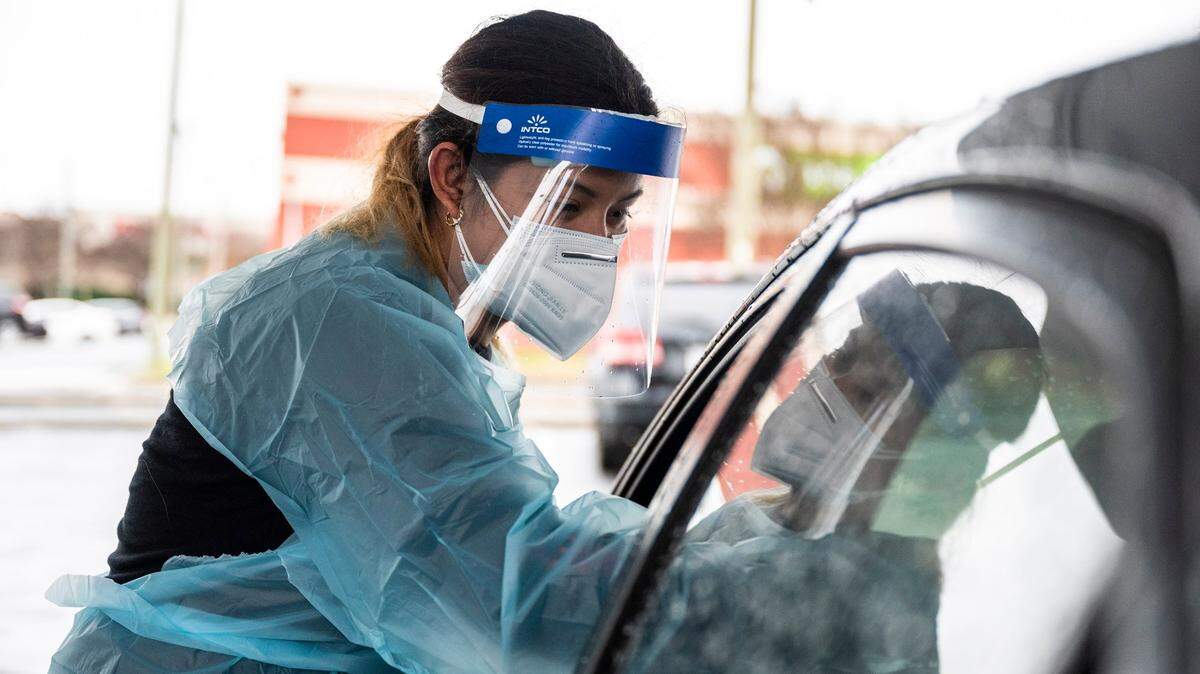
York, Lancaster and Chester counties all have reached record-high COVID-19 case counts in recent days as the omicron surge continues across the state and country.
South Carolina’s latest surge, which began last month, is fueled by the highly contagious omicron variant, officials said.
The variant has quickly surpassed its predecessor delta as the main variant in the United States, accounting for roughly 98% of new infections in the country, according to estimates from the Centers for Disease Control and Prevention.
Here’s how the numbers are impacting the Rock Hill region:
1. All three counties have broken virus records this week.
York County, on Jan. 6, reported 688 newly confirmed and probable infections, which is the highest total since the pandemic began. The previous case record was set on Jan. 1, with 645 confirmed and probable infections, according to the S.C. Department of Health and Environmental Control.
Lancaster County also recorded its highest total on Jan. 6. The county logged 182 newly confirmed and probable infections, beating its previous cases record set last year on Jan. 15, with 180 infections, according to DHEC.
On Monday, Chester County, which has less than 32,000 people, reported 95 confirmed and probable infections, marking its highest total since the pandemic began. The previous record was recorded on Dec. 30, with 79 cases, according to DHEC.
2. South Carolina is, once again, experiencing its highest numbers since the start of the pandemic.
With omicron’s widespread transmission, case counts across the state are reaching levels unseen during last year’s winter surge, DHEC’s public health director Dr. Brannon Traxler said.
“What we’re seeing reflected in South Carolina certainly are the highest case numbers that we’ve ever seen in this pandemic,” she said.
Those ranging from ages 20 to 50 make up a majority of the state’s newly reported cases, Traxler said. And a majority of those cases remain among individuals who are not vaccinated, she said.
“Vaccinations, masks, and testing are the primary tools we have to fight omicron and every other variant,” Traxler said. “If we all work together and commit to these practices overtime, we would finally be able put this pandemic behind us.”
3. The counties’ climbing infections are not slowing down.
York County reported over 1,000 new infections in a three-day span, according to DHEC.
The county logged 546 confirmed and probable infections on Saturday, 283 on Sunday and 530 on Monday, according to DHEC. In total, York County recorded 1,359 confirmed and probable cases. As a result, the county’s seven-day case average spiked to 534 infections per day on Monday.
Lancaster County added over 400 new infections in the same time period. The county added 152 confirmed and probable infections on Saturday, 125 both on Sunday and Monday, according to DHEC. The county’s seven-day case average reached 154 infections per day on Sunday, which is a record high.
And Chester County’s seven-day average grew by more nearly 30 this week, according to DHEC. The county’s seven-day average of newly reported cases climbed to 70 infections per day on Monday. The previously high seven-day average was 43, which the county reached in September.
4. Hospitalizations are not growing at the same rate.
Hospitalizations in the three counties have remained relatively low. In York County, 2.4% of people with COVID are currently hospitalized; 3.6% in Chester; and 2.8% in Lancaster.
However, hospitals are filling up — just not as fast as case counts are rising, Traxler said.
“It is fair to say we’re seeing more asymptomatic and more mildly symptomatic people than we did this time last year,” she said.
According to The New York Times, which updates its database on ICU capacity daily, reported Wednesday that the ICU in Rock Hill’s Piedmont Medical Center is 90% full, and MUSC’s Lancaster Medical Center is 69% full.
5. Newly reported cases are “coming from a little bit of everywhere.”
There’s not one root to the state’s sudden growth in case counts, Traxler said.
“(Cases) are coming from the community and from households,” Traxler said. “When we are seeing the case numbers that we’re seeing right now, that level of transmission — this is widespread transmission, and so we are not going to be able to nail it down.”
While state health officials expect virus activity to continue to soar over the next few weeks, the best defense against the super contagious variant is still vaccination, Traxler said.
“Any time you’re around people, especially outside your household, you are putting yourself, to some degree, at risk,” she said. “What everyone can do then, since we are all going to be exposed if we’re around other people, is get vaccinated.”