
Jim Sulton's moral force remembered at memorial
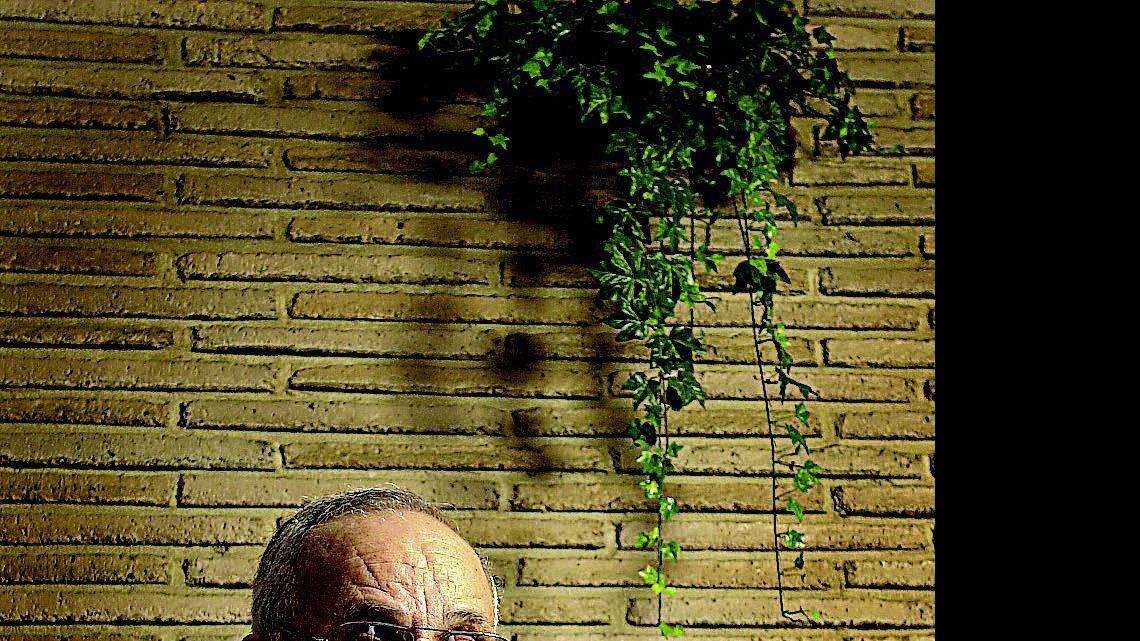
Orangeburg civil rights leader died last week
ORANGEBURG -- For five decades, Jim Sulton carried a worn, tattered slip of paper in his wallet, a list of Orangeburg businesses that, for a time in the 1950s, he refused to patronize.
That paper was tangible evidence of the strict segregation that once pervaded South Carolina and, for him, represented a memory of a counter-movement that helped change South Carolina's history.
Sulton, who died last week at 84, was at the epicenter of the state's civil rights struggle. A tall, lanky man, he was a commanding presence in his hometown, leading marches through downtown Orangeburg, getting jailed too many times to remember, and always, always pressing for change.
Sulton refused to store up righteous indignation for a rainy day, returning after Army service in World War II and a year at Morehouse College determined to demolish the entrenched segregation that dominated the South.
"He was generously endowed with many gifts," said the Rev. Michael C. Okere, who officiated at his memorial service Wednesday. Okere recalled that Sulton returned from overseas believing "if I fight for my country ... my country should love and respect me."
A devout Catholic, Sulton relied on the moral force of his argument to persuade white Orangeburg that black people deserved the same political and economic opportunities as white people, including the simple pleasure of enjoying a cup of coffee at the dime store counter.
"I didn't care about people liking me," he said in a 2003 interview with The State. "I wanted respect."
In 1955, he and his wife, Ruby, parents of five children, were among petitioners seeking integration of the Orangeburg public schools, buoyed by the 1954 U.S. Supreme Court decision that outlawed separate but equal schools. Shortly afterward, a White Citizens Council was formed, hanging an office shingle downtown next door to the city newspaper, and it began putting the economic "squeeze" on petitioners to persuade them to relent.
Jim Sulton and his brother owned a service station, and they quickly found that their auto-parts suppliers had dried up and their Coca-Cola distributor refused to stock their drink machine.
Sulton and other black NAACP leaders decided to retaliate with a counter-boycott and drew up a list of stores that black people should not patronize and products they should not buy. Black customers were told to patronize black-owned businesses and refrain from going downtown to the white merchants.
Orangeburg photographer Cecil Williams often cruised the streets to photograph any black person breaking the boycott. The offender would find his or her photo posted on a board in the basement of Trinity United Methodist Church, the headquarters of the boycott movement.
At his memorial service Wednesday at Holy Trinity Catholic Church, U.S. Rep. Jim Clyburn, D-S.C., reminded mourners of the sheer force of Sulton's life and the bridges he built between white and black South Carolinians.
"Because of who he was, I am who I am today," Clyburn said.
Granddaughter Susan Jackson spoke of her grandfather's legacy, which winds its way through the extended family of five children, nine grandchildren and two great-grandchildren, many scattered across the United States.
James Emile Sulton Sr. belonged to that generation of men and women called the "greatest generation." There was, in the peaceful silence of the cemetery as his ashes were interred, the slightest rustle in the air, as if you could hear history passing.
This story was originally published April 24, 2008 at 1:01 AM with the headline "Jim Sulton's moral force remembered at memorial."