
Summer, suburban sprawl spur spike in rabies cases
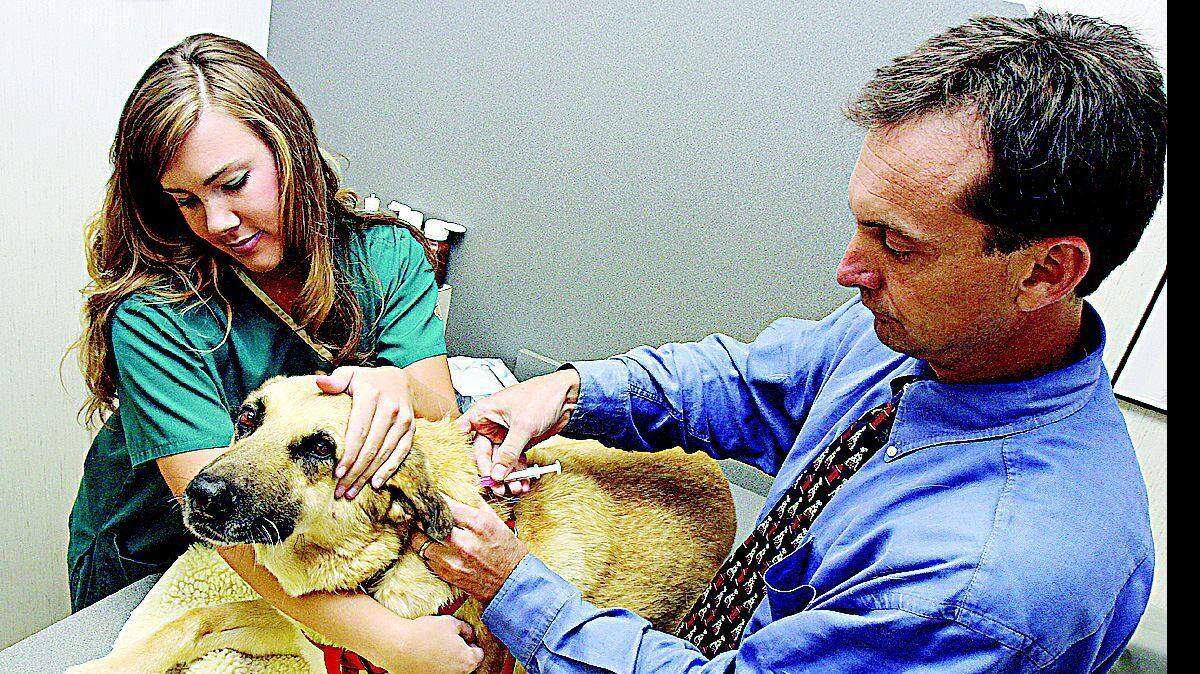
Ten-year-old Summer Langston is being treated for rabies after a fox chased her and scratched her leg with its teeth two weeks ago as she played in her Clover neighborhood.
In May, eight York County people were treated for rabies after they handled, fed and allowed a pair of baby foxes they were caring for to lick their faces. One fox later was found to be rabid.
State health experts say such encounters with rabid animals are more common during the summer, when people spend more time outdoors. And, as sprawling suburban areas like those in York County and elsewhere encroach on animal habitats, they say the likelihood of such encounters is growing. So, they're spreading the word about rabies prevention.
Avoid wild animals
Officials from the S.C. Department of Health and Environmental Control and York County Animal Control said they advise York County residents to avoid wild animals -- even if they appear to be sick, hurt or orphaned.
Under normal circumstances, wild animals will avoid any human activity, said Mike Willis, spokesman for the S.C. Department of Natural Resources.
"If a wild animal is acting tame or allows a person to pet it, that is a red flag that the animal is sick," Willis said. "What we have seen is that an animal such as a racoon will come out of the woods during the day and seem to be tame. People will pick it up and pet it, and it turns out to be rabid. The best thing is to stay clear of it."
Willis said the agency has had an increase in reports of wild animals behaving suspiciously -- such as acting friendly to people, or nocturnal animals being out during the day. Even if a baby wild animal seems to have been orphaned, Willis and other officials said people are advised to leave it alone.
"Orphaned wildlife should not be handled," said Chris Peninger, director of the York County Animal Shelter. Peninger said it is rare for wildlife to be orphaned, but if it appears they have been, they should be left alone for 24 hours to allow for the parents to return. If the babies remain alone after 24 hours, Peninger said they can be reported to animal control.
Sometimes, a wild animal encounter is not preventable -- as when Summer was attacked by a fox in a friend's yard. In other cases, people have unknowingly exposed themselves by playing with a seemingly tame animal or by taking care of a sick or abandoned wild animal -- as did the group exposed in May.
The recent cases of rabies exposure in York County are among 13 people so far this year in the county who have had to undergo treatment for rabies prevention.
That number is up from seven people treated in York County last year and seven treated in 2006. In South Carolina, an average of 400 people are treated for rabies each year, according to DHEC. Statewide, the number of people who are treated for rabies has not increased significantly since 2002.
The fox that bit Summer was the fifth confirmed rabid animal found in York County this year, experts report. In 2007, 16 rabid animals were confirmed in the county, and there were 162 confirmed cases of rabid animals in South Carolina. So far this year, 50 rabid animals have been confirmed in South Carolina.
According to the U.S. Centers for Disease Control and Prevention, the majority of rabies cases occur in wild animals -- most commonly in racoons, skunks, bats and foxes. Domestic animals, such as dogs and cats, account for less than 10 percent of rabies cases, thanks to routine pet vaccination programs.
Rabies is a virus affecting mammals. It attacks the nervous system, leading to swelling of the brain and death. The virus is secreted in the saliva of an infected animal and usually is transmitted by a bite.
In rare cases, rabies can be transmitted when the saliva of an infected animal comes in contact with an open cut on the skin or the eyes, nose and mouth, as in the May exposure of eight people who were caring for the pair of baby foxes.
In case of a bite
Someone who is attacked by a wild, stray or domestic animal should wash the wound with soap and water, seek medical attention immediately and report the incident to animal control, experts say.
Rabies is treated by injecting antibodies directly into the wound, which gives the body a quick boost of immunity against the virus.
The exposed person then receives a series of five rabies vaccines over four weeks, which allows the body to develop antibodies against rabies.
The injections, which are paid for by the state, cost about $2,000 per person, said Pam Crawford, epidemiology nurse for York County Health Department.
Summer's injections will be completed in about 2 1/2 half weeks, said her mother, Carolyn Langston. Summer said she will have to get a total of 14 shots before her treatment is finished.
"It hurts," Summer said about receiving the vaccines. "I got four last time."
This story was originally published July 5, 2008 at 11:14 PM with the headline "Summer, suburban sprawl spur spike in rabies cases."