
Students dig into history ahead of public event at historic site near Georgetown
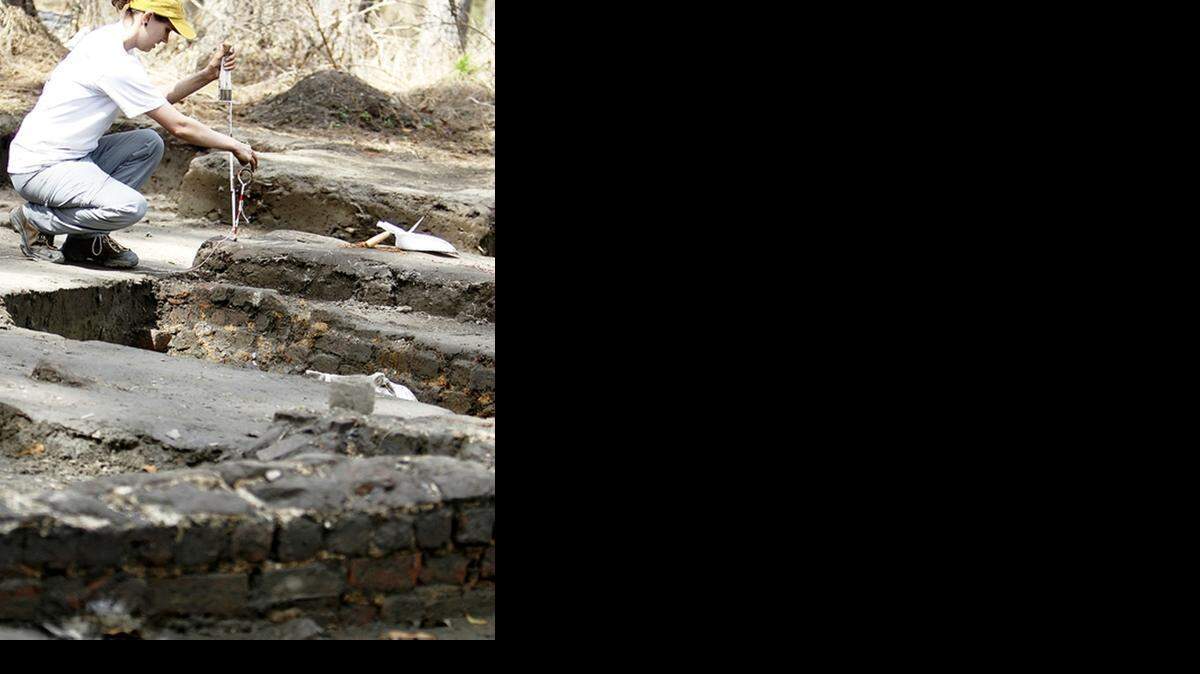
College student Olivia McCarty spent time scraping the earth where slave families once lived near Georgetown County this week.
“You can only dig once, so you go slow,” she said, using a trowel to do the work.
Around her were other volunteers on their knees tending to their own 5-foot-by-5-foot squares of assigned earth at Hampton Plantation.
The plantation, which dates to the 1700s, is hosting a weeklong volunteer excavation, culminating in Archaeology Day, which begins at 10 a.m. Saturday. The plantation is located on Rutledge Road off U.S. 17 barely south of the Santee Delta bridges. The state historic site is just across the Charleston County line.
The activities on Archaeology Day are free and will include a lecture by Joseph McGill of the Slave Dwelling Project, hikes around the plantation, dirt for the young to dig and self-guided tours of the mansion. The Slave Dwelling Project is a nonprofit organization helping to identify and preserve slave dwellings.
The freshly unearthed dwelling at Hampton measures about 20 feet by 30 feet. The soil-stained foundation bricks outline where two chimneys stood, two door cavities and where the walls of the wooden home started.
State parks archaeologist David Jones said it’s hard to pinpoint the age of the house, but most of the finds this week point to around 1810. He said the dwelling housed two slave families and was often referred to as a double-house, with a wall in the middle and each side having its own chimney.
“We have been wanting to tell the story of Hampton Plantation from the perspective of the people that were enslaved here, the ones that actually made the plantation work, and doing this archaeological project has allowed us to begin to do that in a significant way,” Jones said on Wednesday.
Sarah Stephens, from the state department of transportation archives and history department, said the areas around the mansion were used by farmers after the civil war. The earth was plowed for fields that covered where slave houses once stood.
Hampton Plantation site archaeologist Stacey Young led a community archaeology project at the plantation two years ago that incorporated the neighbors of the plantation who had descended from the slaves. Not only did the community members help identify some of the found objects, like a coin with a hole used as jewelry, but it formed a bridge.
“It’s not just us telling our story, it’s them offering their perspective,” she said. “It puts a personal story to the artifact.”
She said she hopes the events Saturday continue to keep the bridge open with the neighboring community.
This story was originally published March 6, 2015 at 10:22 PM.