Where’s the best place in SC to live during a pandemic? York County has a solid case.
Experimental data from the U.S. Census Bureau shows York County may just be the best place in South Carolina to live when a pandemic comes. Or a hurricane, earthquake, or most any disaster.
The bureau recently released new community resilience estimates. Data from population, housing, demographic, economic and related information, which the bureau routinely produces, were combined with national health survey results.
The goal is to compare how communities may be able to absorb, endure and recover from weather- or disease-related disasters so federal and local agencies can plan how best to respond. The experimental data, or statistical research the bureau puts out where standard data may not exist, looks favorably on York County.
York County risk factors
The latest data comes in response to the ongoing COVID-19 pandemic but relates to any number of health or environmental emergencies.
The data relies on a county’s risk factors. The more an area has per household, the more likely it may struggle should disaster strike.
Risk factors range from age to low income, language barriers, employment, disabilities, physical crowding, health insurance and others.
Statewide, counties averaged 25% of their residents with no risk factors. Counties had 47% of residents with one or two risk factors, and 28% with three or more risk factors.

York County ranked best in the state with 35% of its residents in the no risk factor column. It also had the lowest portion of residents with three or more risk factors, at 19%.
Lancaster County ranked No. 16 for fewest residents with three or more risk factors. Lancaster County had 27% of its residents in that catefory, compared to 30% with no risk factors.
Chester County ranked No. 18 for fewest residents with three or more risk factors, at 28%. Another 26% of Chester County residents had no risk factors.
Yet should another pandemic or disaster hit, per capita resilience tells only part of the story.
York County would, like other high-population counties in South Carolina, have many more people who would need support. York County had the eighth-highest total of people with three or more risk factors, at more than 52,000 people. York County has just shy of 281,000 total residents, per the bureau.
Who would need the most help?
In York County, certain areas show more risk than others. The census tract between Fort Mill and Tega Cay, in the Baxter area, fared best with only 9% of residents in the highest-risk category. More than half of residents there registered no risks.
Census tracts south of North Dobys Bridge Road in Fort Mill, northwest of Rock Hill near Newport and north of Fort Mill at Pleasant Road and Carowinds came next with 13% of residents in the high risk group. Fort Mill and Tega Cay area tracts overall fared much better than other parts of the county.

As with York County in relation to South Carolina, there is a numbers game.
The lowest risk tracts by percentage also are some of the most populated. So in disaster, they could produce a higher total number of people than smaller but higher risk factor areas.
Also, breaking data down below the county level can be tricky when some census tracts are high residential and others aren’t. Some large commercial areas may have only one apartment building’s worth of residents.
One tract at Eden Terrace and U.S. 21 in Rock Hill didn’t have a single resident with no risk factors and had 40% in the highest risk category. The tract lists just 10 residents.
York County threats
The data doesn’t get into the likelihood of a disaster. Counties on the coast aren’t docked for higher hurricane potential. Neither are Lake Wylie, York and Tega Cay at higher risk locally for their proximity to Catawba Nuclear Station.
There’s reason to believe if probability were a factor, York County may have fared even better.
York County hasn’t seen the severe damage from hurricanes or floods that other parts of the state have in recent years. York County several times served as a refuge for people fleeing Hurricane Matthew, Hurricane Irma, Hurricane Florence and others.
York County does share a border with Charlotte. That proximity could help in pooling a large set of resources during disaster.
York County does have a major nuclear power plant. While the severity of a disaster there would be high, the likelihood of having one runs low. Catawba Nuclear on Lake Wylie celebrates 35 years in operation on Monday. The plant has about 800 employees and has produced more than 594 million megawatt-hours of electricity.
The station routinely receives high marks for safety from federal regulators.
“Operating Catawba safely and reliability to power the needs of our communities has been a priority from day one, and the commitment continues each and every day,” said Catawba vice president Tom Simril. “Every job and task is performed with personal and nuclear safety in mind.”
Household Pulse Survey
On Wednesday the census bureau announced it would begin weekly releases for another set of experimental data, a Household Pulse Survey.
It aims to reveal how families deal with limited or closed businesses, stay-at-home orders, school closures and other abrupt changes like what has been experienced during coronavirus social distancing.
In the past seven weeks, 43%-48% of South Carolina households reported someone there with a loss of employment income. The most recent week was just shy of 48%.
Almost 30% of South Carolina households expect a loss of employment income in the next four weeks, according to the survey. Almost 12% of households statewide report someone in the home didn’t have enough food the past seven days.
Almost 41% of adults delayed medical care in the past four weeks. Right at 23% of adults responded they missed last month’s rent or mortgage payment, or have slight to no confidence they can pay next month on time.
Virtually all parents of school children, both in South Carolina and across the country, responded they experienced distance learning or other changes to school schedules.
Church, nonprofit partners
Pathways Community Center on Cherry Road in Rock Hill combines a host of services for the homeless, jobless and others in time of crisis. Pathways formed to put needed services in place for people who may have a hard time getting from one to another.
Even for Pathways and partner groups that deal with crisis almost daily, coronavirus has been a challenge.
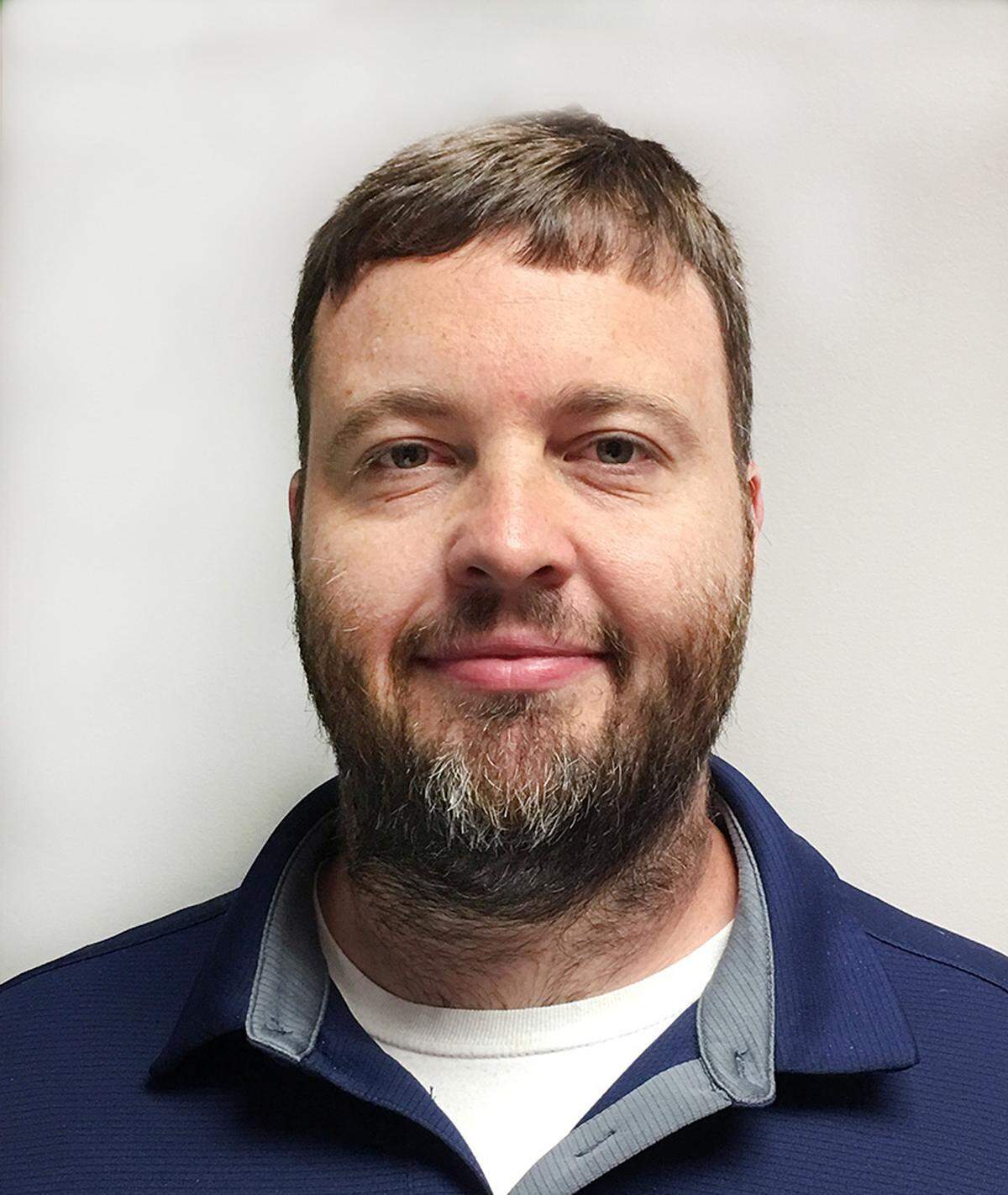
“None of us had been through a pandemic before, so we were putting our heads together,” said Grace Lewis, center director. “It takes all of us.”
Pathways didn’t close during the pandemic. In April it opened to seven days a week. There was an uptick in clients, but there weren’t coronavirus cases among staff or clients served on-site.
“What helped is the most was good education,” Lewis said.
The South Carolina Department of Health and Environmental Control and the Centers for Disease Control and Prevention were critical in their help, she said.
“They had webinars, they provided PSA and posters, anything we needed,” Lewis said.
Yet York County has more than just state support.
“What helps York County stand out is the way that nonprofit agencies collaborate,” Lewis said. “And I would add to that, most importantly for us, the churches. The nonprofits and churches really collaborated.”
That combination of state assistance and local resolve, she said, is what gives York County an advantage when hard times hit, however they hit.
“It was this great community supporting us through this so we could stay open,” Lewis said.