
Facing eviction? Need help with utilities? Answers for those in the tri-county region
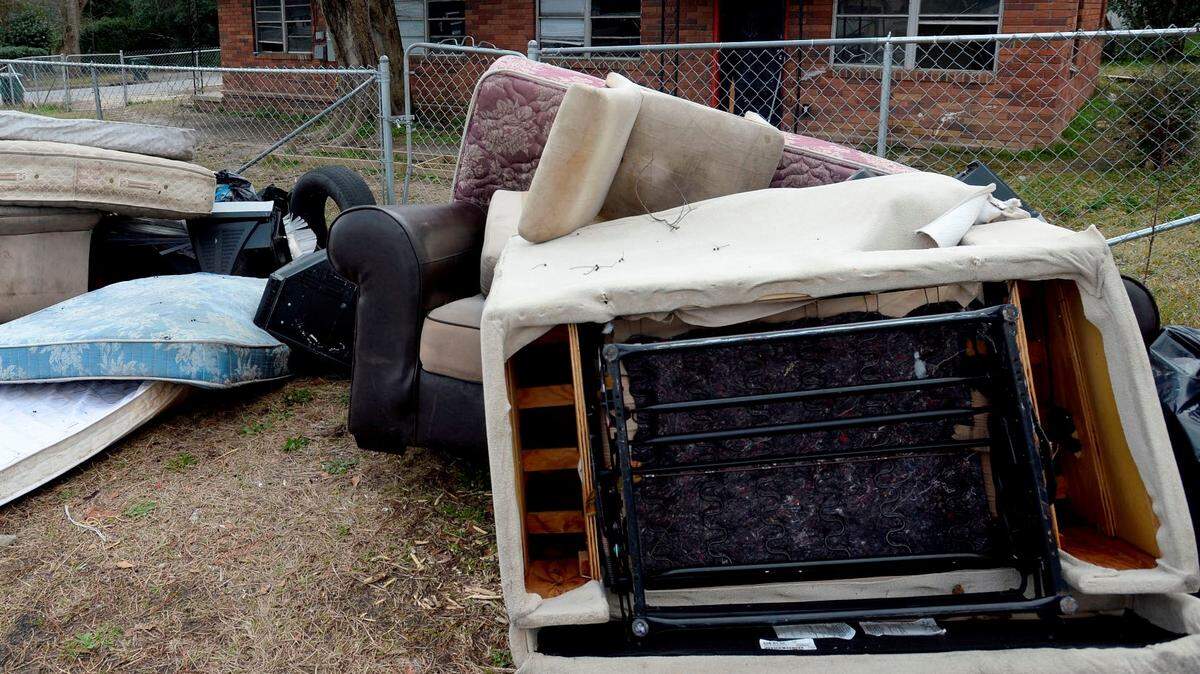
If you’re struggling to pay rent or facing eviction during the pandemic, you are not alone.
South Carolina has the highest eviction rate in the United States, and a tidal wave of evictions has come with the COVID-19 pandemic, Bryan Grady, Chief Research Officer at S.C. Housing, told the Herald.
The Coronavirus Aid, Relief and Economic Security Act -- CARES Act for short -- prevented landlords from issuing 30-day notices to eviction for nonpayment, fees for late payments, and legal notices of eviction for nonpayment for qualified parties through July 24. Those who qualify are receiving federal rent assistance, live-in federally subsidized housing, or live in a building backed by a federal loan.
If you were served with an eviction or notice to vacate before July 24, but you believe you are protected by the CARES Act, you might have a defense. To see if your property is backed by a federal loan, you can search your property with Fannie Mae, Freddie Mac or this database created by ProPublica.
Assistance in this region
If you are currently behind on payments or facing eviction, the Herald has compiled these resources and tips for people in Lancaster, Chester and York counties.
I’m struggling to pay rent, or have been missing payments. What do I do?
There might be rent assistance available. Anyone in the United States can input their Zip Code in restassistance.us to find a rental program.
Statewide
In May, the South Carolina State Housing Financing and Development Authority, or SC Housing, granted approximately $5 million in rental assistance for SC residents who are struggling financially. (SC Housing is a self-sustaining housing finance agency supported by a funding base that includes fees and other revenue earned through the administration of agency programs.) The money is being distributed through nonprofit SC Thrive.
The program offers a one-time payment of up to $1,500. Renaye Long, communications and outreach director at SC Housing, confirmed to the Herald that there are still funds available.
If you are an SC resident and can prove that the pandemic negatively impacted your income, you might be eligible. You may be eligible if you can’t work or contracted COVID-19, you were self-employed and now are struggling to work because of the pandemic, you missed miss work to avoid contracting COVID-19, or your place or work closed or cut hours due to COVID-19.
Loss of child-support due to the pandemic also can qualify.
“Essentially, you need to prove a loss of income,” Liz Walsh, regional director at SC Thrive, said. “We encourage everyone to apply.”
Walsh stressed that applicants must provide all required documents -- depending on the case, this includes proof of income, child-support declarations, forms provided by the agency, lease agreements and more.
Click here to see if you qualify and/or apply.
SC Thrive also can help those who are eligible apply over the phone for government assistance. This can include Supplemental Nutrition Assistance Program (SNAP, or food stamps) benefits, Medicaid, Medicare and prescription assistance.
Do you need assistance with utilities and rent? Help also is available through Carolina Community Actions.
The organization’s General Emergency Assistance Program is offering maximum payments of $1,000 to people facing immediate eviction.
Applicants must prove they can continue paying rent with the assistance of CCA.
Depending on where you live, there may be another agency that can help:
In Lancaster County: HOPE (Helping Other People Effectively) provides short-term financial assistance. KARE, in Kershaw, serves Lancaster also, and may be able to help with utilities, food, clothing, health care and loan programs.
In York County: PATH, Inc. can assist with temporary aid.
In Fort Mill: Fort Mill Care Center may be able to assist eligible Fort Mill residents in the 29715 or 29708 zip codes.
In Clover: Clover Area Assistance Center can provide financial assistance dependent on the availability of funds.
Note that most of these programs only guarantee a one time payment. If you are not receiving unemployment or going back to work, this might not be a long-term solution for you.
Legal assistance
Mark Fessler, an attorney with South Carolina legal services, says you also can try to negotiate with your landlord.
If you can’t work out a payment plan, try to avoid a formal eviction and set a move-out date.
When dealing with your landlord, Fessler said, make sure to take careful notes. If you believe your landlord is not fulfilling their side of the lease, get every conversation and incident in writing.
I’ve been served with an eviction notice. What can I do?
If you don’t have a legal defense: Get out. Fessler says the best thing you can do is negotiate a date to leave.
If you believe you are being wrongfully evicted, you have the right to a jury trial. After you are served with a notice of eviction, you will receive a hearing date in the magistrate court.
You need to make a written request for a jury trial at least five business days before your hearing date.
If the issue is nonpayment of rent, the magistrate will most likely require you to be current on your rent payments.
But if you are facing a breach of lease issue, a jury might tip in your favor, Fessler said.
“Jurors typically will not have seen dozens of landlord/tenant cases,” Fessler said. “They may be more willing to listen to you.”
If you need to find legal help, you can use the South Carolina Bar’s referral service. They will charge $50 for a consultation to help you find a lawyer.
South Carolina Legal Services can help low-income residents. If you don’t qualify, they can at least talk to you about your options, Fessler said.
“Even if you haven’t gotten served with a lawsuit yet, it’s not a bad idea to reach out to an attorney,” he said. If you plan to respond to the rule to vacate, you should always seek legal advice.
If the landlord has failed to maintain the property, you might be entitled to damages, reducing or eliminating the amount of money you owe.
This story was originally published August 12, 2020 at 10:19 AM.