Senator urges EPA to crack down on stinking SC paper mill. ‘Bad behavior’ alleged
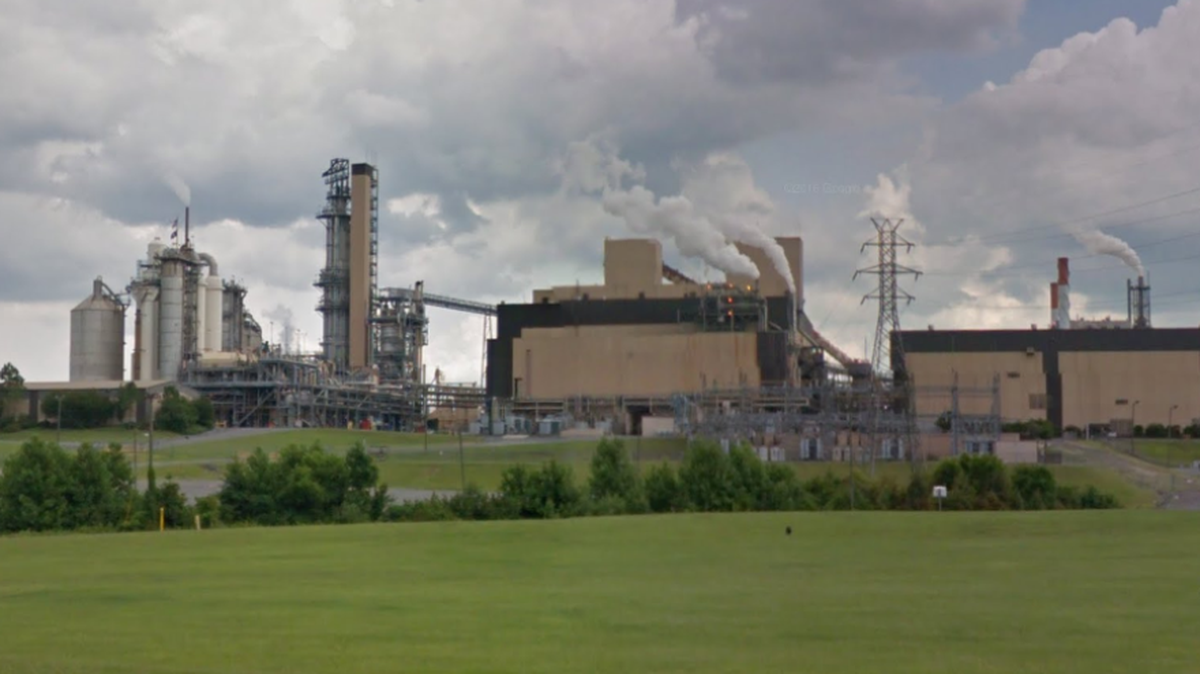
A state senator whose constituents have complained about the stench from a South Carolina paper mill is asking the federal government to step up enforcement to protect public health and prevent the plant from being rewarded for “bad behavior.”
Sen. Michael Johnson, R-York, says a recent federal enforcement order against the New- Indy paper mill doesn’t do enough to curtail powerful odors that have made many residents of York and Lancaster counties feel sick.
Johnson wrote the federal government last month to complain about the U.S. Environmental Protection Agency’s enforcement action against New-Indy.
“The consent decree, as written, falls short of providing the necessary protections to the people surrounding the plant and will ultimately lead … New-Indy (to) disregard their responsibilities, and continuing to pollute our community,’’ Johnson’s letter said.
The EPA, which held a public hearing in Rock Hill Jan. 25, has fined New-Indy $1.1 million and required the company to improve the way it operates. Among the improvements is installing a secondary system to prevent uncontrolled pollution releases.
But Johnson said the company needs a series of upgrades that are not included in the enforcement order, and the EPA needs to make the company conduct a toxicology study.
“All it takes is engineering and money,’’ Johnson said in an interview Friday. “This can be fixed. They know what the problem is.’’
The enforcement action is not final, and the federal government is taking public comments until March 11. The S.C. Department of Health and Environmental Control plans to comment, a spokeswoman said. A federal court must sign off on the enforcement action.
Many of the odors have been tied to the wastewater treatment system, which one consulting report says malfunctioned as the company switched from making bleached paper to paperboard.
The New-Indy Containerboard plant, formerly run by Bowater, generated up to 30,000 odor complaints last year from people who live near Charlotte. Residents in both Carolinas said the odor was so strong at times they could not go outside.
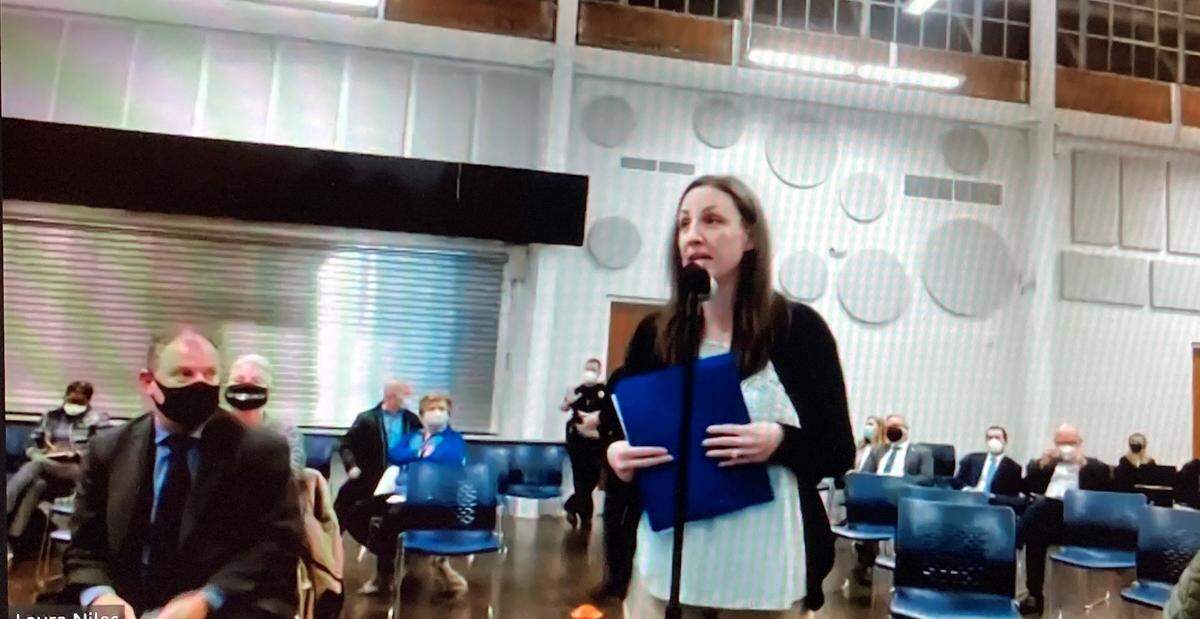
At the Jan. 25 hearing, some people sobbed as they called for the EPA to take stronger action. Some said the odors were still a problem, a year after the foul smells first were reported.
DHEC says odor complaints have dropped recently, but a spokeswoman said last week “we are still receiving odor reports and responding to them appropriately.’’
The most pronounced odors, akin to a rotten egg smell, came from hydrogen sulfide, a gas that can cause headaches, upset stomachs, coughing, wheezing and other disorders.
Sen. Mike Fanning, D-Fairfield, said the New-Indy issue is the biggest environmental problem he has dealt with, and is on the minds of many of his constituents.
Johnson’s Jan. 26 letter to the EPA listed 10 upgrades and improvements that need to be in the agency’s enforcement order.
Those include new equipment to better treat wastewater and more pollution monitors to track the odors. The EPA’s enforcement action, for instance, limits pollution monitoring to 30 square miles, but complaints have come from a 300-square-mile area, his letter said.
New-Indy also needs to close a troublesome sludge lagoon and build a new lined lagoon to replace it, the letter said.
The waste pond, known as Sludge Lagoon 4, is on the banks of the Catawba River and its contents are held back by aging earthen walls. It is full of waste material that includes deadly dioxin and other chemicals, The State reported last month.
Officials with New-Indy, a company owned partially by New England Patriots owner Robert Kraft, were not immediately available for comment Friday. EPA spokesman James Pinkney declined comment on the enforcement order.
The company has said, however, that it is working to make improvements. It has made substantial progress in improving wastewater basins since the odor problem surfaced a year ago, according to a Charlotte television station report last week.
One official said New-Indy had “let the community down from an overall standpoint,’’ WCNC reported.
Fanning said New-Indy appears more willing to admit mistakes and make improvements. The company held a public meeting last week, he said. But he agreed with Johnson that the EPA order needs to be strengthened to make sure improvements are made.
Johnson’s Jan. 26 letter said that, without improvements to the enforcement order, the EPA will leave “the people of Lancaster and York counties in the same position it found them in: dealing with odors and toxins that cause sickness and a loss of enjoyment of their property and life.’’
Tightening the enforcement action is needed so that “New-Indy not be rewarded for their bad behavior,’’ the letter said.
This story was originally published February 5, 2022 at 6:12 AM with the headline "Senator urges EPA to crack down on stinking SC paper mill. ‘Bad behavior’ alleged."