Learn about Rock Hill in the civil rights era from the people who lived it, and still do
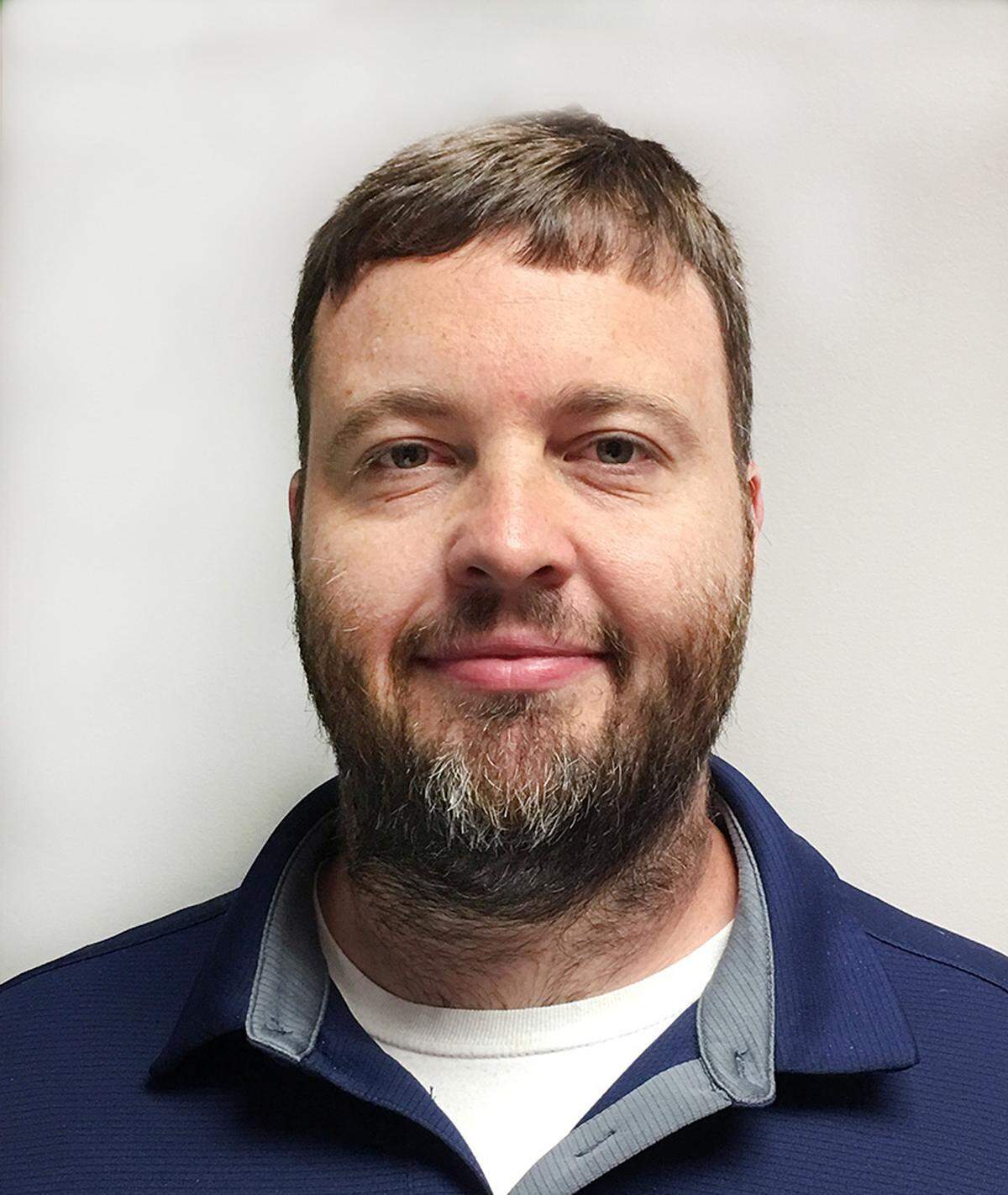
Dontavius Williams has a secret. It’s one Williams would gladly do without. It’s just a matter of getting people to listen.
“If we are one of the best kept secrets, then why don’t people know what they should know?” said Williams, alumni and donor engagement coordinator at Clinton College. “It’s time for that secret to be revealed.”
This weekend could help.
Historic Rock Hill and the Rock Hill African American Cultural Resource Advisory Committee will host a downtown panel, lunch and tours March 27 that focus on the role of Historically Black Colleges and Universities in the fight for social justice during the civil rights era and into today. Kounter restaurant will host.
The restaurant space at 135 E. Main Street now known as Kounter once was the McCrory’s Five & Dime. In 1961 students at then Friendship Junior College were arrested during a sit-in at the restaurant where at the time Black people weren’t allowed at the lunch counter. Students who would come to be known as the “Friendship Nine” inspired the “Jail, No Bail” movement to serve out their sentences.
The lunch counter remains there and is part of the African American Civil Rights Network run by the National Park Service. The lunch panel event Sunday features tours of the newly opened “Jail, No Bail: How 30 Days Impacted the Civil Rights Movement” exhibit.
Williams, also a board member with Historic Rock Hill and panelist for the event Sunday, will participate just two days after a Friday groundbreaking for a new academic facility at Clinton. It’s the most significant new construction on campus since the library was built two decades ago.
“It’s a great time to be associated with Clinton College,” Williams said.
Friendship Nine panel
Jennifer Sandler is executive director of Historic Rock Hill. Sandler knows about the historic marker in front of the restaurant, the counter inside it. Sandler believes there’s awareness of civil rights work in Rock Hill, but perhaps not a full understanding of how events here fit into the larger puzzle of social change.
“I think a lot of people in Rock Hill have heard of the Friendship Nine, but I don’t know that they understand the significance of what happened here in relation to the civil rights movement,” Sandler said.
Sandler’s group is eager to tell stories from this community, and Sunday’s event will offer first-hand accounts from civil rights efforts both in Rock Hill and across the nation. The panel will include a Friendship student who didn’t participate in the sit-in but worked behind the scenes, and a current Clinton student to discuss change efforts today. There will be a college professor with expertise on the Freedom Riders, the first student to integrate Winthrop University and a student at South Carolina State University during the Orangeburg Massacre.
“Just getting this interesting group of people into one room,” Sandler said.
For Williams, the event Sunday is important. So too is the notion that the fight for civil rights didn’t stop decades ago.
“That’s part of the philosophy of HBCUs is to learn from the past, but also empower students to change the future,” Williams said. “Part of our mission is to have our students be global citizens.”
Early in the COVID-19 pandemic, Clinton brought together ministers and civic leaders from throughout the area for a social justice week. Social justice has to remain an ongoing effort, Williams said. Since its founding in 1894 Clinton has produced civil rights leaders, NAACP organizers and educators, Williams said.
Like the educators who supported students who would become known as the Friendship Nine.
“These were kids,” Williams said. “They were 17- and 18-year-old kids. They were empowered to speak up, speak out and do something.”
Progress and equality
Clinton for years was known as Clinton Junior College. A 2013 accreditation brought four-year degrees and a name change. Williams said many graduates show their support to the schools where they received undergraduate degrees. Since the school is so recent in offering four-year degrees, Williams said perhaps there’s been less focus on the work done at Clinton, compared to comparable institutions like Winthrop University or York Technical College.
Hence Williams says he so often hears how the only HBCU in York County is a gem, or the best kept secret in Rock Hill.
Now the school has about 250 students plus an online program, something Clinton didn’t focus on much prior to the pandemic but now sees as a way to tell its story and reach more students.
“Now we can educate people all over the world,” Williams said.
Part of education, of telling a more complete story of this area, involves events like the one Sunday. Williams wants the panel discussion to broaden notions of the Black experience not just at a moment — passage of the Civil Rights Act, the Rock Hill sit-ins — but across time.
“Unfortunately for African Americans in this country, it wasn’t just a time stamp,” Williams said.
There’s a sense of viewing progress by legal or other milestones, like a checklist of improvements. Yet there are micro and macro aggressions that still continue for Blacks, Williams said.
“You can’t check that off of a list, because it’s a lifestyle,” Williams said.
Williams talks of the legacy slavery left on this country, and the need to recognize it. The fight for social justice has been difficult, Williams said, because there have been strong efforts in the nation’s history to deny the rights of Black people.
“African Americans were not brought here to be citizens,” Williams said. “They were brought to the colonies to do a job, and that job was to make others rich through slavery. It’s necessary for the world to recognize this.”
Williams watches people walk right past Kounter daily, past the historical marker right on Main, without stopping to read about the history made there. Williams said he wonders if people know there are still Friendship Nine organizers or participants who live in this area. Williams hopes the event Sunday might help.
“It will shine the light on them even the more, and on the movement even the more,” Williams said.
The goal isn’t to answer every question about the Friendship Nine, about civil rights progress or about Rock Hill’s place in it all. If anything, Williams would like to see people leave Sunday with more questions than answers.
“You’ll seek to find more,” Williams said.
Want to go?
The panel event Sunday at Kounter includes lunch from 12:30 to 1 p.m. A panel discussion is 1-2 p.m., followed by docent-led tours of the new “Jail, No Bail: How 30 Days Impacted the Civil Rights Movement” exhibit.
For more information, including to sign up for lunch, visit historicrockhill.com.