15 unexpected facts about artist Romare Bearden, his life and his NC family
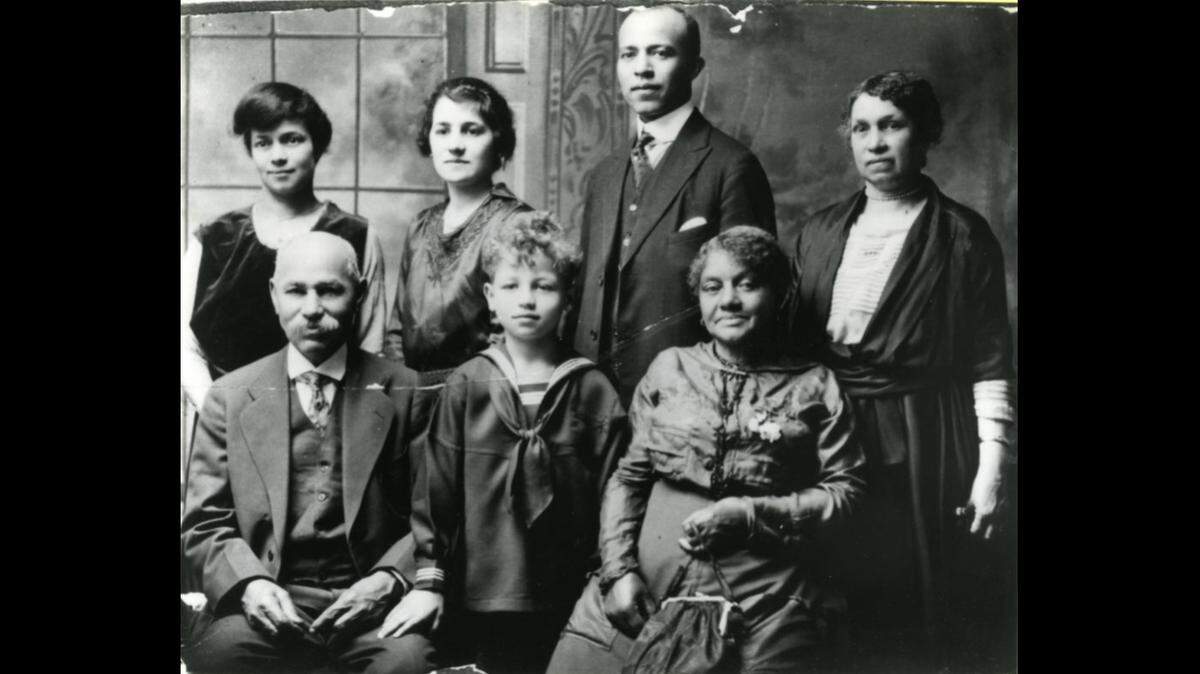
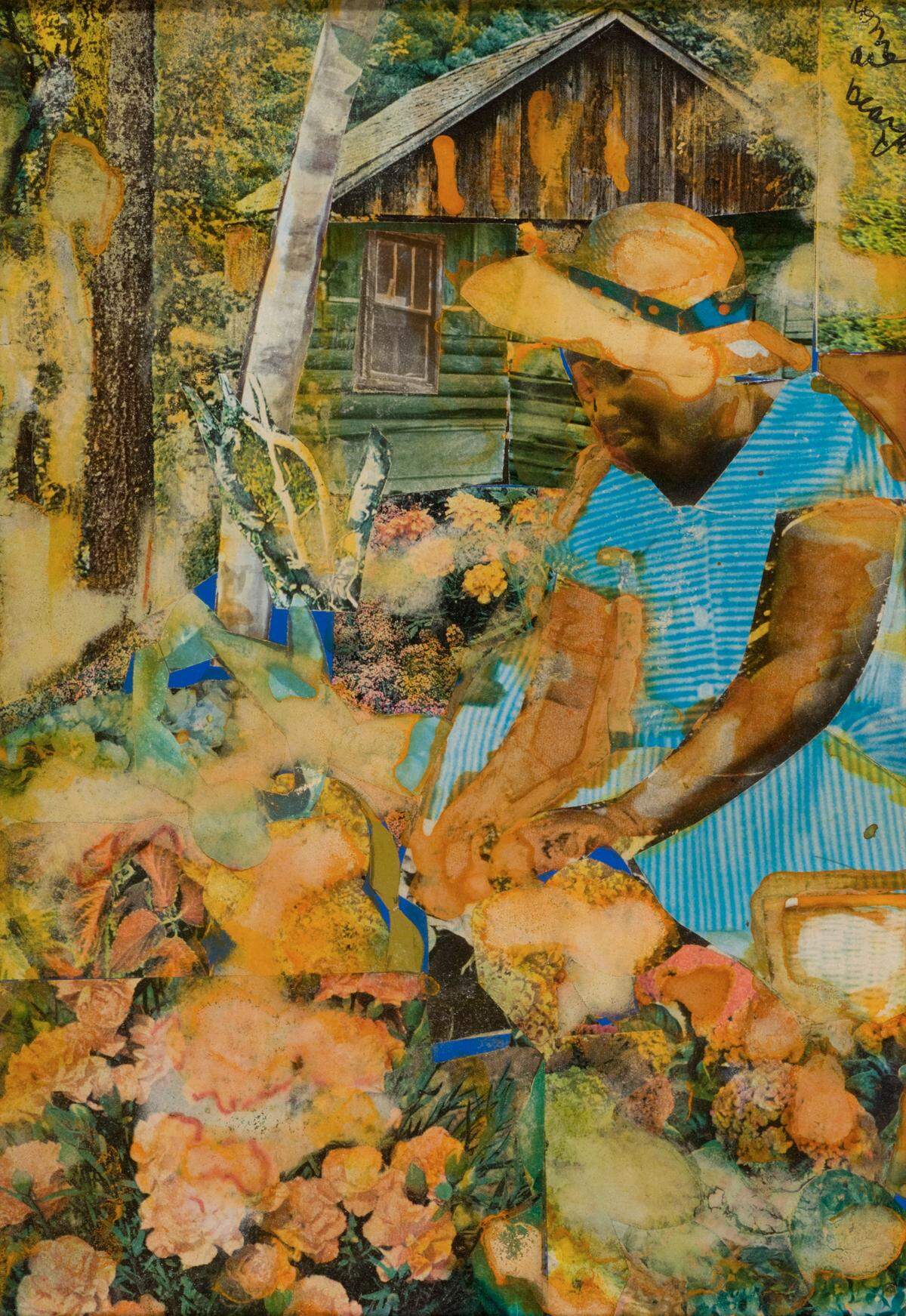
A new book on Charlotte native Romare Bearden provided a number of unexpected details about the artist’s life, family and work. Here are 15 of them, from Glenda Gilmore’s “Romare Bearden in the Homeland of his Imagination: An Artist’s Reckoning with the South”.
Family ties
▪ Bearden’s beloved great-grandparents, Henry and Rosa Kennedy, were enslaved to Woodrow Wilson’s father in the early 1860s when the future president was a young boy.
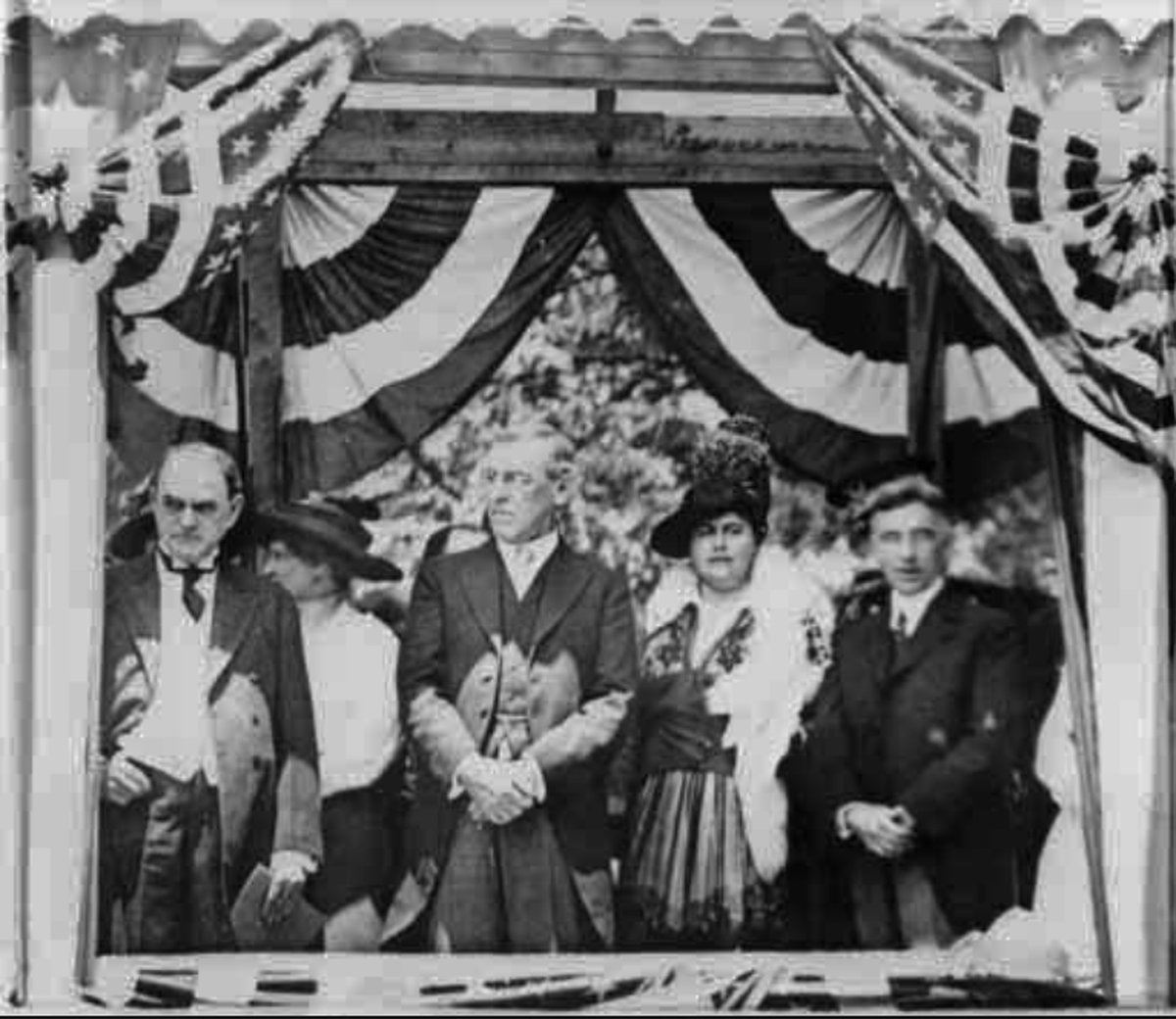
▪ The Kennedys ultimately built a prosperous life for themselves in Charlotte: Chester, S.C., native Henry Kennedy landed a job as a federal railway mail service worker, and the couple bought a Victorian house at 401 S. Graham St., the grocery store next door and two adjacent rental homes. Their front porch offered a view of an elevated train trestle near Graham and Second streets, and the Southern Railway line, images that frequently would recur in Bearden’s work.
▪ Bearden’s mother, Bessye Bearden, was a political and social powerbroker in Harlem, starting in the 1920s. She was a newspaper columnist and the first Black woman appointed secretary to the Harlem School Board, campaigned for FDR and served as IRS deputy commissioner for New York. She wanted her son to be a doctor.
Baseball, boxers and bachelors
▪ While studying art at Boston University in the 1930s, Bearden pitched for its baseball team. After they played an exhibition game against the Philadelphia Athletics of the American League, A’s manager Connie Mack offered him a pro contract and signing bonus — but only if he agreed to pass as white.
▪ Bearden once dated boxer Joe Louis’s former girlfriend, Ruby Allen, a Cotton Club dancer, and later was named one of Harlem’s most eligible bachelors. He eventually married model, dancer and choreographer Nanette Rohan, who later founded her own contemporary dance company.
Cartoons, songs and WWII
▪ Some of Bearden’s earliest art work was doing political cartoons for The Crisis, the NAACP’s magazine. That included “The Picket Line” in 1934, supporting boycotts of stores that refused to hire Black workers.
▪ At his first one-man art show, in 1940, Bearden only sold six pieces. Unable to make a living off of his art, Bearden was a case worker for the New York Department of Welfare for nearly 30 years.
▪ During World War II, Bearden enlisted and joined a segregated infantry regiment, later training soldiers who’d be deployed for D-Day.
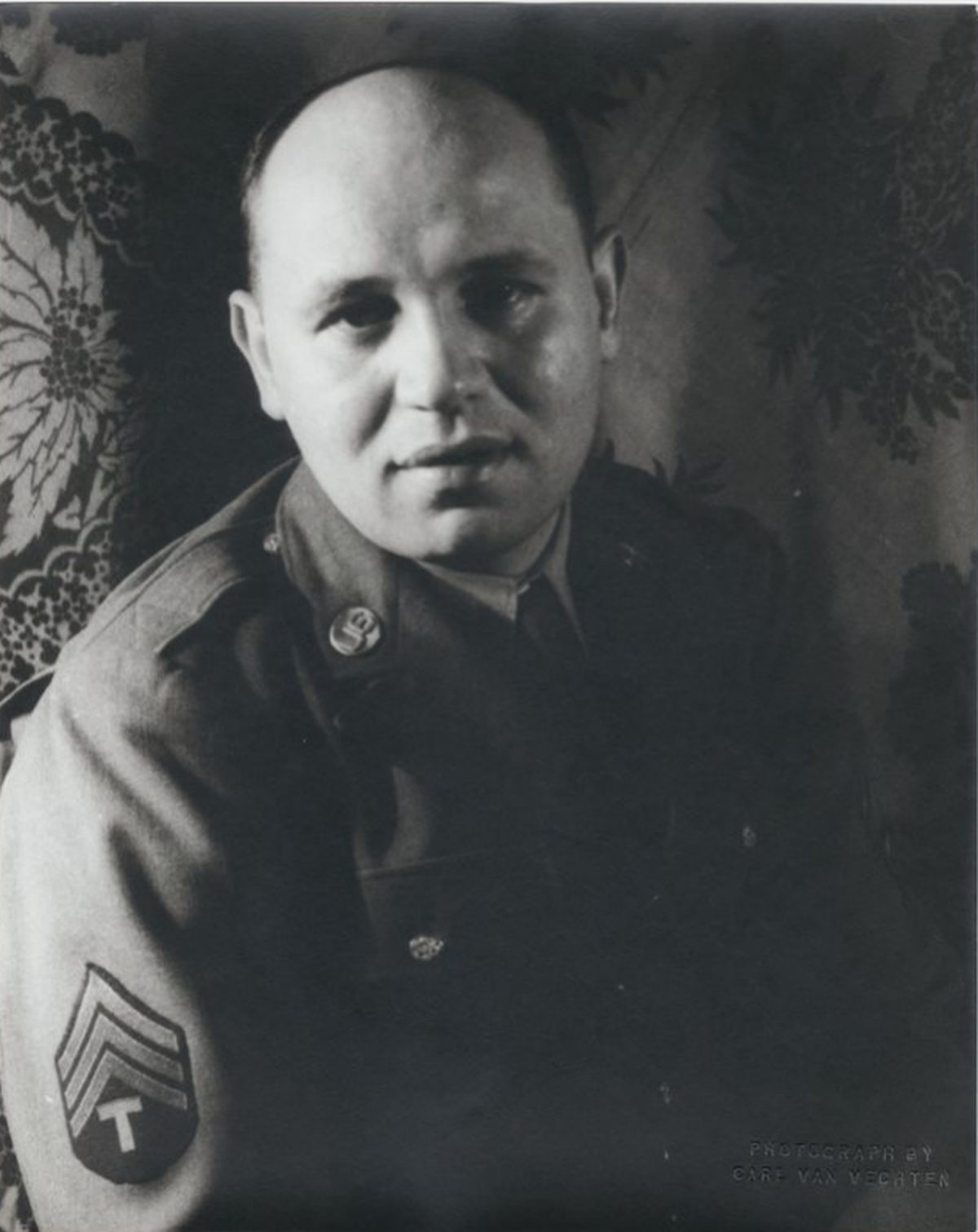
▪ After the war, Bearden worked out of an art studio above the famed Apollo Theater in Harlem. Duke Ellington bought one of his paintings at an exhibition, “The Resurrection.”
▪ To earn extra cash in the 1950s, Bearden wrote lyrics for jazz songs, including “Seabreeze,” which was recorded by Billy Eckstine and others.
Pickets, plays and returning home
▪ In the late 1960s, Bearden and other artists picketed New York’s Metropolitan Museum of Art when its “Harlem on my Mind” exhibit didn’t include any Black artists.
▪ A 1978 collage by Bearden, “Mill Hand’s Lunch Bucket (Pittsburgh Memories)“, served as the inspiration for August Wilson’s play, “Joe Turner’s Come and Gone.” The show was set in a Pittsburgh boarding house during the Great Migration of the 1910s.
▪ In 1980, Bearden returned to Charlotte for a major exhibition of his work at the Mint Museum. That’s also when Charlotte Observer writer Richard Maschal, who had been working on a story about Bearden, took the artist to the cemetery where his great-grandparents and grandmother were buried.
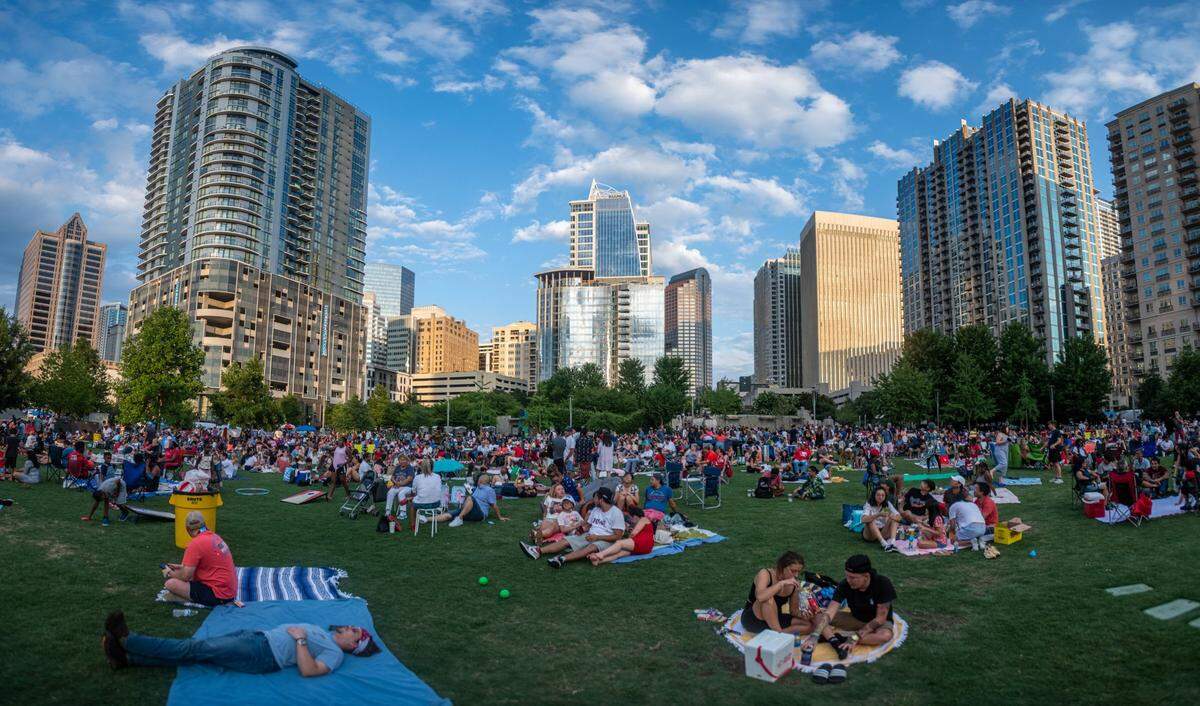
▪ The Mint Museum Uptown, which opened on Tryon Street in 2010, sits about three blocks from where the Kennedys’ Graham Street home once stood. Their home is now a vacant lot near Bank of America Stadium, just a short walk to the 5-acre Romare Bearden Park.
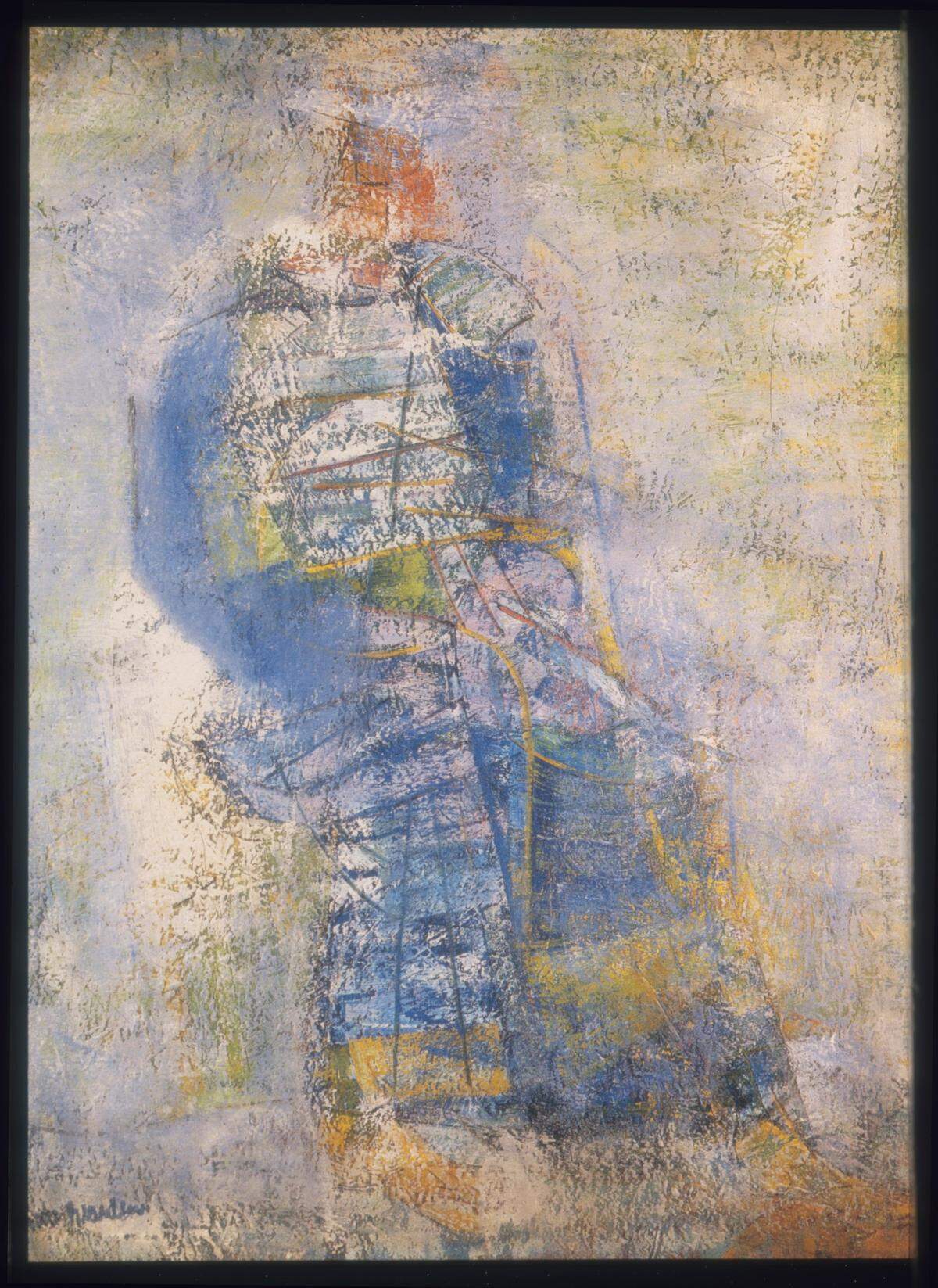
▪ Bearden returned to the “homeland of his imagination” yet again for “Moonlight Prelude,” which prominently featured the view of trains and trestles from his great-grandparents’ home. He finished it 100 days before his death in 1988.
More arts coverage
Want to see more stories like this? Sign up here for our free “Inside Charlotte Arts” newsletter: charlotteobserver.com/newsletters. You can join our Facebook group, “Inside Charlotte Arts,” by going here: facebook.com/groups/insidecharlottearts. And all of our Fall Arts Guide 2022 stories are here: charlotteobserver.com/topics/charlotte-fall-arts-guide.
This story was originally published October 12, 2022 at 5:35 AM with the headline "15 unexpected facts about artist Romare Bearden, his life and his NC family."