$180M could fund a new Rock Hill sports site, regional park design and sewer plant
Rock Hill could spend more than $180 million on hospitality and utility projects, pending final bond votes.
Rock Hill City Council gave preliminary approvals Monday night. Council would have to vote once more on each of two bond items. The city can approve the spending without a public referendum, like some other bond spending requires.
Council gave preliminary approval for up to $162 million to fund utility upgrades.
And it would put up to $20 million toward a new indoor sports facility, design of a regional park, renovation of McGirt Auditorium and improvements at Armory Park. Bond money for those projects would be paid back through city hospitality tax revenue. Hospitality tax is a charge on prepared food and drinks (most often at restaurants) used to fund projects that generate tourism.
The first item listed for the funding is an indoor basketball facility and land for it. It’s expected to include four courts in the Knowledge Park area and would be used in conjunction with the Rock Hill Sports & Event Center.
That larger facility opened in late 2019 and has 170,000 square feet of space. There’s a main court with room for eight basketball or 16 volleyball courts, plus a championship court with stadium seating.
Unlike other projects on the parks list, the city hasn’t approved the new indoor recreation site. Including it with the bond list allows the city to fund it if the city goes that route.
“This is putting the mechanism in place to start the ball rolling,” said city manager David Vehaun.
Councilman Kevin Sutton said more discussion is needed on that project. “I’m just not there yet on the additional arena,” Sutton said.
McGirt Auditorium, regional park funding to grow Rock Hill
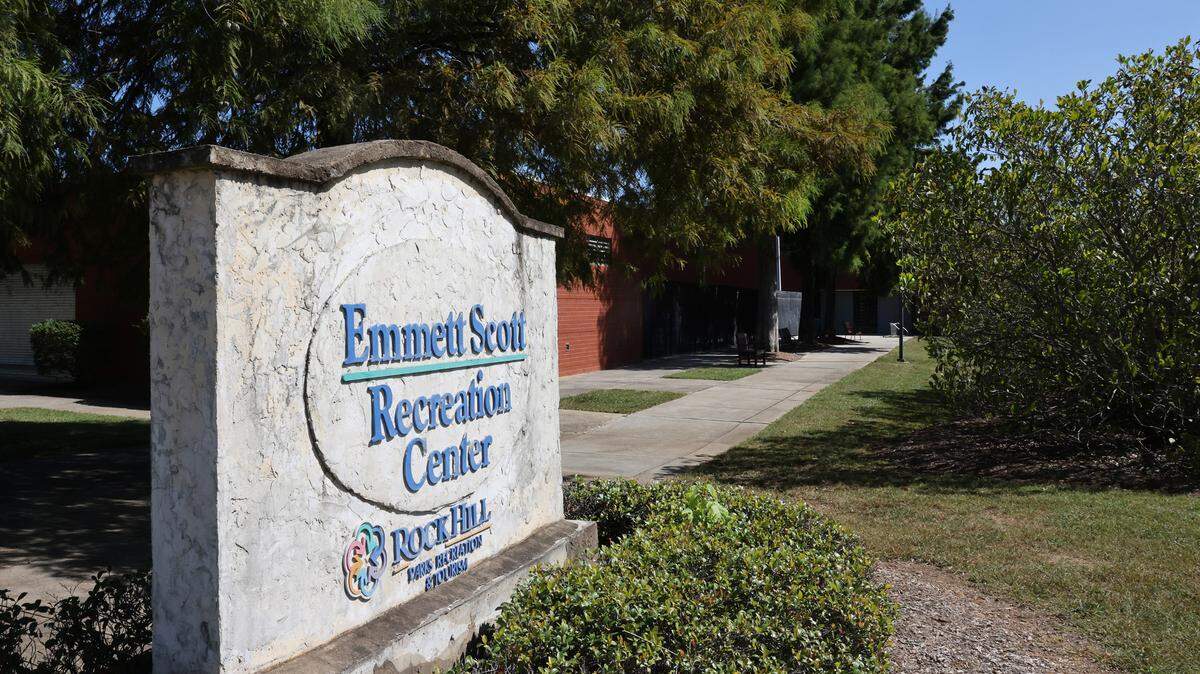
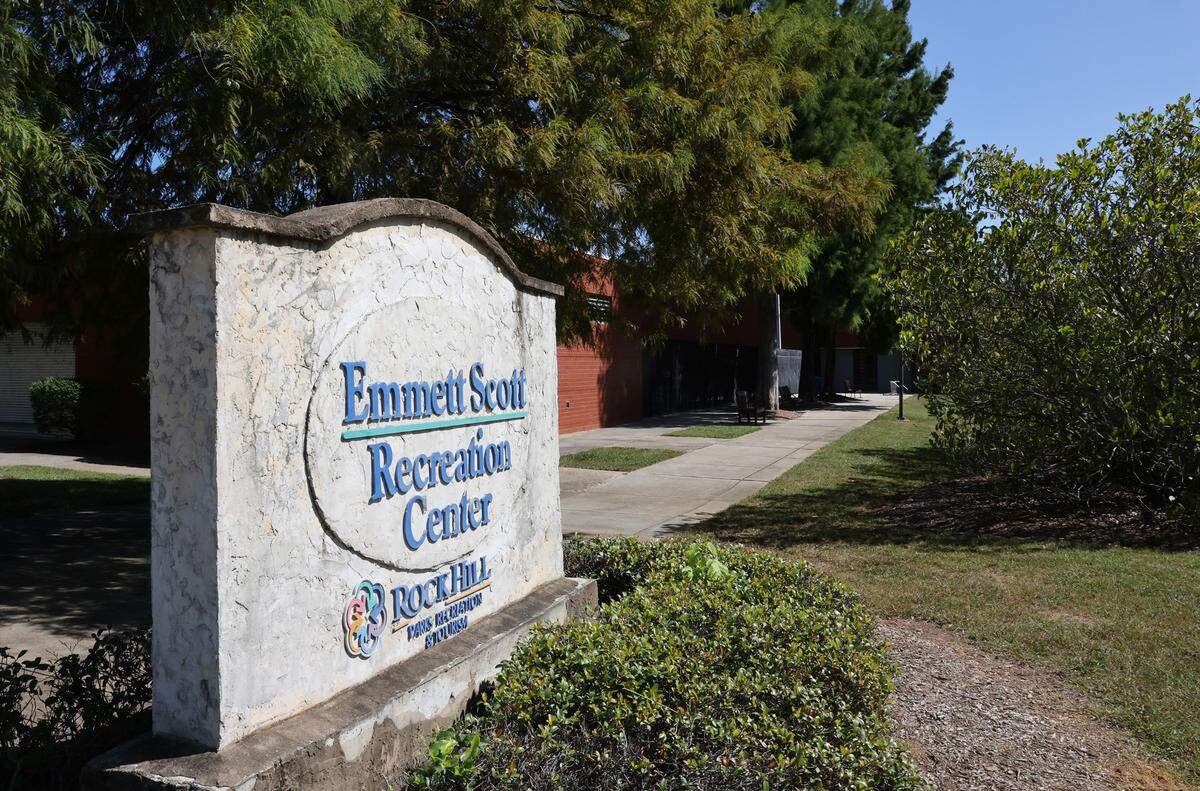
The McGirt Auditorium project is one the city already announced. The 1,100-seat auditorium at Emmett Scott Recreation Center is being renovated to host community events.
The Emmett Scott School opened in 1920 as the first public school for Black students in Rock Hill. It served all grades until 1956 when it became Emmett Scott High School. The auditorium opened in 1960 and was named for the longest-service of six principals at Emmett Scott, the late Ralph Waldo McGirt.
The city bought the property after the school closed in 1970 due to integration.
Rock Hill also announced plans for a new regional park on 100 acres. There’s an online survey to gauge community interest in various park elements.
The park will go on a series of parcels from Heckle Boulevard to the Main and Black streets area downtown. The west side will include sports fields used to generate tourism. Other spaces are still to be determined.
The other listed item in the hospitality tax-backed bond is a grant match for Armory Park. The 4-acre neighborhood park on Confederate Avenue has baseball or softball fields, trails, a playground and shelter.
Rock Hill to add wastewater capacity
In the bigger utility upgrades plan, most of the $162 million would go toward sewer plant expansion.
City chief financial officer Anne Harty said the city started planning for water and sewer upgrades at least as far back as 2015. The city completed its water filter plant expansion and now turns to wastewater. Ongoing expansion will increase sewer capacity from 20 million gallons per day to 30 million.
The city began increasing utility rates almost a decade ago in anticipation of water and wastewater expansion needs.
Rock Hill draws water from Lake Wylie and the Catawba River. The city then distributes that water almost everywhere else in York County.
Rate increases for Rock Hill expansion have led to pass-along increases for many customers outside the city. Mayor John Gettys said increased capacity at the city water filter or wastewater plants also serves those customers.
“That doesn’t just benefit the ratepayers in Rock Hill,” Gettys said. “That helps folks in one side or another in Fort Mill, Tega Cay, the Catawba Indian Nation, York County and the city of York.”
Of the $162 million, $8 million would be used to develop an electric substation to support new development on the south side of Rock Hill. Ongoing efforts like Clinton ConNEXTion and a Southside Redevelopment Plan aim to transform parts of the city that haven’t yet experienced the investment and rebirth areas like Knowledge Park or downtown have in recent years.
City officials say the substation would serve that area, but also the larger city by creating loops — ways of rerouting power from one area to another — during outages that can switch power and turn lights back on quicker. The city serves more than 40,000 customers with electric service.