Rock Hill plans to raise property taxes, blames the state and ‘horrendous’ legislation
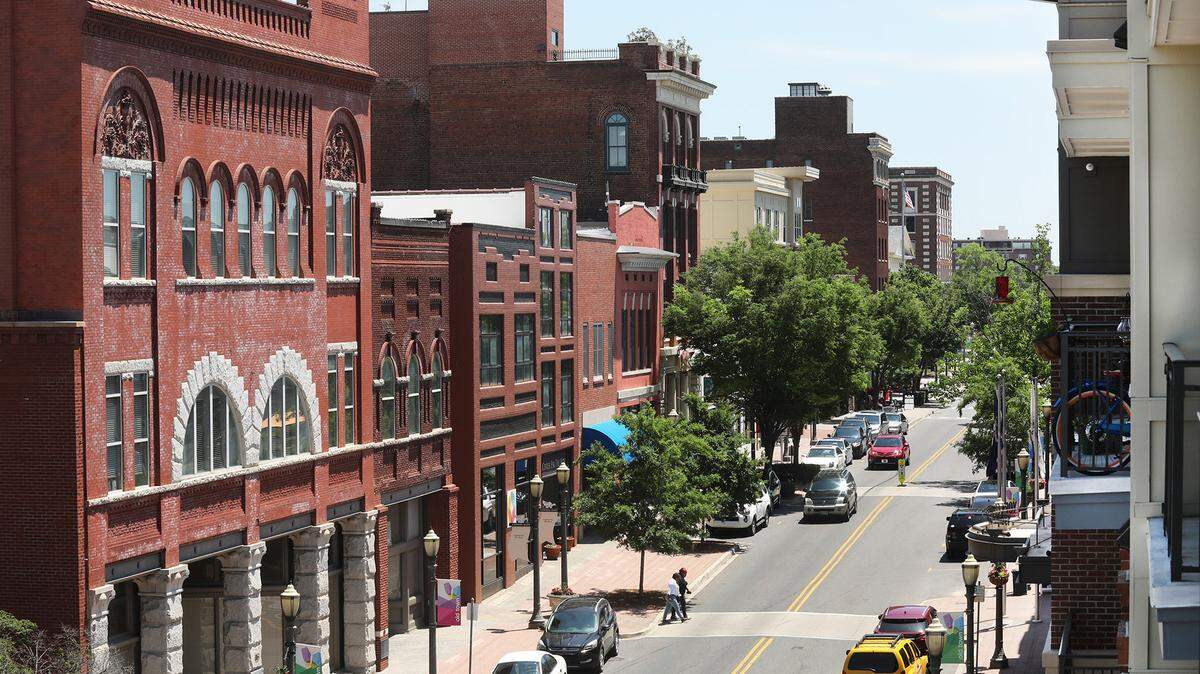
Rock Hill elected officials say a rare property tax increase is coming, and that residents can thank Columbia for it.
Rock Hill City Council unanimously passed the first of two motions to increase the city tax rate by 3 mils. The average city tax bill would increase by about $2 per month, according to information city manager David Vehaun presented to council last week. The property tax increase is separate from water and sewer increases expected to fund plant expansion projects.
In 30 years on council, Kevin Sutton only recalls two or three property tax rate increases. Yet he doesn’t see another choice this year for the city.
“Not because of anything we’ve done, but there was a horrendous piece of legislation that was passed in Columbia,” he said.
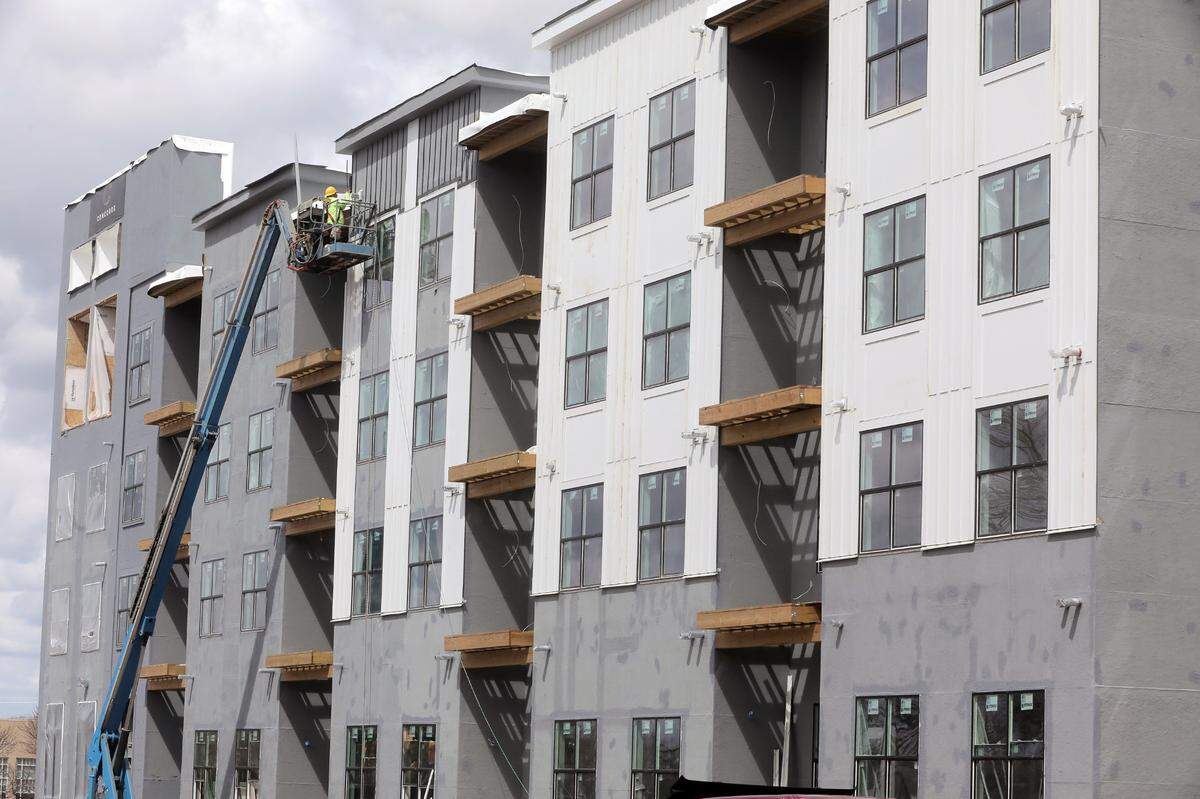
Two years ago, the state passed a law that allows owners of apartment buildings to register them as nonprofits. Doing so removes apartments from having to pay property taxes, even though they are one of the larger property tax generators when complexes in the region routinely sell for eight-figure prices.
The city has nine apartment complexes with tax-exempt status, costing the city more than $930,000 in revenue just in the coming year. The impact would be even more for local schools, Vehaun said.
Other communities could face similar revenue loss.
“There are millions and millions of dollars in lost revenue as a result of a poorly written law at the state level, and very little we can do about what’s happened already,” Vehaun said.
The city continues to work with state legislators to revise or repeal the rule. The proposed tax increase would bring the city back to where it would be without the revenue lost from apartments, council members said.
Sutton points to an apartment complex in his district that’s now owned by a nonprofit out of Beverly Hills, California, to avoid paying $213,000 in property tax.
“We’ve providing police protection and fire protection,” he said. “And the rents that they are charging are nowhere near affordable housing.”
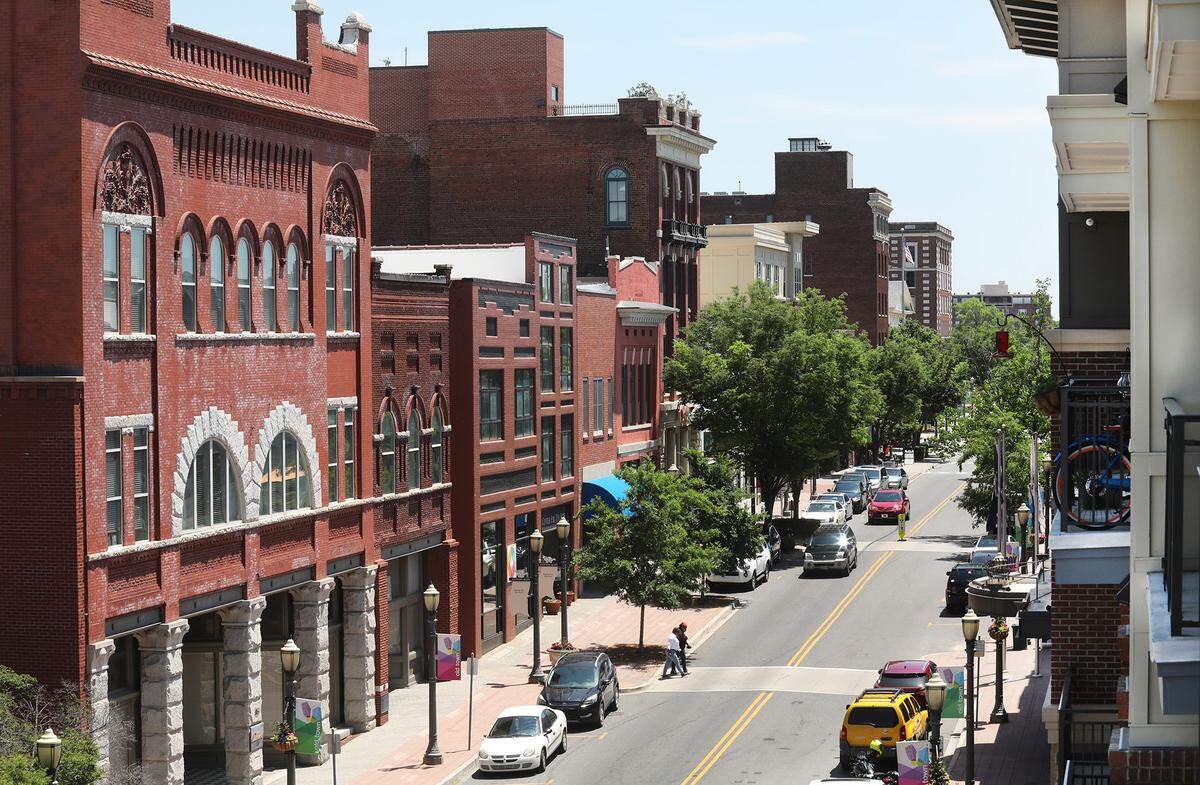
Apartment owners impact city taxes
Budgeting began in January for the fiscal year that starts July 1. Final adoption on the $298.7 million city budget is expected June 24.
Electric rates haven’t increased since 2015, and won’t in the coming year. Stormwater rates hold steady. Water and sewer rates would increase 4%. Waste disposal fees would increase 3.5% to pass through county costs.
With the property tax increase, the millage rate would be above the current rates for Tega Cay and Fort Mill but below the rates in Charlotte, Lancaster, Clover and York, according to information Vehaun presented to council.
“We still remain sort of on the lower end of middle (of tax rates in the region),” he said.
Combined average tax, water, wastewater and electric costs for Rock Hill residents of $252 a month is lower than any other York County municipality or Charlotte, according to Vehaun’s presentation.
State retirement funding increases
Another pressure point on the city budget is state retirement spending.
When Vehaun started his role in 2010, Rock Hill put $3.2 million toward the state retirement system to cover costs of its employees. In 2016 the state mandated contribution increases from municipalities. Now Rock Hill spends $11.6 million, with a projected increase to $12.4 million by 2026.
It’s a massive increase that means $10 million or so goes to Columbia every year that otherwise would stay to meet needs in the city, Vehaun said.
“We’ve been able to absorb those without tax increases” in recent years due to community growth, he said. The city has more than 1,100 employees.
State mismanagement of pension funds, or at least not planning for them well enough, is another piece of the needed tax increase in Rock Hill, Councilman John Black said. Pension fund changes in recent years cost the city about $70 million so far, he said.
“The state retirements, that again, was at the fault of the state legislature,” Black said.
The city absorbs fee increases from the county on items like solid waste, he said, although the county and municipalities also pass along Rock Hill rate increases for water and sewer. But the pension costs are significant in what they’ve already cost the city, and in the coming tax increase, Black said.
“We’ve eaten that,” he said. “We’ve paid that. We’re making them whole.”
Mayor, council salary increase
The planned tax increase likely cost elected officials a pay bump, too. Council voted 4-3 last week not to increase mayor and council salaries by 6%.
“On a night when we’re getting ready to pass a tax increase onto our residents, I cannot support a 6% salary increase for council members,” Sutton said.
Annual pay in Rock Hill is $28,024 for the mayor and $17,844 per council member.
Council members Derrick Lindsay, Jim Reno and Perry Sutton voted to increase salaries. Lindsay twice voted against increases since coming on during the COVID pandemic, but said there’s a financial sacrifice council members have to make to commit the needed time to serve.
“The average person couldn’t do this,” Lindsay said. “And if they need to make the sacrifices I did — to step away from their career so that they could serve in this capacity — then there should be something as far as compensation on the back end.”
Perry Sutton said to do the job well, it’s going to take a lot of time. Someone almost has to be retired, own a business or be financially set to serve. As the oldest member on council, Sutton said his vote for increases is for the officials who come after him.
“They can’t do this job and try to take care of their families,” Perry Sutton said. “It’s just not possible unless they’ve been blessed.”
Reno also voted against the prior two increases, but was in favor this time. Council can only increase pay so much and so often, so Reno doesn’t want the city to get behind.
Though Black voted against the increases, he understands the concern about getting behind with pay. “It’s hard to sit up here and vote yourself a raise, but it is something council needs to consider,” he said.
Tax increase to protect city workers
It’s unclear how the new strains on city taxes might be resolved.
The city is hopeful legislators will close the loophole on nonprofit apartment ownership. Or, Vehaun said, other apartment owners could apply to do the same and worsen the financial impact.
The state often sets requirements cities can budget for or cover with increased revenue from growth, said Mayor John Gettys.
“This is the worst kind of legislation that’s been passed in Columbia,” Gettys said. “It’s the kind that basically attacks local communities.”
The coming increase would be his second in more than a dozen years with the city, Gettys said. He sees a tax increase as better than the alternative.
“It’s either going to come from the taxpayers...or it’s going to come from less services,” Gettys said. “It’s going to come from losing your employees.”
The proposed budget already is personnel heavy, Reno said, and there aren’t capital projects the city can defer.
“I apologize to the citizens of Rock Hill, because it was nothing that the seven of us have done or staff has done,” Kevin Sutton said. “This was caused by the state of South Carolina.”
This story was originally published June 3, 2024 at 10:26 AM.