Riverfront homes around Rock Hill remain hot. What protects them from the next Helene?
Hurricane Helene’s flooding left widespread devastation in Western North Carolina. That also raises a big question for the Rock Hill region — what’s being done to protect the growing number of homes along its riverfronts?
For more than a decade, there’s been a steady rise throughout the area of new homes edging closer to the Catawba River.
About 24,000 residences have been approved in York and Lancaster counties since 1999 for new subdivisions along the river. A quarter of them have been built or are in development. Most of those subdivisions are still building new houses.
Despite shock and heartbreak over the deadly damage caused by Helene flooding in North Carolina, officials here say they don’t anticipate new regulations on where homes can go here because of that news. That’s largely because changes in recent years are working, they say.
“We don’t want to approve something (for construction) in an area where it would be prone to being flooded,” said Tim Brooks, senior infrastructure plans manager for Rock Hill. “We don’t want to make things worse.”
Communities can and have set rules on buffers to back properties away from the river. But where homes and apartments go is largely based on non-local requirements like Federal Emergency Management Agency rules to build above floodplains and the availability or cost of flood insurance, local experts say.
“Developers and people that buy homes have to go through what the regulatory environment says is livable, what’s safe,” said Fort Mill Mayor Guynn Savage.
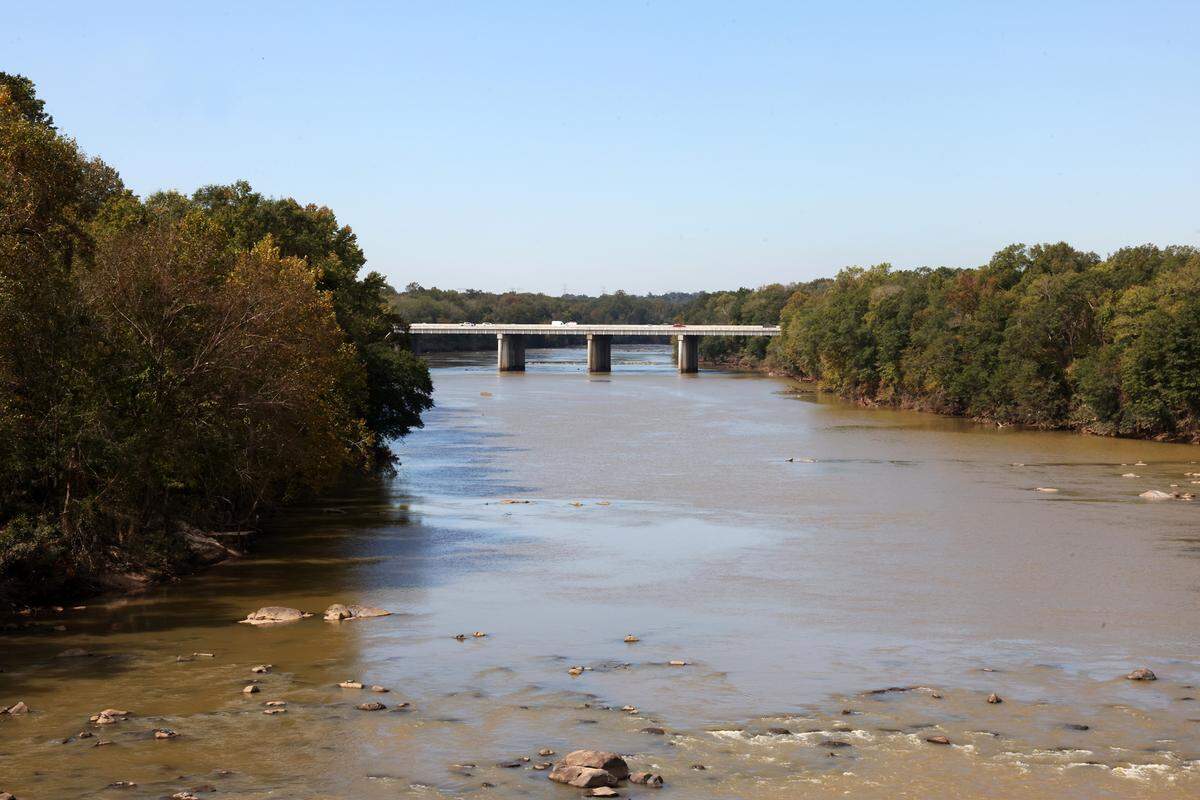
Rock Hill, Fort Mill, Lancaster County river growth
Communities under construction in the region vary in distance to the river.
Lancaster County has hundreds of waterfront lots at Edgewater, but it’s about 1,000 feet from the nearest Riverchase lot to the Catawba River. York County ranges from waterfront lots at Beckenham in Fort Mill to about 600 feet from Elizabeth in Fort Mill or Waterford Glen in Rock Hill.
Much of Rock Hill’s frontage along the Catawba River is park, open or agricultural space. But that’s changing on its northern end.
The city approved Riverwalk in 2008, now set for 2,300 residences near the U.S. 21 bridge. Across Cherry Road there’s Porter’s Landing, rezoned five years ago for up to 370 apartments.
Downstream, Rock Hill has Waterford Glen with about 170 homes surrounding the Waterford Golf Club. Outside city limits there’s the Catawba Nation with about 100 homes off Sturgis Road, Catawba Shores and Catawba Acres combine for about 160 homes or residential lots.
Fort Mill has more new subdivisions along the river than Rock Hill does. For instance, Lennar Homes submitted plans in 2013 for the 1,100-home Waterside at the Catawba off Whites Road. Masons Bend followed two years later with 650 homes just north of Interstate-77.
Elizabeth, across the river from Rock Hill’s Riverwalk, will add about 1,300 homes or townhomes plus hundreds of apartments in Fort Mill. The first homes there sold last year.
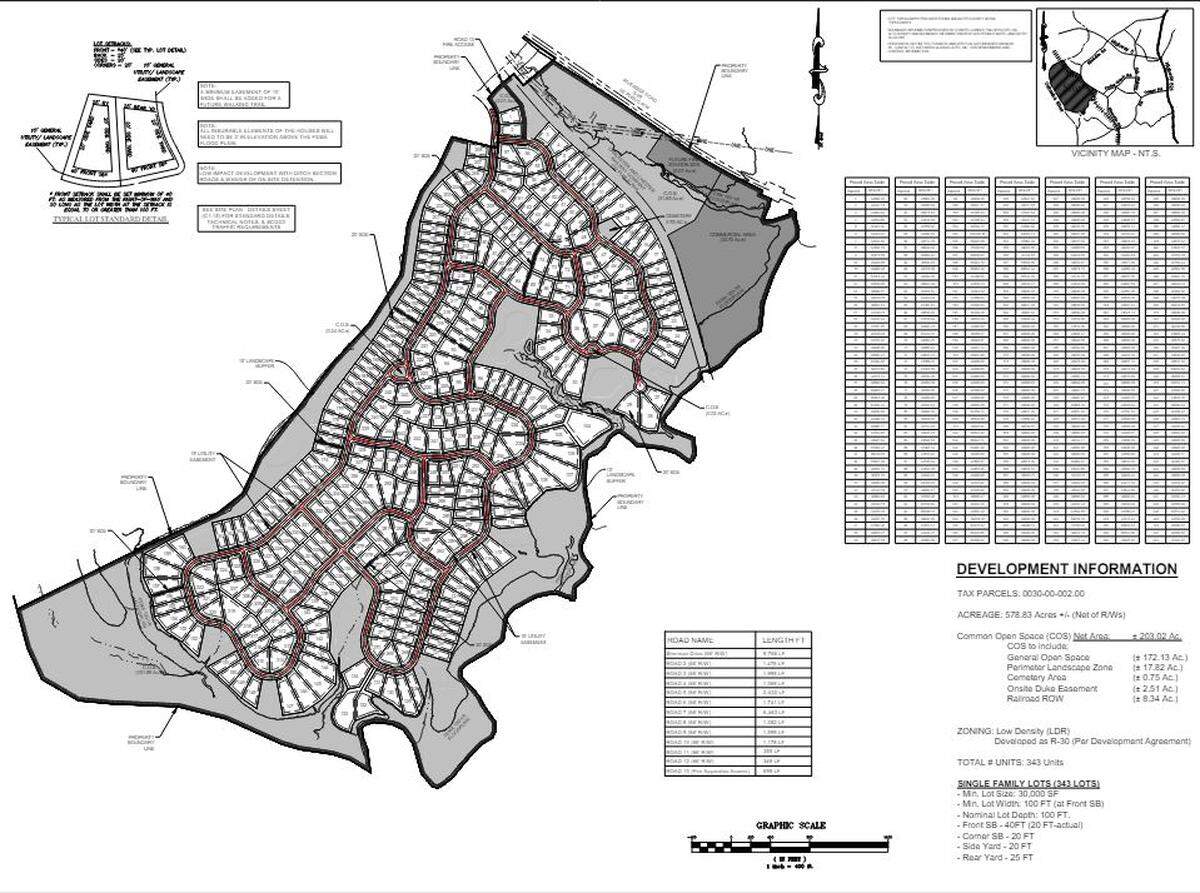
And just last week, Lancaster County heard plans for another 343 homes at Riverchase. A 20-year development agreement approved in 2008 allowed up to 1,900 new residences there. The county approved Edgewater in 1999, for 16,000 homes and a golf course.
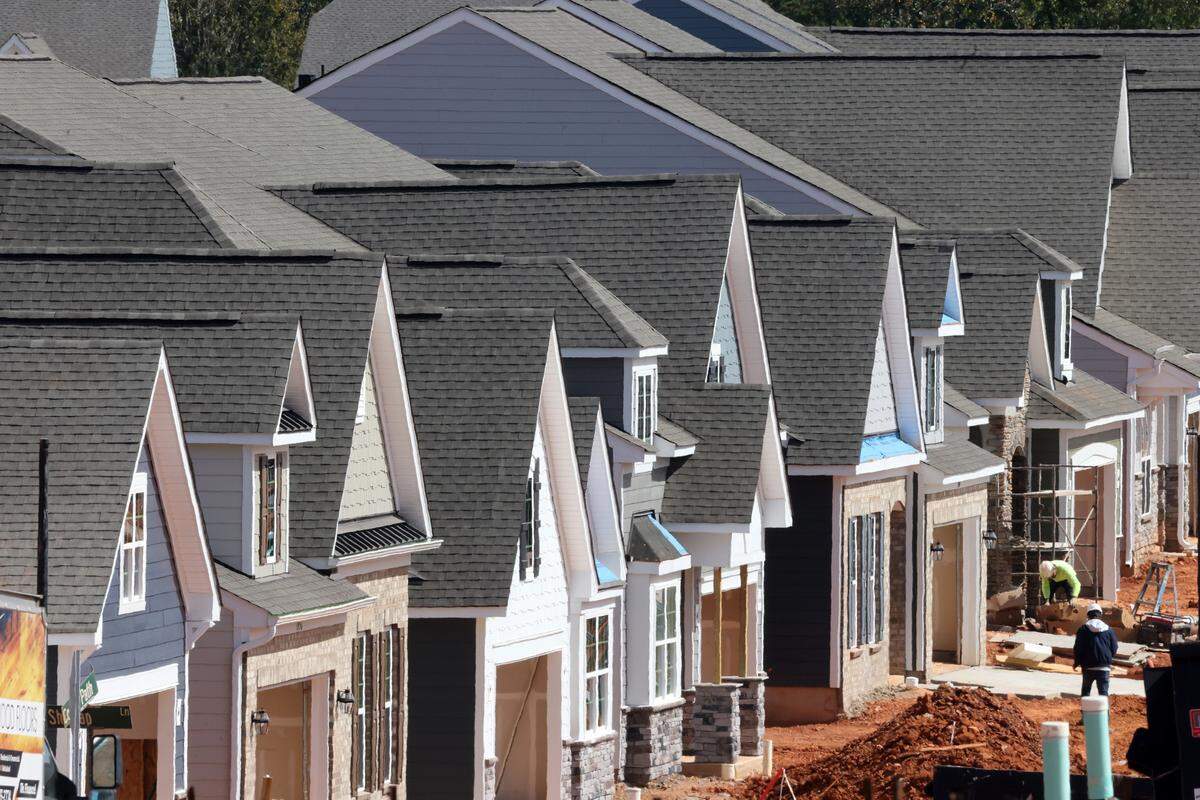
Protections against river flooding
One of the main safeguards against homes in this area succumbing to floods is the work of Duke Energy.
The company has dams along the Catawba and can redistribute water using its 11 reservoirs. It routinely runs water through the system to lower lake levels ahead of big storms.
Still, Helene flooding was so severe it required enough water to run through dams to flood homes near Mountain Island Lake, just upstream of Lake Wylie.
Dams provide some level of protection that areas with free-flowing rivers don’t have during severe weather, said York County Emergency Management Director Chuck Haynes.
Buffers are another tactic to prevent flooded homes. Rock Hill requires a 100-foot undisturbed buffer for construction on Lake Wylie or the Catawba River. There’s a 50-foot buffer along large streams. The city expanded its rule to keep 100 feet of distance not just from the water’s edge, but from its floodplain.
For a decade now, Rock Hill has gone beyond federal requirements to identify its own flood-prone areas, not just at the river but citywide.
City zoning code is filled with rules before, during and after construction aimed at flood prevention. Or, in some cases, structures can’t be built in certain areas because of the risk.
Distance to a river is just one piece of the puzzle. Elevation is another.
Elizabeth in Fort Mill, for instance, saw much of the flat power line easement space between the neighborhood and river fill with water during Helene. But the neighborhood is on a large ridge and was never close to having water reach homes.
Some older construction in the area might predate environmental rules like buffers or floodplains. Newer communities, though, have specific and stringent requirements.
“Any kind of new development now, you’ve got to stay out of the floodplain,” Brooks said.
What homeowners can do during flood emergency
In 1916, two consecutive hurricanes hit the Carolinas and brought record flooding to the region.
Road and rail bridges in Rock Hill were swept into the water. Dams broke. The river rose to 36 or perhaps 65 feet, which was hard to tell with water several feet higher than any official gauge, The Herald reported at the time.
Apart from a telephone line each to Columbia and Blacksburg, the city was “out of communication with the entire world,” according to the paper.
For people surprised at a hurricane’s destruction in the North Carolina mountains, Helene is a reminder that storms aren’t confined to the coast. “You never know when that can get centered on an area where you live,” Brooks said.
Floodplains often center around a 100-year storm, or the heaviest storm an area would expect to see in a century. “These folks up there, they got hit with a 500- to 1,000-year event,” Brooks said of Helene’s damage. “You almost can’t design for that.”
York County has the Catawba River on its eastern side, but also the Broad River on its western border.
Property along the Broad River largely remains agricultural. If a massive storm were to hit the Rock Hill region or somewhere upstream, location would be key.
A storm atop Rock Hill would create problems for low-lying areas or properties near small streams in the city. Homes on the Catawba River face a greater, compounding threat from heavy rain upstream.

“It’s not the rainfall that’s going to fall here,” Brooks said. “It’s the rainfall that’s going to fall way up in the watershed, in the mountains.”
The greatest danger would be a dam failure. Every dam has plans and models for evacuation and public notification, Haynes said. “It’s more of a worst-case scenario,” he said.
The best preparation for homeowners starts well in advance of a storm, experts said.
There are apps to gauge river and lake levels people can download, and floodplain maps property owners can review to see their risk levels. Emergency response teams and weather alert services can get messages to people on their cell phones, but it’s helpful if people sign up for notifications, Haynes said.
Having phones fully charged and close enough to hear them, especially at night, is important. “A lot of times when people go to sleep they kind of get cut off from the world,” Haynes said.
Experts can’t fully rule out anything that has to do with weather, but they’re confident communities are doing everything they can to avoid flooding problems.
“We fall in line with following the lead of people who are trained to do that,” Savage said.
Reality Check reflects the Rock Hill Herald’s commitment to holding those in power to account, shining a light on public issues that affect our local readers and illuminating the stories that sets the Rock Hill region apart. Email realitycheck@heraldonline.com