Two options fix some of Rock Hill’s worst traffic off I-77. But one choice costs $80M more
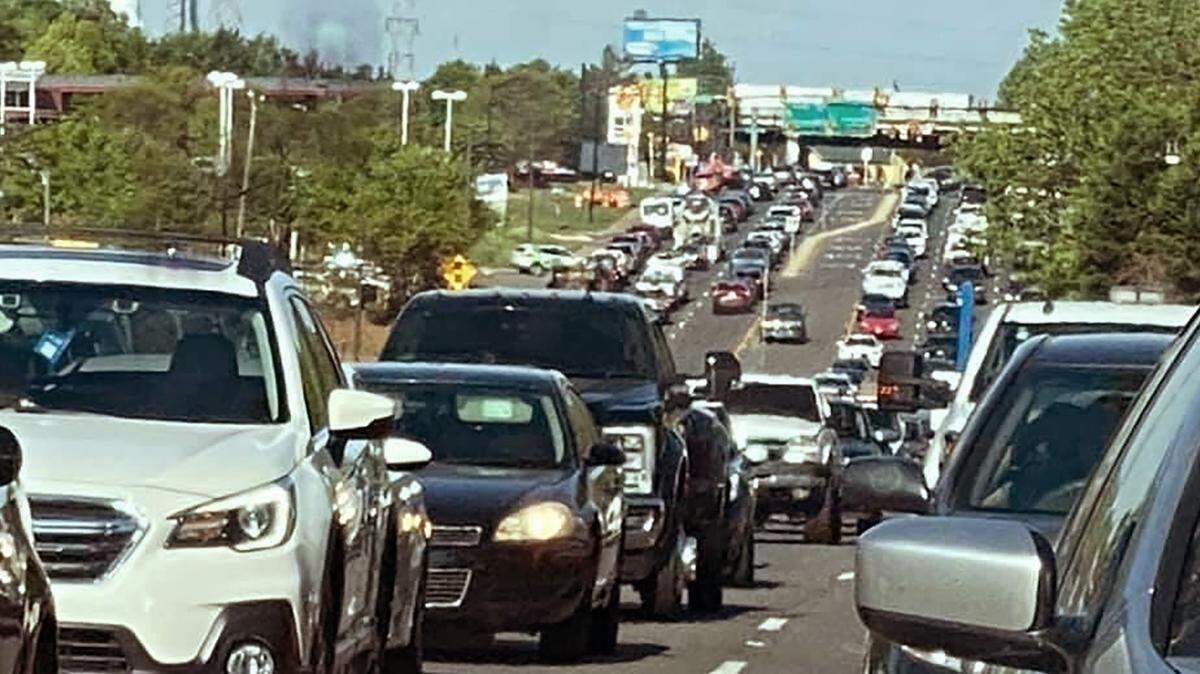
Two options offer the same traffic relief at the biggest backup spot in Rock Hill, where Interstate 77 meets Cherry and Celanese roads. One choice, though, costs about $80 million more than the other.
The choice seems obvious, right? Not so fast, area elected officials say.
“This is an extremely complex issue that has more than one answer,” said Fort Mill Mayor Guynn Savage, “and more than one concern.”
Area mayors, council members and road officials that make up the Rock Hill-Fort Mill Area Transportation Study policy committee held off Friday on a decision on which option to choose. They’ll try again in January to send a recommended interchange project to the Federal Highways Administration for review.
One option is physically and fiscally higher, but officials aren’t ready to rule it out.
“Overall the traffic results are comparable,” said senior project manager Andrew Fisher with infrastructure services firm STV. “But the costs are much, much greater.”
Ground and air options to fix Exit 82
The South Carolina Department of Transportation is up to nine configurations that it has studied to improve traffic flow at Exit 82. Some didn’t fit well on the ground. Some wouldn’t relieve enough congestion. Now, two candidates remain.
One option stays on the ground. A dual-lane loop would channel two lanes of traffic onto Interstate 77 northbound. A southbound exit off the interstate would continue onto Celanese Road without stopping. The upgrade would cost an estimated $96 million to $116 million.
The other option would go higher. Two flyover bridges would carry traffic, one over the interstate and the other over Celanese. That pick would have one fewer traffic signal compared to the dual lane loop. Estimated costs are $173 million to $193 million.
The flyover option would need 9.8 acres, compared to 2.4 acres for the dual lane loop. The flyover would involve relocation of businesses between the interstate and Riverchase Boulevard.
The dual lane loop would cost about $2.4 million more for utility work, since it would impact a cell tower. For drivers using either option in 2050, traffic studies found the average trip would be about five seconds shorter with the flyover.
“Who wants to spend more money if you’re going to get the same outcomes?” asked Rock Hill Mayor John Gettys.
Yet the bigger question, he said, isn’t as obvious.
“In 2050,” Gettys said, “what’s the next incremental step?”
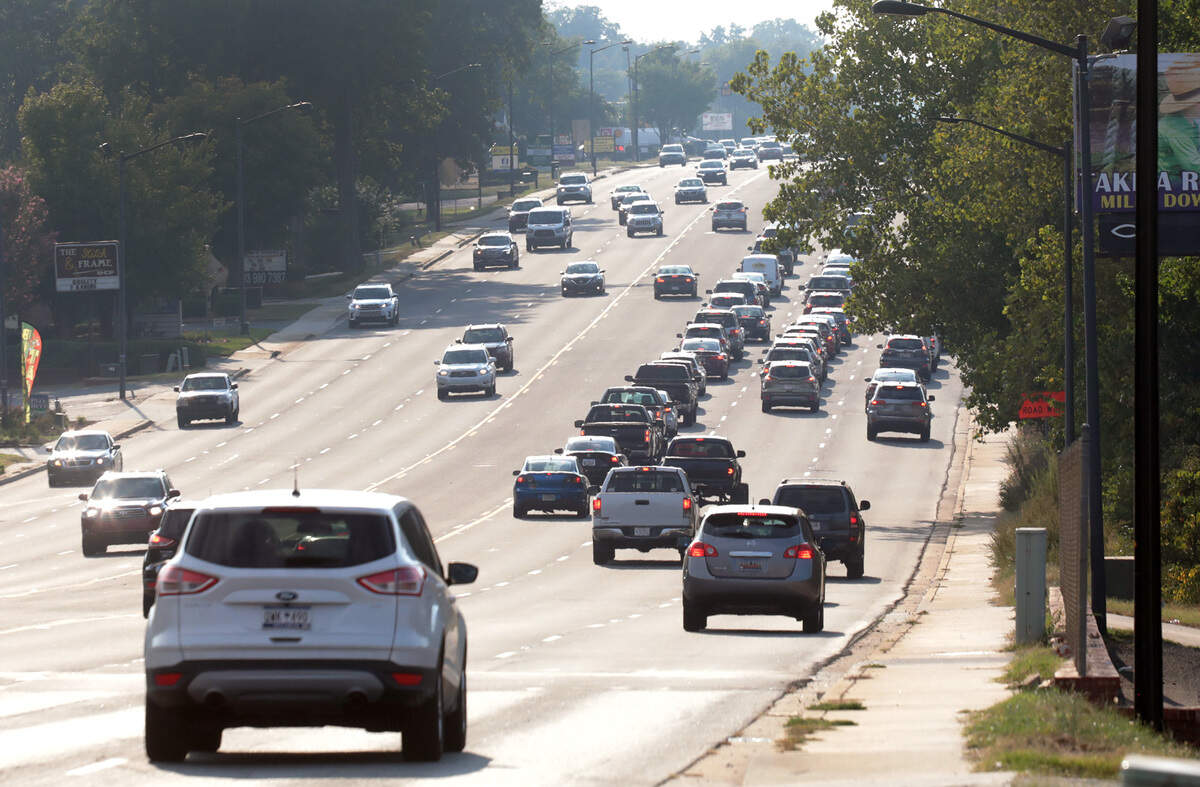
Future traffic growth in Rock Hill
Cherry and Celanese are two of the busiest roads in Rock Hill.
They come together at the interstate, clogging traffic in morning and afternoon rush hours. The interchange today is the result of upgrades in the 1990s.
Before picking a new option, Gettys wants to know if either one better positions the city for what’s likely to come. It’s throwing money away, he said, to pick the cheaper option if it’ll have to be torn down in a couple of decades for a flyover setup.
Buying right-of-way and building would be cheaper now, he said.
Celanese Road may not completely transition to dense, multi-level construction in his lifetime, Gettys said. But parts of the city are seeing vertical construction that creates more traffic demand, and Celanese will, too.
“It’ll start going up,” Gettys said. “You’ll have things like The Perch (retail area near Winthrop). You’ll have more multi-family coming there at some point. You’ll see some business offices.”
Road use changes to help traffic
Tega Cay Mayor Chris Gray hears the future conversation, but also has concerns in the present.
The Gold Hill Road interchange in Fort Mill was the first of several in the region to get multi-million-dollar upgrades when a diverging diamond setup opened three years ago. Exit 81 at the former Panthers site in Rock Hill opened since, and Exit 85 between Baxter and Kingsley in Fort Mill is under construction now.
Gray sees similarities between Exit 82 in Rock Hill and the diamond at Gold Hill Road. Both have multiple traffic signals just off the interchanges.
“You can improve the interchange all you want, but if you can’t get the traffic moved out of the recent vicinity of that area, you’re not going to do any good,” Gray said.
Gray suggested a fast lane approach similar to Highway 74 in Monroe, North Carolina. Taking traffic signals out at Riverview Road or Riverchase Boulevard, or putting a median on Celanese that would allow right turns and U-turns only, could move traffic more efficiently, he said.
That setup would be a fundamental change and hasn’t been recommended for Celanese, said transportation study administrator David Hooper.
“All you’re doing is just cramming all the cars in and letting them wait, with a traffic signal,” Gray said. “If I’m going to vote to spend millions of dollars, funneling traffic in so they can wait at a traffic signal just is not acceptable.”
York and Clover growth impacts I-77
Upgrades at Exit 82 are expected relieve traffic for 30 years. But some factors that could shorten that timeline come from well outside Rock Hill.
“There are only so many ways we can reconfigure an interchange,” Hooper said. “What’s really going to drive the useful life of either of these two options is what we’re feeding into the demand as development goes further west in York County.”
York and Clover are new growth hot spots.
Both just missed having enough people at the 2020 Census to join the transportation study of urbanized communities like Rock Hill, Fort Mill, Tega Cay, Lake Wylie and Indian Land. It’s a “virtual certainty” York and Clover will join after the 2030 Census, Hooper said.
Collector roads in the middle of the county bring significant traffic east toward the interstate, Hooper said. York and Clover aren’t part of the Exit 82 discussion today, but their land use decisions in coming decades will help determine how much capacity it needs.
“They’re not in this room,” Gettys said, “but they’re going to have a dramatic effect on the traffic.”
Making a financial decision
Officials look to tackle complicated variables, but they can’t ignore the obvious one. Costs have skyrocketed in recent years for projects throughout the region.
Four years ago, the South Carolina Transportation Infrastructure Bank approved about $75 million for interchange work at Exit 82 and Exit 85. Two years ago, the infrastructure bank approved $64 million for Interstate-77 and Carowinds Boulevard in Fort Mill.
Last month York County asked the infrastructure bank to put the Carowinds money toward Exit 82. Otherwise they’d risk not completing either project. The transportation study is in debt service until 2032 due to the ongoing Exit 85 work.
Waiting until January for a recommendation on Exit 82 is fine, said York County Council Chairwoman Christi Cox, but she wouldn’t wait longer.
“We’ve got to have some hard conversations before then,” she said. “We need to start talking about where other funding is going to come from.”
There’s also the final approval that would have to come from the federal highways group. That administration won’t allow a higher-priced option unless it’s warranted, Hooper said. They’ll look for concrete answers before considering the flyover option, he said.
“As our taxpayers will do the same thing for us,” Gettys said.