Why this lab in rural SC is shooting ice at shingles to learn from Rock Hill storm
A severe storm hammered Rock Hill last spring with 90 mile per hour winds and golf ball-sized hail.
Hundreds of buildings were damaged. A handful were destroyed.
Hail storms of that magnitude are uncommon in South Carolina, according to Jake Sorber, a research project scientist based in Richburg, about 20 miles south of Rock Hill. But the rare disaster in his back yard brought opportunity.
Sorber recreates realistic hail inside a lab for the Insurance Institute for Business and Home Safety to improve housing products and standards. The institute is a nonprofit research organization supported by insurers with a goal of reducing loss caused by natural disasters.
On any given day, IBHS researchers might set fire to a makeshift house to test wildfire vulnerabilities or batter homes with hurricane-force winds generated by a hundred 6-foot fans. In Sorber’s lab, they’re shooting hail stones at shingles from a cannon.
The Rock Hill storm provided real-world insight that he said validated the hail lab’s findings. Here’s what that means for Rock Hill residents.
Most Rock Hill homes are unprepared for hail storms
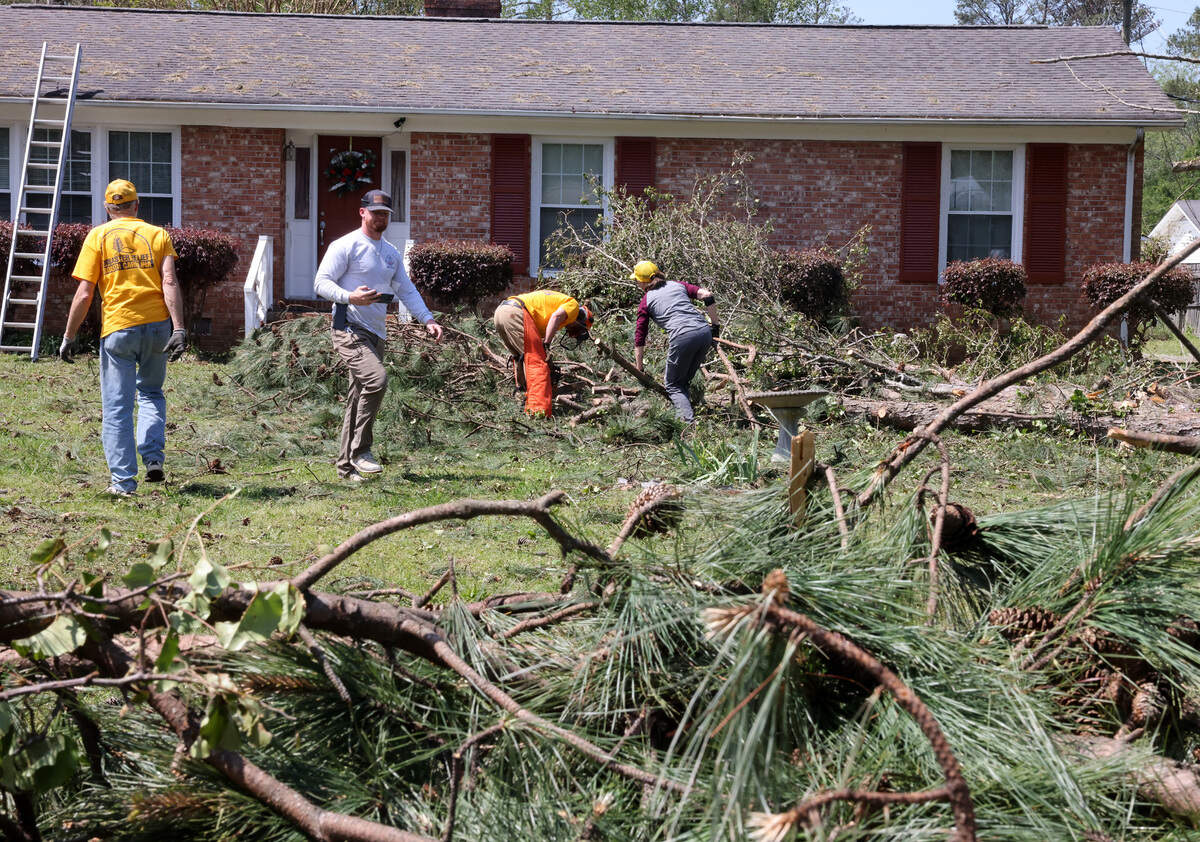
Last year’s storm scattered downed trees and branches everywhere, Sorber said. Hail stones up to 2 ¼ inches blanketed the area and created a fog that hovered above the ground.
“It just looked like a scene out of a horror movie,” Sorber said.
He gathered photos and conducted an aerial damage assessment of rooftops. What IBHS found was bad news for homeowners.
South Carolina roofs aren’t made to withstand 2-inch hail since these kind of storms happen about once every decade or longer, Sorber said. Impact-rated shingles are not readily available in the Southeast, so Rock Hill homes use conventional asphalt shingles.
When hail stones are an inch or smaller in diameter, the age of conventional shingles is a primary factor for damage. The older the shingles, the less protection they provide.
But when hail stones grow as large as they did in Rock Hill, there is no longer “any meaningful relation between damage severity and the age,” Sorber said. “The hail stones are big? Your roof’s getting damaged no matter if it’s new or 15 years old.”
South Carolinians probably shouldn’t go out of their way to track down impact-rated products because severe hail storms are so infrequent, Sorber said. Those shingles could be too old to effectively mitigate damage by the time the next one rolls around.
Still, there are preventive measures local homeowners can take, including investing in a sealed roof deck to eliminate gaps in sheathing. Even if shingles are compromised, water could not enter a home if the roof deck is sealed.
Homeowners can also educate themselves on which products perform best on their roofs and other parts of the home.
Wind drove hail sideways last spring, shredding siding and shattering windows. Some sidings — board and batten vinyl — perform better under these conditions, Sorber said. Impact-rated windows are also available.
“When water gets into your home, you can drive up those loss values significantly,” Sorber said. “Wind-driven hail is proving to be a damage amplifier.”
Not all impact-rated shingles are equal
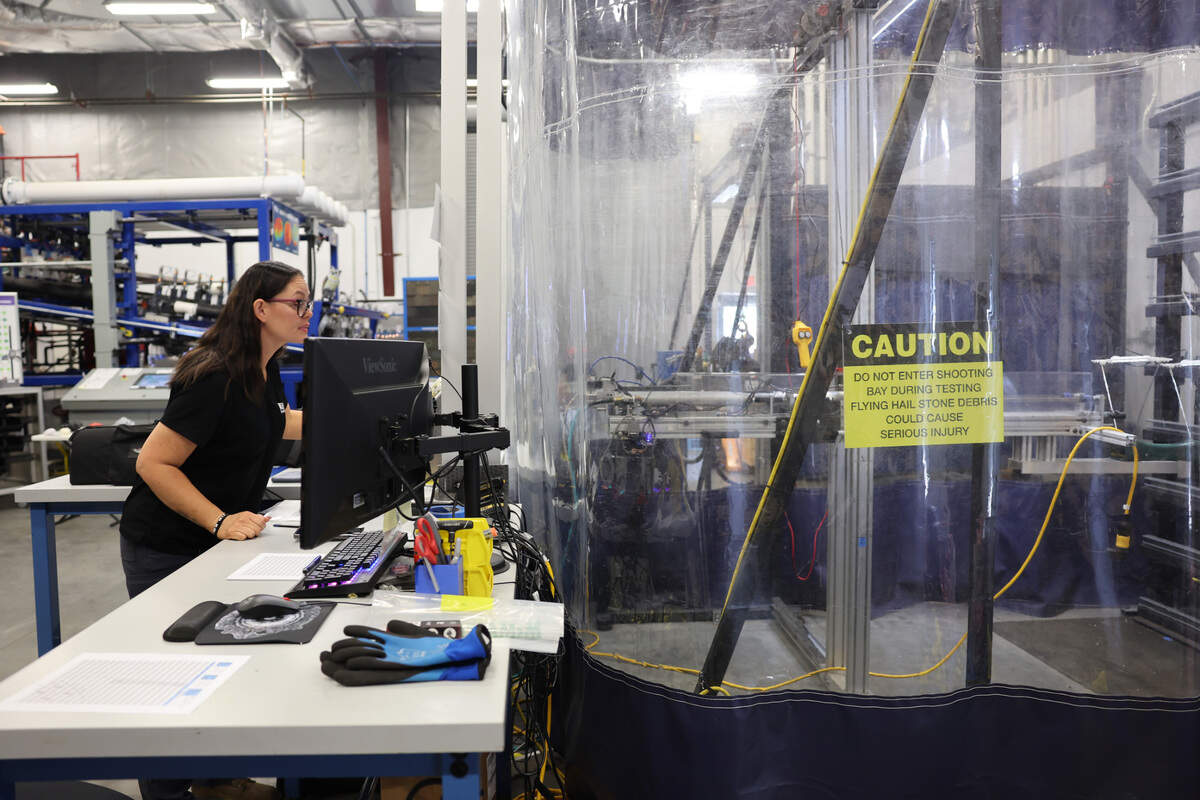
Michelle McClain spends her days shooting hail out of a cannon.
Seated behind a protective window, McClain takes aim at a patch of impact-rated shingles IBHS purchased from major manufacturers. Her ice uses special recipes depending on what type of impact she wants to simulate: soft, hard shatter or hard bounce.
McClain loads ice into the cannon and fires at speeds akin to real-world storms.
The current industry standard uses a pass-fail test for impact resistance ratings. And rather than ice, the industry uses steel balls to test.
“The problem is, steel balls don’t replicate hail stone impacts. There are some errors,” Sorber said.
IBHS is developing a new test standard for impact resistance that Sorber hopes will be adopted across the industry — and save homeowners and insurers money.
After hitting shingles with hail, McClain said machines scan them for dents, tears and granule loss. The lab assigns relative rankings to each type of damage, from poor to excellent.
IBHS found most impact-rated products have only marginal success in preventing dents and ridges, though they do a good job at mitigating tears and granule loss.
Hail research continues
Severe convective storms — the kind that produce hail, tornadoes and heavy winds — account for roughly 70% of insured losses, according to Sorber.
Those storms cost the insurance industry $58 billion last year, The Wall Street Journal reported.
For the first time in more than 40 years, the U.S. is funding a multiagency field study on hail this summer.
IBHS will join dozens of hail researchers from around the globe for the study funded by a National Science Foundation grant. The study will equip researchers with modern technology to better understand hail-producing storms and their impacts.
Researchers will follow storm systems throughout the Midwest. And although these storms are unlikely to pass through Rock Hill again any time soon, Sorber said their work has implications for folks everywhere.
“Homeowners should care about the damage that hail is causing because it’s affecting everyone, whether they get hit by hail or not. Your premiums are going up,” Sorber said. “It just nickels and dimes insurers to death, and it’s a problem right now.”