Inside Charlotte chess star’s final days: ‘He was hurting,’ a close friend says
Editor’s note: This story includes a reference to suicide, which may be distressing to some readers.
In life, Daniel Naroditsky spent the majority of his 29 years being celebrated.
After being hailed as a chess prodigy at a very young age; after earning the title of grandmaster — the highest possible one a chess player can achieve — at 18; then later, as a young man who rejected the traditional paths for a Stanford University graduate by moving to Charlotte, to join friends he’d met through chess camps and to pursue his dreams in the sport.
His fame only grew in North Carolina.
Here, he built a resume doing commentary for tournament broadcasts, teaching at his friend Peter Giannatos’ Charlotte Chess Center, creating content for his popular YouTube and Twitch channels, and competing as an elite player, with variations of speed chess (e.g. rapid, blitz and bullet) his specialty.
But in October 2024, Vladimir Kramnik, a former Russian World Chess Champion who Naroditsky grew up idolizing, began publicly insinuating that Naroditsky might be using computer assistance during online games. (Naroditsky was among a number of top players Kramnik suspected were cheating.) Though no proof Naroditsky cheated has ever been produced, a small faction of others started raising questions about his play, too, and Kramnik continued broadcasting questions about Naroditsky.
A year later, on the evening of this past Oct. 19, Gianntos found Naroditsky dead in the living room of his Ballantyne town house. According to the Charlotte Mecklenburg Police Department’s incident report, the cause of death was initially being investigated as suicide, an overdose or natural causes. CMPD has not provided an update on the case since that initial assessment.
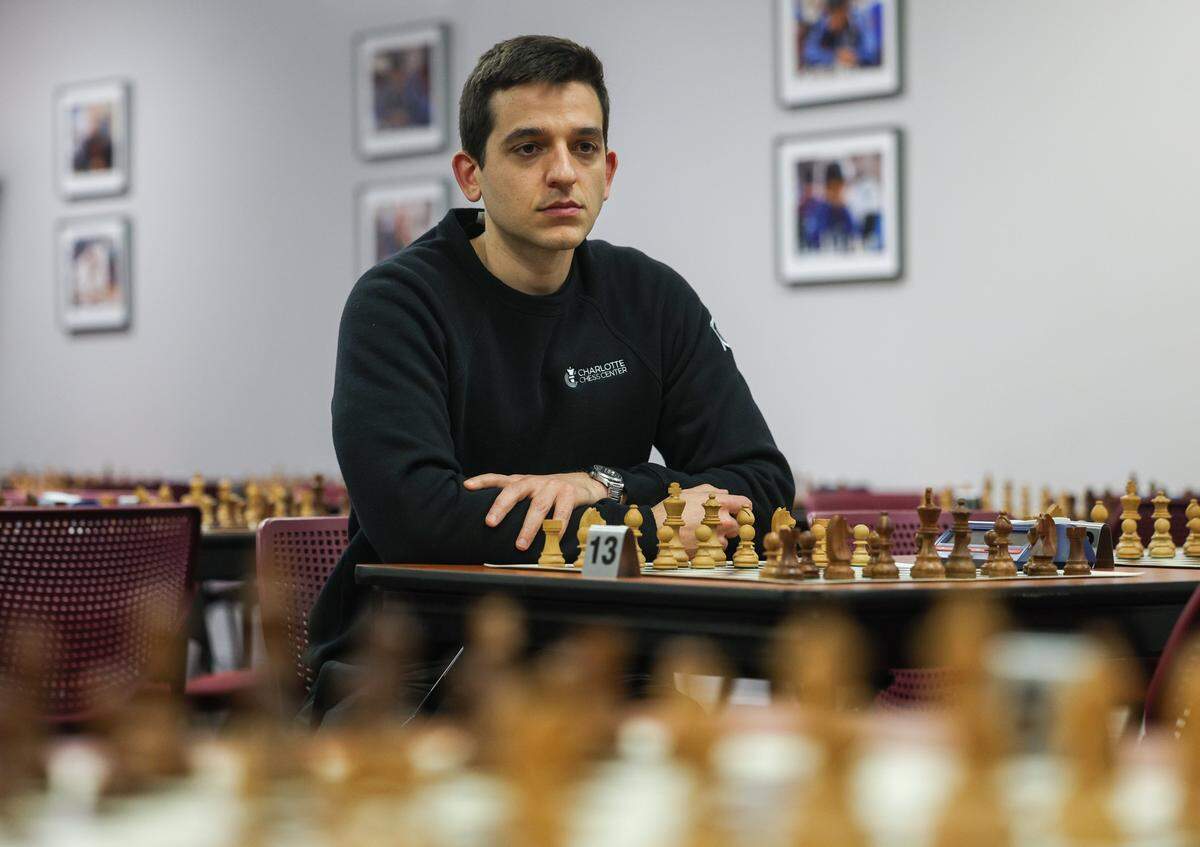
In a recent interview at the Charlotte Chess Center, Giannatos kept coming back to Kramnik and the effect the grandmaster’s insinuations seemed to have on Naroditsky’s psyche.
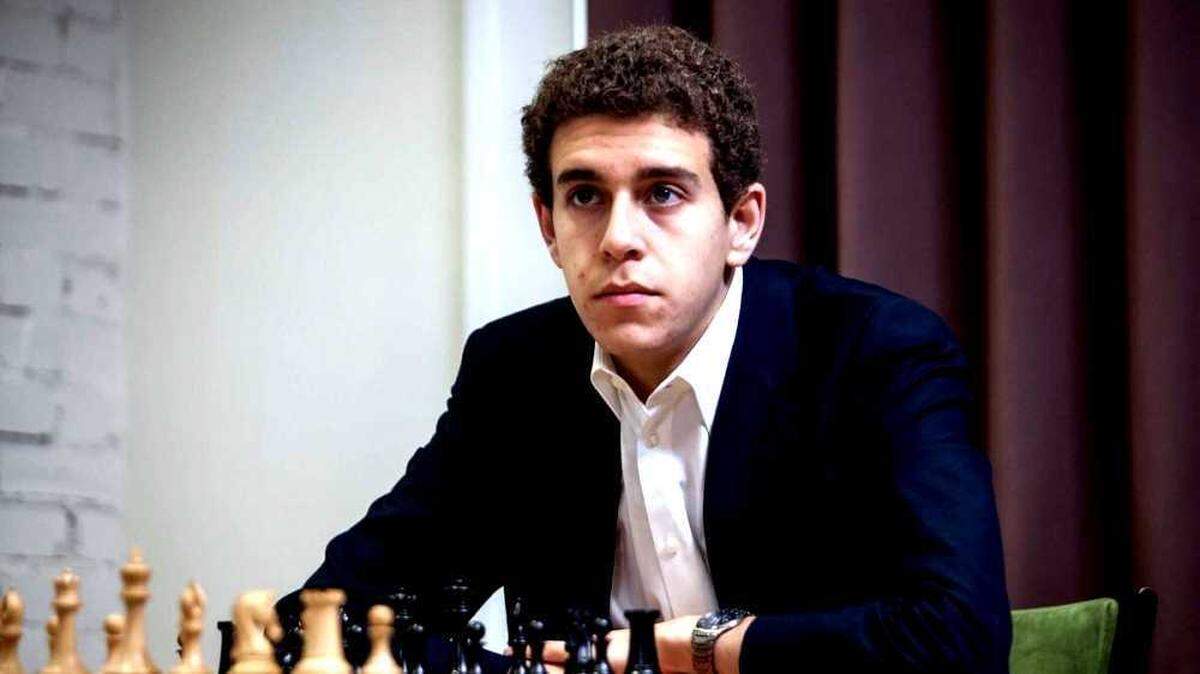
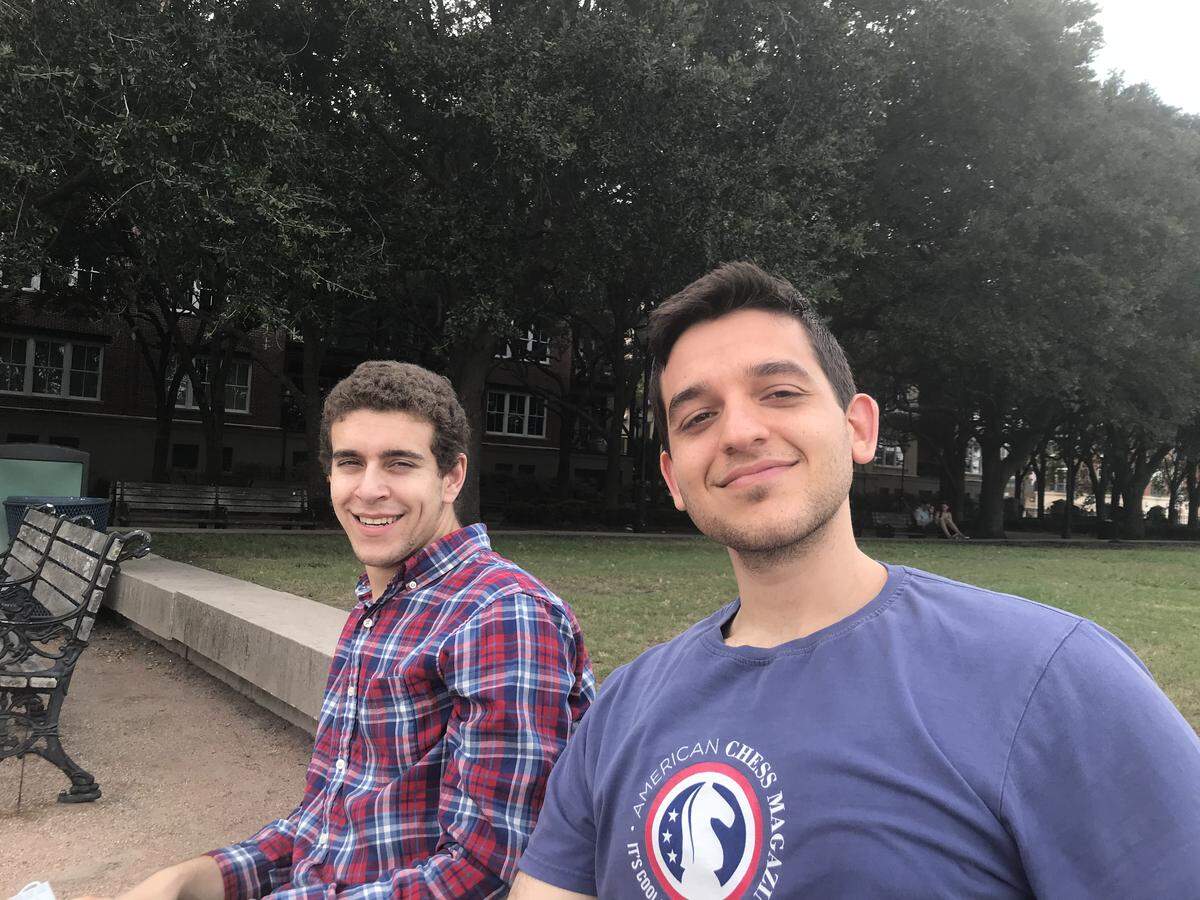
“No one here ever thought his integrity was in question,” says Giannatos, a close friend of Naroditsky’s since they met in 2017 as fellow instructors at the annual Castle Chess Camp at Emory University in Atlanta.
Giannatos and others had seen Naroditsky’s startling knack for speed chess up close, marveled at his pattern-recognition and board-visualization skills, been blown away by his ability to make complex, high-level moves very quickly, averaging 0.81 seconds per move and sometimes putting opponents in checkmate in as few as five moves.
“But one of the qualities of amazing chess players is their ability to hyper-focus, and unfortunately, Daniel hyper-focused on the negative. ... So a large part of his motivation day-to-day was to prove those people wrong. He wanted to repair his reputation in full.”
Giannatos perhaps most vividly remembers this being the case last December, at the World Blitz Chess Championship in New York City.
Naroditsky finished ninth there, an impressive result amid a highly competitive field. But Giannatos says he had never seen his friend look as nervous before — and that despite the strong showing, Naroditsky didn’t feel like he’d proven himself to his naysayers.
Into and throughout 2025, Giannatos adds, “No matter how hard he pushed himself, to maintain a high rating online, to play his best all the time, he felt weight on his shoulders. He wanted to fix it. But there was no fix, because you can’t please everybody.”
Giannatos lets out a sigh before continuing:
“I just ask people to try to understand how painful that could be to somebody who has devoted their life to something from a very young age. To be dragged through the mud by something you didn’t do.”
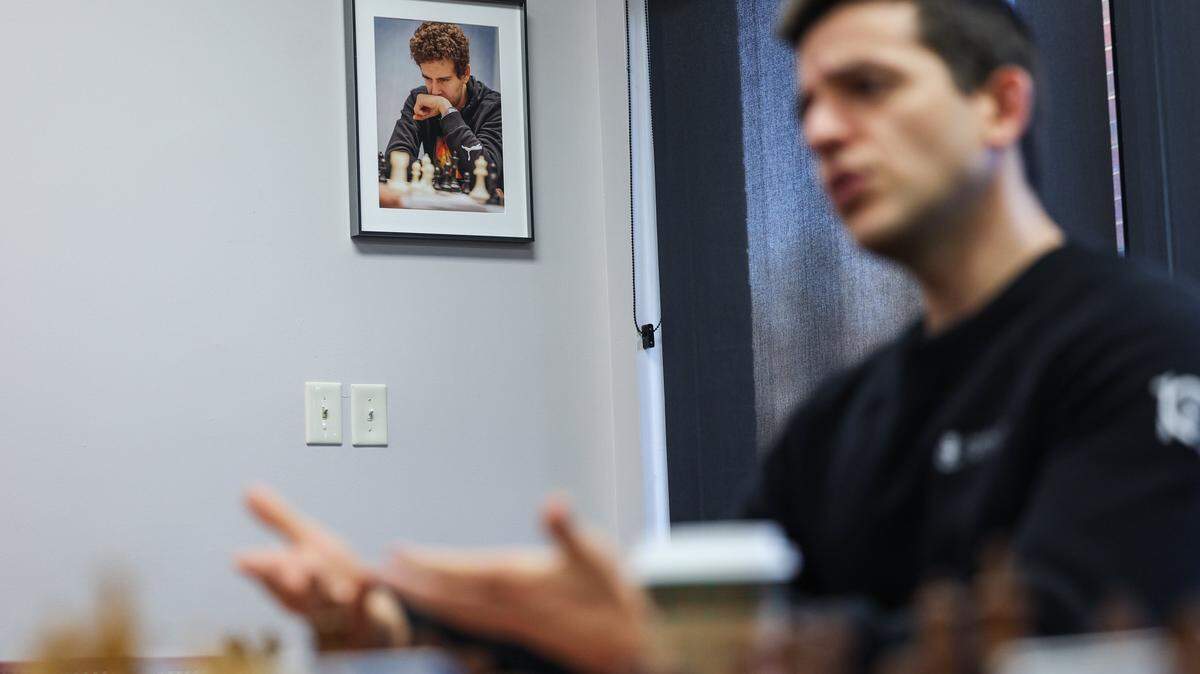
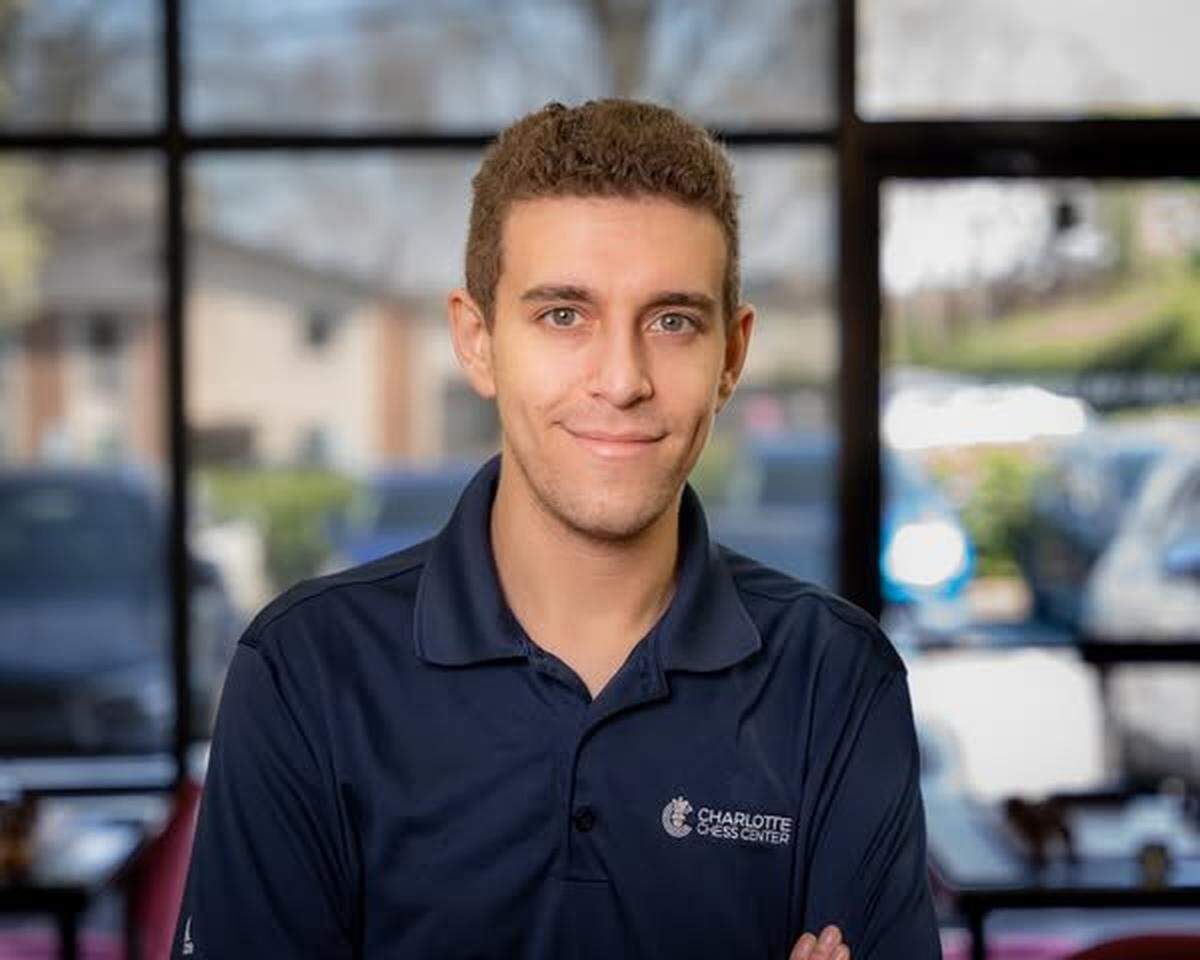
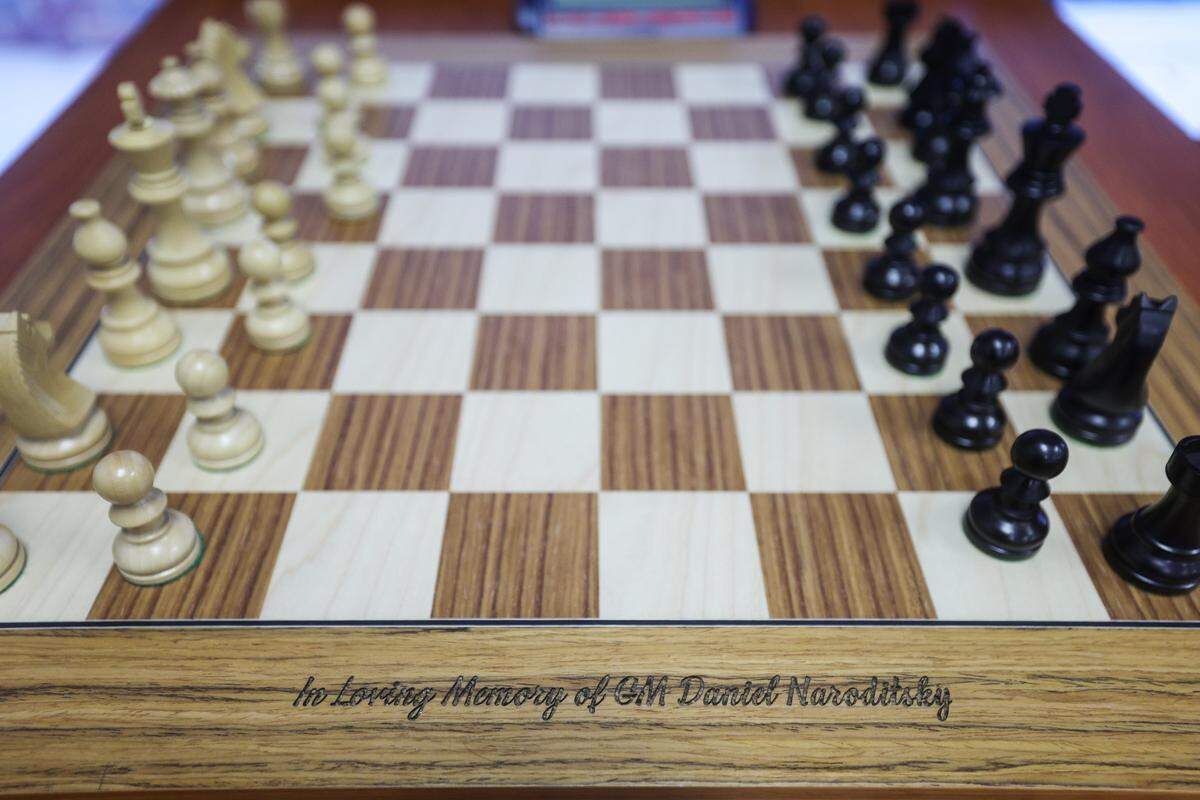
With that goal in mind, the Charlotte Chess Center founder sat down with The Charlotte Observer — in the shadow of a photograph of Naroditsky contemplating his next move — to share the fullest picture yet of the final weekend of his late friend’s life; and, much more importantly, how he’d like Naroditsky to be remembered.
Naroditsky’s troubling last live-stream
On Friday, Oct. 17, Giannatos was curled up on his couch at home with his girlfriend Dina Belenkaya, herself a noted chess personality, when he began receiving anxious messages from friends as midnight approached.
The gist: Naroditsky was behaving erratically while live-streaming games of speed chess on Twitch.
You need to tune in and check it out, they all said.
As soon as Giannatos saw Naroditsky on the stream, he almost immediately became concerned. He watched his friend bury his head in his hands and keep it there for an uncomfortably long stretch, his body language suggesting that he might be slipping out of consciousness. Naroditsky then abruptly picked up his head and seemed alert. But after a bit of banter, he repeated that same routine.
At one point, with Naroditsky appearing to be unable to stay focused, the game timed him out of his turn.
This is not at all normal, Giannatos thought to himself. It wasn’t nervousness like at the December tournament. It was a distress mood of some sort.
Giannatos picked up his cellphone and called their mutual friend, Olexandr Bortnyk, another Charlotte chess grandmaster, who agreed that Naroditsky was amiss. It didn’t take long for them to decide to head to Naroditsky’s town house in their respective cars, intent on performing their own informal wellness check.
Their attempts to reach him by call and text while en route were ignored. And once the two men arrived at his home, Naroditsky could be seen in the live-stream dismissing the doorbell both times they rang it.
But Naroditsky previously had provided his close friends with a way to get inside via the garage, so Giannatos and Bortnyk took advantage of it and climbed the stairs to the third floor, where Naroditsky was still mid-live-stream.
Their initial attempts to get him to end it were unsuccessful, and they held back for a few minutes, remaining off-camera the whole time as Naroditsky continued rambling. Giannatos soon ran out of patience, though: “I’m gonna unplug it, if you don’t end it.” Giannatos was referring to the live-stream, not the games. He told Naroditsky he didn’t care if he kept playing them. He mainly just wanted to be able to talk to Naroditsky without his fans overhearing the conversation.
Then Naroditsky brought up what the problem with that was, in the process exposing what perhaps was the root of his anxiety that night. “Ever since the Kramnik stuff,” he said, on-camera, out of the blue, “I feel like if I start doing well, people assume the worst of intentions.”
Basically, he was implying that if people can’t see his face and his hands while he’s playing, they could be more suspicious that he’s cheating.
“You don’t have anything to prove to those people,” Giannatos countered. He also reminded Naroditsky of something else: He had a big tournament in the morning — barely nine hours from then — that he needed to be ready for.
“I know,” Naroditsky replied, defensively, “and I’ve been taking it seriously.”
Moments later, at roughly 10 minutes till 1 in the morning, Naroditsky finally relented, and ended the live-stream. He was far from finished, however, with his lament related to Kramnik’s insinuations that he was a cheater.
‘Don’t let these people weigh you down’
It wasn’t the first time they’d had a conversation focused on Kramnik, and this one lasted for more than an hour, even if the three men didn’t cover much ground that they hadn’t covered many times before as it pertained to the topic.
By about 2 a.m., Bortnyk — who was celebrating his birthday that weekend and needed to get home to his wife and young child — excused himself.
Naroditsky asked Giannatos if he’d stay, so he did. From there, they drifted into territory related to family pressures, girlfriends, politics. But they kept coming back to Kramnik, Giannatos says: “Daniel asked me if I could understand the emotional pain that he was feeling. And I said to him that I can’t personally feel it, but I understand why this bothers you. ... He asked me if I thought he was a cheater. Of course, I said no, because that’s what I actually think.”
Then, Giannatos continues, “I expressed to him that his legacy and contributions to the chess world are so far greater than those same individuals who scrutinize him and antagonize him, that he should be very proud of that, that he has a world ahead of him to continue to build upon that.”
They’re jealous of you, Giannatos said to Naroditsky.
Naroditsky sighed, looking skeptical. Do you actually believe that?, he asked.
Giannatos recalls being offended by the suggestion that he was being disingenuous. You’re damn right I believe that, he said to his friend. That’s why I’m saying that. You should not let these people weigh you down.
By this point, it was 3 a.m., with just seven hours left before the start of the Comet Open, an online tournament with a $200,000 prize purse that Naroditsky was to play speed chess in.
There’s no way of knowing for sure what was causing his erratic behavior, but Giannatos thinks Naroditsky’s state was perhaps being exacerbated by self-imposed pressure he was feeling related to the looming tournament — and that the pressure was being exacerbated by the angst he was still feeling due to Kramnik’s insinuations.
In other words, Giannatos thinks Naroditsky felt like he had to do well at the Comet to prove something to those suspicious of him.
Maybe 15 or 20 minutes later, Giannatos stood up to depart.
Do you have your alarm set?, he asked. Yeah, I’m good. I’ll be on and ready to play, Naroditsky replied. Giannatos’ read of his friend was that it was safe to leave him alone.
But Giannatos still logged into the tournament website promptly at 10, just to make sure Naroditsky was up and playing.
Heading back to check on him, again
To Giannatos’ relief, he was.
As it turned out, Naroditsky’s performance in the tournament was neither extraordinarily disappointing nor surprisingly good — he beat German grandmaster Matthias Blübaum in the first round and lost to Iranian-French grandmaster Alireza Firouzja in the second.
Meanwhile, throughout Saturday morning and into the afternoon, Giannatos wrestled with whether to call Naroditsky’s mother in California to ask if she’d seen her son on his live-stream. But he didn’t necessarily want to raise an alarm that resulted in her calling him and making him feel even more pressure.
Giannatos decided to hold off. Instead, he texted Naroditsky to ask about the Comet, and Naroditsky did reply, just to say he was a little disappointed. There are records that show Naroditsky then played casual games on Chess.com till late in the afternoon that day.
That night, the Bortnyks hosted a birthday party for Olexandr at his home. Naroditsky, who had been invited, was a no-show. Giannatos didn’t think this was strange, though, given that he sometimes shied away from larger social events and also because Giannatos figured Naroditsky would have been exhausted from lack of sleep the night before.
(“I would stress that after I left him at 3:30 in the morning, there was a 14- or 15-hour period where he was verifiably active,” Giannatos says. “It wasn’t like he had this bizarre live-stream and just died right after that.”)
But early the next afternoon — on Sunday, Oct. 19 — Giannatos was heading up to the Charlotte Chess Center’s North Branch at the top of Interstate 485 when Naroditsky’s girlfriend messaged Giannatos to say she was concerned because Naroditsky wasn’t responding to her texts.
It raised an eyebrow with him, he says, because he rarely heard from Naroditsky’s girlfriend.
At the same time, Giannatos wasn’t overly worried. Naroditsky was known for being unresponsive at times. He tried texting his friend, too, but continued driving toward the north-side Chess Center location. Just keep me in the loop, if you would, Giannatos said in a message to Naroditsky’s girlfriend.
After doing the things he wanted to get done at the center, he checked in with her again, around dinnertime.
Have you heard from him yet?, Giannatos asked. She had not.
At this point, he shared enough of her concern that he decided to drive back down to Naroditsky’s home in Ballantyne. And as he’d done two nights earlier, Giannatos texted Bortnyk and asked him to meet him there.
Bortnyk was waiting for him when he arrived.
As if he’d just drifted off to sleep
It was sunset, and the sky was darkening quickly. They rang the doorbell a couple of times. Tried calling and texting a few more. There was no response.
Since Giannatos didn’t want to barge right in like they’d done during the live-stream, he went around to the side of townhouse to get a look inside through the living-room window. He observed that all the lights were off, but the TV was on, and it glowed brightly enough to give him a view of Naroditsky laying on the couch, tucked under a blanket.
He called for Bortnyk to ring the doorbell again. He did. Naroditsky didn’t stir. “Ring it again!,” Giannatos yelled. Nothing.
They traded places, Giannatos returning to the front door and pounding on it, Bortnyk going around to the window Giannatos had been at. “He’s not moving!,” Bortnyk called back.
Now Giannatos was panicked. He quickly went through the garage to enter the home as he had two nights earlier, and rushed to Naroditsky’s side. He shouted his name over and over as he shook his friend’s body, but there still was no reaction. So Giannatos ran back outside to tell Bortnyk to call 911.
The dispatcher directed them to get Naroditsky on the floor so they could begin CPR, but Giannatos says a Charlotte-Mecklenburg police officer and an EMS team were there in under two minutes.
Upon arrival, a paramedic was able to determine Naroditsky had already been dead for quite awhile — at least 12 hours.
Before exiting the residence, Giannatos looked around and noticed nothing otherwise out of the ordinary. Naroditsky’s glasses and phone were on the side table; a takeout container of food was on the dining room table and a cup of bubble tea was on the counter; and his Google Chromecast was in screensaver mode.
It looked to him as if his friend had just drifted off to sleep while watching TV.
Once back outside, Giannatos just stood there with Bortnyk in a state of complete shock. Messages were piling up on his phone. “I started thinking, The family has to know this,” Giannatos recalls. “So I asked one of the officers, ‘Who is responsible for notifying the family?’ He’s like, ‘Well, you can do it, or we can do it.’ And as hard as it was for me, as you might imagine, in that moment, I did not want them to get the call from a police officer.”
Giannatos had Naroditsky’s mother’s number, but couldn’t bear the thought of hearing her reaction. Instead, he called Naroditsky’s brother, Alan.
Four days later, still in shock, Giannatos was on his way to California for the funeral. He was one of four people to deliver a eulogy for Naroditsky, calling his late friend “the light of the Charlotte chess community, someone whose presence, energy and guidance enriched everyone around him.”
And on the flight home, Giannatos came up with a way Naroditsky could continue providing that light and enrichment even in death.
‘What can we do for our friend?’
Naroditsky’s death shook the chess world and burst into the mainstream, with The New York Times, The Washington Post, and prominent European media websites reporting the news. Two months later, people in the chess world who knew of Naroditsky but didn’t know him personally continue to be fixated on speculation about the cause of his death, and on how much of a role Kramnik’s allegations may have played into it.
But Giannatos and others close to Naroditsky, however, are focused on answering a different question:
What can we do to honor our friend?
They know that fresh gossip and speculation will arise when the medical examiner’s report is released to the family, probably within the next month or so. But “for the chess community at large, and for our community,” Giannatos says, “I just want to make sure that the joy and passion that he brought to the chess community continues to live on, and that his name continues to live on.”
To that end, the Charlotte Chess Center — in partnership with the Naroditsky family — has formed two initiatives in the late grandmaster’s memory: an annual speed-chess tournament to be hosted in Charlotte called The Naroditsky Memorial Blitz & Rapid; and The Naroditsky Fellowship, a scholarship program to support young chess talent in the Charlotte area that Giannatos hopes will officially launch in 2027.
A fundraiser to support both initiatives already is closing in on $1 million in donations.
“I’m using any emotional energy that I have toward doing something measurable,” Giannatos says. “If heaven is real, and he’s observing what’s happening, I’d like to think he would be proud that we’re doing something in line with his value system. That instead of, let’s say, raising money to go sue Vladimir Kramnik ... that we focus our energy on the positive.”
(Note: In an email to the Observer last week, Kramnik said “(despite the) disagreements we had a year ago, of course I was shaken by this tragedy.” But he continues to maintain “there were objective reasons to be concerned” about Naroditsky’s gameplay. He also claims the bullying he has been subjected to for calling out Naroditsky “is ten times worse” than what Naroditsky experienced. Meanwhile, chess’s international governing body said last month that it filed a complaint against Kramnik for leveling unproven allegations of cheating against fellow players, including Naroditsky.)
“These amazing human beings like Daniel,” Giannatos continues, “who are so capable and smart, sometimes they are the definition of too smart for their own good, because they overanalyze and overthink things, and they can become hyper-fixated and -focused on one element and not the complete picture.”
What would he say to Naroditsky if he had one more chance to talk to him?
Giannatos stays silent for several seconds, like a chess player contemplating their next move. Then he says, matter-of-factly: “‘Get your ass in the car. We’re gonna go to a mental-health specialist.’ ...
“I just didn’t realize the depth of how much he was hurting inside.”
If you or someone you know might be experiencing a mental-health crisis or contemplating suicide, call or text 988.
This story was originally published December 18, 2025 at 5:25 AM with the headline "Inside Charlotte chess star’s final days: ‘He was hurting,’ a close friend says."