Hens, but no roosters. Tega Cay leaders grappling with regulation of livestock, poultry
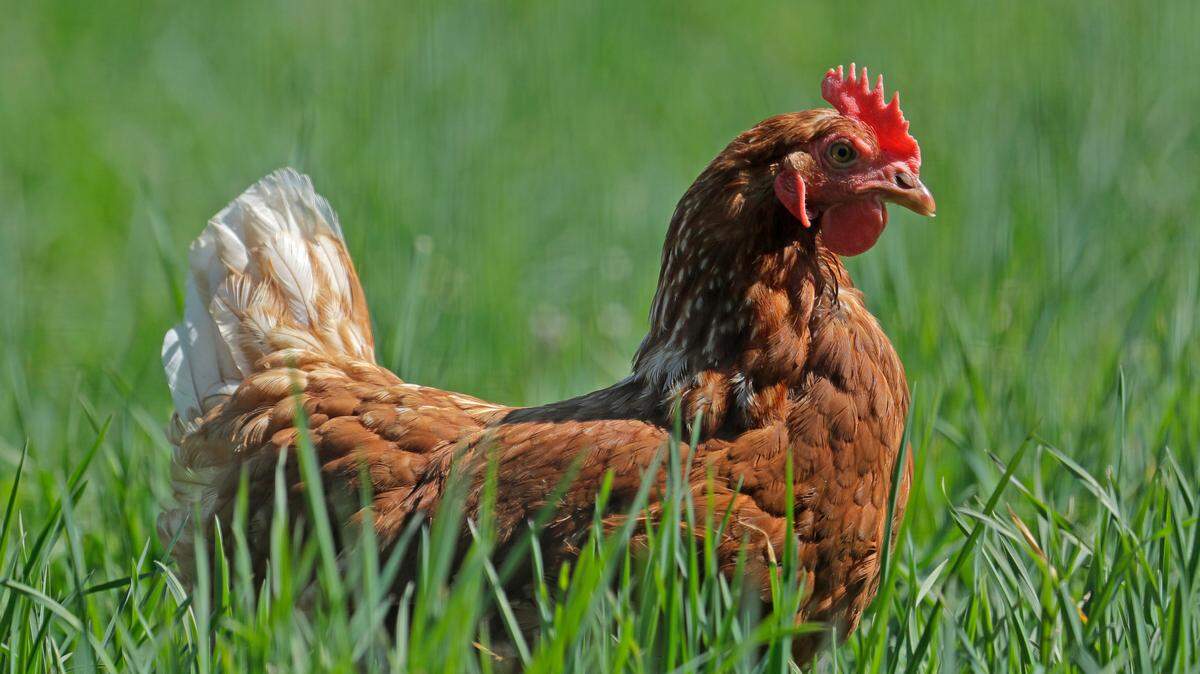
An unlikely city must decide about poultry and livestock.
Growing interest in urban farming has Tega Cay in search of answers. It isn’t a question specific to coronavirus, but it is similar to what other areas of the country experienced as COVID-19 stirred fear of food shortages.
In April National Public Radio reported hatcheries “swamped” with orders for baby chickens. CBS News, the New York Times and other outlets reported the same as people searched for a reliable source of eggs.
In Tega Cay, the chicken and egg situation goes back a bit further than coronavirus.
“This has been an ongoing issue,” said Susan Britt, city planning director. “However complaints began to pick up in late 2019.”
The city planning commission meets June 1. That group will decide whether to recommend changes to its zoning code related to poultry and livestock. City council will have the final say.
Tega Cay isn’t a city historically associated with livestock. Tega Cay is hardly a rural area. More than 11,000 residents live on fewer than four square miles. It’s an affluent city too, with U.S. Census Bureau listing the median home value at more than $316,000.
The city doesn’t have rules on its books now for livestock. City staff can use York County Animal Control to help address some issues. The city does advise the growing number of people who call and ask about various pets, where exact rules aren’t in place. The city advises interested residents to keep a small number of hens but no roosters.
“They tend to be rather noisy,” Britt said.
Yet it was another fowl complaint that brought the issue to city leaders. Complaints range from pygmy goats and sheep to geese and one homeowner who installed chicken wire fencing around an entire backyard for a large coop.
“I think the final impetus was a resident who had caught a wild turkey and was keeping him in a cage over a plastic kiddie pool,” Britt said.
The city worked with the South Carolina Department of Natural Resources on the turkey issue. It was released.
City council asked planners in mid-March to come up with whatever zoning code changes might best address the issue. Mayor David O’Neal had to keep from chuckling at the March 16 meeting just at the introduction of the conversation.
“I had no idea we had this problem,” he said.
Councilwoman Heather Overman posted a livestock question on her Facebook page, which collected more than 100 comments. They range from support of small animals with regulations to suggestion the issue should stay between neighbors, to ideas the animals shouldn’t be allowed in city limits.
“Clearly people are very serious about poultry and livestock, one way or the other,” Overman said.
Discussion thus far covered a limit on hens and no roosters. A free permit to document larger animals was discussed, as a way to grandfather in existing pets. No official rule change has come up for vote. O’Neal said one issue will be labels for pets. Rock Hill, Britt said, distinguishes between potbellied pigs often kept as pets and larger swine.
Tega Cay could adopt similar definitions of animals.
“We’ve got some pretty strange pets out there,” O’Neal said.
While the suburban city setting in Tega Cay may seem an odd fit for livestock questions, it’s actually the city’s growth that brought attention to the issue. City staff prepared and proposed an amendment back in 2015 to regulate poultry and livestock. Council didn’t move on the amendment since there weren’t enough complaints at the time.
However, Britt said “the growing emphasis on the reduction of industrialized production of meat and eggs and interest in urban agriculture has caused an increase in the city in the type of complaints regarding poultry and domestic livestock.”
Noise is a top complaint.
Others involve smell and animals getting loose. Free-range chickens generated complaints. City enforcement is complaint-driven, meaning zoning violations are investigated when called in to the city but aren’t otherwise sought out by staff. For now, there are no violations.
“When responding to complaints, staff’s only recourse is to determine if the animals are proposing a threat to the peace and health of the community and referring the complainant to York County Animal Control,” Britt said.
The planning commission discussion will help form whatever rule council ultimately considers. A public hearing will be held prior to adoption of any zoning code change.
This story was originally published May 28, 2020 at 4:10 PM.