
Let’s honor the memories of 144 enslaved people marked by graves in York County
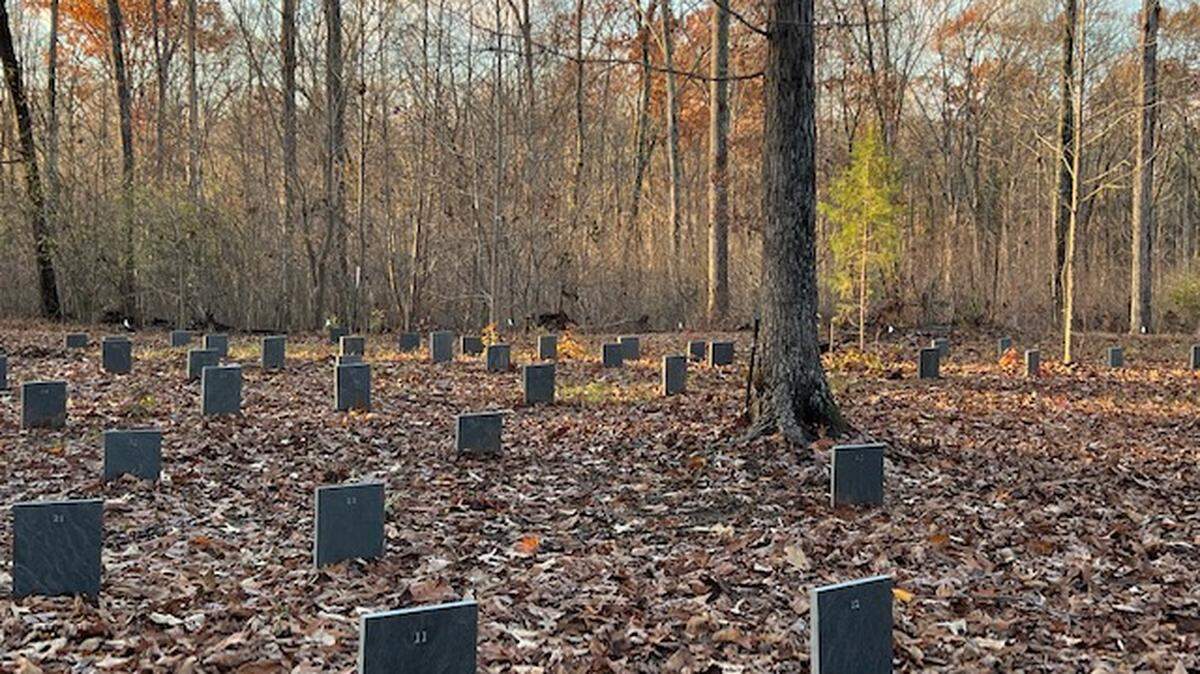
A member of The Herald’s staff wrote earlier this month about 144 graves discovered in York County. The graves are believed to be the final resting places for people who were enslaved.
The graves, and that article, are reminders that, for many of us, slavery isn’t some obscure piece of history, or distant memory. I’d like to share how close this all hits home for me.
I was a middle-school-aged kid in the mid-1960s. My great-grandmother, Alice Harrington, was in her mid-to-late 80s. She was alert and somewhat active. Sometimes I stayed at her house. To this day I refer to her as ‘Grandma Alice.”
One day she looked at me and said “come here, boy. I want to tell you something.”
Her tone, as always, was hard and direct.
“Slavery was a terrible thing,” she said. “My mama was a slave. She told me how bad it was, how mean the masters was.... She showed me the scars on her back from getting beat. They was this big.”
Then she held three fingers together to show the size.
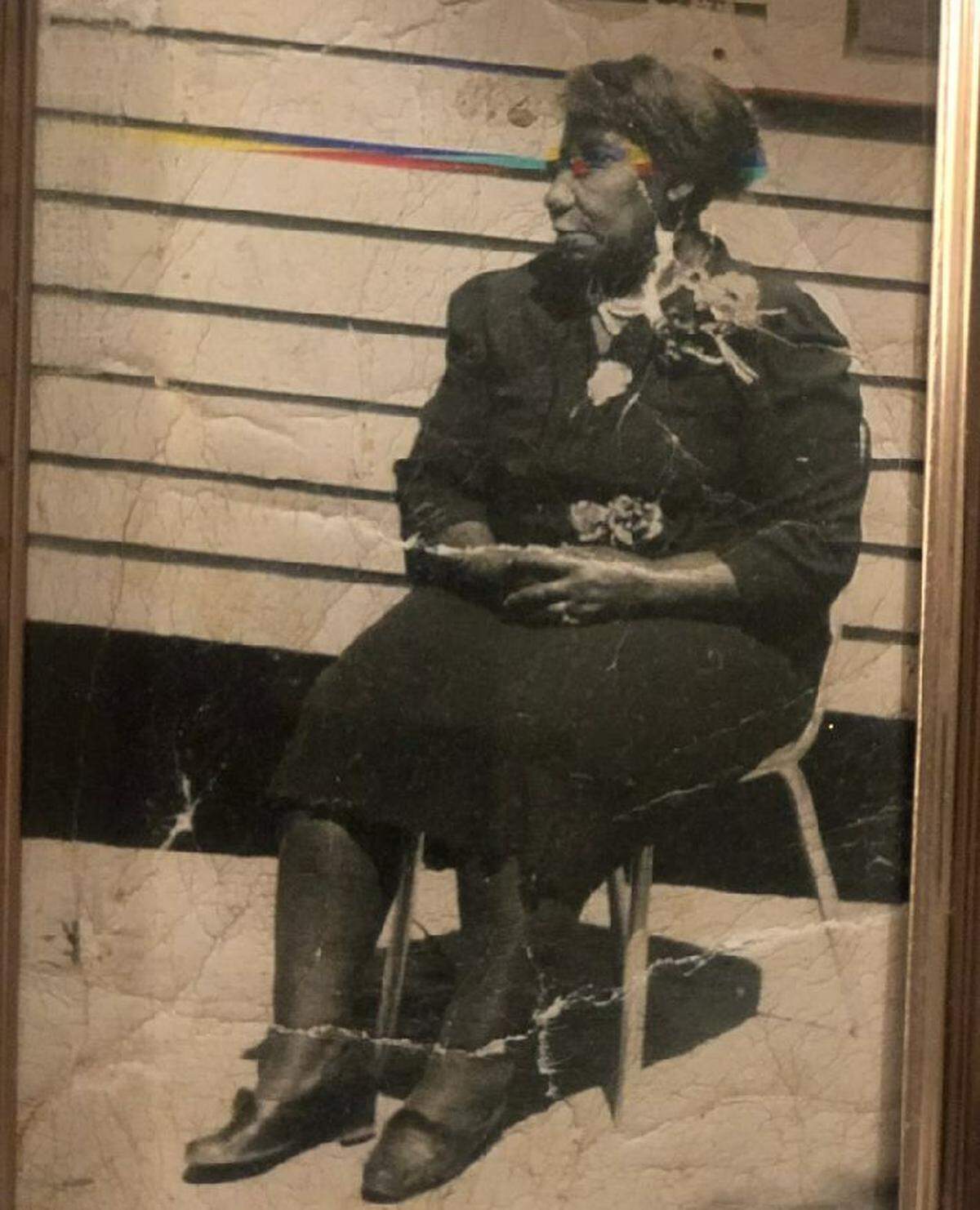
As an adult, I’ve searched death certificates, U.S. Census records and other documents. The information on those documents greatly matches what Grandma Alice said.
I know where she is buried. I attended her funeral.
I don’t know where in North Carolina the mother of Grandma Alice is buried.
And that gets me to the 144 graves at this site near Rock Hill.
Each grave is tied to the present in the same way I’m tied to the legacy of enslaved people -- maternally and paternally -- through my DNA and the recollections of Grandma Alice.
Discovering the graves of enslaved people in desolate, forgotten areas is nothing new. It has become almost a reflex: We pause a moment to think about one of America’s most shameful eras, and move on to the next thing.
Still, the graves represent human beings who, in their own ways, strived for dignity, had families, were loved, and when thy died someone mourned the loss.
It’s good timing that the graves are in the news during Black History Month. But the stories of the people buried there stretch farther than a mere 28 days.
Later this month the Nation Ford Land Trust will hold a ceremony to honor the memories of the people buried there. I plan to be there.
I’m also inviting you to help me tell real-life stories. If you, or someone you know, has stories about people buried in this desolate, long-forgotten field, let’s tell their stories. Or, if you have recollections of relatives directly tied to people who were enslaved, tell us what you know.
Contact me at charrington@heraldonline.com.
I’d like to honor their lives. I’d like to help ensure that the memories of people who were enslaved are treated with respect and dignity. We owe them that.
This story was originally published February 11, 2023 at 8:43 AM.