
Lake Wylie brain injury survivor helps himself by helping others
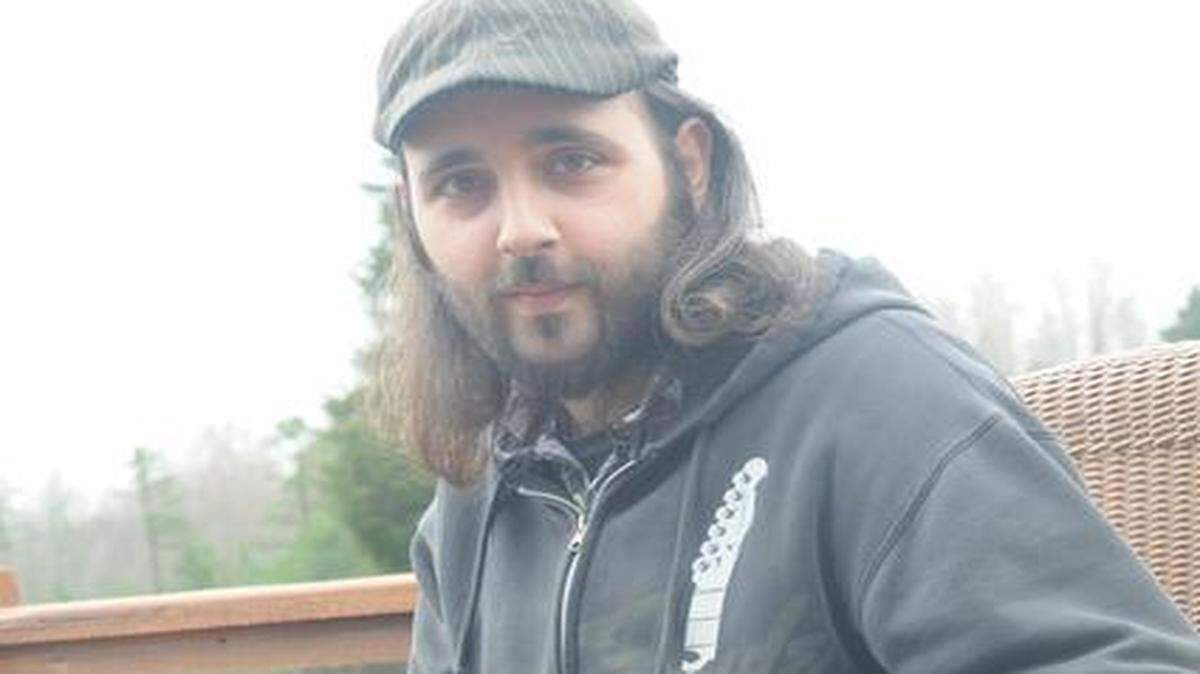
Joe Giacinti doesn’t like to talk about what happened to him 13 years ago. But he gladly shares his life experiences since, mostly with fellow survivors of traumatic brain injuries.
“You just get to the point with a brain injury where, it happened. You accept it,” said Giacinti, 27.
Giacinti accepts the nausea, hypersensitivity and constant overheating. He accepts the foot surgeries, the broken jaw and the dental problems. he accepts his constant headache.
He accepts that perhaps the most defining day of his life is one he can’t remember, and his family figures he’s probably better for it.
“Physically, I’ve gotten a lot better,” Giacinti said. “I don’t really remember the first two or three years.”
Instead of dwelling on his condition, he spends four days a week, when able, driving more than 60 miles round-trip from the Lake Wylie home he shares with his parents to Hinds’ Feet Farm in Huntersville, N.C. Hinds’ Feet offers day and residential programs for adults with brain injuries.
“For the first six months I was a member, and they turned me into a mentor,” Giacinti said. “Now I’m a board member.”
He didn’t know why he was going at first. The 22 day members and four residents complete chores, work with rabbits and horses. They do light exercise. Anything to involve their minds. Giacinti works with adults worse than himself.
“Some can’t talk,” he said. “Whatever they feel they need to happen to take care of themselves, I bring it up to the board.”
Just don’t ask him to babysit.
“I’m a grown man,” Giacinti said. “I’m not going to go baby somebody who’s 22 years old.”
A day he can’t remember
At 14 and a freshman in high school, Giacinti came to the aid of a friend who was being teased on a school basketball court. He was punched twice, and fell unconscious to the pavement while another student assaulted him until restrained by a teacher, according to his youcaring.com/joegiacinti support site.
Two hospitals and a stint on life support followed.
“It’s kind of hard to talk about if you don’t remember it,” said mom Lorie.
Dad Ralph recalls the constant care his son needed. Eventually Giacinti went to a Florida facility for 114 days.
“We searched and searched and searched, and researched, and drove,” Ralph said.
Giacinti can’t recall when he hit that critical recovery point when he accepted his state and began to make the best of it.
“Everybody who has a brain injury thinks about ending their life at least once,” he said. “You just have to decide whether you want to be one of those people who is still around.”
Better days
Giacinti keeps notebooks everywhere. He always has something worth remembering, and knows how his memory can be fickle. He plays drums and guitars to help healing. The hard rock does nothing for the headache. But Giacinti learned to use his left hand again on the frets of an electric guitar.
He spends time on a small lake the family has on the property. He spends time with his cats and dogs, and shakes his head at neurosurgeons he wouldn’t trust to care for people like him, like the doctor who proposed a $2 million NASA-style suit to help regulate body temperature.
“What are you going to do when you’re standing there with a space suit on, with a battery right beside you, and you fall in?” Giacinti said of being near the lake.
Along with Hinds’ Feet, Giacinti passes out brochures on legislative days. He wants to raise brain injury awareness and increase funding for care. Blunt as he is opinionated and funny, Giacinti can’t figure out why other conditions get so much more attention socially and systemically, including from insurance providers.
“It’s not covered,” Ralph said. “You’re talking $500 a day. That’s what it was then. I don’t know what it is now.”
Giacinti wants to start a grassroots effort to raise money for people needing dental work and other necessities after brain injuries.
“His thing is to send them on vacations so they can forget for a minute that they have an injury,” Lorie said.
Some days Giacinti can’t get out of bed. Some days he can’t talk, or remember anything. He doesn’t drink and won’t take narcotics. He takes pills for seizures, but otherwise just deals with the pain. Some days, Giacinti can’t say what he’s doing.
But some days, he can. Giacinti chooses to let the better days define him. He wants to help others further back on the path he’s taken to get there, too.
“You got to have a routine,” he said. “You got to get up and do something.”
John Marks • 803-831-8166
This story was originally published March 27, 2015 at 1:47 PM with the headline "Lake Wylie brain injury survivor helps himself by helping others."