‘Needed yesterday’: Hundreds had their say on a Fort Mill interstate fix. Now what?
It’s a critical interchange with considerable public interest. But what’s next?
Almost 200 people turned out for a Jan. 30 public meeting on coming improvements at I-77 and S.C. 160. Even more people sent the South Carolina Department of Transportation feedback, well above what the department typically gets for a road job.
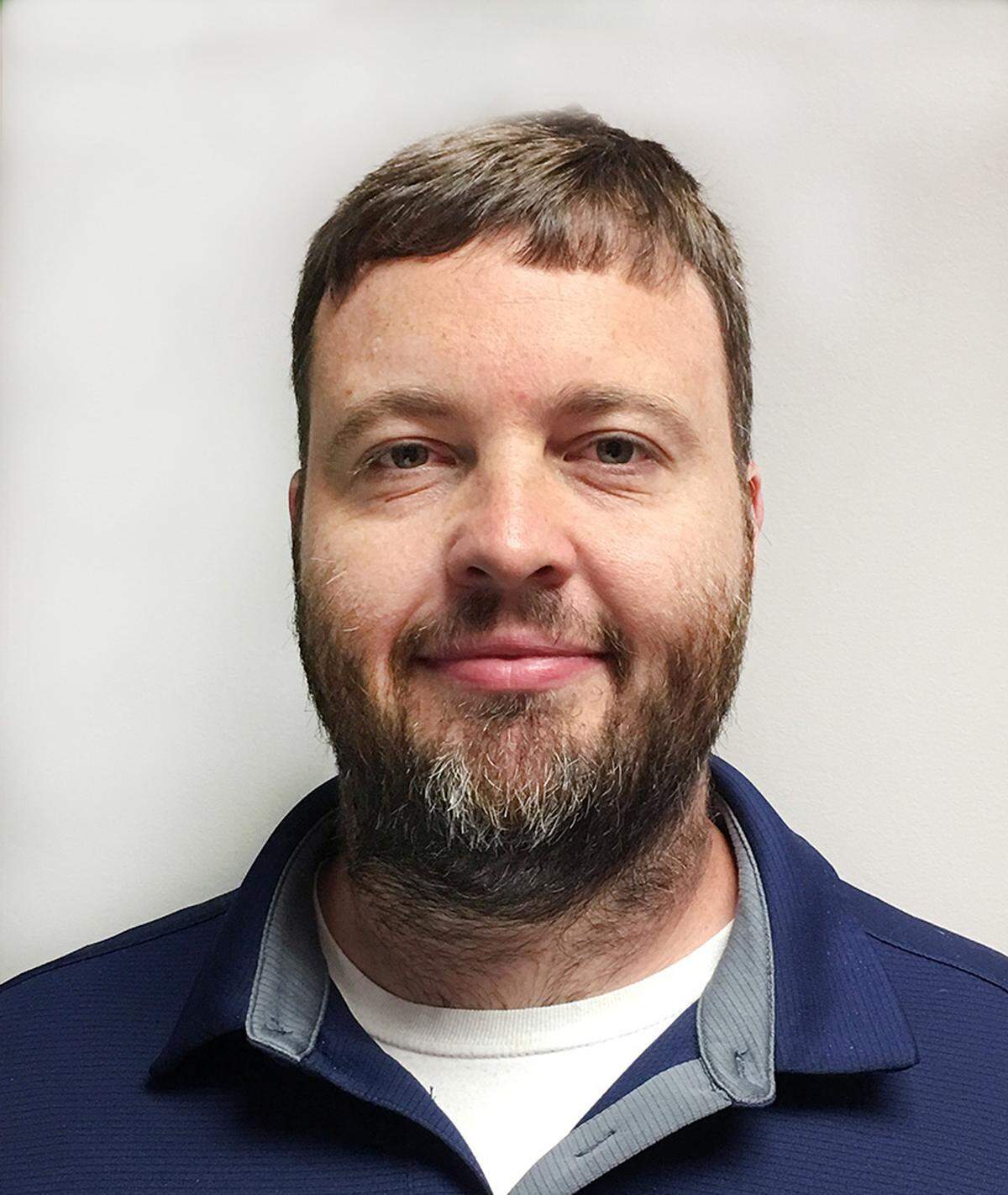
“We received several hundred comments from the public on our website, through the mail, all overwhelmingly in support of the project,” said project manager Berry Mattox.
Now, the public comment period is past. The state has to compile those comments and an environmental document will need a preferred alternative from the three presented in recent months at the public meeting and elsewhere.
Mattox said that choice could come in May. By the end of 2020, the state department could start buying right-of-way.
At the Rock Hill-Fort Mill Area Transportation Study policy committee meeting on Feb. 28, Mattox updated area elected officials and road planners. While the volume of public feedback was notable, he said, it wasn’t much of an argument for which alternative fits best.
“Most people just want to see something quick,” Mattox said. “That’s kind of the theme we got.”
Mattox said he believes the public trusts all three designs presented. And, that most people just want better traffic flow.
“Overwhelmingly we’re just hearing, ‘what can you do to get this done?’” he said. “It was needed yesterday.”
Three alternatives for the new road interchange are a diverging diamond, single point urban interchange (SPUI) and a directional interchange. All three work by limiting left turn actions and spacing traffic from opposite directions. They vary in how well and how long they can keep up with growing travel demand, and in price.
“All of them work,” Mattox said. “All of them are going to make it much better than it is today.”
The most expensive option, the directional interchange, did emerge somewhat among the small group who voiced a preference.
“We’ve gotten a lot of strong support for this one,” Mattox said. “It seems to perform the best in terms of staying power. It lasts the longest due to the horizon year. It performs the best in 2040.”
Initial cost estimates put the directional interchange at $45-$60 million. That tag is about double what the diverging diamond would cost. The SPUI option fits in between those bookends. A directional interchange would put a single traffic signal on the Kingsley side of the interstate, which separates overlap traffic in morning and evening rush hours. It would take two new bridges over the interstate, but could be built with less traffic disruption during construction than other options.
The decision hasn’t been made.
Mattox said he sees strong possibilities with the directional route, as does RFATS director David Hooper. Hooper and Mattox said among the strong opinions expressed by the bicycling and pedestrian community, much of it dealt with the directional option.
“You have Baxter on one side and Kingsley on the other,” Hooper said. “And separate from the businesses that are there, for those who’ve been out at Kingsley, there’s a lot of restaurants out there. So the question is, is there a way to manage some of that foot traffic over time?”
The project will have sidewalks. Both road experts say pedestrian access is important to have where it makes sense. With a 40% growth projection for the interchange in coming years, Hooper said, allowing some non-vehicle access between Baxter and Kingsley would be helpful.
Mattox said his group still has to find ways to accommodate foot traffic at the interchange. He said he hears a strong voice from the bicycling and pedestrian community, and understands some people were concerned the public meeting presentations didn’t show pedestrian paths yet.
Pathways are a focus, he said, but the larger goal is to keep vehicle traffic moving as more cars come through the area.
“We’re not going to change the general, overall feel,” Mattox said of pedestrian lane accommodation. “It’s still going to be a major arterial network. S.C. 160 is just vastly important. We’ve got 30,000 vehicles a day driving on 160. That’s not going to change. It’s only going up.”