Lunch will be free in Lancaster County schools — with an exception in one area. Here’s why
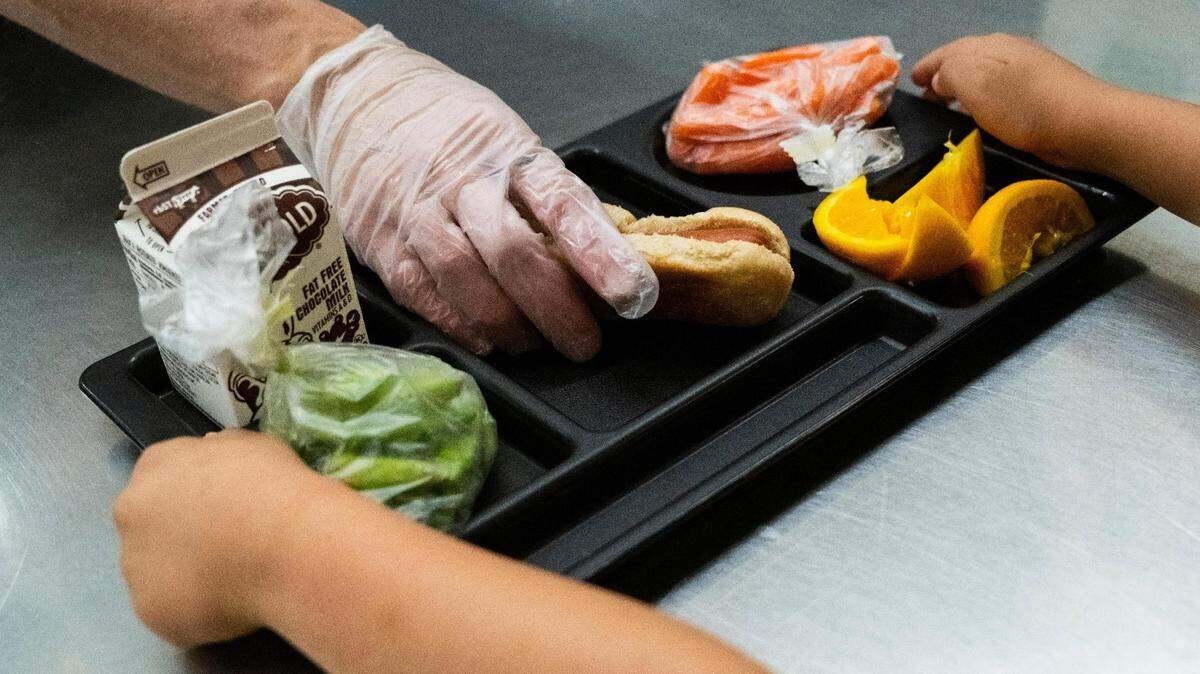
Most Lancaster County schools will offer free meals to all students this coming year.
Schools in the fastest-growing part of the county, though, won’t.
“None of the Indian Land schools qualify,” said Angela McCrorey, student nutrition and food services director for the Lancaster County School District.
The school board vigorously debated the free meal decision Tuesday night. Board members said they are caught between wanting to help families in the southern parts of the county and concerns of fairness for the panhandle to the north.
“I think it’s horrible the way the state is doing this,” said board member Eddie Boykin. “But if the money is there and we have an opportunity to help people across this county, we’ve got to do that.”
Free meal qualification
Some states offer statewide free meals for students. Some don’t.
South Carolina puts the decision, to an extent, on local districts. A recent state legislative rule means districts will have to provide community eligibility — free meals for an entire school or district — to qualifying areas or give notice why the districts aren’t doing it. The rule begins in the 2024-2025 school year.
McCrorey evaluates percentages of students who qualify for free or reduced cost lunches annually. The district has 21 traditional elementary, middle, intermediate and high schools. There also are five more facilities — a charter school, district career center, adult education, learning center and early childhood center. Of the 21 traditional schools, six are in the Indian Land panhandle.
Prior to the COVID-19 pandemic, the county had five schools that qualified for what is now a school-wide free meal program. Now, all 15 schools outside of Indian Land qualify. An increase on assistance programs during the pandemic combined with the inclusion of Medicaid recipient students as automatic qualifiers.
“That kind of inflated everybody’s numbers,” McCrorey said. “The Indian Land area did go up some. It’s not where it needs to be for us to be district-wide, community eligibility free.”
The meal program comes from federal money. It would cost the district about $2 million per year of its own money to provide full free meals in non-qualifying Indian Land, too.
“And rising,” McCrorey said. “Because Indian Land is growing faster than any part of the county.”
Indian Land vs. the county
Board member Melvin Stroble pushed for the board to pay for a district-wide free meal program. Stroble likened the $2 million first-year cost to past decisions such as teacher bonuses, where the board dipped into fund balance for something that was needed.
“We’re telling the kids (outside of Indian Land), don’t worry about your meals,” Stroble said about a decision to make meals free across the district. “Don’t worry about coming to school, we’re going to feed you. We’re going to take care of you. Indian Land, you’ve got to pay and we will continue to send charges and invoices home to those parents.”
Stroble said the issue is equity. Students across the district who qualify for free meals would get them regardless. School-wide programs only impact families that can afford to pay for meals. In 15 schools they wouldn’t have to, but in Indian Land they would, Stroble said.
“Folks are going to understand that all the other schools are being treated differently than Indian Land,” he said.
Indian Land is more affluent than other parts of the county, but the area flooded with half-million-dollar or more homes in recent years also has a higher cost of living, Stroble said. There are concerns in Indian Land that tax revenue goes south already, he said, with issues like athletics or other funding.
Stroble leads the school board subcommittee looking at a bond referendum next spring. Issues like meal funding, he said, can impact issues like the bond.
Feeding hungry students
Superintendent Jonathan Phipps said he understands the Indian Land area is different from other parts of Lancaster County, but also understands the need for equity across the district.
“We need to be a more united district than what we are,” Phipps said. “But I also believe we shouldn’t penalize students because we’re more concerned about the politics of it than we are taking care of the kids.”
Phipps likened the free meal programs at 15 schools outside of Indian Land to the long-held practice of taking money for Title 1 schools in lower socioeconomic areas that support teaching positions or other needed programs.
“This is a federal offer that we’re taking advantage of,” Phipps said.
Phipps said the cost to the district is too high to add in Indian Land schools.
“There’s no way possible we can take that hit,” Phipps said. “If we could, we would.”