Is Silfab solar plant OK near Fort Mill schools? District could pay for study
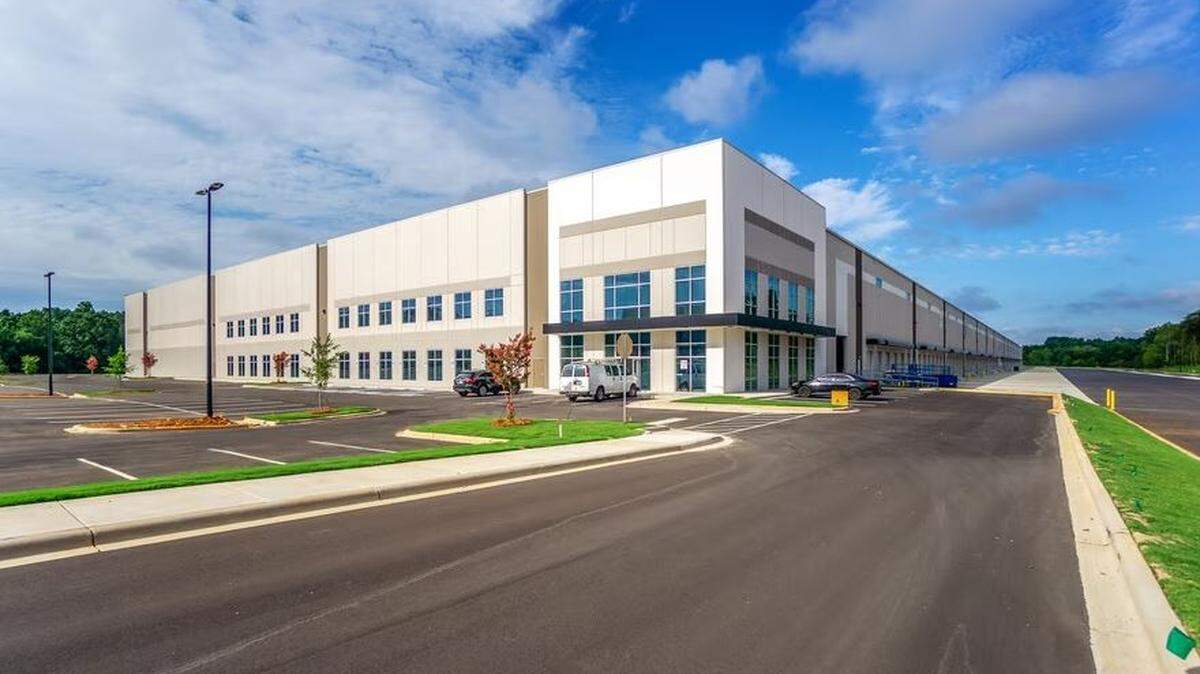
Fort Mill School District is considering paying for an environmental evaluation after pediatric health experts raised concerns about students’ proximity to Silfab Solar.
District spokesperson Joe Burke confirmed during Tuesday night’s board of education meeting he’s awaiting responses from two firms that could evaluate health and safety impacts posed by the nearby solar cell manufacturing facility.
Two Fort Mill schools will open next door to the Canadian company’s anticipated manufacturing plant: Flint Hill Elementary School opens this fall followed by Flint Hill Middle School in 2026. Silfab is still building its $150 million facility despite multiple lawsuits attempting to halt it.
Until now, the district has largely remained quiet on the issue despite a growing movement urging school leaders to take a vocal stance against Silfab.
But a Feb. 25 letter from the Southeast Pediatric Environmental Health Specialty Unit to Fort Mill District warned the types and quantities of chemicals used by Silfab are concerning and warrant a closer look to ensure kids are protected.
The group behind the letter is a network of experts in preventing and managing health issues that arise from environmental exposures from preconception through adolescence. The network is considered a leading authority on pediatric health and was established under a Clinton-era executive order. They often get involved in situations that pose potential environmental hazards to children’s health.
“Children are not miniature adults: meaning they are not exposed to hazards in the same ways or amounts as adults,” states the letter signed by Emory University assistant professor Abby Mutic, who leads theSoutheast network. “Due to their rapid development and immature biological systems, young children are especially vulnerable to harmful exposures and subsequent negative brain and lung health effects, resulting in missed school days and reduced opportunities to engage in early learning.”
Mutic said in the letter that she received “numerous inquiries” from people concerned about Silfab. Her expert network recommended the district pursue a third-party evaluation and implement environmental safeguards at school sites, she said.
Fort Mill schools already meet or exceed the pediatric group’s site mitigation recommendations, Burke said. Buildings have high efficiency HVAC and air filtration systems.
Burke contacted Mutic to get recommendations on who the district could contact for an evaluation, he said. She provided contact information for an environmental company and the Environmental Protection Agency’s regional representative.
The district is waiting for the EPA to provide details on the emergency response plan process and how the agency is involved in site regulation. Burke is also waiting to hear from two international firms that offer environmental evaluations, he said.
District leaders previously discussed an evaluation after they first heard concerns about Silfab, according to board Chairwoman Kristy Spears. But they “hadn’t had much luck up until this point of finding anyone,” she said.
What is Silfab Solar?
York County Council narrowly approved a tax incentive for Silfab Solar by a 4-3 vote in 2023. In return, Silfab expects to bring 800 new jobs to the area.
But community members largely oppose its plans to build at 1749 Logistics Lane, an industrial site between Interstate 77 and U.S. 21 that’s not far from several schools.
York County planning staff initially issued a letter to Silfab stating the company was allowed to manufacture in light industrial areas like the Logistics Lane site. But the York County Board of Zoning Appeals later reversed that determination in a unanimous vote, saying last May that solar panel manufacturing should be considered heavy industrial, which is not allowed in that area.
York County issued a statement in June saying the zoning appeals board ruling did not apply to Silfab since it had already received approval from county planners.
The controversy is now in the court’s hands.
Silfab brought a lawsuit seeking to overturn the zoning appeals board’s decision.
A second lawsuit, brought by a group of residents arguing Silfab could pose a threat to nearby properties in the event of a spill, is on hold while the first case is litigated. Silfab can continue construction in the meantime.
The company said it meets all safety requirements.
This story was originally published April 2, 2025 at 12:09 PM.