New school fees could impact costs for Lake Wylie and Clover homes. Again.
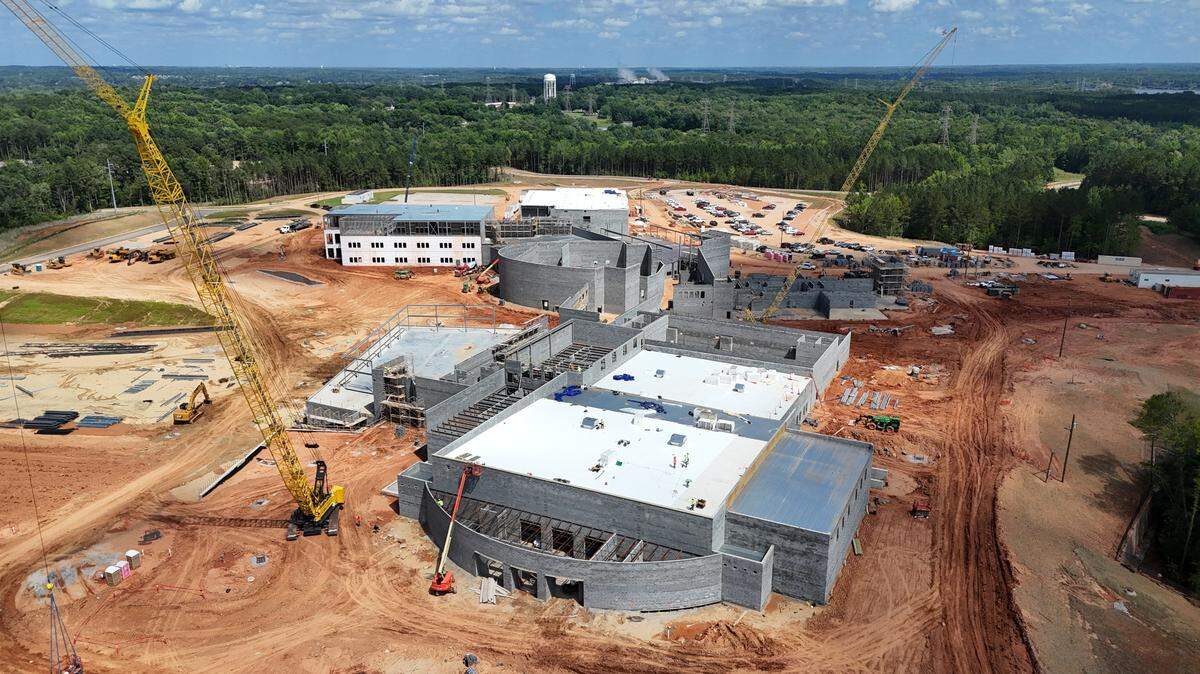
Amid a generational run of new school construction, the Clover School District could see significant changes in how new home construction helps pay for it.
The school district asked York County late last month to review and update the school impact fee that’s charged in Clover and Lake Wylie. That’s the same process Fort Mill schools went through this spring, resulting in higher fees there of nearly $30,000 per new home.
A review of Clover district fees could bring higher or lower amounts than $4,000 per new home charged now, depending on a required formula and York County Council’s level of support.
Here are six things to know about potential changes to school fees in Clover:
What are school impact fees?
Impact fees are charges on new construction, where money collected goes to offset public infrastructure costs created by that construction.
Cities, towns and counties can charge them for anything from stormwater to road funding. School impact fees go to capital costs like new school construction.
In York County, two of the four public school districts have fees.
The county set up charges of about $18,000 per home and $12,000 per apartment for the Fort Mill district in 2018. Those fees increased this year to nearly $30,000 per home and $21,000 per apartment.
York County set Clover district fees at $4,000 per home, nearly $2,000 per home or townhome and $2,600 per mobile home in 2020.
Why would impact fees change now?
State law requires a study to determine what impact new homes will have on a district, to justify the fees.
That study produces a maximum amount the county, on behalf of a school district, can charge. State law also requires expiration and review dates.
If districts want to charge fees after theirs expire, they have to go through the same study and approval process again. That’s what happened this year in Fort Mill, and Clover has to review its study by January.
The new study would almost automatically generate new cost amounts, given changes in a district like Clover that go into the formula.
New school construction, land acquisition costs, student enrollment and other factors determine what the final amount could be.
Will fees go up or down in Clover?
The final fee amount has two parts. There’s the math in the required study, and then there’s whatever York County Council decides.
An updated district study will come from consultant and impact fee specialist firm TischlerBise. It’s the same firm Fort Mill schools and several area municipalities have used in recent years for their impact fees.
Updated enrollment, growth, school capacity and principal payments against debt the past five years should confirm at a minimum that impact fees for the district are still accurate and justified, according to a June letter from the district to the county.
While the updated figures will show what the county can charge, York County Council can set the fees at any number up to that amount. At Fort Mill’s initial fee decision and for its update this year, the council went with the maximum amount shown in the study.
In Clover, its council opted to charge about a quarter of what their 2020 study listed.
Who will be impacted by the fee changes?
Impact fees have direct and indirect consequences.
For anyone buying a newly built home, the impact fee is somewhere in the cost of that home. Either the builder charged that much more in selling the home, or had to find cost savings somewhere in the construction process.
Impact fees are charged to builders when they get construction permits. Buyers wouldn’t typically see it directly as a line item.
The median sales price on a Clover home was $430,000 for the first half of this year, according to Charlotte regional group Canopy Realtor Association. On the South Carolina and North Carolina sides of Lake Wylie combined, it was $566,000. Those numbers are up 13.2% in Clover and 8.7% in Lake Wylie just since 2023.
For comparison, median sale prices increased 7.9% in York County and 5.7% in the 16-county Charlotte region during that same span.
For homeowners who aren’t buying new construction, impact fees could factor into higher sales prices or property values for older homes. And because they help pay for new school construction, impact fees can cut down the tax impact for schools.
From 2021 to 2023, the county collected more than $4.3 million in impact fees for Clover schools. That’s a smaller part of the growth expenses the district faces.
New school construction in Clover
The Clover district completed $17 million worth of high school renovations this year. A new high school, middle school and elementary school set to open next year will combine to cost about $230 million. Much of that money comes from a $156 million school bond approved by voters two years ago for the high school.
The new schools will transform the district, moving it from 10 schools to 13. Clover will join the Rock Hill and Fort Mill districts, leaving York as the only local outlier, in having multiple high schools. Lake Wylie High School and Liberty Hill Elementary School will go off Cannonball Run. Roosevelt Middle School will go in near Clover High School.
New school construction is tied to increased enrollment. This past spring, the district had more than 8,900 students. Even with the COVID-19 pandemic that dipped public school enrollment throughout he region for several years, the student count in Clover is up more than 26% in a decade.
What happens next with impact fees?
The updated TischlerBise study hasn’t been published yet, district spokeswoman Stephanie Knott said Thursday. York County Council is expected to vote Monday to have the county Planning Commission review the fee. The district asked the county to put it on the August agenda for the Planning Commission, which hasn’t been published yet.
The updated study should be ready for that meeting, which will show the maximum fee amounts the district can request. The planning commission will give a recommendation for York County Council.
Changes require one Planning Commission and three County Council meetings. That process could take as little as two months or much longer. The review deadline comes in January.
Impact fees last for 10 years but must be reviewed every five years.
The ongoing decision is a review, so it’s unlikely fees would be dropped entirely. Council could, though, make that decision at any time. Likewise, the council could increase or changes fees at any time, within the maximum amount listed by the impact fee study.
Reality Check reflects the Rock Hill Herald’s commitment to holding those in power to account, shining a light on public issues that affect our local readers and illuminating the stories that sets the Rock Hill region apart. Email realitycheck@heraldonline.com
This story was originally published July 18, 2025 at 5:50 AM.